Source Eco Friendly Woven Table Runner for Home, Hotel, Outdoor
Compare 30 eco friendly woven table runner options from Chinese manufacturers. Explore plain and dot patterns in polyester and polypropylene materials, featuring waterproof and high-temperature-resistant properties for home, hotel, and outdoor use; compare the available evidence and request quotations based on your requirements.
Key considerations
Products List


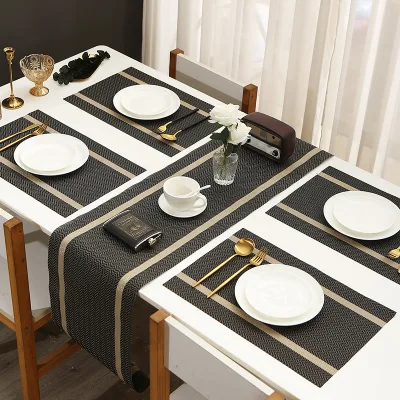


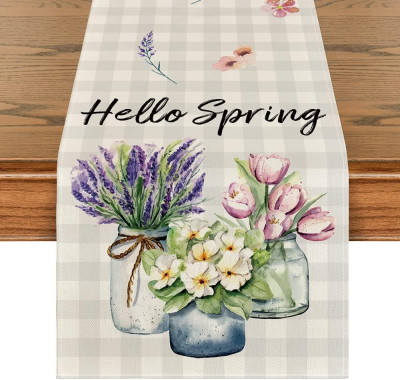
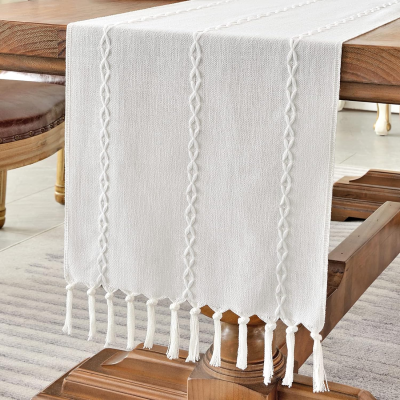
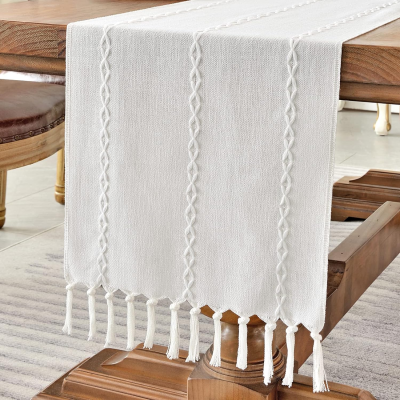




Comprehensive Sourcing Guide
Eco Friendly Woven Table Runner Sourcing Guide
Procuring eco-friendly woven table runners requires distinguishing between genuine textile innovations and generic spun-bonded alternatives often mislabeled as sustainable. While the market offers products with specific woven techniques and natural fiber blends, many listings currently feature polypropylene or polyester materials with spun-bonded construction rather than traditional weaving. Buyers must carefully scrutinize the "Technics" attribute to ensure the item is truly woven, as many available options are printed or non-woven fabrics designed for disposable or high-volume commercial use.
The definition of "eco-friendly" in this sector often hinges on specific material grades and production methods rather than a universal standard. Some suppliers list products as eco-friendly due to anti-static or anti-bacterial properties, yet the raw material may be domestic-grade polypropylene rather than recycled or biodegradable fibers. Sourcing teams should verify if the "Eco-Friendly" claim applies to the entire lifecycle, including the dyeing process and end-of-life disposal, rather than relying solely on marketing labels attached to generic woven or printed table runners.
Product Scope and Observed Listing Signals
The current market landscape for table runners reveals a wide spectrum of product types, ranging from decorative home textiles to disposable supplies for hotels and outdoor events. Listings frequently display dimensions such as 16 inches by 72 inches or custom widths extending up to 320 centimeters, indicating that buyers can source both standard decorative pieces and specialized large-format runners. However, the "Pattern" attribute often varies between plain, dot, and printed designs, requiring buyers to confirm that the visual aesthetic aligns with their specific branding or interior design requirements before placing an order.
Material composition is a critical signal that differentiates premium woven options from mass-produced alternatives. While some products are explicitly described as 100% polypropylene or polyester with spun-bonded techniques, others may utilize different weaving methods to achieve a more durable, high-temperature-resistant finish. Buyers should note that "Usage" tags often include home, hotel, and outdoor applications, but the underlying material properties like oilproofing or mothproofing may vary significantly between a standard woven runner and a disposable non-woven alternative.
Technical Specifications to Verify
When evaluating technical specifications, the grammage or GSM range serves as a primary indicator of fabric density and durability. Available data suggests a broad spectrum from 9 to 260 GSM, where lower weights typically indicate disposable or lightweight decorative items, while higher weights suggest heavy-duty woven textiles suitable for frequent use. Buyers must verify the specific weight range for their intended application, as a 40-50 GSM runner may lack the structural integrity required for high-traffic hotel dining areas compared to a 200 GSM woven option.
Dimensional consistency and finishing techniques are equally vital for ensuring the product meets functional expectations. Specifications often list widths ranging from 4 centimeters to 320 centimeters, with some products offering custom sizing to fit unique table configurations. The "Technics" attribute, whether spun-bonded, printed, or handmade, directly impacts the final texture and performance; for instance, a woven runner with a medium weight thickness will offer different drape and scratch resistance compared to a dyed, printed variant with a standard width of 58 to 60 inches.
Compliance and Safety Documentation
Ensuring compliance with safety and environmental standards is essential, particularly when sourcing products for hospitality or residential use. While some listings mention eco-friendly attributes, explicit certification data such as OEKO-TEX is often absent or listed as low-confidence background information. Procurement teams should request specific test reports to verify claims regarding anti-bacterial, anti-static, and anti-tear properties, as these features are critical for maintaining hygiene and safety in food service environments without relying on unverified marketing statements.
Documentation regarding material safety and chemical usage must be scrutinized to confirm that the "Eco-Friendly" designation is substantiated by actual testing. Buyers should inquire about the specific grade of raw materials, such as domestic-grade polypropylene, and request evidence that the dyeing and finishing processes do not introduce harmful substances. Although some products are marketed as breathable or oilproof, verifying the absence of toxic residues through third-party laboratory results is necessary to ensure the product meets international safety requirements for food contact and general consumer use.
Cost Drivers and Commercial Terms
Cost structures in this category are heavily influenced by material composition, production volume, and the complexity of the weaving or printing process. The observed price range spans from $0.06 to $1550, reflecting the vast difference between single-use disposable runners and high-end, custom-woven decorative pieces. Buyers must align their budget with the intended usage; for instance, a high-volume order for disposable hotel supplies will prioritize low-cost, high-yield production, whereas a boutique hotel may require a higher price point for durable, custom-sized woven textiles.
Minimum Order Quantities (MOQ) and lead times are significant commercial variables that affect procurement strategy and inventory planning. Current market data indicates MOQs ranging from 1 to 30,000 units, allowing flexibility for small retailers while accommodating large-scale distributors. However, the yield capacity of suppliers, which can reach up to 9000 tons per year, suggests that larger orders may benefit from economies of scale, though buyers should confirm if the supplier can maintain consistent quality and delivery schedules during peak production periods.
Supplier Qualification and Quality Control
Supplier qualification should focus on verifying their production capabilities and consistency in delivering woven or spun-bonded textiles that meet specific technical requirements. Buyers must assess whether the supplier can consistently produce items with the claimed GSM, width, and pattern attributes, as variations in the "Technics" from handmade to printed can lead to significant quality discrepancies. It is advisable to request physical samples that match the exact specifications of the intended order to validate the fabric's weight, texture, and durability before committing to a larger purchase.
Quality control protocols must be established to ensure that the final product matches the agreed-upon standards for packing and performance. Suppliers often use polybags or roll packing, but the integrity of the packaging is crucial for preventing damage during transit, especially for woven items that may be prone to snagging or tearing. Buyers should implement a rigorous inspection process that checks for defects in the weave, consistency in the dye application, and adherence to the specified dimensions, ensuring that the delivered goods meet the functional requirements for home, hotel, or outdoor use.
Long-Term Procurement Checks
Establishing a long-term procurement relationship requires regular audits of supplier performance and product consistency over time. Buyers should monitor changes in material grades, such as shifts from 100% polypropylene to other blends, which could alter the eco-friendly status or performance characteristics of the table runners. Continuous communication with the supplier regarding production updates and potential material substitutions is essential to maintain the quality and sustainability standards that the initial order was based upon.
Performance tracking should include periodic testing of the runners for wear, tear, and resistance to environmental factors like moisture and heat. Since the market offers products with features like high-temperature resistance and waterproofing, verifying that these attributes remain consistent across multiple production batches is critical for maintaining brand reputation. Buyers should also review the supplier's ability to handle custom orders and adapt to changing design trends, ensuring a reliable supply chain that can support evolving market demands for eco-friendly home textiles.
FAQs
What materials are used for eco friendly woven table runners?
Eco friendly woven table runners are typically crafted from polyester or polypropylene fabrics. These materials offer durability and versatility for various settings. The woven technics ensure a sturdy texture suitable for home, hotel, or outdoor use. Some options may include spun-bonded variants for disposable applications, providing a balance between sustainability and practical functionality for event planners.
Can I customize the size of a woven table runner?
Yes, customization is available for woven table runners to meet specific event needs. Standard dimensions often include widths from 4cm to 320cm or specific lengths like 16 inches by 72 inches. Buyers can request tailored sizes to fit various table shapes. This flexibility ensures that the runner complements the decor perfectly, whether for a small dining table or a large banquet setup.
What features do woven table runners offer for durability?
Woven table runners provide features such as waterproof, anti-static, and oilproof properties. They are also designed to be high temperature-resistant and anti-tear. These characteristics make them ideal for frequent use in hotels or outdoor events. The durable construction ensures that the runner maintains its appearance and functionality over time, resisting wear and tear from daily handling and cleaning.
How are woven table runners packaged for shipping?
Woven table runners are typically packaged in polybags or packed in rolls for efficient shipping. This method protects the fabric from damage during transit. Some products may include additional decorative elements like tassels. The packaging ensures that the items arrive in pristine condition, ready for immediate use. Bulk orders often follow standardized packing methods to optimize logistics and reduce shipping costs for international buyers.
What is the typical GSM range for these table runners?
The gram weight for woven table runners generally ranges from 20 to 260 GSM. This wide spectrum allows buyers to select the appropriate thickness for their specific application. Lighter weights are suitable for disposable or temporary events, while heavier weights offer a premium feel for long-term home use. The GSM selection directly impacts the drape, durability, and overall aesthetic of the table runner.
Are woven table runners suitable for outdoor events?
Yes, woven table runners are suitable for outdoor events due to their weather-resistant properties. Features like waterproofing and anti-static capabilities help them withstand outdoor conditions. They are designed to be durable against environmental factors while maintaining their aesthetic appeal. This makes them an excellent choice for garden parties, weddings, and other outdoor gatherings where reliable table decor is essential.