Source Eco Friendly Yoga Column for Fitness, Recovery, and Pilates
Source Eco Friendly Yoga Column options from 30 verified listings. Compare materials like EVA and EPP, check MOQs, and review customization features for fitness centers and home use. Evaluate delivery times and payment terms to find the best fit for your business needs.
Key considerations
Products List
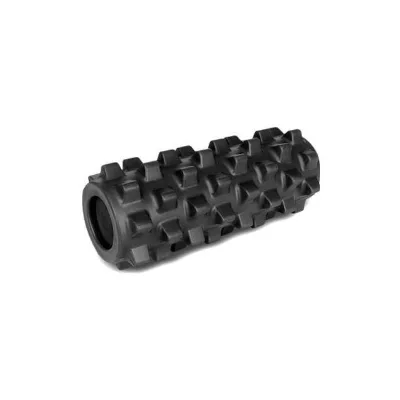
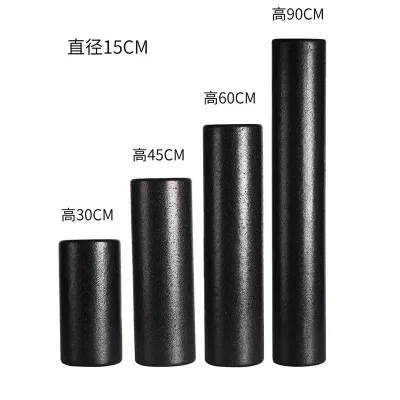


Sports Fitness Exercise 45cm EVA Hollow Massage Column Pilates Yoga Roller
$3.80 - $4.50
MOQ: 100 Pieces


Comprehensive Sourcing Guide
Eco Friendly Yoga Column Sourcing Guide
Buyers evaluating eco-friendly yoga columns must first distinguish between the specific material claims found in current listings, as the data presents conflicting material attributes for similar product names. While some entries explicitly identify the core material as EVA or EPP, others list natural rubber or PVC for different product variants, requiring strict verification of the physical composition before finalizing any order. This distinction is critical because the environmental profile and durability of a column depend entirely on whether the foam is derived from synthetic polymers or natural rubber sources.
Procurement teams should prioritize suppliers who can provide clear material declarations that align with the specific "eco-friendly" definition required by their market. The observed listings show a mix of "Natural Rubber" and synthetic options like EVA, meaning a buyer cannot assume all yoga columns labeled as eco-friendly share the same chemical composition. It is essential to request material safety data sheets or specific composition breakdowns to ensure the product meets the intended sustainability goals without relying on generic marketing terms that may not reflect the actual manufacturing process.
Product Scope and Observed Listing Signals
The current market signals indicate a diverse range of yoga columns varying significantly in dimensions, with observed specifications including a size of 425125125MM and single package sizes around 45X12X12.5 cm. Buyers must carefully cross-reference these physical dimensions against their specific inventory needs, as the product scope extends from compact travel-friendly units to larger, heavier-duty columns designed for fitness centers. The variation in single gross weight, such as the 0.800 kg observation, further suggests that density and material thickness differ across the available product lines.
Commercial signals reveal a wide disparity in minimum order quantities, ranging from 10 sets to 10,000 units, which dictates the scalability of potential partnerships. Sourcing strategies must account for these MOQ thresholds, as smaller buyers may need to consolidate orders or negotiate with suppliers offering lower entry points like the 10-set minimum. Additionally, the availability of customized logos and colors indicates that many suppliers are positioned for private label opportunities, allowing buyers to tailor the product appearance to their brand identity while managing the associated production complexities.
Technical Specifications to Verify
Technical verification must begin with the material composition, as the provided data lists both EVA and EPP alongside natural rubber for similar product categories. Buyers should demand physical samples to confirm the density and resilience of the foam, ensuring it matches the intended application whether for home exercise or professional fitness centers. The presence of multiple material types in the same search results necessitates a rigorous testing protocol to validate that the specific unit ordered possesses the claimed structural integrity and eco-friendly attributes.
Dimensional accuracy and packaging standards are equally critical, with observed specifications ranging from 425125125MM to various standard mat sizes like 180*66 cm. Procurement teams must verify that the single package size and gross weight align with the shipping calculations to avoid unexpected logistics costs. Furthermore, the availability of customized colors and logos requires clear technical specifications regarding color fastness and print durability to ensure the final product maintains its aesthetic quality after repeated use and transport.
Compliance and Safety Documentation
While the supplied data mentions Oeko-Tex as a background standard, it does not confirm that any specific listed product currently holds this certification. Buyers should explicitly request valid, third-party test reports for the specific batch of yoga columns to verify the absence of harmful substances like phthalates or heavy metals. Relying on general category knowledge is insufficient; the documentation must be specific to the material claimed, whether it is natural rubber or synthetic foam, to ensure compliance with international safety regulations.
Safety compliance also extends to the manufacturing process and the final product's suitability for its intended demographic, such as adults or women. Buyers must verify that the supplier can provide documentation confirming the product meets the safety standards of the destination market, particularly regarding flammability and chemical leaching. Without concrete evidence of certification status, procurement teams should treat all "eco-friendly" claims as unverified until supported by the appropriate laboratory test results for the specific material composition.
Cost Drivers and Commercial Terms
Cost structures are heavily influenced by the choice of material, with natural rubber typically commanding a higher price point than synthetic options like EVA or PVC. The observed price range of 0.79 to 50 USD reflects this variance, but buyers must understand that the final unit cost is also driven by customization requirements such as logo printing and color selection. The availability of OEM services suggests that branding costs will be factored into the total price, requiring a detailed breakdown of base material costs versus value-added services.
Commercial terms observed in the listings include payment methods like 100% T/T, PayPal, and Western Union, alongside a delivery time of 30-45 days. Buyers need to negotiate clear terms regarding lead times, as the production window can vary based on order volume and the complexity of customization. It is advisable to establish a fixed payment schedule that protects cash flow while ensuring the supplier has the necessary capital to source high-quality raw materials and maintain the production schedule.
Supplier Qualification and Quality Control
Supplier qualification should focus on their ability to manage the diverse material options and customization requests evident in the current market data. Buyers must assess whether the supplier has the capacity to handle both small MOQs of 10 sets and large orders up to 10,000 units without compromising quality control. The presence of multiple product models and standards indicates a need for a supplier with robust internal processes to manage different production lines and ensure consistency across varied orders.
Quality control protocols must be established to verify that the physical attributes, such as the 0.800 kg gross weight and specific dimensions, remain consistent throughout the production run. Buyers should implement a pre-shipment inspection plan that checks for material defects, color accuracy, and packaging integrity, as the observed packing methods vary from poly bags to carton packages. Establishing a clear acceptance criteria based on the observed specifications will help mitigate the risk of receiving products that do not meet the agreed-upon standards.
Long-Term Procurement Checks
Long-term procurement success depends on maintaining a consistent supply chain that can adapt to changing material availability and market demands. Buyers should regularly audit their suppliers to ensure that the "eco-friendly" claims remain valid as raw material sources may shift over time. Continuous verification of material composition and safety documentation is essential to maintain brand integrity and ensure that the products continue to meet the evolving expectations of environmentally conscious consumers.
Strategic partnerships should also include a review of the supplier's ability to scale production while maintaining the observed delivery times of 30-45 days. As order volumes grow, buyers must ensure that the supplier can manage the increased complexity of customization and packaging without delays. Regular performance reviews against key metrics such as on-time delivery, defect rates, and responsiveness to quality issues will help sustain a reliable and efficient supply chain for the long term.
FAQs
What materials are used for eco friendly yoga columns?
Eco friendly yoga columns are typically crafted from sustainable materials such as EVA, EPP, or natural rubber. These materials provide durability and comfort while minimizing environmental impact. Buyers can choose between solid colors or customized options to suit specific branding needs. The choice of material often influences the weight and texture of the column, ensuring it meets various fitness center or home exercise requirements effectively.
Can I customize the logo and color of the yoga column?
Yes, customized logos and colors are available for most yoga column orders. Suppliers often accept OEM requests to align with your brand identity. You can select from solid colors like black or request specific custom shades. This flexibility allows businesses to create unique fitness equipment that stands out in the market while maintaining the functional integrity required for yoga and pilates exercises.
What is the typical MOQ for ordering yoga columns?
The minimum order quantity for yoga columns generally ranges from 10 sets to 100 pieces, depending on the supplier and customization level. Some manufacturers may require higher MOQs for fully customized products with specific logos or colors. Buyers should verify the exact MOQ with their chosen supplier to ensure it aligns with their inventory needs and budget constraints before finalizing the purchase agreement.
How long does delivery take for yoga column orders?
Delivery times for yoga columns typically range from 30 to 45 days after order confirmation. This lead time accounts for production, quality control, and packaging processes. Factors such as customization requirements, order volume, and supplier location can influence the exact timeline. Buyers should plan their inventory replenishment accordingly to avoid stockouts, especially during peak fitness seasons or promotional periods.
Where are eco friendly yoga columns primarily manufactured?
Eco friendly yoga columns are primarily manufactured in regions like Jiangsu and Guangdong in China. These areas are known for their robust manufacturing capabilities and supply chain efficiency. Buyers can expect a variety of suppliers offering different materials and customization options. The proximity to major ports often facilitates smoother logistics and export processes for international orders.
What payment methods are accepted for yoga column purchases?
Common payment methods for yoga column purchases include T/T, PayPal, Western Union, and Trade Assurance. Some suppliers may require 100% T/T payment for certain orders. Buyers should confirm the accepted payment terms with the supplier before proceeding. Using secure payment platforms like Trade Assurance can provide additional protection and peace of mind for international transactions.