Source Eco Safe Plant Cat Litter for Cats, Kittens, and Homes
Find 30 Eco Safe Plant Cat Litter options from Chinese manufacturers. Compare materials like paper, corn starch, and pea fiber, along with features such as clumping, flushability, and low dust levels for your pet care business; compare the available evidence and request quotations based on your requirements.
Key considerations
Products List


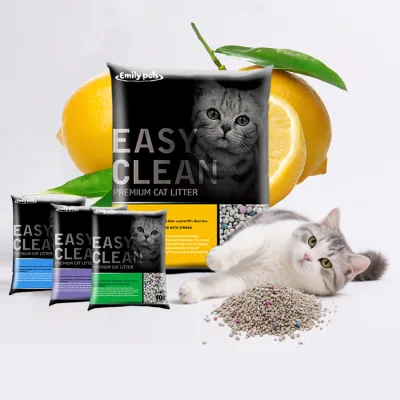
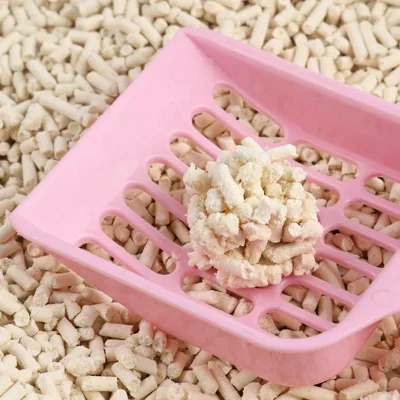
Eco-Friendly Absorbent Fast Clumping Dust - Free Mixed Cat Litter
$0.58 - $3.58
MOQ: 1000 piece/pieces


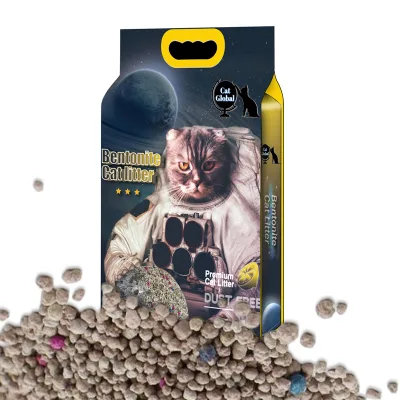
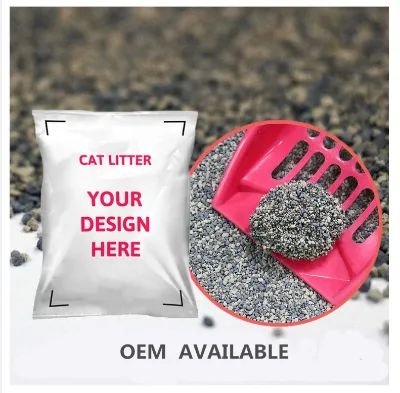
Eco-Friendly Bentonite Cat Litter for Strong Clumping and Odor Control
$0.43 - $0.59
MOQ: 300 Bag/Bags

Eco-Friendly Biodegradable Odor Control Bentonite Easy to Clean Cat Litter
$0.67 - $0.71
MOQ: 1000 Bag/Bags





Comprehensive Sourcing Guide
Eco Safe Plant Cat Litter Sourcing Guide
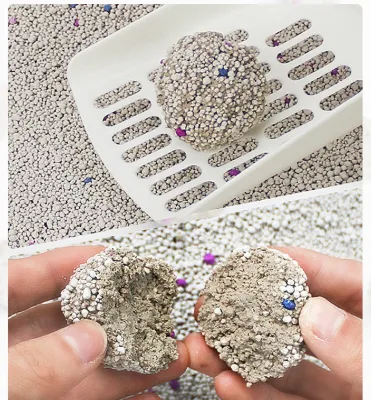
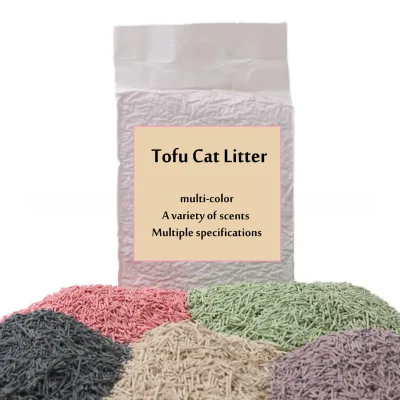
Sourcing Eco Safe Plant Cat Litter requires a nuanced understanding of material composition and environmental impact. Buyers must distinguish between various plant-based feedstocks, such as natural plant fibers, corn starch, and pea fiber, which form the core of these sustainable products. The market offers diverse options ranging from paper-based litters to tofu litter, each presenting unique absorption and clumping characteristics. Procurement teams should prioritize suppliers who transparently disclose their raw material sources to ensure the product aligns with genuine sustainability goals rather than mere marketing claims.
The operational profile of these litters often emphasizes manual usage and specific application for cats, with designs tailored for cat toilets. Buyers should evaluate whether the product features pH monitoring capabilities or standard clumping performance, as these attributes significantly influence user experience and waste management efficiency. Understanding the distinction between scented and unscented options, along with the availability of customized colors like white or yellow, allows buyers to match product specifications with their target consumer preferences and brand identity requirements.
Product Scope and Observed Listing Signals
The observed product landscape reveals a wide range of specifications, including sizes categorized as small, medium, and large, and models such as GN-TF-004. Listings indicate that customization is widely available, allowing buyers to request specific diameters ranging from 1.5mm to 3.8mm or even custom sizes. This flexibility extends to packaging, with options including boxes, bags, and various bag types like three-side seal bags, stand-up pouches, and woven bags. Buyers should verify if the supplier can accommodate specific volume and weight requirements, such as 5L-4kg or 10L-8kg packages, to ensure logistical compatibility.
Market signals also highlight variations in material origins, with products sourced from regions like Shandong and Hebei in China. Some listings specify natural plant materials, while others detail corn starch or pea fiber compositions. Buyers must carefully review the listed features, such as low dust content, high absorption rates, and flushable properties, to ensure they meet their quality standards. It is crucial to confirm whether the product is waterproof or not, as this affects storage and handling requirements, and to check for specific certifications like MSDS or ISO 9001 that validate product safety and quality management.
Technical Specifications to Verify
Buyers must rigorously verify the physical and chemical properties of the cat litter to ensure performance consistency. Key technical parameters include moisture content, which should typically be below 12%, and dust levels, often specified as less than 0.5% or generally low. The absence of harmful chemicals is a critical specification for eco-friendly products, ensuring the safety of both pets and owners. Procurement teams should request detailed test reports or material safety data sheets to confirm that the product meets these stringent technical benchmarks and does not contain unintended additives.
The structural integrity and clumping ability of the litter are vital for effective waste management. Buyers should assess whether the product offers strong clumping performance and high absorption rates, such as 300%, which indicate superior quality. Additionally, the shape of the litter particles, often round, and the availability of customized logos and designs should be confirmed. It is essential to verify if the product is suitable for all seasons and if it can be customized in terms of color and packaging to meet specific branding needs, ensuring a seamless integration into the buyer’s product line.
Compliance and Safety Documentation
Compliance with international safety standards is non-negotiable for Eco Safe Plant Cat Litter. Buyers must ensure that suppliers provide valid certifications, such as MSDS, ISO 9001, BSCI, and RoHS, which attest to the product’s safety and the supplier’s quality management systems. These documents are crucial for importing goods into various markets and for demonstrating commitment to environmental and social responsibility. Procurement teams should verify the authenticity of these certifications and check for any additional regional requirements, such as REACH compliance, which may be relevant depending on the destination market.
Safety documentation also includes detailed information on the product’s composition and potential hazards. Buyers should review the material safety data sheets to understand the product’s flammability, toxicity, and environmental impact. It is important to confirm that the product is free from harmful chemicals and that the manufacturing process adheres to strict environmental standards. By thoroughly reviewing these documents, buyers can mitigate risks associated with product liability and ensure that their supply chain remains compliant with global regulatory frameworks.
Cost Drivers and Commercial Terms
Cost structures for Eco Safe Plant Cat Litter are influenced by raw material prices, production complexity, and packaging requirements. Buyers should analyze the impact of material choices, such as corn starch or pea fiber, on the final price. Customization options, including specific sizes, colors, and packaging designs, can also affect costs. Procurement teams should negotiate clear terms regarding minimum order quantities, which may range from 100 bags to 5 tons, and explore opportunities for volume discounts to optimize overall procurement expenses.
Commercial terms also encompass payment methods, delivery schedules, and warranty policies. Buyers should clarify the supplier’s lead times and shipping options to ensure timely delivery and avoid stockouts. It is advisable to request samples before placing large orders to verify product quality and performance. Additionally, buyers should discuss any potential additional costs, such as customs duties or handling fees, to avoid unexpected expenses. Establishing a transparent and mutually beneficial commercial relationship is key to long-term success in sourcing Eco Safe Plant Cat Litter.
Supplier Qualification and Quality Control
Supplier qualification involves assessing the manufacturer’s production capabilities, quality control processes, and overall reliability. Buyers should verify the supplier’s facility conditions, equipment, and workforce expertise to ensure they can consistently produce high-quality Eco Safe Plant Cat Litter. It is crucial to check if the supplier has a robust quality management system in place, including regular inspections and testing procedures. Procurement teams should also evaluate the supplier’s ability to handle customization requests and their responsiveness to customer inquiries and issues.
Quality control measures should be clearly defined and agreed upon before placing orders. Buyers should specify acceptance criteria for product attributes such as dust content, moisture levels, and clumping performance. It is advisable to conduct pre-shipment inspections or hire third-party inspection services to verify product quality before dispatch. Additionally, buyers should establish a clear process for handling defective products or non-conforming shipments. By implementing rigorous supplier qualification and quality control practices, buyers can minimize risks and ensure a steady supply of high-quality Eco Safe Plant Cat Litter.
Long-Term Procurement Checks
Long-term procurement success requires continuous monitoring of supplier performance and market trends. Buyers should regularly review supplier metrics, such as on-time delivery rates, product quality consistency, and responsiveness to issues. It is important to maintain open communication with suppliers to address any emerging challenges and to explore opportunities for improvement. Procurement teams should also stay informed about changes in raw material prices, regulatory requirements, and consumer preferences to adapt their sourcing strategies accordingly.
Sustainability and innovation are key drivers for long-term growth in the Eco Safe Plant Cat Litter market. Buyers should encourage suppliers to invest in research and development to create new, more sustainable products and packaging solutions. It is advisable to participate in industry events and networks to stay updated on the latest trends and technologies. By fostering a collaborative and forward-thinking relationship with suppliers, buyers can ensure a competitive edge and contribute to a more sustainable future for the pet care industry.
FAQs
What materials are used for Eco Safe Plant Cat Litter?
The litter is made from natural plant materials such as paper, corn starch, and pea fiber. These ingredients ensure the product remains free of harmful chemicals while providing a safe environment for cats to use in their daily routines without exposure to toxins.
Can I customize the color and packaging for this litter?
Yes, customization is available for both color and packaging design. Buyers can request specific colors like white or yellow, and choose from various bag types including woven bags, stand-up pouches, or boxes to meet their specific branding and logistical requirements effectively.
What is the minimum order quantity for this product?
The minimum order quantity varies by supplier, ranging from 100 bags to 5 tons depending on the specific product type. Some vendors accept orders as low as one ton, while others may require larger bulk purchases to initiate production runs for custom requests.
Which certifications do these cat litter products hold?
Products often carry certifications such as MSDS, ISO 9001, BSCI, and RoHS to ensure safety and quality standards. These documents verify that the manufacturing processes meet international requirements for chemical safety and environmental compliance for pet care products sold globally.
How does the dust level affect the litter quality?
The dust content is kept very low, typically under 0.5 percent, to ensure a clean environment for pets. This low dust characteristic prevents respiratory issues for cats and keeps the surrounding area free from airborne particles that could otherwise cause irritation during use.
Is the litter flushable and what are its features?
Certain types like pH cat litter are designed to be flushable with clumping performance for easy waste management. These features allow for convenient disposal while maintaining high absorption rates up to 300 percent to ensure effective odor control and moisture retention during daily use.
Where are these Eco Safe Plant Cat Litter products manufactured?
Manufacturing takes place in various regions of China, including Shandong and Hebei provinces. These locations serve as the primary origins for the production of these natural plant-based litter products, ensuring a steady supply chain for international buyers seeking reliable sourcing options.