Source Eco Solvent Vehicle Wrap for vehicle decals, safety signage, and outdoor advertising
Compare 30 Eco Solvent Vehicle Wrap options from direct factories in Shanghai. Buyers can evaluate film types, adhesive properties, and customization features for vehicle decals, safety signage, and outdoor advertising applications.
Key considerations
Products List


White Printable Car Wrap Vinyl Wrapping Film for Vehicle Body Advertising
$0.28 - $0.38
MOQ: 100 Square Meters


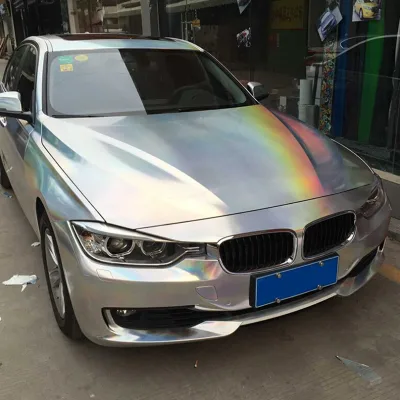


Self Adghesive Vinyl Vehicle Wrap, Vehicle Wrap Printing, Best Vinyl Wrap for Cars
$0.72 - $1.10
MOQ: 3000 Square Meters


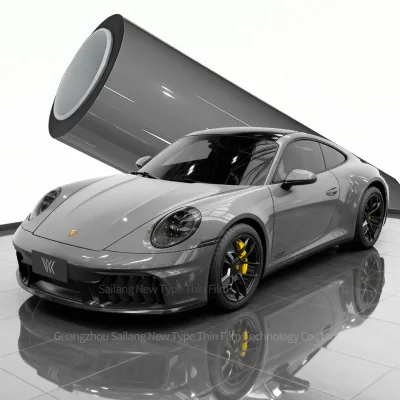
Adhesive Vinyl Eco Solvent Adhesive Car Wrap Vinyl Transparent Self Adhesive Vinyl Roll
$0.50 - $0.90
MOQ: 5000 Square Meters




Comprehensive Sourcing Guide
Sourcing Guide for Eco-Solvent Vehicle Wrap Materials
Technical Specifications and Material Composition
When sourcing eco-solvent vehicle wrap materials, the primary focus must be on the underlying film structure and its compatibility with digital printing processes. The core material for these applications is Polyvinyl Chloride (PVC), which serves as the substrate for the adhesive and ink layers. Buyers should verify that the film thickness falls within the observed range of 60 to 160 microns, with 80 and 120 microns being common specifications for general vehicle applications. Thinner films, such as 60 or 70 microns, offer higher conformability for complex curves, while thicker options like 120 or 160 microns provide enhanced durability and scratch resistance for long-term outdoor exposure.
The adhesive system is equally critical. The supply chain data indicates a variety of adhesive types, including permanent and removable options, with specific formulations described as solvent-based removable acrylic. The tack level can range from high to low, allowing buyers to select materials based on the intended service life of the wrap. For vehicle applications, the adhesive color is typically available in clear, grey, black, or white, which can influence the visual appearance of the printed graphic, particularly on lighter-colored vehicles. The release paper, or liner, supporting the adhesive usually comes in weights of 100, 120, or 140 GSM silicon paper, ensuring smooth application without tearing or residue.
Surface finish is another key technical differentiator. The market offers matte, glossy, and high-glossy finishes, each affecting the final aesthetic and light reflection properties of the vehicle wrap. Additionally, some specialized variants may feature textured surfaces or specific properties like color-changing capabilities and anti-scratch functions. The ink compatibility is a vital technical constraint; the material must support eco-solvent inks, alongside other types such as solvent, latex, UV, pigment, and dye. This flexibility ensures that the wrap can be printed using various digital printing technologies without compromising adhesion or color vibrancy.
Compliance, Certification, and Performance Standards
In the absence of specific supplier-provided certification documents, buyers must approach compliance verification with a rigorous, evidence-based mindset. While the source data does not list specific third-party certifications like ISO or UL, it does reference a standard length of 50 to 100 meters and specific width configurations. Buyers should request documentation confirming that the PVC film meets international standards for outdoor durability, particularly regarding UV resistance and weatherability. The observed warranty period of 2 to 3 years suggests a baseline expectation for performance, but this should be treated as a supplier claim requiring validation through independent testing or verified case studies.
Performance claims such as "waterproof" and "no glue left" after removal are common in this category. However, these attributes should be verified through practical testing rather than accepted solely based on product descriptions. For vehicle wraps, the conformability of the film is a critical compliance metric for installation success. The data notes excellent conformability to flat, simple, and moderate compound curves, which is essential for wrapping complex vehicle body panels without excessive stretching or bubbling. Buyers should verify that the material does not change color during the stretching process, a feature highlighted in the product advantages, to ensure the integrity of the graphic design.
Standardization of dimensions is another area requiring attention. The observed standard widths include 0.914m, 1.07m, 1.27m, 1.37m, and 1.52m (equivalent to 36", 42", 50", 54", and 60"). The standard length is typically 50 meters, though some variations exist. When evaluating a supplier, buyers must confirm that the roll dimensions match these standard specifications to ensure compatibility with existing printing and cutting equipment. Any deviation from these standard widths or lengths could result in material waste or the need for specialized machinery, impacting the overall procurement efficiency.
Cost Drivers and Pricing Dynamics
The pricing for eco-solvent vehicle wrap materials is influenced by a complex interplay of factors, including material thickness, adhesive technology, and surface finish. The observed price range in the market spans from $0.15 to $450, a variance that reflects the difference between basic vinyl sheets and premium, multi-year warranty films. The cost is not linear; a jump from 80-micron to 120-micron film may result in a disproportionate increase in price due to the higher material density and enhanced durability. Similarly, specialized features such as color-changing properties or anti-scratch coatings will command a premium over standard matte or glossy finishes.
Minimum Order Quantity (MOQ) is a significant driver of unit cost. The observed MOQ range is vast, extending from 1 roll to 5000 units. For small-scale operations or prototyping, an MOQ of 1 roll allows for low-risk testing, though the per-unit cost will be higher. Conversely, large fleet operators or high-volume printing shops can leverage bulk purchasing to reduce the cost per square meter. The supplier type, identified as a direct factory, suggests that buyers may have the opportunity to negotiate better pricing by cutting out intermediaries, provided they can meet the volume requirements.
Packaging and logistics also contribute to the total cost of ownership. The product is typically shipped in carton packaging, which must be robust enough to prevent damage during transit. The origin of the product, noted as Shanghai, implies specific shipping routes and potential tariffs that buyers must factor into their budget. Additionally, the availability of samples, such as A4 pieces or 2-5 meter sample rolls, allows buyers to assess quality before committing to a large order, though these samples may carry a separate cost or require a minimum purchase value.
Typical Applications and Usage Scenarios
Eco-solvent vehicle wraps are versatile materials designed for a wide array of applications beyond simple vehicle decoration. The primary use case is vehicle decals, where the material is applied to cars, trucks, buses, and commercial fleets to create branding or advertising messages. The high adhesiveness and flexibility of the PVC film make it suitable for covering complex curves and edges without lifting or bubbling. The material is also extensively used for safety signage, where the durability and weather resistance are critical for maintaining visibility in outdoor environments.
Product labeling and outdoor advertising represent other significant application areas. The ability to print high-resolution graphics using eco-solvent inks allows for detailed branding on product packaging or large-format outdoor billboards. Decorative stickers are another common use, where the aesthetic appeal of the surface finish, such as high-gloss or matte, plays a crucial role. The material's compatibility with various ink types, including UV and latex, expands its utility to include indoor signage and short-term promotional displays.
The "Custom Sticker" attribute highlights the material's adaptability for bespoke applications. Whether for personal vehicle customization or specialized industrial labeling, the ability to customize color, size, and finish allows buyers to meet specific client requirements. The "Dry Stick" application method indicates that the material is designed for direct application without the need for wet installation techniques, streamlining the workflow for installers. This feature is particularly valuable in time-sensitive projects where quick turnaround is essential.
Supplier Evaluation and Sourcing Strategy
Evaluating suppliers for eco-solvent vehicle wraps requires a focus on their operational capabilities and product consistency. The data identifies the supplier type as a "Direct Factory," which is a positive indicator for supply chain transparency and cost efficiency. Buyers should verify the factory's location, with Shanghai being a noted origin, to assess logistics feasibility and potential lead times. A direct factory relationship often implies better control over quality control processes and the ability to offer customization services, such as specific roll widths or adhesive types.
When assessing a potential supplier, buyers should examine their product range and technical specifications. The availability of multiple film types, including monomeric, polymeric, and cast PVC, indicates a supplier's ability to cater to different market segments. The presence of various adhesive options, such as high tack or low tack, and different release paper weights suggests a mature production line capable of handling diverse requirements. Buyers should also look for evidence of consistent quality in the product models, such as the OV1101 or OV3085, which may serve as reference points for standard offerings.
Sample requests are a critical step in the supplier evaluation process. The ability to obtain A4 pieces or 2-5 meter sample rolls allows buyers to test the material's printability, adhesion, and durability firsthand. This practical testing phase helps validate the supplier's claims regarding features like "easy to stretch" and "no glue left." Buyers should also inquire about the supplier's capacity to handle custom orders, as the data confirms that customization is available. This flexibility is essential for buyers with unique project requirements that deviate from standard specifications.
Quality Control and Long-Term Procurement Considerations
Maintaining consistent quality in eco-solvent vehicle wrap procurement requires a robust quality control framework. Buyers should establish clear acceptance criteria based on the observed specifications, such as film thickness, adhesive strength, and surface finish. Regular sampling and testing of incoming materials can help identify any deviations from the standard. The "High Flexibility" and "High Adhesiveness" attributes should be verified through physical testing to ensure they meet the demands of the intended application. Additionally, the "Waterproof" feature must be validated to prevent issues related to moisture ingress, which can compromise the adhesive bond over time.
Long-term procurement considerations involve building a sustainable relationship with reliable suppliers. The observed warranty period of 2 to 3 years suggests that buyers should prioritize suppliers who stand behind their products with clear warranty terms. However, buyers must understand that warranties are often conditional on proper installation and environmental factors. Therefore, it is crucial to work with suppliers who provide technical support and installation guidelines to ensure the longevity of the wrap.
Inventory management is another key aspect of long-term procurement. The wide range of MOQs, from 1 roll to 5000, allows buyers to balance inventory costs with supply chain flexibility. For high-volume users, maintaining a stock of standard widths and thicknesses can reduce lead times and ensure continuity of supply. For smaller operations, the ability to order in small quantities minimizes the risk of obsolescence and allows for more agile responses to market changes.
Comparison of Key Product Attributes
To facilitate decision-making, the following table summarizes the key attributes observed in the eco-solvent vehicle wrap market. This comparison highlights the variability in specifications and helps buyers identify the most suitable options for their specific needs.
| Attribute Category | Observed Options | Key Considerations for Buyers |
|---|---|---|
| Film Thickness | 60, 70, 80, 100, 120, 160 microns | Thicker films offer durability; thinner films offer conformability. |
| Adhesive Type | Permanent / Removable | Select based on intended service life and removal requirements. |
| Surface Finish | Matte, Glossy, High Glossy, Textured | Affects visual appearance and light reflection properties. |
| Ink Support | Solvent, Eco Solvent, Latex, UV, Pigment & Dye | Ensure compatibility with existing printing equipment. |
| Release Paper | 100, 120, 140 GSM Silicon Paper | Heavier paper offers better stability during application. |
| Standard Widths | 0.914m to 1.52m (36" to 60") | Match with printing and cutting machine capabilities. |
| Standard Length | 50m, 100m | Consider storage space and project volume requirements. |
| Application Surface | Textured, Smooth, Plastic, Metal, Glass | Verify suitability for the specific substrate being wrapped. |
| Warranty | 2-3 Years | Verify conditions and exclusions in the warranty terms. |
| Customization | Available | Confirm lead times and minimums for custom orders. |
This table serves as a reference point for buyers to compare different product offerings and make informed decisions based on their specific project requirements. By carefully evaluating these attributes, buyers can ensure they select materials that meet both technical and commercial criteria, ultimately leading to successful procurement outcomes.
FAQs
What film thickness options are available for Eco Solvent Vehicle Wrap?
Film thickness ranges from 60 to 160 microns, with 80 and 120 microns being common specifications. Thinner films offer higher conformability for complex curves, while thicker options provide enhanced durability for long-term outdoor exposure.
Which adhesive types can be selected for Eco Solvent Vehicle Wrap applications?
Buyers can choose between permanent or removable adhesive types with high or low tack levels. Specific formulations include solvent-based removable acrylic, with adhesive colors available in clear, grey, black, or white.
How wide are the standard rolls for Eco Solvent Vehicle Wrap materials?
Standard widths include 0.914, 1.07, 1.27, 1.37, and 1.52 meters. These dimensions ensure compatibility with existing printing and cutting equipment used in the industry for various vehicle wrap projects.
Can Eco Solvent Vehicle Wrap materials be customized for specific projects?
Yes, customization is available for color, size, and surface finish. Buyers can request specific roll widths or adhesive types to meet unique project requirements that deviate from standard specifications.
What warranty period is typically offered for Eco Solvent Vehicle Wrap films?
The observed warranty period ranges from 2 to 3 years. This baseline expectation for performance should be validated through independent testing or verified case studies before final procurement decisions.
Which surface finishes are available for Eco Solvent Vehicle Wrap products?
Available finishes include matte, glossy, and high-glossy options. Some specialized variants may also feature textured surfaces or specific properties like color-changing capabilities and anti-scratch functions.
What is the minimum order quantity for Eco Solvent Vehicle Wrap materials?
The minimum order quantity ranges from 1 roll to 5000 units depending on the supplier. Small-scale operations can test with 1 roll, while large fleet operators can leverage bulk purchasing to reduce costs.