Source ecofriendly dust-proof plastic flower bags for nurseries, florists, and garden decor
Find 30 listings for ecofriendly dust-proof plastic flower bags suitable for nurseries, florists, and garden decoration. Buyers can compare specifications like thickness, material structure, and sealing methods across these options.
Key considerations
Products List




Comprehensive Sourcing Guide
Strategic Sourcing Guide for Ecofriendly Dust-Proof Plastic Flower Bags
Understanding Material Composition and Structural Integrity
When sourcing ecofriendly dust-proof plastic flower bags, the primary technical focus must be on the polymer matrix and its physical properties. The market offers a variety of plastic types, with Polypropylene (PP) being a dominant material structure observed in high-volume listings. Specifically, the product attributes indicate that PP is frequently utilized for its balance of durability and cost-effectiveness. Buyers should verify whether the supplier utilizes pure PP or a blend involving Polyvinyl Chloride (PVC) or Polystyrene (PS), as the material structure significantly impacts the bag's transparency, flexibility, and recyclability.
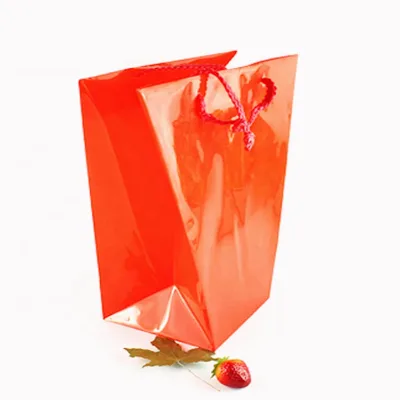
The thickness of the bag is a critical specification that directly correlates to its dust-proof capabilities and structural strength. Observed data suggests a wide range of thicknesses available in the market, spanning from 0.15 mm up to 0.8 mm, with specific high-performance variants reaching 1.18 mil. For applications requiring robust dust protection and resistance to tearing during transport, a thickness within the 0.5 mm to 0.8 mm range is generally preferred. Thinner gauges, such as 0.15 mm, may be suitable for lightweight nursery applications but could compromise the "dust-proof" claim if the material is prone to micro-tearing. The shape of the bag is another structural variable; while square bottom bags offer superior stability for holding soil and plants, other designs may be flat or rectangular. Buyers must ensure the selected shape aligns with the specific handling requirements of their supply chain, whether for hanging display or flat stacking.
Technical Specifications and Customization Parameters
The technical specifications of these bags extend beyond mere dimensions to include surface treatments and sealing mechanisms. The standard dimensions observed in the market vary significantly, with some units measuring 7718 cm, while others are sized at 15*25 cm or fully customizable. This variability indicates that a "one-size-fits-all" approach is rarely viable for professional florists or nurseries. Customization is a key attribute, allowing buyers to specify exact sizes to minimize material waste and optimize shipping volume. The single package size for shipping often ranges from 15x15x1 cm to 20x25x2 cm, which influences logistics planning and warehousing efficiency.
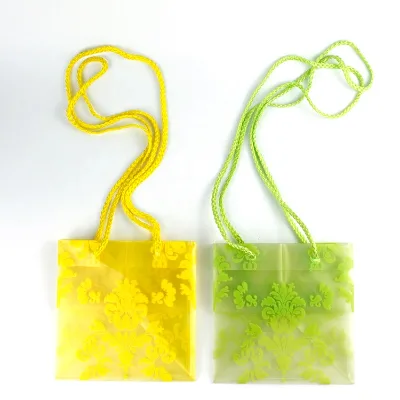
Sealing and handle mechanisms are equally important for the functional integrity of the bag. Cotton rope handles are a common feature, providing a natural aesthetic that complements the "eco-friendly" positioning while offering a secure grip. Alternative options include hand-length handles, which may be more suitable for heavy loads. The surface handling of the bag is another technical consideration; options such as silk screen printing and offset printing are available for branding. However, the presence of printing does not inherently guarantee the bag's eco-friendly status. Buyers must verify that the inks used in the printing process are water-based or soy-based to maintain the environmental integrity of the product. The transparency of the bag, often described as "transparent" or "PP transparent," allows for the visual inspection of the contents, which is a critical feature for retail display in garden and nursery settings.
Compliance, Certification, and Environmental Claims
The term "ecofriendly" in the context of plastic flower bags requires rigorous verification, as it is often used as a marketing descriptor rather than a certified standard. While some product attributes list "Recyclable" and "Ecofriendly" as features, these claims must be substantiated by third-party documentation. Buyers should not rely solely on the supplier's self-declaration. The supply chain for these bags is primarily located in Zhejiang, China, a region known for high manufacturing output but also for varying levels of regulatory enforcement.
Certifications such as BSCI (Business Social Compliance Initiative) and FSC (Forest Stewardship Council) are sometimes mentioned in the broader context of sustainable sourcing, though their direct applicability to plastic bags may be limited compared to paper products. ISO 9001:2015 is a quality management standard that ensures consistent manufacturing processes, which indirectly supports product reliability but does not certify environmental impact. When evaluating suppliers, buyers should request specific documentation regarding the recyclability of the PP material. Does the bag meet local recycling codes? Is it made from post-consumer recycled (PCR) content? Without concrete data on the percentage of recycled content or specific biodegradability test results, the "ecofriendly" label remains an observation rather than a verified fact. Buyers must treat these claims as hypotheses to be tested through supplier audits and material safety data sheets (MSDS).
Cost Drivers and Economic Considerations
The cost of sourcing ecofriendly dust-proof plastic flower bags is influenced by several dynamic factors, primarily material costs, customization complexity, and order volume. The observed price range in the market is quite broad, spanning from $0.01 to $2.50 USD per unit. This wide disparity suggests that the final price is heavily dependent on the specific thickness, size, and printing requirements. Thicker bags with custom colors and complex offset printing will naturally command a higher price point compared to standard transparent, thin-gauge bags with simple silk screen logos.
Minimum Order Quantity (MOQ) is another significant cost driver. The market data indicates an MOQ range from 30 units to 40,000 units. Suppliers offering low MOQs, such as 30 units, are typically catering to small businesses or those testing new product lines, but this often comes with a higher unit cost. Conversely, larger orders leverage economies of scale to reduce the per-unit price. The "Low MOQ" attribute is a selling point for flexibility, but buyers should be aware that smaller orders may incur higher setup fees for printing plates or mold adjustments. Additionally, the single gross weight of the product, ranging from 0.003 kg to 0.030 kg, affects shipping costs. For international procurement, the weight-to-volume ratio is crucial; bags that are not compressed efficiently can lead to inflated freight charges. Buyers should calculate the total landed cost, including freight and duties, rather than focusing solely on the ex-works price.
Typical Applications and Industrial Use Cases
The versatility of these plastic flower bags makes them suitable for a diverse range of industrial and commercial applications. The primary use case is in the agriculture and nursery sectors, where the bags serve as protective coverings for plants during transport and storage. The "dust-proof" attribute is particularly valuable in these environments, where soil particles and airborne contaminants can damage delicate foliage or contaminate the root systems. The bags are also utilized for "flower carrying," suggesting a role in logistics and distribution channels where flowers are moved from growers to retailers.
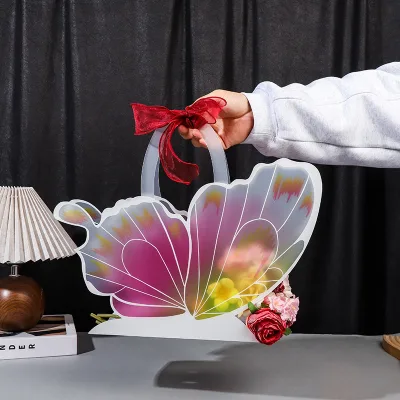
Beyond agriculture, these bags find application in garden decoration and home indoor decor. The aesthetic appeal of transparent bags with cotton rope handles allows them to function as part of the product presentation, enhancing the "boutique gift" experience. In this context, the bag is not just a container but a branding tool. The "Gift" industrial use category highlights their role in retail packaging for floral arrangements, where the visual clarity and structural integrity are essential for customer satisfaction. Furthermore, the "florist" attribute indicates that these bags are designed to meet the specific needs of professional florists who require durable, clean, and attractive packaging for their services. The ability to customize the bag with specific branding or colors allows florists to create a cohesive brand identity across their product lines.
Supplier Evaluation and Quality Control Protocols
Selecting the right supplier requires a systematic evaluation of their capabilities and quality control measures. Given the location of the primary manufacturing hub in Zhejiang, China, buyers should prioritize suppliers with a proven track record in exporting plastic packaging. The evaluation process should begin with a review of the supplier's production capacity and their ability to meet the specific customization requirements, such as size, thickness, and printing style. The "Custom Order" attribute being "Accept" indicates flexibility, but buyers must confirm the lead times associated with custom runs.
Quality control is paramount, especially when dealing with claims of "dust-proof" and "ecofriendly" performance. Buyers should implement a rigorous inspection protocol that includes checking the thickness uniformity, the integrity of the seals, and the clarity of the printing. The observed thickness range of 0.15-0.3 mm to 0.5 mm suggests that consistency is key; variations within a single batch can lead to product failure. Visual inspection for defects such as pinholes, uneven printing, or weak handles should be conducted on a statistical sampling basis. Additionally, buyers should request samples to test the bag's performance in real-world conditions, such as its ability to resist tearing under load and its effectiveness in keeping dust out. The "Feature" attribute of being "Waterproof" is another critical quality metric that must be verified through testing, as water resistance is often a prerequisite for dust-proofing in humid environments.
Long-Term Procurement and Sustainability Strategy
For buyers aiming to build a sustainable supply chain, the long-term procurement strategy must extend beyond immediate cost and quality considerations. The trend toward "ecofriendly" products suggests a future where regulatory pressures and consumer preferences will increasingly favor materials with lower environmental footprints. While the current market offers PP bags with "Recyclable" attributes, buyers should plan for the evolution of these materials. This may involve transitioning to bags with higher percentages of recycled content or exploring alternative biodegradable polymers as they become more commercially viable.
Building a long-term relationship with suppliers who demonstrate a commitment to sustainability is essential. This involves regular communication about environmental goals and joint efforts to improve the product lifecycle. Buyers should also consider the end-of-life scenario for the bags. Even if a bag is recyclable, the actual recycling rate depends on local infrastructure. Therefore, procurement strategies should include educating customers on proper disposal and recycling methods. The "Industrial Use" in agriculture and the "Application" in nurseries mean that the bags are often used in outdoor environments, where they may be exposed to UV radiation and weathering. Long-term durability is a factor that reduces the frequency of replacement, thereby lowering the overall environmental impact. By focusing on high-quality, durable, and recyclable products, buyers can align their procurement practices with broader corporate sustainability goals while ensuring the reliability of their floral supply chain.
FAQs
What material is used for ecofriendly dust-proof plastic flower bags?
The bags are primarily made from Polypropylene (PP), though some listings include PP/PVC/PS blends. This material structure ensures durability and transparency while allowing for customization in thickness ranging from 0.15 mm to 0.8 mm.
How can I customize the size and thickness of these bags?
Customization is available for both size and thickness, with options ranging from 7x7x18 cm to fully customizable dimensions. Buyers can specify thickness between 0.15 mm and 0.8 mm to meet specific dust-proof and structural requirements.
Which printing methods are available for branding on these bags?
Silk screen printing and offset printing are the standard methods used for branding on these bags. These techniques allow for color customization and logo application while maintaining the bag's transparency and waterproof features.
Can these bags be used for industrial agriculture and nursery applications?
Yes, these bags are designed for industrial use in agriculture and nursery gardens. They serve as protective covers for plants, offering dust-proof capabilities and structural integrity suitable for transporting flowers and garden decorations.
What is the minimum order quantity for sourcing these bags?
The minimum order quantity ranges from 30 units to 40,000 units depending on the supplier and customization level. Lower MOQs are available for testing new product lines, while larger orders leverage economies of scale.
Where are the manufacturers of these bags located?
The primary manufacturing hub for these bags is located in Zhejiang, China. This region is known for high-volume production of plastic packaging, offering a wide range of suppliers for various customization needs.
How thick should the bags be for optimal dust-proof performance?
For optimal dust-proof performance, a thickness between 0.5 mm and 0.8 mm is generally preferred. Thinner gauges like 0.15 mm may suffice for lightweight nursery applications but could compromise structural strength.
Are these bags considered recyclable and eco-friendly?
Many listings describe the bags as recyclable and eco-friendly, often citing PP material which is recyclable. However, buyers should verify specific environmental claims and request documentation regarding recycled content or biodegradability.