Source Ecofriendly Recyclable Clothes Bags for Shopping, Retail, and Packaging
Find and compare 30 Ecofriendly Recyclable Clothes Bag options from verified Chinese manufacturers. Evaluate customizable materials like Pbat+PLA, paper, and fabric, along with varying sizes, logo printing, and MOQs to find the best fit for your brand.
Key considerations
Products List


Environmentally Friendly Biodegradable Plastic Handbags Eco Friendly Bag
$0.01 - $0.06
MOQ: 50000 Pieces


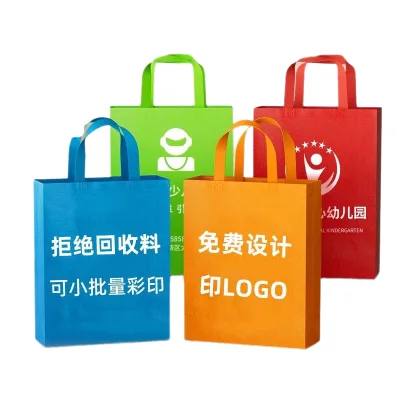
Comprehensive Sourcing Guide
Ecofriendly Recyclable Clothes Bag Sourcing Guide
Sourcing eco-friendly recyclable clothes bags requires a nuanced understanding of material science, supply chain transparency, and commercial terms. The market for sustainable packaging has evolved beyond simple biodegradability claims to include rigorous standards for compostability, recycled content, and end-of-life recyclability. Buyers must navigate a complex landscape where "eco-friendly" can refer to various material compositions, from plant-based polymers to certified paper products. This guide provides a structured approach to evaluating suppliers, verifying technical specifications, and ensuring that procurement decisions align with both environmental goals and operational requirements. By focusing on evidence-based verification and clear commercial terms, buyers can mitigate risks associated with greenwashing and supply chain disruptions.
The following sections detail the critical steps for sourcing these products, from initial product scope analysis to long-term supplier management. Each section is designed to help procurement professionals make informed decisions by highlighting key verification points, potential pitfalls, and best practices. The guidance is grounded in observed market signals and trusted category knowledge, ensuring that recommendations are practical and actionable. Whether sourcing for apparel brands, retail chains, or promotional campaigns, this guide offers a comprehensive framework for securing high-quality, sustainable packaging solutions that meet specific business needs.
Product Scope and Observed Listing Signals
The current market for eco-friendly recyclable clothes bags exhibits a wide range of material compositions and customization options, reflecting diverse buyer needs. Observed listings indicate that materials often include blends such as Pbat+PLA or Pbat+PLA+Starch, which are designed to offer biodegradable properties while maintaining durability. Additionally, paper-based options, including kraft paper bags, are available for buyers seeking traditional recyclable materials. These materials are frequently customized in terms of size, color, and printing, allowing brands to align packaging with their specific aesthetic and functional requirements. The availability of customized sizes and colors suggests that suppliers are equipped to handle bespoke orders, which is crucial for brands looking to maintain consistent visual identity across their product lines.
Listing signals also reveal significant variability in pricing, minimum order quantities (MOQ), and production lead times. Prices can range from very low to high values, depending on material complexity, order volume, and customization level. MOQs vary widely, from small orders of a few hundred pieces to large-scale productions requiring tens of thousands of units. This flexibility allows buyers of all sizes to find suitable suppliers, but it also necessitates careful evaluation of cost structures and production capabilities. Furthermore, the presence of specific model numbers and standard dimensions in listings indicates that some suppliers offer standardized products alongside custom options, providing buyers with a baseline for comparison and quality assessment.
Technical Specifications to Verify
Verifying technical specifications is essential to ensure that the selected bags meet functional and environmental requirements. Buyers should confirm the exact material composition, as terms like "eco-friendly" can be ambiguous. For instance, bags made from Pbat+PLA blends may require specific industrial composting conditions to break down, whereas paper bags offer straightforward recyclability. It is crucial to verify the hardness, thickness, and tensile strength of the materials, especially for clothes bags that need to support significant weight. Specifications such as "Medium Soft" hardness or specific micrometer thicknesses (e.g., 180mic) provide tangible metrics for evaluating durability and user experience.
Customization options, including printing methods and logo application, must also be clearly defined. Buyers should verify whether the supplier offers logo printing with eco-friendly inks and how this impacts the recyclability or compostability of the final product. Additionally, the type of handle, if applicable, should be assessed for strength and comfort. Standard dimensions and model numbers, such as "30*20 + 8" or specific model codes like "ZH0752," serve as reference points for consistency. Buyers should request detailed technical datasheets that outline these specifications to ensure that the products align with their quality standards and usage scenarios, whether for shopping, promotion, or household use.
Compliance and Safety Documentation
Compliance with international standards and certifications is a critical factor in sourcing eco-friendly packaging. Buyers should verify that suppliers hold relevant certifications, such as ISO9001 for quality management, which indicates a structured approach to production consistency. Additionally, certifications like SGS and TUV provide independent verification of product safety and performance, offering assurance that the materials meet regulatory requirements in target markets. While some listings mention FSC or BSCI certifications, buyers should treat these as potential attributes to be confirmed rather than guaranteed standards, as their presence can vary by supplier and product line.
Documentation should also include evidence of compliance with local and international environmental regulations, such as those governing biodegradable plastics or recycled content. Buyers should request test reports that verify the compostability or recyclability claims made by suppliers. This is particularly important for bags made from polymer blends, where end-of-life management can be complex. Clear documentation helps mitigate legal and reputational risks, ensuring that the packaging supports the brand’s sustainability commitments. Buyers should also inquire about the supplier’s ability to provide updated compliance information as regulations evolve, ensuring long-term adherence to environmental standards.
Cost Drivers and Commercial Terms
Understanding the factors that influence pricing is vital for effective budget management. The cost of eco-friendly clothes bags is driven by material selection, customization level, order volume, and production complexity. Bags made from specialized blends like Pbat+PLA+Starch may incur higher material costs compared to standard paper options. Customization, including unique sizes, colors, and printing requirements, can also increase prices. Buyers should note that pricing is often based on quantity and bag style, meaning that economies of scale play a significant role in determining unit costs. Requesting detailed quotes that break down these components helps in comparing offers accurately.
Commercial terms, including MOQ, lead times, and payment conditions, significantly impact procurement planning. MOQs can range from 3000 pieces to much higher volumes, affecting inventory management and cash flow. Lead times for production typically range from 15 to 40 days, depending on order size and customization. Buyers should also consider shipping options, which can be arranged by express, sea, or air, each with different cost and time implications. Clear communication regarding these terms is essential to avoid delays and unexpected costs. Additionally, buyers should inquire about sample policies, as free stock samples can facilitate initial quality assessment without significant financial commitment.
Supplier Qualification and Quality Control
Supplier qualification involves assessing the manufacturer’s capabilities, reputation, and quality control processes. Buyers should verify the supplier’s origin, with many listings indicating production in China, including specific regions like Shenyang or Fujian. This information can help in evaluating logistics costs and supply chain resilience. It is also important to check the supplier’s experience in producing eco-friendly packaging, as specialized knowledge can impact product quality and compliance. Suppliers that accept small orders and offer OEM services demonstrate flexibility, which can be beneficial for testing new products or managing variable demand.
Quality control measures should be rigorously evaluated to ensure consistent product quality. Buyers should inquire about the supplier’s inspection processes, including in-line checks and final random inspections. Certifications like ISO9001 suggest a formalized quality management system, but buyers should also request evidence of regular audits and corrective action procedures. Additionally, suppliers should provide clear guidelines for handling defects and returns. Establishing a strong relationship with the supplier through regular communication and performance reviews can help maintain quality standards over time. Buyers should also consider the supplier’s ability to scale production to meet increasing demand without compromising quality.
Long-Term Procurement Checks
Long-term procurement success depends on continuous monitoring and adaptation to market changes. Buyers should regularly review supplier performance metrics, including on-time delivery rates, product quality, and responsiveness to issues. This ongoing evaluation helps identify potential risks and opportunities for improvement. Additionally, staying informed about advancements in sustainable materials and technologies can provide competitive advantages. Buyers should engage with suppliers to explore new product innovations that align with evolving environmental standards and consumer preferences.
Building a resilient supply chain involves diversifying suppliers and maintaining open communication channels. Buyers should avoid over-reliance on a single source, especially for critical packaging needs. Regular audits and site visits, where feasible, can provide deeper insights into production practices and compliance. Furthermore, buyers should establish clear contractual agreements that outline expectations for quality, delivery, and sustainability performance. By proactively managing these relationships and staying adaptable, buyers can ensure a steady supply of high-quality, eco-friendly clothes bags that support their brand’s long-term sustainability goals.
FAQs
Can I customize the size and color of the Ecofriendly Recyclable Clothes Bag?
Yes, you can customize the size and color to meet your specific requirements. The product supports customized dimensions and allows for any color selection based on your design needs.
What materials are used to make these ecofriendly recyclable clothes bags?
These bags are primarily made from Paper, Kraft Paper, or Fabric materials. Some variants also utilize a blend of Pbat, PLA, and Starch to ensure they remain eco-friendly and recyclable.
Which certifications do the manufacturers hold for these products?
Manufacturers hold ISO9001 certification for quality management. Additionally, some suppliers provide SGS and TUV certifications to verify product safety and compliance with international standards.
How long is the lead time for production of these bags?
The production lead time typically ranges from 15 to 40 days depending on order volume. This duration covers the entire manufacturing process from material preparation to final packaging.
What is the minimum order quantity for these ecofriendly recyclable clothes bags?
The minimum order quantity varies by supplier but can be as low as 3000 pieces or 500 pieces. Some vendors accept small orders, while others may require up to 50000 units.
Can I request logo printing on these bags?
Yes, logo printing is available as required by the buyer. The product supports custom printing services to help with branding for shopping, promotion, or gift purposes.
Where are these products manufactured and shipped from?
Products originate from various locations in China, including Shenyang and Fujian. Shipping options include express, sea vessel, and air freight to accommodate different delivery needs.