Source Edible Halloween Candy Sprinkles for Cakes, Cupcakes, and Desserts
Source Edible Halloween Candy Sprinkles from 30 verified suppliers. Compare customization options, certifications like BRC and FDA, and packaging details for cake decoration, cupcake topping, and general dessert applications; compare the available evidence and request quotations based on your requirements.
Key considerations
Products List


Fruity Soft Candy Colorful Sweets Halloween Party Trick or Treat for Children Candy
$0.07 - $0.15
MOQ: 500 Pieces


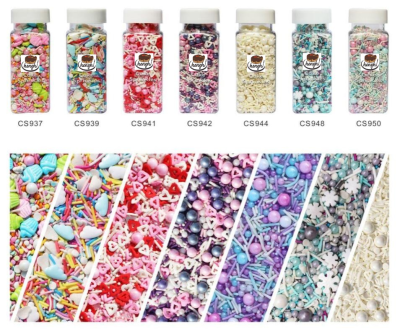


Comprehensive Sourcing Guide
Edible Halloween Candy Sprinkles Sourcing Guide
Buyers evaluating Edible Halloween Candy Sprinkles must first distinguish between solid decorative forms and functional ingredients, as the market offers distinct product types ranging from polished pearlized finishes to natural color variants. The observed listings indicate a primary focus on cake decoration and dessert applications, with specific attributes like odorless profiles and clean, sweet flavors tailored for seasonal confectionery needs. Procurement teams should verify whether the supplier provides customization for shapes and colors, as this flexibility is critical for aligning with specific Halloween themes and brand identities.
Commercial viability often hinges on the packaging format and storage requirements, which vary significantly between frozen, normal, and cool-dry storage methods depending on the ingredient composition. While some listings suggest a shelf life exceeding twelve months, others specify eighteen months, necessitating a clear review of the intended storage environment before finalizing orders. Buyers must also confirm the packaging material, typically plastic bottles or cartons, to ensure the product remains intact during transit and maintains its aesthetic polish until the point of use.
Product Scope and Observed Listing Signals
The current market signals for edible Halloween sprinkles reveal a diverse range of specifications, including artificial and natural color options that cater to different dietary preferences and visual requirements. Listings frequently highlight a solid form with polished or pearlized surfaces, designed specifically for use on cakes, cupcakes, ice cream, and bread. Procurement teams should note that while some products are marketed as eco-friendly, others emphasize specific ingredient exclusions such as no gelatine or no soybean, which are vital for allergen management in large-scale production.
Price observations in the current listings span a wide range from $0.07 to $30, reflecting differences in material quality, certification levels, and order volumes. Minimum order quantities (MOQ) are equally variable, ranging from single units to 1000 units, with specific bulk thresholds like 60kg or 25kg bags often cited for industrial buyers. Buyers must carefully cross-reference these signals with their own volume needs, as the availability of free samples and OEM support can significantly influence the decision-making process for new product development.
Technical Specifications to Verify
Technical due diligence requires a rigorous verification of the product model and physical standards, as observed listings cite specific codes like YSB-123043 and S20221031SN54 alongside dimensional standards such as 20x11x12. Buyers should confirm that the surface finish, described as polished or pearlized, meets the visual consistency required for high-end Halloween decorations, ensuring that the color distribution remains uniform across the batch. It is essential to validate the weight specifications, such as the 0.12kg unit weight, to ensure accurate inventory planning and cost calculation per unit.
Ingredient composition and resource origin are critical technical parameters that define the final product's safety and suitability for specific dietary markets. The observed data indicates resources ranging from chemosynthesis to natural sources, with some products explicitly labeled as food grade or feed grade, requiring clear differentiation based on the intended application. Procurement teams must verify the storage method, whether frozen or normal, and ensure the packaging, such as 3kg bags or 25kg cartons, aligns with the logistical capabilities of the receiving facility to prevent spoilage or quality degradation.
Compliance and Safety Documentation
Safety compliance is paramount when sourcing edible decorations, and buyers must demand evidence of recognized certifications such as BRC, ISO, FDA, and HACCP to ensure the product meets international food safety standards. The presence of these certifications on supplier listings suggests a baseline of quality control, but verification of current validity and scope is necessary to confirm that the specific production lines for Halloween sprinkles are covered. Without these documents, the risk of regulatory non-compliance in the destination market increases significantly, potentially leading to product seizures or brand damage.
Beyond general certifications, specific documentation regarding the absence of allergens like gelatine and soybean must be provided to support claims of dietary suitability for a broader consumer base. Buyers should also review the nutritional value statements and ingredient lists to ensure they align with local labeling laws and consumer expectations for clean, sweet, and odorless products. The shelf life, observed to be between 12 and 18 months, must be clearly documented on the certificate of analysis to guarantee that the product remains safe and effective throughout its intended distribution window.
Cost Drivers and Commercial Terms
Cost structures for edible Halloween sprinkles are heavily influenced by the complexity of customization, including custom shapes and colors, which often command a premium over standard offerings. The observed MOQ of 60kg for certain bulk items suggests that smaller buyers may face higher per-unit costs unless they consolidate orders or utilize suppliers offering lower entry thresholds. Buyers should analyze the trade-off between the price range of $0.07 to $30 and the value added by OEM services, which allow for tailored branding and product differentiation in a competitive seasonal market.
Commercial terms regarding packaging and shipping logistics play a significant role in the total landed cost, as the choice between 3kg bottles and 25kg cartons affects handling efficiency and storage requirements. Suppliers offering free samples can reduce the initial risk of procurement, but buyers must clarify whether these samples are included in the final order volume or billed separately. Additionally, the origin location, specifically Fujian, China, should be factored into lead time calculations and potential tariff implications, ensuring that the supply chain remains resilient against logistical disruptions.
Supplier Qualification and Quality Control
Supplier qualification should extend beyond basic certification checks to include an assessment of their production capacity and ability to maintain consistent quality across large batches. The availability of OEM and custom shape services indicates a supplier's flexibility, but buyers must verify their track record in delivering products that meet specific aesthetic and functional standards for Halloween decorations. Quality control protocols should be reviewed to ensure that the polished surface and color consistency are maintained throughout the production run, minimizing the risk of defective batches.
Quality assurance processes must also address the storage and handling conditions, as the product's shelf life and physical integrity are sensitive to environmental factors. Buyers should request detailed information on the supplier's storage methods, whether frozen or normal, and confirm that their facilities adhere to the required temperature and humidity controls. Regular audits or third-party inspections can provide additional assurance that the supplier's quality control measures are robust enough to prevent contamination or degradation during the extended shelf life of the product.
Long-Term Procurement Checks
Establishing a long-term procurement strategy for edible Halloween sprinkles requires regular monitoring of supplier performance against agreed-upon quality and delivery benchmarks. Buyers should implement a system for tracking batch consistency, particularly regarding color variations and surface finishes, to ensure that the product remains reliable for future seasonal campaigns. Continuous communication with the supplier regarding any changes in raw material sources, such as shifts between natural and artificial colors, is essential to maintain product stability and compliance.
Strategic planning must also account for the evolving regulatory landscape and consumer preferences, which may necessitate adjustments in ingredient composition or packaging materials. Buyers should maintain a flexible relationship with suppliers who support customization and can adapt to new trends, such as eco-friendly packaging or specific allergen-free formulations. By regularly reviewing the supplier's certification status and production capabilities, procurement teams can mitigate risks and ensure a steady supply of high-quality sprinkles for their Halloween product lines.
FAQs
What certifications do the Edible Halloween Candy Sprinkles have?
The sprinkles hold BRC, ISO, FDA, and HACCP certifications. These credentials ensure the product meets international food safety and quality management standards. Buyers can rely on these documented approvals for regulatory compliance in various export markets. The manufacturing process adheres to strict hygiene protocols to maintain these high standards throughout production.
Can I request custom shapes for the sprinkles?
Yes, OEM and custom shape services are supported for these sprinkles. The supplier offers customization options to meet specific branding or design requirements. This flexibility allows buyers to create unique decorative elements for their confectionery products. Customization is available to enhance the visual appeal of cakes and desserts with tailored designs.
What is the minimum order quantity for these sprinkles?
The minimum order quantity is 60kg for these edible sprinkles. This MOQ applies to standard orders to ensure efficient production and shipping logistics. Buyers should consider this threshold when planning their procurement strategy. The quantity is designed to balance cost-effectiveness with the operational needs of the manufacturing facility.
How should the sprinkles be stored to maintain quality?
Store the sprinkles in a cool and dry place to preserve their quality. Some variants may also be suitable for frozen storage depending on specific product lines. Proper storage prevents moisture absorption and maintains the matte surface finish. Adhering to these conditions ensures the sprinkles remain odorless and retain their clean, sweet flavor profile.
What packaging options are available for bulk orders?
Packaging options include 3kg units and 25kg bags within cartons. The product is also available in plastic bottles for smaller quantities. These varied packaging solutions cater to different distribution needs and storage capacities. The carton dimensions are standardized to optimize shipping space and protect the contents during transit.
Are the sprinkles suitable for vegan diets?
Yes, the sprinkles are formulated without gelatine and soybean ingredients. This makes them suitable for various dietary preferences, including vegan options. The absence of animal-derived components ensures broader applicability in dessert decoration. Buyers seeking plant-based confectionery decorations can confidently use these products for their specific requirements.