Source Edible Oil Storage Tank for Food Beverage and Farms
Find 22 options for the Edible Oil Storage Tank suitable for food and beverage factories, farms, and chemical applications. Buyers can compare specifications, materials, and certifications to select the right storage solution.
Key considerations
Products List


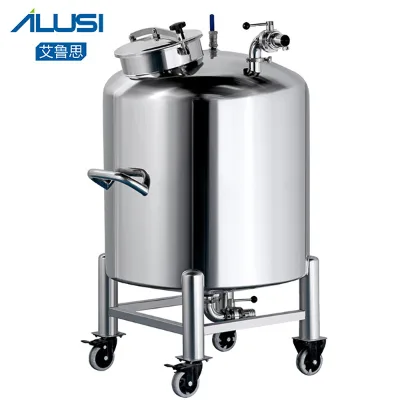
8, 000L 10, 000L Stainless Steel Olive Oil Storage Tank Edible Oil Tank
$4000.00 - $8000.00
MOQ: 1 Pieces

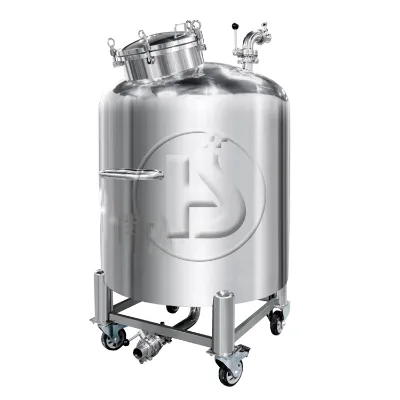
Durable Customized Stainless Steel Edible Oil Storage Tank with Mixer
$6500.00 - $9800.00
MOQ: 1 Pieces


304 Stainless Steel 100 Ton Oil Tank Oil Storage Tank Edible Oil Storage Tank
$1700.00 - $1780.00
MOQ: 1 set


Comprehensive Sourcing Guide
Strategic Sourcing Guide for Edible Oil Storage Tanks
Understanding Technical Specifications and Material Integrity
When sourcing edible oil storage tanks, the primary objective is to secure equipment that maintains product purity while withstanding the specific physical and chemical demands of the storage environment. Based on current market observations, the core material composition for these units is predominantly stainless steel, with specific grades including SS304, SS316L, SUS304, and SUS316L. The selection between these grades is critical; SS304 offers a robust baseline for general storage, while SS316L provides enhanced corrosion resistance, which is often preferred for long-term storage of oils that may contain trace impurities or require higher sanitation standards. The structural integrity of the tank is further defined by its mounting type, which is frequently observed as horizontal, though vertical configurations exist depending on facility layout.
The capacity of these units is highly flexible, with observed specifications ranging from 5,000 to 50,000 liters. This range accommodates both small-scale processing farms and large industrial food and beverage factories. The volume is often customized to fit specific operational needs, meaning buyers must define their exact throughput requirements before engaging with suppliers. Surface finish is another non-negotiable technical parameter; the industry standard for edible oil applications is a mirror polish. This finish prevents oil residue from adhering to the walls, facilitating easier cleaning and reducing the risk of bacterial contamination. The treatment processes applied to the metal surface often include polishing, pickling, and painting, ensuring a smooth, non-reactive interior that preserves the quality of the stored edible oil.
Compliance, Certification, and Regulatory Standards
Navigating the regulatory landscape is essential for any procurement of food-grade storage equipment. Buyers must verify that potential suppliers adhere to recognized international and domestic standards. Observed certifications in the market include ISO 9001, CE, SGS, and GB standards. The presence of ISO 9001 indicates a commitment to quality management systems, while CE certification suggests compliance with European safety and health requirements. It is also common to see references to GMP (Good Manufacturing Practice) standards, which are vital for facilities producing milk, yogurt, cheese, and edible oils.
The term "Sanitary Storage Tank" is frequently used to describe products designed for food applications, implying adherence to strict hygiene protocols. However, buyers should not assume that every listed product automatically meets all cited standards without verification. The certification status should be treated as an observation of the supplier's claims rather than a universal guarantee. For instance, while some listings mention "ISOCE" or "GB, GS, ISO," the specific validity and scope of these certificates must be confirmed with the supplier. Additionally, the production origin is predominantly China (Mainland), with specific hubs noted in Guangzhou and Guangdong. While this location data provides insight into the supply chain, it does not inherently dictate quality; the focus must remain on the tangible certification documents provided for each specific unit.
Cost Drivers and Pricing Dynamics
The pricing structure for edible oil storage tanks is influenced by a complex interplay of material costs, customization levels, and manufacturing complexity. The observed price range in the market spans from 300 to 50,000 USD. This wide variance is not indicative of a single product type but rather reflects the diversity in capacity, material grade, and feature sets. A basic 5,000-liter tank constructed from SS304 will naturally fall on the lower end of this spectrum, whereas a 50,000-liter unit made from SS316L with advanced automation and CIP systems will command a premium price.
Material costs are a primary driver, with the difference between SS304 and SS316L significantly impacting the final quote. Furthermore, the level of customization plays a substantial role. Products labeled as "Customized" or "Custom" often involve additional engineering time and specialized tooling, which increases the unit cost. The inclusion of accessories such as load cells and pumps also adds to the overall price. While some suppliers market their products as "Low Cost" and "Best Quality," buyers should interpret these as marketing observations rather than absolute guarantees of value. The Minimum Order Quantity (MOQ) is typically observed as 1 unit, offering flexibility for buyers who need to replace a single tank or test a new facility without committing to a bulk order.
Typical Applications and Operational Versatility
Edible oil storage tanks are designed for a broad spectrum of applications within the food and beverage industry. The primary use cases include storage for edible oils, but the versatility of these units extends to other dairy and liquid products. Observed applications cover milk, yogurt, milk powder, and cheese production, indicating that the tanks are often multi-purpose assets within a processing plant. The "Applicable" categories listed for these products include Food & Beverage Factories and Farms, suggesting that the equipment is robust enough for both industrial and agricultural settings.
The storage objects supported by these tanks are diverse, encompassing gas, liquid, and solid materials, though the primary design focus remains on liquid storage. The inclusion of a CIP (Clean-in-Place) system is a significant feature for facilities that require frequent sanitation without disassembly. This system is particularly valuable for maintaining the hygiene standards required for edible oil and dairy products. The tanks are also described as having an "Easy to Clean" design, which aligns with the sanitary requirements of the food industry. Whether the tank is positioned underground or mounted horizontally, the fundamental goal is to provide a secure, contamination-free environment for the storage of high-value food products.
Supplier Evaluation and Manufacturing Capabilities
Evaluating a supplier requires a deep dive into their manufacturing capabilities and customization offerings. The market data indicates that customization is a standard feature, with options available for voltage (220V), packing (steel pallet, saddle, wooden box, or nude package), and product models (OST, ZT). The ability to customize the standard, such as adhering to specific GMP or ISO requirements, is a key differentiator among suppliers. Buyers should prioritize suppliers who demonstrate flexibility in adapting the tank's specifications to their unique operational constraints.
The condition of the products is consistently listed as "New," which is a baseline expectation for procurement. However, the "Automatic Grade" of the equipment is another critical factor. While some tanks are described as automatic, implying integration with automated filling or monitoring systems, others may require manual operation. The power source is typically electric, which must be compatible with the buyer's facility infrastructure. When evaluating suppliers, buyers should request detailed technical drawings and process flow diagrams to ensure that the proposed tank can be seamlessly integrated into existing production lines. The origin of the product, often from Guangzhou or Guangdong, suggests a mature manufacturing ecosystem, but the specific factory's track record and quality control processes should be verified independently.
Quality Control and Long-Term Procurement Considerations
Ensuring long-term reliability involves rigorous quality control measures and a clear understanding of the maintenance requirements. The surface treatment processes, including polishing, pickling, and painting, are essential for preventing corrosion and ensuring a long service life. Buyers should verify that the mirror polish is applied consistently throughout the interior of the tank to prevent any crevices where oil could stagnate. The packaging methods, ranging from wooden cases to steel pallets, also play a role in protecting the tank during transit, especially for large units that may be prone to damage.
For long-term procurement, the availability of spare parts and the ease of maintenance are paramount. The inclusion of accessories like load cells and pumps suggests that the system is designed for active monitoring and control. Buyers should inquire about the warranty terms and the supplier's support structure for troubleshooting and repairs. The "Under Ground" positioning option mentioned in some specifications requires careful consideration of site preparation and drainage systems. Finally, the "Food Grade" designation must be backed by material certificates and test reports to ensure that the stainless steel used is indeed suitable for direct contact with edible oils. By focusing on these quality control aspects, buyers can secure storage solutions that meet both immediate operational needs and long-term strategic goals.
Comparative Analysis of Tank Configurations
To assist in decision-making, the following table summarizes the key variations observed in the market for edible oil storage tanks. This comparison highlights the differences in material, capacity, and certification that buyers should consider when selecting a supplier.
| Feature Category | Observation A | Observation B | Observation C |
|---|---|---|---|
| Material Grade | SS304 / SUS304 | SS316L / SUS316L | Metal (General) |
| Capacity Range | 5,000 to 50,000 Liters | Customized Volume | Custom Size |
| Surface Finish | Mirror Polish | Polish / Pickling | Standard Treatment |
| Certifications | ISO 9001, CE, SGS | GB, GS, ISO | CE / ISO |
| Packing Type | Wooden Box / Steel Pallet | Nude Package | Wooden Case |
| Mounting Type | Horizontal | Underground | Custom Position |
| Automation | Automatic Grade | Electric Power Source | Manual / Semi-Auto |
| Cleaning System | CIP Clean System | Easy to Clean | Standard Wash |
This table illustrates that while the core function remains the same, the specific configuration can vary significantly. Buyers must align their selection with their specific facility requirements, such as the need for underground installation versus horizontal mounting, or the necessity for SS316L material for high-acid environments. By carefully analyzing these variables, procurement teams can make informed decisions that balance cost, performance, and compliance.
FAQs
What material grades are used for edible oil storage tanks?
Tanks are typically constructed from stainless steel grades such as SS304, SS316L, SUS304, or SUS316L. The choice depends on specific corrosion resistance needs, with SS316L often preferred for enhanced sanitation in food and beverage applications.
Can the capacity of these tanks be customized?
Yes, the volume is highly flexible and often customized to fit specific operational needs. Observed specifications range from 5,000 to 50,000 liters, allowing buyers to define exact throughput requirements before engaging with suppliers.
Which certifications are commonly available for these units?
Common certifications include ISO 9001, CE, SGS, and GB standards. These indicate compliance with quality management systems and safety requirements, though buyers should verify the specific validity and scope of certificates with the supplier.
How are the tanks typically packaged for shipping?
Packaging options include wooden boxes, steel pallets, saddles, or nude packages. The selection often depends on the tank size and specific customer requirements to ensure protection during transit.
What is the standard surface finish for these tanks?
The industry standard for edible oil applications is a mirror polish. This finish prevents oil residue from adhering to the walls, facilitating easier cleaning and reducing the risk of bacterial contamination in the storage environment.
Are these tanks suitable for food and beverage factories?
Yes, they are applicable for food and beverage factories as well as farms. They are designed to store various objects including milk, yogurt, cheese, and edible oils while maintaining sanitary conditions.
What is the minimum order quantity for purchasing a tank?
The minimum order quantity is typically one unit. This offers flexibility for buyers who need to replace a single tank or test a new facility without committing to a bulk order.
Can the tank be installed in an underground position?
Yes, some models support an underground mounting type. This option requires careful consideration of site preparation and drainage systems to ensure proper installation and long-term reliability.