Source Educational Baby Learning Walker for Living Room, Outdoor, and Indoor Play
Explore 30 options for the Educational Baby Learning Walker designed for infants and toddlers. Buyers can compare features like foldability, wheel count, and material composition to find the right fit for their needs.
Key considerations
Products List


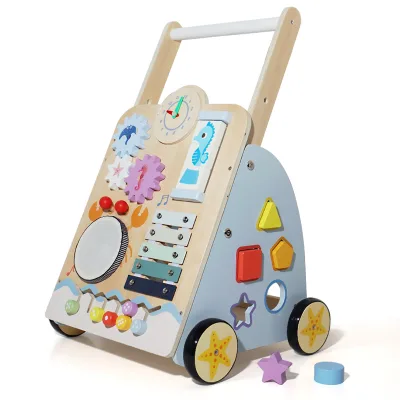

Multifunction Wood Educational Toys Learning Activity Child Push Baby Walker
$16.50 - $18.44
MOQ: 500 Pieces


New Design Multifunction Children Learning Toy Kids Wooden Baby Walker for Toddler
$10.90 - $11.20
MOQ: 50 Pieces


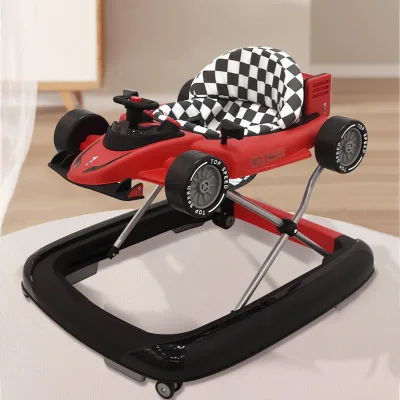
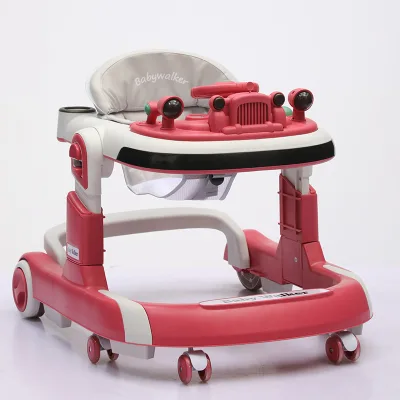
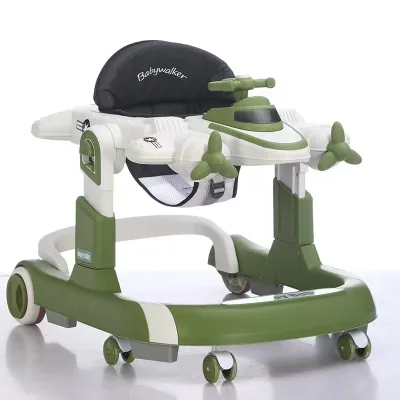




Comprehensive Sourcing Guide
Educational Baby Learning Walker Sourcing Guide
Sourcing educational baby learning walkers requires a careful balance between developmental utility and rigorous safety compliance. These devices are designed to support infants during the critical transition from crawling to independent walking, offering stability while encouraging motor skill development. Buyers must recognize that the term "learning walker" encompasses a diverse range of product types, from traditional push-along frames to stationary activity centers. The procurement strategy must therefore begin with a clear definition of the target age group and the specific functional attributes required, such as adjustable height, sound modules, or foldable designs, to ensure the final product aligns with market expectations and safety regulations.
The market landscape for these products is characterized by a wide variance in materials, construction quality, and price points. Observations from current listings indicate a price range of approximately $5.46 to $40.66 USD, with minimum order quantities (MOQs) varying significantly from as low as 2 sets to 500 sets. This disparity suggests that buyers can source from small-batch suppliers offering customized or niche designs to larger manufacturers producing high-volume, standardized units. Understanding these commercial signals is essential for aligning procurement volume with budget constraints and inventory turnover goals, ensuring that the selected supplier can meet both quality expectations and delivery timelines.
Product Scope and Observed Listing Signals
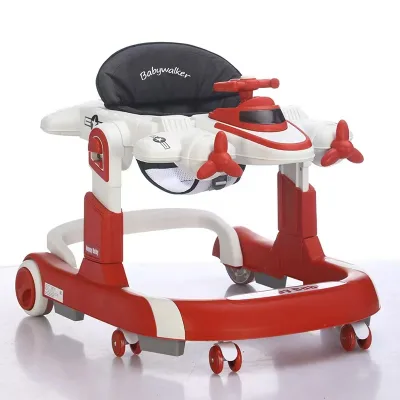
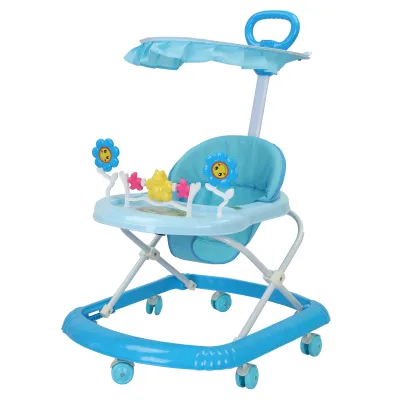
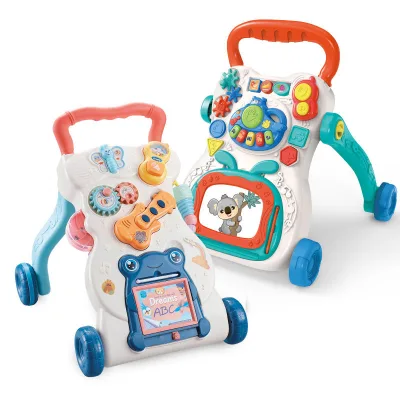
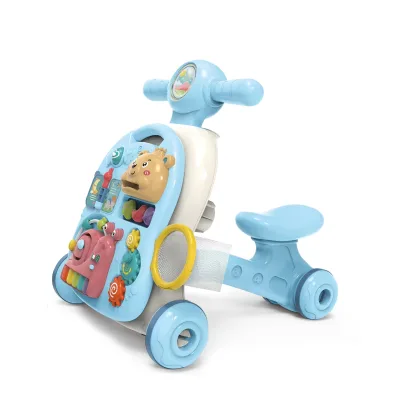
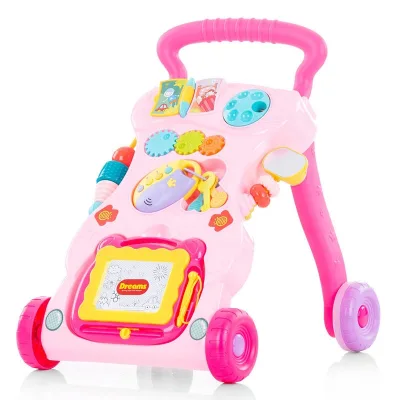
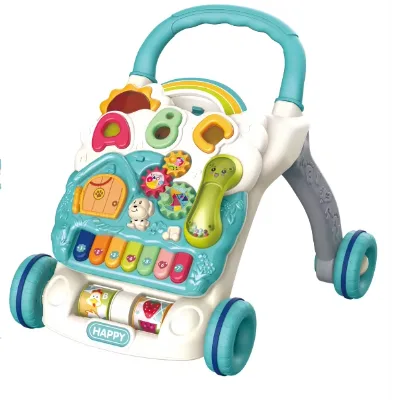
The product scope for educational baby learning walkers includes various configurations, such as baby walking chairs, durable push-along frames, and activity-based learning stations. Listings frequently highlight features like "Learn Walking" functionality, with some models explicitly marketed as "Baby Learning Walker" or "New Baby Gift" items. Materials observed in the market include a combination of polyester, metal, plastic, fabric, and wood, with wooden frames often associated with brands like "hoye craft" that emphasize durability and aesthetic appeal. Buyers should note that while some products are described as foldable, others are explicitly marked as non-foldable, which impacts storage and shipping logistics.
Color options are generally standardized across listings, often described as "as shown" or "as picture," with unisex designs suitable for both boys and girls. The target age groups span from 0-6 months to 3-8 years, indicating that some products are designed for early infancy support while others cater to toddlers with more advanced mobility. Specific models observed include the "bw1," "rl511," "Xin-204," "JJQ-0186," "Bw-06," and "SC-01," each with distinct dimensions and packaging requirements. For instance, the "Xin-204" model has a single package size of 54x35x33 cm and weighs 2.66 kg, while the "SC-01" model measures 57x42x25 cm. These variations necessitate precise specification matching to avoid logistical errors.
Technical Specifications to Verify
Technical verification must begin with dimensional accuracy and structural integrity. Buyers should confirm the exact external dimensions of both the product and its packaging, as these directly influence container loading efficiency and retail shelf space. For example, some listings specify standard sizes such as 56x69 cm or 33x34x52 cm, while others provide detailed single package dimensions like 69x69x50 cm. It is crucial to verify the load-bearing capacity, with observed specifications indicating a limit of 15 kg for certain models. This data point is vital for ensuring the product can safely support the weight of the child plus any attached toys or accessories without risk of structural failure.
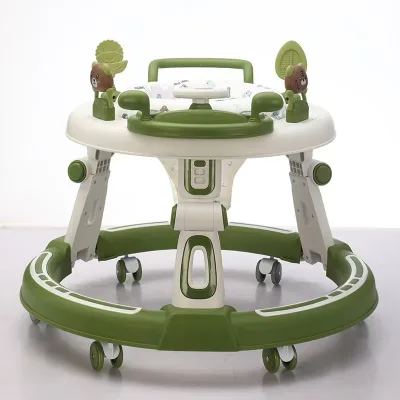
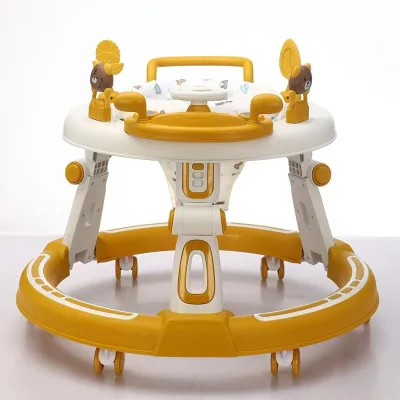
Material composition and wheel design are equally critical technical factors. The wheels, often made of plastic, should be inspected for smoothness, durability, and appropriate friction levels to prevent excessive speed or instability. Some models feature six wheels, which may offer enhanced stability compared to four-wheel designs. Additionally, the frame material, whether wooden, metal, or plastic, must be assessed for sturdiness and finish quality. Buyers should also verify the packing method, which ranges from color boxes to cardboard boxes and boxed packing, as this affects product protection during transit. Confirming the quantity per carton (QTY/CTN), such as 6 sets per carton, is essential for accurate freight cost calculation and inventory management.
Compliance and Safety Documentation
Safety compliance is the most critical aspect of sourcing baby walkers, given the potential risks associated with infant mobility aids. Buyers must ensure that all products meet relevant regional safety standards, such as CE certification for European markets or ASTM F977 for the United States. While some listings explicitly mention CE and En71 certifications, buyers should request valid test reports from accredited laboratories to verify these claims. It is important to note that standards like EN71-1 and REACH may also apply, depending on the materials used and the target market. Procurement teams should not rely solely on supplier assertions but must demand documented proof of compliance for each batch produced.
Beyond formal certifications, buyers should verify that the product design inherently minimizes safety hazards. This includes checking for small detachable parts that could pose a choking hazard, sharp edges, or pinch points. The stability of the walker, particularly its resistance to tipping, should be evaluated through design analysis or third-party testing. For products marketed to younger age groups, such as 0-6 months, additional safeguards may be required to prevent falls or entrapment. Buyers should also ensure that any electronic components, if present, meet electrical safety standards and do not emit harmful levels of radiation or heat.
Cost Drivers and Commercial Terms
The cost of educational baby learning walkers is influenced by several key factors, including material selection, manufacturing complexity, and order volume. Wooden models, such as those from "hoye craft," may command higher prices due to the cost of raw materials and the labor-intensive nature of wood processing. In contrast, plastic and metal combinations may offer more cost-effective solutions for high-volume orders. The observed price range of $5.46 to $40.66 USD reflects these variations, with lower prices typically associated with simpler designs and higher volumes. Buyers should analyze the cost breakdown to understand where value is added, whether through premium materials, advanced features, or branding.
Commercial terms, including MOQ and lead times, play a significant role in the total cost of ownership. MOQs ranging from 2 to 500 sets allow for flexibility, enabling buyers to start with smaller test orders or commit to larger production runs. However, lower MOQs may result in higher per-unit costs due to setup fees and reduced economies of scale. Buyers should also consider the availability of ready stock, which can reduce lead times and mitigate supply chain risks. Customization options, such as logo printing or color variations, may incur additional fees but can enhance brand differentiation. Negotiating favorable payment terms and shipping arrangements is essential to optimize cash flow and reduce overall procurement costs.
Supplier Qualification and Quality Control
Supplier qualification involves assessing the manufacturer's capability to produce consistent, high-quality products. Buyers should verify the supplier's production capacity, quality management systems, and track record in the baby product industry. Factories located in regions like Zhejiang, China, often have established supply chains for plastics, metals, and fabrics, which can contribute to cost efficiency and reliability. However, buyers must conduct thorough due diligence, including factory audits and sample evaluations, to ensure that the supplier adheres to agreed-upon specifications and safety standards. It is advisable to request references from other clients to gauge the supplier's reliability and responsiveness.
Quality control measures should be implemented at every stage of the production process, from raw material inspection to final packaging. Buyers should define clear acceptance criteria for dimensions, materials, and finish quality, and conduct pre-shipment inspections to verify compliance. For products with electronic components, functional testing is essential to ensure proper operation. Additionally, buyers should establish a protocol for handling defects, including clear guidelines for rejection, replacement, or refund. Building a strong relationship with the supplier through regular communication and feedback can help identify and resolve issues proactively, ensuring a smooth supply chain operation.
Long-Term Procurement Checks
Long-term procurement success depends on continuous monitoring of product performance and market trends. Buyers should gather feedback from end-users to identify any recurring issues, such as durability problems or safety concerns, and use this information to refine future orders. Regularly reviewing supplier performance metrics, such as on-time delivery rates and defect percentages, can help maintain high standards of quality and service. Additionally, staying informed about changes in safety regulations and consumer preferences is crucial for adapting the product portfolio to meet evolving market demands.
Sustainability and ethical sourcing are increasingly important considerations for modern buyers. Procurement teams should evaluate suppliers' environmental practices, such as waste management and energy efficiency, and their commitment to ethical labor standards. Certifications like FSC for wood products or ISO 14001 for environmental management can provide assurance in these areas. By integrating sustainability into the procurement strategy, buyers can enhance brand reputation and appeal to environmentally conscious consumers. Finally, maintaining a diversified supplier base can mitigate risks associated with supply chain disruptions, ensuring business continuity and resilience in the face of market volatility.
FAQs
What age range is an Educational Baby Learning Walker suitable for?
Most listed models suit babies from around 6 months up to 3 years old, depending on the design. Some wooden push walkers are rated for children up to 3-8 years, and certain listings note 0-6 months for seated use. Always check the age group stated on the product page and match it to your target market's expectations before ordering.
How much weight can a baby learning walker typically support?
A common load bearing rating shown for these walkers is 15kg, which covers most toddlers in the intended age range. The actual limit depends on the frame material, with wooden and metal frames generally rated differently. Confirm the load bearing figure on the specific listing, since capacity is listed per model and should be validated against your market's safety expectations.
Which certifications should I verify before sourcing baby learning walkers?
Listings on this page reference CE and En71 certificates, which are commonly requested for baby products in many markets. Ask suppliers for valid, current certificate copies covering the exact model you plan to order, not just the product family. Requirements vary by destination market, so confirm additional local compliance needs with your importer or testing partner before shipment.
How are educational baby learning walkers usually packed for export?
Packing options shown include color box, boxed packing, and cardboard box, with some listings specifying 6 sets per carton. Carton sizes and single gross weights are listed per model, for example 69x69x50cm packaging on one item. Request the exact packing specification and carton dimensions for your chosen model so you can calculate container loading accurately.
What is the typical minimum order quantity for baby learning walkers?
Observed MOQs on this page range from 2 units to 500 units, with one model listing a MOQ of 6 sets. MOQ depends on the supplier, model, and whether customization such as a custom logo is requested. Negotiate the MOQ directly with suppliers and clarify whether trial orders and stock items are available at lower quantities.
Can I customize the logo and colors on a baby learning walker?
Yes, customization is listed as available, with some listings noting customized logo support and colors shown as per picture or as available. Typical customization covers logo printing and color selection, subject to supplier confirmation and possible minimum quantity requirements. Discuss artwork format, printing position, and any extra cost with the supplier before confirming the order.
How do wooden and plastic baby learning walkers differ?
Wooden walkers, often listed with a wooden frame, are generally favored for a classic look and sturdy feel, while models combining plastic, metal, and polyester offer lighter weight and features like six wheels. Both types serve the learn-walking function. Choose based on your market preference, price point, and any material requirements your destination market expects for baby products.
What product details should I confirm with a walker supplier before ordering?
Confirm the model number, exact size such as 52x33x31cm, material composition, load bearing capacity, age group, packing method, and carton quantity per model. Also ask whether the item is foldable, since some listings state it is not. Request samples to verify build quality and check that certificates match the specific model rather than the catalog generally.