Source Elderly Business Keypad Mobile Phone for seniors, workers, and travelers
Find a range of 30 Elderly Business Keypad Mobile Phone options featuring dual or triple SIM slots, long standby times, and durable designs. Buyers can compare screen sizes, battery capacities, and network standards to select the right device for seniors, field workers, or travelers.
Key considerations
Products List


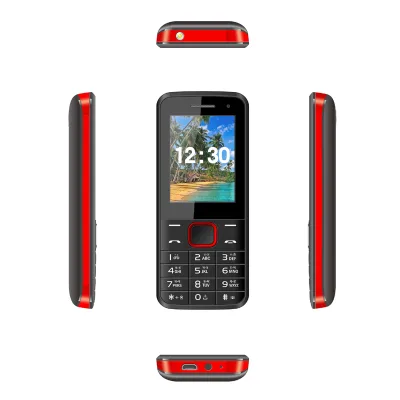
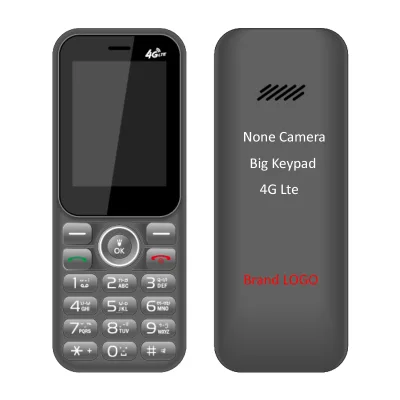
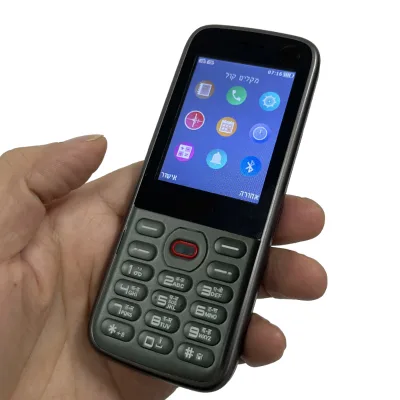
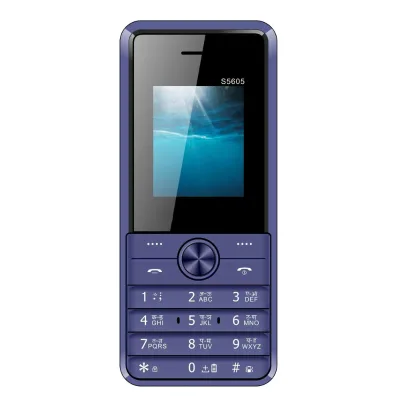
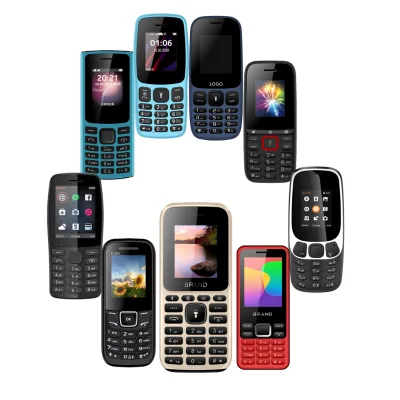
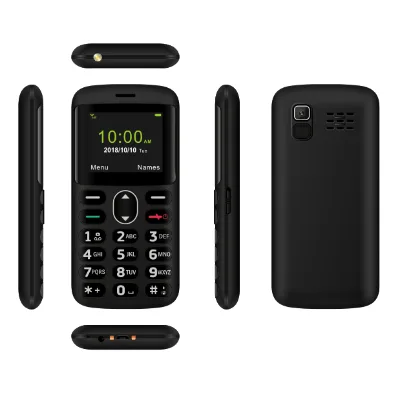


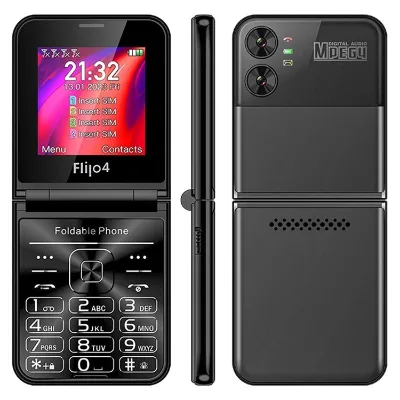
Comprehensive Sourcing Guide
Strategic Sourcing Guide for Elderly Business Keypad Mobile Phones
Understanding the Product Category and Core Specifications
Sourcing an Elderly Business Keypad Mobile Phone requires a precise understanding of the device's dual nature: it must offer the durability and simplicity required by senior users while maintaining the connectivity and reliability expected in a business context. The market for these devices is defined by specific hardware constraints that prioritize battery longevity, tactile usability, and essential communication functions over high-end multimedia capabilities.
Based on current product observations, the screen technology for this category is predominantly TFT (Thin Film Transistor) displays. These screens are typically small, falling within the sub-2.0-inch range, with specific models featuring 1.77-inch QVGA displays with a resolution of 160x128 pixels. This compact form factor is intentional, ensuring the device remains lightweight and easy to handle for users with limited dexterity. The display color depth varies, with some units offering 4096 colors and others supporting 65k colors, which is sufficient for clear text rendering and basic icon visibility.
The physical design is almost exclusively "Bar" style, characterized by a traditional keypad layout. A critical differentiator in this segment is the SIM card configuration. While standard smartphones often utilize single SIM slots, elderly business phones frequently support dual or triple SIM capabilities. Observed configurations include "Dual SIM Dual Standby" and "Triple SIM Triple Standby," allowing users to manage multiple business lines or personal contacts without switching cards. The network standard is strictly GSM, covering bands such as GSM850/900/1800/1900MHz with GPRS support, ensuring compatibility with legacy and regional networks where 4G/5G infrastructure may be unreliable or unnecessary for voice-centric users.
Technical Architecture and Connectivity Options
The internal architecture of these devices is optimized for power efficiency and basic functionality. Storage capacity is modest, with observed RAM capacities around 256MB and ROM capacities near 512MB. Despite these lower figures compared to modern smartphones, the storage supports essential business applications and contact lists. A key feature for this demographic is the support for storage expansion, allowing users to increase capacity via microSD cards if needed for storing contacts or simple media files.
Connectivity interfaces are another area of variation that buyers must verify. While some models utilize Type-C interfaces for charging and data transfer, others rely on the more traditional Micro USB standard. This inconsistency necessitates a careful review of the specific supplier's technical datasheet to ensure compatibility with existing charging infrastructure. The data interface choice often correlates with the device's age and target market; newer iterations may lean toward Type-C, while cost-effective models may retain Micro USB.
Multimedia capabilities are present but limited. These devices typically support MP3 and MP4 formats, allowing for basic audio playback and simple video viewing, which can be useful for business entertainment or family communication. However, the camera specifications are minimal, often featuring a 0.08MP back camera with a resolution of 640x480 pixels. This is sufficient for basic identification or document scanning but should not be expected to support high-resolution photography. The front camera is generally absent, reinforcing the device's focus on voice communication and keypad interaction rather than video conferencing.
Power Management and Battery Performance
Battery life is arguably the most critical specification for elderly business phones, as these devices are often used in environments where charging opportunities are infrequent. The observed battery capacities in this category vary significantly. Some models feature batteries under 800mAh, designed for very compact form factors, while others boast capacities between 1501mAh and 2000mAh. The larger capacity units are often marketed with specific branding, such as "25bi Long Standby Battery," emphasizing extended usage periods.
The performance metrics for these batteries are substantial. Talking time can reach up to 480 minutes, providing several hours of continuous conversation. Standby time is even more impressive, with some units capable of up to 360 hours of standby. This longevity is achieved through the efficient GSM network standard and the low-power consumption of the small TFT displays and simple processors. The battery is typically removable, a feature that adds value for business users who may need to swap batteries for extended field operations or replace aging cells without replacing the entire device.
Design Ergonomics and User Interface
The design philosophy for elderly business phones centers on accessibility and durability. The physical dimensions observed range from approximately 125mm to 126mm in length, with widths around 51-54mm and thicknesses between 14mm and 15mm. These dimensions create a device that is easy to grip and pocket. The screen narrow border varies, with some models featuring borders of 2-3mm and others 5-6mm, influencing the overall screen-to-body ratio.
The keypad is a defining feature, often described as "Painting Wear-Resistant" to ensure longevity against frequent use. The interface supports multiple languages, including English, Russian, Hebrew, Arabic, French, and Spanish, making these devices suitable for international business operations or diverse domestic markets. Additional user-friendly features include a one-key flashlight support and a bright LED torch, which are essential for users who may need to navigate in low-light conditions. The device style is explicitly categorized as "Camera Mobile Phone," "Elderly Mobile Phone," and "Senior Phone," reflecting its multi-purpose nature.
Cost Drivers and Pricing Dynamics
The pricing for elderly business keypad mobile phones is influenced by several factors, including battery capacity, SIM slot configuration, and build quality. The observed price range in the market spans from $4.40 to $101.43 USD. This wide variance indicates a segmented market where basic models are available at very low price points, while premium versions with larger batteries, better build materials, or specific certifications command higher prices.
The Minimum Order Quantity (MOQ) is another significant cost driver, ranging from as low as 2 units to as high as 10,000 units. Buyers sourcing for small-scale business needs or pilot programs can often find suppliers with low MOQs, facilitating easier entry into the market. Conversely, large-scale procurement can leverage the lower end of the price spectrum but must manage the logistics of higher volume orders. The "Very Competitive" price point mentioned in product attributes suggests that these devices are generally cost-effective solutions, but the final cost per unit will depend heavily on the specific configuration and order volume.
Supplier Evaluation and Quality Assurance
When evaluating suppliers for these devices, buyers must look beyond the basic specifications. The product origin is typically China, with specific manufacturing hubs noted in regions like Guangdong. This geographic concentration suggests a mature supply chain, but it also requires rigorous vetting to ensure quality consistency. Buyers should verify the "Quality" claims, which are often described as "High Quality" in product listings, by requesting third-party test results or samples.
Compliance and certification are critical, particularly for business use. While specific certification statuses like CE or EN50131 are mentioned in background contexts, buyers must confirm that the specific model they intend to purchase holds valid certifications for their target market. The product standard dimensions (e.g., 126.351.814.3mm) should be cross-referenced with the physical samples to ensure manufacturing tolerances are within acceptable limits. Packaging is another area of variation, with options ranging from "Original Package" to "Standard Carton," which can impact shipping costs and product protection.
Long-Term Procurement and After-Sales Support
Long-term procurement of elderly business phones requires a focus on after-sales service and supply chain stability. The "Strong After-Sale Service" attribute is a key differentiator for suppliers, indicating their willingness to support repairs, replacements, or technical issues. Buyers should explicitly inquire about warranty terms, the availability of spare parts (such as batteries or keypads), and the lead times for restocking.
The "Customization" availability is another strategic consideration. Suppliers offering customization can tailor the device to specific business needs, such as pre-loaded software, specific branding, or modified network bands. However, customization often comes with higher MOQs and longer lead times. Buyers must balance the need for customization against the urgency of their procurement timeline.
Comparative Analysis of Key Models
To assist in decision-making, the following table compares two distinct profiles observed in the market based on the provided data points. This comparison highlights the trade-offs between compactness and battery life.
| Feature | Profile A: Compact Model | Profile B: Extended Battery Model |
|---|---|---|
| Screen Size | < 2.0" (1.77 Inch) | 2.0 - 2.5" (2.4 Inch) |
| Resolution | 160 x 128 px (QVGA) | Not specified (Typically higher) |
| Battery Capacity | < 800mAh | 1501mAh - 2000mAh |
| SIM Configuration | Dual SIM Dual Standby | Triple SIM Triple Standby |
| Data Interface | Type-C | Micro USB |
| Dimensions | 126.3 x 51.8 x 14.3 mm | 125 x 54 x 15 mm |
| Primary Use Case | Ultra-portable, basic calls | Field work, long standby needs |
| Model Reference | UNIWA E1802 | E2454 |
This comparison illustrates that while both profiles serve the elderly business market, they cater to different operational needs. Profile A offers a more compact form factor with modern connectivity (Type-C), suitable for users who prioritize portability. Profile B sacrifices some compactness for significantly longer battery life and additional SIM slots, making it ideal for users who require extended operation without access to power sources.
Final Procurement Considerations
In conclusion, sourcing an Elderly Business Keypad Mobile Phone involves navigating a landscape of specific technical constraints and diverse supplier capabilities. Buyers must carefully align their requirements for battery life, SIM capacity, and screen size with the available product profiles. The wide price range and MOQ flexibility allow for various procurement strategies, from small pilot runs to large-scale deployments.
Ultimately, the success of the procurement depends on thorough due diligence regarding supplier quality, certification compliance, and after-sales support. By focusing on the core specifications of TFT displays, GSM networks, and robust battery performance, buyers can secure devices that effectively meet the needs of senior users in a business environment. The key is to verify all claims against the specific product datasheets and to maintain a clear understanding of the trade-offs between cost, features, and reliability.
FAQs
What screen size options exist for these phones?
Screen sizes typically range from under 2.0 inches to 2.5 inches. Specific models feature 1.77-inch QVGA displays or 2.4-inch screens, ensuring compact and readable interfaces for senior users.
How many SIM slots do these devices support?
These devices commonly support dual or triple SIM configurations. Users can find models with Dual SIM Dual Standby or Triple SIM Triple Standby capabilities to manage multiple lines simultaneously.
Can these phones be customized for business needs?
Customization is available for specific business requirements. Buyers can request tailored features, though this often involves negotiating minimum order quantities and lead times with the manufacturer.
What is the typical battery capacity for these models?
Battery capacities vary significantly between compact and long-standby models. Options include batteries under 800mAh for portability or larger units ranging from 1501mAh to 2000mAh for extended usage.
Which data interfaces are used for charging and transfer?
Data interfaces vary by model, with some using Type-C and others utilizing Micro USB. Buyers must verify the specific interface type to ensure compatibility with existing charging infrastructure.
What is the price range for these mobile phones?
The observed price range spans from 4.40 to 101.43 USD. Costs depend on factors like battery capacity, SIM configuration, and build quality, with competitive pricing available for bulk orders.
Do these phones support storage expansion?
Yes, storage expansion is supported on these devices. This feature allows users to increase capacity via microSD cards for storing contacts or simple media files beyond the internal 512MB ROM.