Source Elderly Bathroom Balance Bar for Home, Hotel, and Care Facilities
Compare 30 stainless steel Elderly Bathroom Balance Bar options from Chinese manufacturers. Buyers can evaluate diameters, lengths, finishes, and customization services for household or commercial use.
Key considerations
Products List




Comprehensive Sourcing Guide
Elderly Bathroom Balance Bar Sourcing Guide
Sourcing safety equipment for aging populations requires a meticulous approach to product verification, material integrity, and supplier reliability. The Elderly Bathroom Balance Bar serves as a critical assistive device, designed to provide stability and prevent falls in wet, slippery environments. Procurement teams must navigate a market flooded with varying quality levels, where superficial similarities in appearance often mask significant differences in structural strength and corrosion resistance. This guide provides a structured framework for evaluating these products, ensuring that every unit meets the rigorous demands of both commercial hospitality and private residential care settings.
The following sections detail the essential verification steps for technical specifications, compliance documentation, and commercial terms. By focusing on observable listing signals and concrete manufacturing attributes, buyers can mitigate the risks associated with low-quality imports. The goal is to establish a procurement process that prioritizes long-term durability and user safety over initial cost savings, ensuring that the installed hardware performs reliably under daily stress and exposure to moisture.
Product Scope and Observed Listing Signals
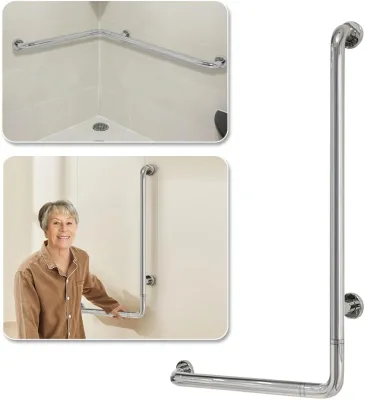
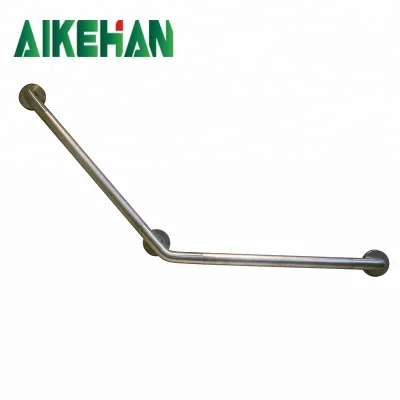
The market for bathroom safety hardware presents a diverse array of options, ranging from simple wall-mounted rails to complex, multi-directional support systems. Observed listings indicate a strong prevalence of stainless steel construction, with specific models identified by codes such as AKH Grab Bar, 02-108, and 06-506. These identifiers suggest a standardized manufacturing approach, yet the variations in dimensions and finishes require careful scrutiny. Buyers should note that while many products claim universal compatibility, the specific mounting requirements and spatial constraints of the installation site must be matched precisely with the product’s physical footprint.
Visual and descriptive signals in supplier catalogs often highlight aesthetic features such as gold, silver, or white finishes, alongside surface treatments like satin or mirror polishing. However, these cosmetic attributes should not overshadow functional specifications. The observed data reveals a mix of fixed and foldable designs, with some units offering custom lengths ranging from 300mm to 900mm or even longer custom requests. Procurement teams must distinguish between products intended for temporary use and those designed for permanent, high-frequency installation, as the latter demands higher-grade materials and more robust mounting hardware.
Technical Specifications to Verify
Material composition is the primary determinant of a grab bar’s longevity and safety. Stainless steel is the dominant material observed in high-quality listings, with specific references to 304-grade steel, which offers superior corrosion resistance compared to lower-grade alternatives. Buyers must verify the exact alloy grade, as inferior materials may rust quickly in humid bathroom environments, leading to structural failure. Additionally, the wall thickness of the tubing, observed in listings as 1.0mm or 1.2mm, directly impacts the bar’s ability to support significant weight without bending or deforming under stress.
Dimensional accuracy and mounting configuration are equally critical. The observed specifications include tube diameters of 25mm, 32mm, and 38mm, with lengths varying from standard 300mm increments to custom sizes like 600mm or 620mm. The mounting style is predominantly wall-mounted, often including screws for installation, but the exact hole spacing and backplate dimensions must be confirmed against the bathroom wall structure. Buyers should also check for the presence of OEM or ODM capabilities, which may indicate a manufacturer’s ability to customize dimensions or finishes to meet specific project requirements, ensuring a seamless fit in diverse architectural designs.
Compliance and Safety Documentation
Certification is a non-negotiable aspect of sourcing safety equipment. The observed listings frequently cite ISO and RoHS certifications, which serve as baseline indicators of manufacturing quality and environmental safety. ISO certification suggests adherence to international management standards, while RoHS compliance ensures that the product is free from hazardous substances, a crucial factor for indoor health and safety. Buyers should request valid, up-to-date certification documents from suppliers, verifying that the certificates are issued by recognized accreditation bodies and are specific to the product model being purchased.
Beyond general certifications, buyers must investigate compliance with local building codes and accessibility standards, which vary significantly by region. While specific numerical load-bearing standards were not explicitly detailed in the observed data, the presence of terms like "Top quality" and "D32L600H84" suggests a focus on dimensional precision and structural integrity. Procurement teams should require test reports or engineering certificates that demonstrate the product’s ability to withstand dynamic loads, ensuring that the grab bar can safely support an elderly user during a fall or balance recovery.
Cost Drivers and Commercial Terms
Pricing in the bathroom safety hardware market is influenced by material costs, manufacturing complexity, and order volume. The observed price range of $0.5 to $35 USD reflects a wide spectrum of product qualities, from basic plastic components to premium stainless steel units. Buyers must correlate price with material grade and finish; for instance, 304 stainless steel with a mirror polish will command a higher price than basic satin-finished alternatives. Understanding these cost drivers helps in budgeting accurately and avoiding the trap of selecting the lowest-priced option, which may compromise on durability and safety.
Minimum Order Quantities (MOQs) and packaging details also impact the total cost of ownership. Observed MOQs range from 1 to 500 units, offering flexibility for both small-scale residential projects and large commercial installations. Packaging methods, including PE bags, cartons, and blister packs, vary by supplier and product type, affecting shipping costs and the risk of damage during transit. Buyers should negotiate clear terms regarding packaging standards to ensure that products arrive in pristine condition, minimizing the need for replacements and reducing overall project costs.
Supplier Qualification and Quality Control
Supplier verification is essential to ensure that the products received match the specifications agreed upon during procurement. The observed data indicates that many suppliers are manufacturers based in regions like Zhongshan, Guangdong, and Jinan in China, with some explicitly stating their business type as "Manufacturer." This direct manufacturing relationship can offer advantages in terms of customization and cost control, but it also requires buyers to conduct thorough due diligence on the supplier’s production capabilities and quality control processes.
Quality control measures should include pre-shipment inspections and sample testing to verify material thickness, surface finish, and mounting hardware integrity. Buyers should request samples before placing bulk orders to assess the tactile quality of the finish and the sturdiness of the construction. Additionally, verifying the supplier’s ability to provide OEM services can be a valuable indicator of their flexibility and commitment to meeting specific client requirements, ensuring that the final product aligns with the project’s unique needs.
Long-Term Procurement Checks
Establishing a long-term procurement strategy for bathroom safety hardware requires ongoing monitoring of product performance and supplier reliability. Buyers should implement a feedback loop with end-users, such as hotel guests or residents in care facilities, to gather insights on the usability and durability of the installed grab bars. This real-world data can inform future purchasing decisions, highlighting any recurring issues with corrosion, loosening mounts, or finish degradation that may not be apparent during initial inspection.
Regular audits of supplier performance and product consistency are also crucial for maintaining high standards. Buyers should periodically review certification validity and request updated test reports to ensure that the supplier continues to meet regulatory requirements. By maintaining a proactive approach to supplier management and product evaluation, procurement teams can ensure that the elderly bathroom balance bars remain a reliable and safe component of the built environment, protecting users and minimizing liability risks over the long term.
FAQs
What materials are used for elderly bathroom balance bars?
The primary material used is stainless steel, specifically grade 304 for durability and corrosion resistance. This ensures the grab bars withstand humid bathroom environments while providing a sturdy support structure for elderly users. The metal construction offers long-term reliability compared to plastic alternatives.
What certifications do these grab bars have?
These products typically hold ISO and RoHS certifications, indicating compliance with international quality and environmental standards. These credentials assure buyers of consistent manufacturing processes and safe material usage. Such documentation is essential for commercial projects requiring verified supplier credentials and regulatory adherence.
Can I customize the size of the grab bars?
Yes, customization is available for length and specifications. Standard lengths include 300mm, 400mm, 600mm, and 900mm, with OEM options for specific requirements. Buyers can request tailored dimensions to fit unique bathroom layouts, ensuring optimal placement and accessibility for elderly users in various settings.
What surface finishes are available for stainless steel bars?
Available finishes include satin, mirror polished, and specific color coatings like gold, silver, white, or yellow. The surface treatment enhances aesthetic appeal and grip safety. These options allow integration into diverse interior designs while maintaining the functional integrity of the stainless steel base material.
How are the grab bars installed in bathrooms?
The bars are designed for wall-mounted installation and come with screws for secure attachment. This method ensures stability and safety for elderly users relying on the bar for balance. Proper mounting into structural walls is critical to support weight and prevent accidental dislodging during use.
What packaging options are provided for bulk orders?
Packaging includes PE bags, inner boxes, white or color boxes, blister packs, and cartons. Some items use bubble bags for extra protection. These varied options ensure safe transit and allow for retail-ready presentation or efficient bulk storage, catering to both commercial and household distribution needs.