Source Elderly Care GPS Smart Watch with SOS for Seniors, Travelers, and Patients
Find and compare 30 models of Elderly Care GPS Smart Watch with SOS devices tailored for senior safety, outdoor travel, and patient monitoring. Evaluate features like IP67 waterproofing, 2G+4G LTE connectivity, and SOS buttons to select the right tracker for your procurement needs.
Key considerations
Products List


GPS Watch with Body Temperature Smart Bracelet Watch for Elderly Quarantine People
$39.00 - $45.00
MOQ: 1 Pieces


4G Senior Smartwatch Elderly Health Stress Temperature GPS Tracker Smart Watch
$56.00 - $62.00
MOQ: 1 Pieces


New GPS Smart Watch / Sos Call Body Temperature Detection Eldery Tracker Watch
$39.00 - $45.00
MOQ: 1 Pieces


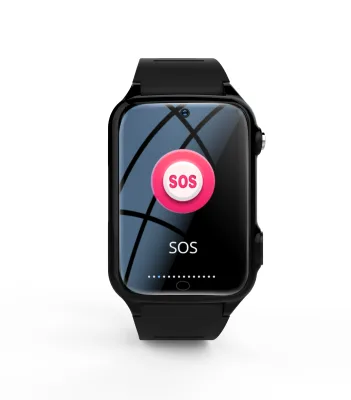


Elder Smart Watch with Multi Mode Positioning for Old Person Safety Care
$29.00 - $32.00
MOQ: 10 Pieces


Senior Elderly Smart Watch 4G Cellular Call Real Time Location Tracking
$29.00 - $32.00
MOQ: 10 Pieces

Elder Care Smart Watch Real Time Locator Support PC Multi Device Control
$29.00 - $32.00
MOQ: 10 Pieces
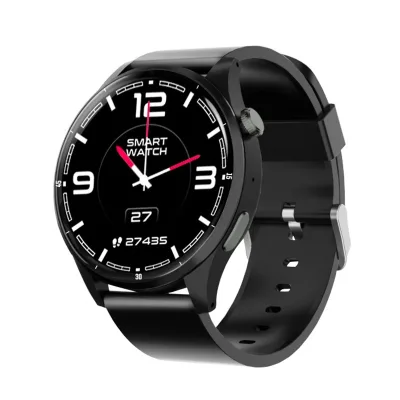

Comprehensive Sourcing Guide
Elderly Care GPS Smart Watch with SOS Sourcing Guide
The market for elderly care GPS smart watches with SOS functionality presents a diverse range of devices tailored for personal tracking and emergency communication. Based on observed listings, these devices often integrate dual-network capabilities, supporting both 2G and 4G LTE to ensure connectivity in varied environments. The core utility relies on the ability to transmit location data and trigger alerts, with specific models featuring built-in Li batteries and support for Nano-SIM cards to facilitate independent operation without constant tethering to a host device.
Buyers must distinguish between devices designed for general communication and those optimized specifically for personal tracking applications. The observed product data indicates a split in form factors, ranging from compact units with TFT or OLED displays to larger devices with dimensions suitable for rugged use. While some models emphasize automotive or hand-held usage, the primary procurement focus for this category remains on wearable devices that combine GPS tracking with SOS features, ensuring that the selected unit aligns with the specific mobility and safety needs of the end-user.
Product Scope and Observed Listing Signals
When evaluating the product scope, procurement teams should note the variation in material composition and physical dimensions across available listings. Some units are constructed with plastic and rubber, while others utilize silicone, directly impacting durability and skin comfort for elderly users. The observed dimensions vary significantly, from compact 46mm x 40mm x 15mm profiles to larger 260mm x 70mm x 35mm units, suggesting that buyers must verify the physical footprint to ensure the device is wearable and not cumbersome for the intended demographic.
Listing signals also reveal differences in packaging and branding strategies that can influence the final procurement cost and perceived value. Products are frequently supplied in color boxes, gift boxes, or standard cartons, with some explicitly marketed for automotive use while others focus on personal tracking. The presence of features like Bluetooth, WiFi, and 3G connectivity alongside SOS capabilities indicates a need to verify the specific network requirements of the target region, as not all listed models support the same combination of wireless technologies or operating systems like Android 8.1.
Technical Specifications to Verify
A critical verification step involves confirming the battery capacity and standby time, as these metrics directly dictate the reliability of the SOS function during an emergency. Observed data points to battery capacities ranging from 800mAh to unspecified high-capacity units, with standby times estimated between 3 to 5 days for certain models. Buyers must ensure that the selected device maintains sufficient power reserves to support continuous GPS tracking and cellular communication, as a depleted battery renders the SOS feature ineffective regardless of other advanced specifications.
The display technology and camera resolution are additional technical parameters that require careful scrutiny to match user accessibility needs. While some listings specify TFT or OLED displays, others mention camera resolutions of 30m, which may be relevant for visual verification or evidence collection during an incident. Procurement teams should verify that the interface type, such as USB 2.0, and the operating system compatibility with iOS and Android apps are robust enough to allow caregivers to monitor the device remotely and receive timely alerts without technical friction.
Compliance and Safety Documentation
Regulatory compliance is a non-negotiable aspect of sourcing these devices, with CE certification appearing consistently across multiple product listings. This certification indicates adherence to European health, safety, and environmental protection standards, which is essential for importing and selling these electronics in regulated markets. Buyers should request current certification documents to verify that the specific batch of devices being purchased meets the latest safety requirements, as the presence of a CE mark on a listing does not guarantee that every unit in a shipment is compliant.
Beyond basic electrical safety, additional certifications such as FCC and RoHS are frequently observed in the product data, signaling compliance with electromagnetic interference and hazardous substance restrictions. Some listings also reference ISO standards, though the specific version or scope should be confirmed with the supplier. It is vital to ensure that the device's waterproof rating, such as the observed IP67 standard, is backed by independent test results, as this rating is crucial for ensuring the device remains functional during daily activities involving water exposure or sweat.
Cost Drivers and Commercial Terms
The pricing structure for elderly care GPS smart watches is influenced by the complexity of the network technology and the inclusion of advanced features like dual-band GPS and LTE support. Observed price ranges span from approximately $11.4 to $62, reflecting the variance between basic communication units and more sophisticated tracking devices with OLED displays and extended battery life. Buyers should analyze whether the lower price points correspond to devices with limited network compatibility or shorter warranty periods, as the cost difference often correlates with the reliability and longevity of the hardware.
Commercial terms, including Minimum Order Quantity (MOQ) and packaging requirements, play a significant role in the total cost of ownership. The observed MOQ ranges from 1 to 1000 units, offering flexibility for small-scale pilots or large-scale deployments. Additionally, the choice between standard packaging and premium gift box packaging can impact the final unit cost and the perceived value for the end-user. Procurement teams must negotiate these terms to align with their budget constraints while ensuring that the packaging protects the device during transit and meets any branding requirements.
Supplier Qualification and Quality Control
Supplier qualification should focus on the manufacturer's ability to provide consistent customization and support for the specific interface and network requirements of the target market. The availability of customization options suggests that suppliers can adapt the device for specific branding or functional needs, but buyers must verify the lead times and the extent of these customizations. It is essential to confirm that the supplier has a track record of delivering devices with the claimed certifications and that they can provide samples for rigorous testing before committing to a large order.
Quality control measures must extend beyond the initial product inspection to include ongoing monitoring of the device's performance in real-world conditions. Given the critical nature of SOS functionality, buyers should implement a testing protocol that validates the GPS accuracy, network connectivity, and battery performance under various stress conditions. The observation of a 1-year warranty on some models indicates a baseline expectation for product reliability, but procurement teams should clarify the terms of this warranty, including coverage for battery degradation and software updates, to ensure long-term support.
Long-Term Procurement Checks
Sustaining the procurement relationship requires regular checks on the supplier's ability to maintain supply chain stability and provide timely software updates. As the devices rely on cloud platforms and mobile applications for functionality, buyers must ensure that the supplier supports the continued operation of these digital ecosystems, including compatibility with future versions of Android and iOS. The absence of specific lead time data in the observed facts necessitates a proactive approach to inventory management, where buyers maintain safety stock to mitigate potential disruptions in the supply of SIM cards or replacement units.
Finally, long-term success depends on the ability to monitor the device's performance data and user feedback to identify any systemic issues or areas for improvement. Buyers should establish a feedback loop with end-users and caregivers to assess the effectiveness of the SOS features and the overall user experience. This continuous improvement process ensures that the procurement strategy remains aligned with the evolving needs of the elderly care sector, allowing for the timely adoption of new technologies or the replacement of underperforming models with more advanced solutions.
FAQs
Can these devices support SOS emergency calls?
Yes, the devices support SOS emergency calls via Nano-SIM cards. They feature built-in Li batteries and Bluetooth connectivity for reliable communication. The IP67 waterproof rating ensures durability during outdoor activities, making them suitable for elderly care tracking and immediate assistance needs.
What certifications do the smart watches have?
The products hold CE, FCC, and RoHS certifications. Some models also include ISO standards. These certifications ensure compliance with international safety and environmental regulations, providing buyers with confidence in the quality and regulatory adherence of the sourced devices for global distribution.
What is the battery capacity and standby time?
Battery capacities range from 800mAh to full charge indicators, with standby times of 3-5 days. The 1.5-watt speaker power supports clear audio. These specifications ensure reliable operation for personal tracking and communication, meeting the endurance requirements for continuous elderly monitoring applications.
Are customization options available for bulk orders?
Customization is available for bulk orders. Buyers can request specific packaging, such as color boxes or gift boxes, and tailored branding. This flexibility allows businesses to align the product presentation with their market strategy while maintaining the core functional features like GPS tracking and SOS capabilities.
What network bands are supported by the devices?
The devices support 2G and 4G LTE networks. This dual-band capability ensures broad connectivity across different regions. The inclusion of WiFi and Bluetooth features further enhances connectivity options, allowing for seamless data transmission and communication regardless of the local network infrastructure availability.
What are the physical dimensions and materials used?
Dimensions vary by model, ranging from 46mm to 260mm in length. Materials include plastic, rubber, and silicone for comfort and durability. The compact designs, such as the 55x31x14.8mm model, ensure wearability, while the TFT or OLED displays provide clear visibility for users.