Source Electric Booster Water Pressure Pump for HVAC, Irrigation, and Water Treatment
Find 30 Electric Booster Water Pressure Pump options with flow rates up to 1200m3/h and heads reaching 125m. Buyers can compare specifications for industrial boilers, commercial buildings, and drinking water treatment applications.
Key considerations
Products List
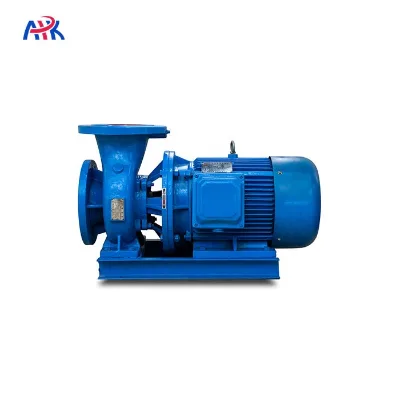


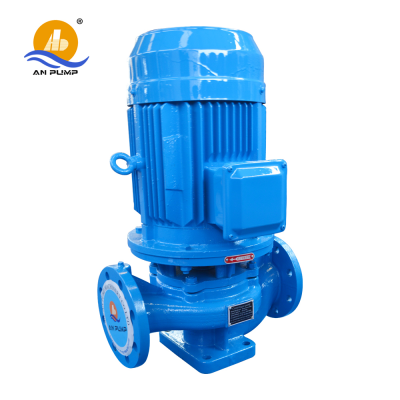
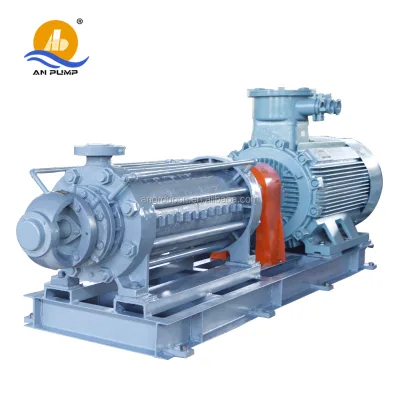

High Pressure Booster Centrifugal Pump Electric Water Pump Cheap Price
$40.00 - $70.00
MOQ: 100 Pieces


Automatic Pressure Control Water Pump Bathroom Home Booster Water Pump
$15.00 - $30.00
MOQ: 100 Pieces


Variable Frequency Booster Pump for Consistent and Efficient Water Pressure
$230.00 - $248.00
MOQ: 1 Pieces

Intelligent Water Pump for Enhanced Efficiency and Reliable Pressure Boosting
$245.00 - $260.00
MOQ: 1 Pieces


Comprehensive Sourcing Guide
Strategic Sourcing Guide for Electric Booster Water Pressure Pumps
Understanding Core Technical Specifications and Performance Metrics
When evaluating electric booster water pressure pumps for industrial or commercial deployment, buyers must first establish a clear baseline of technical capabilities. The product landscape for these units is diverse, ranging from single-stage configurations to complex multistage arrangements. A critical observation in the current market is the variation in structural design; some units are explicitly defined as single-stage pumps, while others are engineered as multistage pumps to achieve higher pressure differentials. The impeller design further differentiates these units, with options including single-suction closed impellers that are optimized for specific flow dynamics.
The performance envelope for these pumps is substantial. Flow rates observed in the market span from 6.3 cubic meters per hour up to 1200 cubic meters per hour, with specific high-volume models citing a flow rate of 200 cubic meters per hour. Head pressure capabilities are equally variable, with ranges extending from a maximum head of less than 10 meters for low-lift applications to 125 meters for high-pressure boosting scenarios. Specific models may be rated for a maximum head of 50 meters, while others target a range of 30 to 50 meters. The outlet size is a crucial mechanical interface parameter, typically available in a broad spectrum from 32mm to 350mm, allowing for integration into various pipe networks.
Power requirements are standardized yet flexible. Most units operate on electric power sources with AC motors, supporting frequencies of 50Hz or 60Hz, often in a three-phase configuration. Voltage specifications vary significantly to accommodate regional grid standards, with common ratings including 220V, 380V, 410V, 440V, 460V, and 480V, alongside options for high-voltage custom requests. Horsepower ratings generally fall between 10hp and 400hp, indicating the capacity to handle everything from small-scale residential boosting to heavy industrial utility requirements. The mounting position is predominantly horizontal, with shafts positioned horizontally, which aligns with the "Horizontal Split Pumps" casing design often found in larger industrial units.
Material Composition and Construction Standards
The longevity and reliability of an electric booster pump are inextricably linked to its material composition. Buyers should verify the specific alloy or metal used for the casing and internal components, as this dictates resistance to corrosion and mechanical wear. The market offers units constructed from cast iron, which provides a cost-effective solution for general water applications, as well as stainless steel variants. Specific stainless steel grades observed include SS304 and SS316, which are preferred for applications involving higher purity water or corrosive environments.
Color coding is often utilized for identification or aesthetic integration, with available finishes including blue, yellow, green, and red. However, the functional integrity relies on the standard of the material itself. Standards such as Cast Iron, SS304, and SS316 are frequently cited as the baseline for production. It is important to note that for certain specialized models, the standard may be dependent on the specific model number, requiring a case-by-case verification. The product origin is consistently identified as China, specifically the Henan province, which is a known manufacturing hub for this category of machinery.
Operational Applications and Industry Use Cases
Electric booster water pressure pumps are versatile assets deployed across a wide array of sectors. The primary application domains include the automotive industry, biofuel processing, and commercial building management. In the realm of infrastructure, these pumps are critical for developing world water solutions, district energy systems, and drinking water treatment facilities. For agricultural needs, they serve irrigation and agriculture sectors, ensuring consistent pressure for crop management.
Within the built environment, they are essential for HVAC OEMs, industrial boilers, and general industrial utilities. Family homes also utilize these units for domestic water pressure boosting. The versatility extends to the type of liquids handled; while the primary usage is for water, the design supports circulating pump functions. The working pressure classification varies, with some units designated as low-pressure pumps and others engineered as high-pressure pumps, depending on the specific model's intended duty cycle. The "Pipeline Water Pump" designation suggests a specific utility for moving water through long-distance or pressurized piping networks, distinct from open-tank applications.
Cost Drivers and Procurement Parameters
The total cost of ownership for electric booster pumps is influenced by several distinct factors. The price range in the current market is extensive, spanning from 15 USD to 17,000 USD. This wide disparity is driven by the horsepower rating, material composition (cast iron versus stainless steel), and the complexity of the pump structure (single-stage versus multistage). The cable length is a specific specification observed at 8 meters, which may impact installation costs if extended cabling is required.
Minimum Order Quantities (MOQ) are another critical procurement parameter. The observed MOQ range is from 1 to 500 units, offering flexibility for both single-item purchases and large-scale industrial tenders. The selling unit is typically a single item, packaged in export-standard wooden boxes or cartons depending on the model. Customization is a significant cost driver; suppliers offering OEM and ODM support allow for tailored specifications, which can alter the base price and lead time. The warranty period is a standard metric for risk assessment, with a common offering of 24 months, though this should be verified for each specific contract.
Supplier Evaluation and Customization Capabilities
When selecting a supplier, buyers must assess the depth of their customization capabilities. The market data indicates that OEM and ODM support is widely available, allowing buyers to request specific modifications to the pump model, voltage, or casing material. The brand "APK" is observed in the market, representing one of the available manufacturers, though the presence of a brand name does not preclude the existence of other suppliers offering similar specifications.
The ability to customize is a key differentiator. Suppliers should be evaluated on their willingness to accept custom requests for voltage, frequency, and flow rates. The "Customization: Available" attribute suggests that the supply chain is adaptable. However, buyers must be cautious not to assume that every listed product satisfies every customization request. The "prod_model" and "prod_packing" fields indicate that specific model numbers (such as D or ALD) come with distinct packaging standards, which can affect logistics planning.
Quality Control and Compliance Verification
Quality assurance in the procurement of electric booster pumps requires a rigorous verification process. While specific test results are not provided in the general product data, buyers should insist on documentation regarding the material standards (Cast iron, SS304, SS316) and the structural integrity of the single-stage or multistage designs. The "Low Pressure" and "High Pressure" classifications must be validated against the actual operating conditions of the buyer's facility to ensure the pump is not under- or over-engineered.
Compliance checks are essential, particularly regarding electrical safety and environmental standards. Although CE certification is mentioned in the background data, it is categorized as low-confidence and should not be assumed as a guaranteed attribute for every listed product. Buyers must explicitly request certification documents for the specific batch of pumps being purchased. The "Working Pressure" attribute, which includes both low and high-pressure designations, must be cross-referenced with the manufacturer's pressure testing reports to ensure the pump can safely withstand the intended operating conditions without failure.
Long-Term Procurement and Maintenance Considerations
Long-term procurement strategies for electric booster pumps must account for maintenance cycles and spare part availability. The warranty period of 24 months provides a baseline for manufacturer liability, but the actual service life depends heavily on the operating environment and the quality of the materials used. Stainless steel models generally offer superior resistance to corrosion compared to cast iron, potentially extending the service life in aggressive water environments.
The "Horizontal" installation requirement and "Suction Centrifugal" mounting height suggest specific spatial requirements for the installation site. Buyers should plan their facility layout to accommodate these constraints. The "Single package size" of XX cm indicates that packaging dimensions vary, which is a factor in storage and shipping logistics. Furthermore, the "Motor" driving type implies that the electrical motor is a critical component that may require periodic inspection or replacement. Ensuring that the supplier can provide technical support for motor maintenance and impeller replacement is a crucial component of a sustainable procurement strategy.
Comparative Analysis of Pump Configurations
To assist in decision-making, the following table summarizes the key variations observed in the Electric Booster Water Pressure Pump market. This comparison highlights the trade-offs between different configurations, flow rates, and pressure capabilities.
| Feature Category | Configuration A (Single-Stage) | Configuration B (Multistage) | Configuration C (High-Flow) |
|---|---|---|---|
| Structure | Single-stage Pump | Multistage Pump | Single-Stage / Multistage |
| Max Head | <10m to 50m | Up to 125m | Up to 50m |
| Flow Rate | 6.3m³/h - 200m³/h | Variable | Up to 1200m³/h |
| Material | Cast Iron / Stainless Steel | Stainless Steel (SS304/316) | Cast Iron / Stainless Steel |
| Outlet Size | 32mm - 350mm | 32mm - 350mm | 32mm - 350mm |
| Typical Application | Low lift, Circulating | High pressure boosting | Industrial Utilities, Agriculture |
| Voltage | 220V/380V/440V/480V | 380V/440V/480V | 380V/440V/480V |
This table illustrates that while the outlet sizes and voltage options remain consistent across configurations, the head and flow capabilities vary significantly. Buyers must align these specifications with their specific hydraulic requirements. The choice between single-stage and multistage designs is particularly critical; single-stage units are generally more efficient for lower head requirements, while multistage units are necessary for applications demanding high pressure over a moderate flow range.
Final Procurement Recommendations
In conclusion, sourcing electric booster water pressure pumps requires a meticulous approach to technical verification and supplier evaluation. The market offers a wide range of options, from basic cast iron units to advanced stainless steel multistage pumps. Buyers should prioritize the verification of material standards, specifically looking for SS304 or SS316 for corrosive environments, and ensure that the voltage and frequency specifications match the local power grid. The flexibility of OEM and ODM support allows for significant customization, but this must be clearly defined in the purchase order to avoid discrepancies.
Quality control remains a paramount concern. While the 24-month warranty is a standard offering, it should be backed by robust testing data and compliance documentation. The extensive price range and MOQ flexibility provide opportunities for both small and large buyers, but the final selection should be driven by the specific operational needs of the application, whether it be for a family home, an industrial boiler, or a district energy system. By adhering to these evidence-based guidelines, buyers can secure reliable, high-performance electric booster pumps that meet their long-term operational goals.
FAQs
What is the maximum head pressure for these pumps?
The maximum head pressure ranges from less than 10 meters up to 125 meters depending on the specific model configuration. Single-stage units typically handle lower heads, while multistage designs achieve the higher 125-meter capacity for demanding industrial applications.
Which materials are used for the pump casing?
Pump casings are constructed from cast iron or stainless steel to ensure durability and corrosion resistance. Specific stainless steel grades like SS304 and SS316 are available for applications requiring higher purity or resistance to aggressive water environments.
Can the voltage be customized for different regions?
Yes, voltage customization is available to match local grid standards such as 220V, 380V, 440V, or 480V. Suppliers also support high-voltage requests and can adjust frequency to 50Hz or 60Hz for three-phase electric motors.
What is the minimum order quantity for these pumps?
The minimum order quantity ranges from 1 unit for single-item purchases up to 500 units for large industrial tenders. This flexibility allows buyers to source small quantities for family homes or large batches for commercial building projects.
How long is the warranty period for the equipment?
The standard warranty period offered for these electric booster pumps is 24 months. This coverage applies to the motor and casing, though specific terms should be verified against the supplier contract for each model.
Which industries utilize these water pressure pumps?
These pumps serve diverse sectors including automotive, biofuel, HVAC, and drinking water treatment facilities. They are also widely used in irrigation, district energy systems, and industrial utilities for moving water through pipelines.
What is the flow rate capacity of the high-volume models?
Flow rates span from 6.3 cubic meters per hour up to 1200 cubic meters per hour depending on the pump size. Specific high-volume models are rated for 200 cubic meters per hour to handle heavy industrial utility requirements.