Find Electric Fuel Pump Compatible with Proton Waja for Toyota, VW, Chrysler
Source 30 listings for an Electric Fuel Pump Compatible with Proton Waja, comparing specifications like flow rate, pressure, and certification. Buyers can evaluate options from manufacturers in China with delivery times ranging from 5 to 30 days.
Key considerations
Products List


New Original Auto Steering Systems Pw531884 Suitable for Proton Waja Steering Pump
$20.00 - $45.00
MOQ: 10 Pieces

Factory Price Auto Parts Power Steering Pump for Proton Saga Waja Pw820439
$20.00 - $45.00
MOQ: 10 Pieces

Superior Quality Auto Power Steering Pump for Proton Wira 1.3 1.5 Pw531882
$20.00 - $45.00
MOQ: 1 Pieces

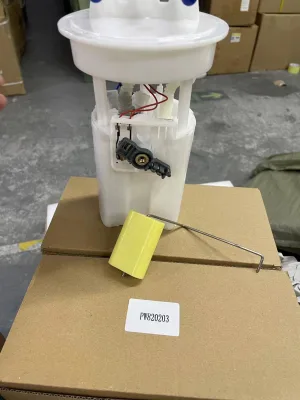
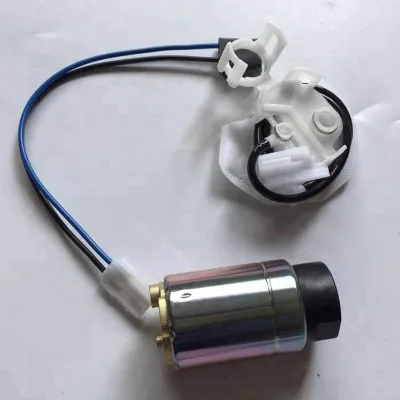


$28.00 - $38.00
MOQ: 10 Pieces


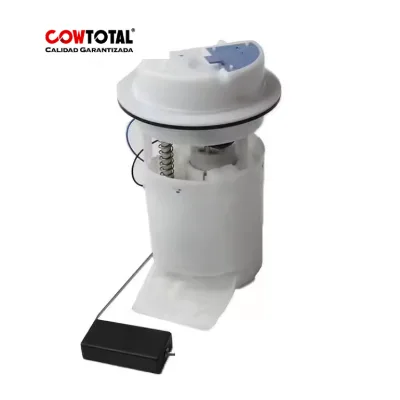


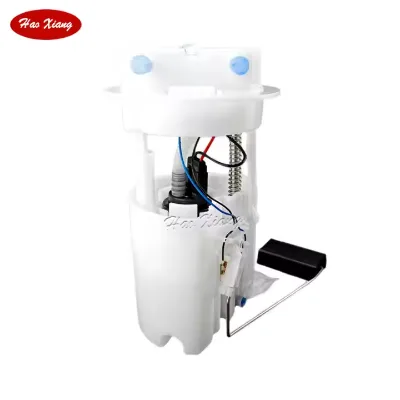
Comprehensive Sourcing Guide
Strategic Sourcing Guide for Electric Fuel Pumps Compatible with Proton Waja
The global automotive aftermarket continues to demand high-reliability components for aging vehicle platforms, with the Proton Waja representing a significant segment of demand in Southeast Asia and emerging markets. Sourcing an electric fuel pump compatible with this specific model requires a disciplined approach that balances technical compatibility, regulatory compliance, and supply chain reliability. This guide outlines the critical factors buyers must evaluate when procuring these components, ensuring that the selected products meet the rigorous demands of modern automotive repair and maintenance without relying on unverified market assumptions.
Technical Specifications and Compatibility Verification
The primary challenge in sourcing an electric fuel pump for the Proton Waja lies in the precise alignment of technical specifications with the vehicle's original equipment manufacturer (OEM) requirements. The Proton Waja, derived from the Mitsubishi Lancer platform, utilizes specific fuel delivery systems that demand exact flow rates and pressure tolerances. When evaluating potential products, buyers must verify that the component is explicitly listed as compatible with the target vehicle make and model.
In the current market, fuel pumps are categorized by their flow characteristics, which can be either variable or constant. Variable pump systems are often designed to adjust output based on engine load, whereas constant pumps provide a steady flow rate regardless of demand. For the Proton Waja, the specific fuel injection system dictates whether a variable or constant flow pump is required. Buyers should examine the product data for flow rate specifications, typically measured in liters per hour (lph). Market observations indicate that compatible units often feature flow rates in the range of 150 to 160 lph, though this must be cross-referenced with the specific engine variant of the Waja being serviced.
Pressure ratings are equally critical. The fuel system must maintain a consistent pressure to ensure proper atomization of the gasoline fuel. Observed specifications for compatible pumps in this category often cite a pressure rating of approximately 3 bar. Deviations from this standard can lead to engine performance issues, including hesitation, stalling, or failure to start. Furthermore, the physical dimensions and mounting points must match the OEM standard. The product model number and reference part numbers serve as the primary identifiers for compatibility. Buyers should look for reference numbers such as 23220-21211 or 23220-0p130, which are commonly associated with fuel pump assemblies for this vehicle class.
Compliance and Certification Standards
Ensuring that a fuel pump meets international and regional safety standards is a non-negotiable aspect of B2B procurement. The automotive industry relies heavily on certification to guarantee that components will not fail under operational stress or pose safety risks. When sourcing electric fuel pumps, buyers must verify the presence of recognized certifications on the product documentation.
Common certifications observed in the supply chain for automotive fuel systems include ISO standards and specific regional marks such as the E-Mark. These certifications indicate that the manufacturing process adheres to strict quality management protocols and that the product has undergone testing for safety and performance. Additionally, the material composition of the pump body is a key compliance factor. Products constructed from aluminum or other environment-friendly raw materials are preferred for their durability and resistance to corrosion. The presence of certifications like ISO and E-Mark provides a baseline assurance of quality, but buyers should also verify if the product meets the specific "OEM Standard" or "Standard" designation listed in the product specifications.
It is important to note that while some products may claim to meet ISO 9001 standards, this should be treated as a background observation rather than a guaranteed attribute for every listed item. Buyers must request specific certification documents for the batch they intend to purchase. The absence of clear certification data should trigger a deeper due diligence process, as non-compliant parts can lead to liability issues and vehicle safety failures.
Cost Drivers and Pricing Dynamics
The pricing of electric fuel pumps for the Proton Waja is influenced by a complex interplay of factors, including material costs, manufacturing complexity, and supply chain logistics. The observed price range in the market for these components spans from approximately $1.10 to $55.00 USD. This wide variance suggests that price alone is not a reliable indicator of quality; rather, it reflects differences in brand positioning, material quality, and the level of certification.
Several key drivers contribute to the final cost. First, the inclusion of kits is a significant factor. Products that come with complete kits, including necessary seals, filters, and mounting hardware, typically command a higher price point than bare pump units. Second, the brand name and reputation play a role in pricing. Established brands often charge a premium for their warranty and after-sales support. Third, the origin of the product affects costs. Manufacturing in regions like Shanghai or Zhejiang in China offers competitive pricing due to established supply chains, but shipping and import duties can alter the final landed cost.
Buyers should also consider the Minimum Order Quantity (MOQ) as a cost driver. While some suppliers offer low MOQs of 1 unit, others require orders of 50 to 100 pieces. Higher volume orders often unlock better unit pricing, but they also increase inventory holding costs. The lead time is another variable; standard delivery times of 30 days may be more cost-effective than expedited shipping options, which can significantly inflate the total procurement cost.
Typical Applications and Vehicle Integration
Understanding the typical applications of the electric fuel pump is essential for ensuring successful integration into the Proton Waja. These components are designed for aftermarket replacement, meaning they must fit seamlessly into the existing fuel system architecture without requiring extensive modification. The primary application is the replacement of worn-out or failed fuel pumps in vehicles that have reached the end of their original component lifespan.
The fuel pump serves as the heart of the fuel supply system, delivering gasoline from the tank to the engine at the correct pressure. In the context of the Proton Waja, the pump must be compatible with the vehicle's specific fuel injection system. The product specifications often highlight compatibility with various car makes, including Toyota, Chrysler, and Dodge, but the specific model number and reference part numbers are the definitive indicators for the Proton Waja. Buyers must ensure that the pump is not just a generic fit but is engineered to meet the specific flow and pressure requirements of the Waja's engine.
Additionally, the product type, such as "Auto Fuel Supply System" or "Fuel Injection Pump," provides context for the integration process. Some products may include kits that simplify the installation, reducing the risk of errors during the replacement process. The condition of the product, typically listed as "Brand New," ensures that the buyer receives a component that has not been subjected to prior wear and tear, which is critical for maintaining the vehicle's performance and fuel efficiency.
Supplier Evaluation and Quality Control
Selecting the right supplier is as important as selecting the right product. In the B2B procurement of automotive parts, buyers must evaluate suppliers based on their ability to deliver consistent quality, adhere to lead times, and provide robust after-sales support. The observed supply chain for these components is centered in China, with major manufacturing hubs in Shanghai and Zhejiang. While these regions offer competitive manufacturing capabilities, buyers must verify the specific capabilities of the supplier.
Quality control is a critical evaluation metric. Buyers should look for suppliers who explicitly state that their products meet "OE Standard" or "OEM Standard" quality levels. This indicates that the manufacturing process is aligned with the standards set by the original vehicle manufacturer. The inclusion of "High Quality" in product descriptions is a positive signal, but it should be backed by tangible evidence such as test results or certification documents.
After-sales service is another vital consideration. Suppliers that offer "Immediate After-Sale Service" or a warranty period of 12 months provide a safety net for buyers. This support is crucial for addressing any issues that may arise post-delivery, such as defects or compatibility problems. The warranty terms should be clearly defined, specifying the duration and the scope of coverage. Buyers should also verify the supplier's ability to handle returns and replacements efficiently, as this can significantly impact the overall procurement experience.
Long-Term Procurement Considerations
Sourcing electric fuel pumps for the Proton Waja is not a one-time transaction but part of a long-term procurement strategy. Buyers must consider the sustainability of the supply chain, the reliability of the product over time, and the potential for future compatibility issues. The lead time for these products is typically around 30 days, with some suppliers offering expedited delivery of 5 days for stock OE items. This variability requires buyers to plan their inventory levels carefully to avoid stockouts.
The packaging of the product is also a long-term consideration. Products are typically packed in PE bags and cartons, or boxes and cartons, which must be robust enough to prevent damage during transit. Proper packaging ensures that the product arrives in pristine condition, ready for installation. Additionally, the availability of spare parts and the longevity of the component are factors that influence the total cost of ownership. A pump with a longer lifespan and a reliable warranty reduces the frequency of replacements and the associated labor costs.
Buyers should also monitor the market for changes in standards and certifications. As regulations evolve, the requirements for automotive components may shift. Staying informed about these changes ensures that the procurement strategy remains compliant and effective. Finally, maintaining a relationship with a reliable supplier who can provide consistent quality and support is essential for long-term success in the automotive aftermarket.
Conclusion
Sourcing an electric fuel pump compatible with the Proton Waja requires a meticulous approach that prioritizes technical compatibility, regulatory compliance, and supplier reliability. By focusing on specific flow rates, pressure ratings, and reference part numbers, buyers can ensure that the selected product meets the exact needs of the vehicle. Verification of certifications and adherence to OEM standards are critical steps in mitigating risk and ensuring safety. While cost and lead time are important factors, they should not compromise the quality and reliability of the component. With a clear understanding of these elements, buyers can make informed decisions that support the long-term performance and safety of the Proton Waja fleet.
FAQs
What certifications do electric fuel pumps have?
Electric fuel pumps typically carry ISO and E-Mark certifications. Some listings also reference ISO standards for quality management. Buyers must verify specific certification documents for each batch to ensure compliance with safety and performance requirements.
Which flow rates are common for these pumps?
Compatible pumps often feature flow rates between 150 and 160 liters per hour. Some units operate as variable pumps while others function as constant pumps. The exact rate depends on the specific engine variant and fuel injection system of the vehicle.
Can I find pumps with a 3 bar pressure rating?
Yes, many compatible units are rated at approximately 3 bar pressure. This rating ensures proper fuel atomization and engine performance. Selecting a pump with this specific pressure is critical to avoid issues like stalling or hesitation during operation.
How long is the delivery time for these parts?
Standard delivery times are typically around 30 days. Some suppliers offer expedited shipping of 5 days for stock OE items. Lead times can vary, so buyers should confirm specific schedules before placing orders to manage inventory effectively.
What is the minimum order quantity for these pumps?
Minimum order quantities generally range from 1 to 100 pieces. Some suppliers require a minimum of 50 pieces per order. Lower MOQs may be available for specific items, but higher volume orders often unlock better unit pricing and cost efficiency.
Where are these fuel pumps manufactured?
Manufacturing locations are primarily in China, specifically Shanghai and Zhejiang. These regions offer competitive pricing due to established supply chains. Buyers should verify the specific origin listed for each product to understand potential logistics and import implications.