Source Electric Fuel Metering Valve for Cars, Trucks, and Motorcycles
Find 30 Electric Fuel Metering Valve options from verified suppliers in Ningbo, China. Compare specifications, certifications, and pricing for automotive and industrial applications to identify the right replacement or repair part.
Key considerations
Products List


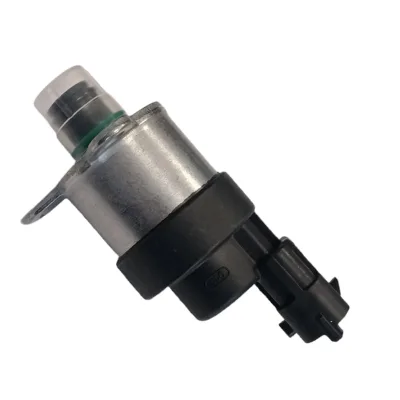
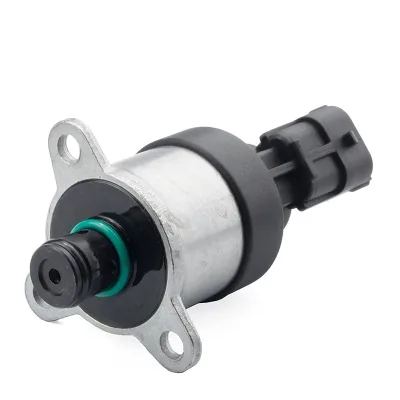


Fuel Metering Valve Fuel Pump Scv 294200-0120 2942000120 Suction Control Valve
$23.58 - $25.93
MOQ: 8 Pieces


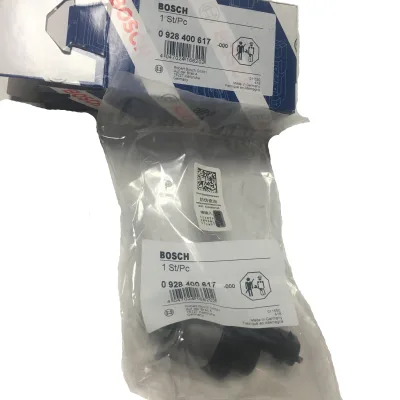
Reliable One Inch Metering Valve for Precise Fluid Control in Diverse Applications
$0.04 - $0.05
MOQ: 5000 Pieces




Comprehensive Sourcing Guide
Strategic Sourcing Guide for Electric Fuel Metering Valves
Understanding Technical Specifications and Model Variations
When sourcing electric fuel metering valves, buyers must first navigate the diverse landscape of technical specifications that define product performance. The core keyword, Electric Fuel Metering Valve, encompasses a range of devices designed to regulate fuel flow with precision, often serving critical roles in automotive, motorcycle, and industrial applications. The provided data indicates a significant variation in model designations, ranging from specific identifiers like "FUEL METERING VALVE-1" through "FUEL METERING VALVE-10," to alphanumeric codes such as "DF-F," "XC-11," and "GAZDLX." This diversity suggests that a single generic search term may yield products with vastly different internal mechanisms and application scopes.
Buyers should scrutinize the specific model number against their engineering requirements. For instance, certain listings reference OE numbers like "0928400639" and "0928400640," which are critical for replacement and repair scenarios in existing fleets. These numbers often correspond to specific vehicle manufacturers or engine types, making exact model matching essential for compatibility. Furthermore, the product attributes highlight that these valves are designed for "Gas" media and operate with "Automatic" automation features. This confirms their suitability for systems requiring automated fuel regulation rather than manual intervention.
The physical and operational parameters are equally vital. Specifications indicate a wide range of nominal diameters, from "Dn15500mm" or "Nps1/2"-20"," and pressure ratings spanning "Pn16100" or "Class150~600." While these ranges likely apply to the broader category of industrial valves found in the same supplier catalog, they serve as a benchmark for what is available in the market. For fuel metering specifically, the actuator type is a key differentiator; the data points to "Pneumatic Actuator" options, though electric variants are implied by the core search keyword. Buyers must verify whether the specific electric model they are sourcing utilizes an electric actuator or if the "electric" designation refers to the control signal rather than the actuation mechanism itself. The valve body types mentioned, such as "Three Way, Mixing or Diverting Type," further complicate the selection process, as the flow configuration must align with the system's hydraulic or pneumatic design.
Compliance, Certification, and Regulatory Standards
Navigating the compliance landscape is a non-negotiable step in B2B procurement, particularly for components that interact with fuel systems. The data reveals a robust array of certifications held by suppliers in this sector, including "DOT," "ISO/TS," "ISO," "IATF," "GMP," "HACCP," "GSV," "FSC," and "CE." The presence of "IATF" and "DOT" is particularly significant for automotive applications, as these standards address quality management systems and safety regulations specific to the vehicle industry. For buyers targeting the North American or European markets, "CE" and "RoHS" compliance are often mandatory, and the provided text confirms that some products meet "CE, RoHS, ISO" standards.
However, buyers must exercise caution when interpreting these certifications. The data lists certifications as attributes of the supplier or product line generally, rather than guaranteeing that every specific unit of a model like "FUEL METERING VALVE-6" possesses every listed credential. A responsible procurement strategy involves requesting specific certification documentation for the exact batch or model being purchased. For example, while "FSC" and "HACCP" are listed, these are typically associated with packaging or food-grade safety, which may be relevant for the packaging materials (e.g., "Carton," "Wooden Box," "Plywood Case") rather than the valve's internal mechanics.
The "Standard" attribute in the data further clarifies the regulatory context, citing "Auto, Motorcycle Parts & Accessories" and "Customized" standards. This implies that while some products adhere to established industry norms, others may be tailored to specific client requirements. Buyers should verify if the "Customized" standard applies to the valve's design or merely its branding. Additionally, the mention of "SGS" alongside "CE" suggests third-party verification is available, which adds a layer of trust for international shipments. It is crucial to confirm that the "New" condition of the product aligns with the certification validity, as refurbished or remanufactured parts may have different compliance implications.
Cost Drivers and Pricing Dynamics
The financial aspect of sourcing electric fuel metering valves is influenced by a complex interplay of factors, including customization, volume, and material composition. The observed price range in the market spans from $0.02 to $288 USD, a disparity that reflects the vast difference between simple components and complex, high-specification assemblies. This wide range indicates that price is not a reliable standalone indicator of quality without context. A unit priced at $0.02 might be a basic accessory or a small component, whereas a unit at $288 likely represents a fully integrated, high-pressure, or specialized electric actuator system.
Minimum Order Quantity (MOQ) is another primary cost driver. The data shows an MOQ range from 1 to 10,000 units, with a specific observation of "100PCS" for certain items. Suppliers offering an MOQ of 1 are ideal for prototyping or low-volume maintenance needs, but they often command a higher unit price to cover setup and handling costs. Conversely, buyers seeking to optimize costs for large-scale production must be prepared to meet higher MOQ thresholds. The "Customized Brand and Samples" attribute suggests that branding and sample development can incur additional fees, which should be factored into the total cost of ownership.
Material costs also play a significant role. The data lists materials such as "PP Material" (Polypropylene) and "Wcb, CF8, CF8m" (various cast steels and stainless steels). Stainless steel variants like CF8 and CF8m are generally more expensive than carbon steel (Wcb) or plastic (PP) due to their superior corrosion resistance and durability, especially in harsh environments involving steam, oil, or gas. The choice of material directly impacts the price and the suitability of the valve for specific temperature ranges, which are noted as spanning from "-196 Deg C" to "+566 Deg C." Buyers must balance the initial cost against the long-term value of durability and maintenance savings.
Typical Applications and Operational Environments
Electric fuel metering valves serve a multitude of industries, driven by their ability to precisely control fluid flow in automated systems. The data highlights applications in the "Auto" and "Motorcycle Parts & Accessories" sectors, where these valves are used for engine management, fuel injection, and emission control. The specific mention of "OE_no_" (Original Equipment Number) reinforces their role in the aftermarket repair and replacement market, where exact compatibility is paramount for vehicle performance and safety.
Beyond automotive, the specifications suggest broader industrial applications. The "Applicable Medium" list includes "Steam, Oil, Gas," and the "Media" attribute specifies "Gas," indicating suitability for energy generation, petrochemical processing, and HVAC systems. The "Main Feature" of having "2 Inlet, 1 Outlet or 1 Inlet, 2 Outlet" points to their use in mixing or diverting applications, which are common in chemical processing and boiler systems. The wide temperature range of "-196 Deg C to +566 Deg C" further expands their utility to cryogenic applications and high-temperature industrial furnaces.
The "Main Market" data, which includes regions like "South America," "North America," "Eastern Europe," and "Southeast Asia," suggests that these valves are designed to meet diverse environmental and regulatory standards. Buyers should consider the operating environment of their specific application. For instance, a valve used in "Northern Europe" might require different corrosion protection than one used in "Southern Europe" or "Africa." The "Condition" being listed as "New" and the "Purpose" being "for replace/repair" confirms that these are functional components intended for active service, not just display or testing.
Supplier Evaluation and Geographic Considerations
Selecting the right supplier is as critical as selecting the right product. The data indicates that the primary origin for these products is "Ningbo, Zhejiang" or generally "Zhejiang, China," with some references to "China" as a broad origin. Ningbo is a major port city and manufacturing hub, known for its expertise in exporting mechanical and electrical components. This geographic concentration suggests a mature supply chain with established logistics capabilities, which can be beneficial for lead times and shipping efficiency.
When evaluating suppliers, buyers should look beyond the origin and focus on the "Customization" capabilities. The data notes that "Customized Brand and Samples" are available, and "Customization" is listed as "Available." This indicates a flexible manufacturing base capable of adapting to specific client needs, such as custom branding, modified specifications, or tailored packaging. The "Quality" attribute is described as "Good," but this is a subjective claim. Buyers must verify this through third-party audits or by reviewing the supplier's track record with certifications like "IATF" and "ISO."
The "prod_packing" options, ranging from "Carton" to "Wooden Box" and "Plywood Case," offer insights into the supplier's attention to detail and logistics readiness. For international shipping, "Standard Export Packing" or "Wooden Box" is often required to prevent damage during transit. Buyers should ensure that the packaging meets the specific requirements of their destination country's import regulations. Additionally, the "Automation" attribute being "Automatic" suggests that the supplier is capable of producing high-tech, automated components, which is a positive indicator of their technical sophistication.
Quality Control and Long-Term Procurement Strategy
Ensuring consistent quality is the cornerstone of a successful long-term procurement strategy. The data provides several indicators of quality control measures, including the "Quality" attribute listed as "Good" and the presence of rigorous certifications like "IATF," "ISO," and "GSV." These certifications imply that the supplier adheres to international quality management standards. However, buyers should not rely solely on these general claims. Instead, they should implement a robust quality control protocol that includes pre-shipment inspections, material verification, and functional testing.
The "Condition" of the product being "New" is a baseline requirement, but buyers must also verify the "Lead Time" and "MOQ" to ensure supply chain stability. While specific lead times are not provided in the data, the wide MOQ range (1-10,000) suggests that suppliers can accommodate both urgent, small orders and planned, large-scale production runs. For long-term contracts, buyers should negotiate terms that secure consistent supply, potentially leveraging the "Customized" nature of the products to create a strategic partnership with the supplier.
Finally, the "Main Feature" and "Applicable Temperature Range" data highlight the importance of performance validation. Buyers should request test results or performance data for the specific model they are sourcing to ensure it meets the operational demands of their application. The "Connection" types, such as "Flanged" and "Butt Welded," require precise installation, so verifying the dimensional accuracy and surface finish of the valves is essential. By combining a thorough understanding of technical specifications, a rigorous compliance check, and a strategic approach to supplier evaluation, buyers can secure reliable electric fuel metering valves that deliver value and performance over the long term.
FAQs
What certifications do electric fuel metering valves typically hold?
These valves often carry certifications like CE, ISO, IATF, and DOT. Buyers must verify specific batch documentation as not every model includes all listed credentials such as HACCP or FSC which may apply to packaging.
Which model numbers are available for fuel metering valves?
Available models include FUEL METERING VALVE-1 through FUEL METERING VALVE-10, DF-F, XC-11, and GAZDLX. Some listings also reference specific OE numbers like 0928400639 for direct replacement purposes.
Can buyers request custom branding and samples for these valves?
Yes, customization for brand and samples is available from suppliers. This option allows buyers to tailor products to specific needs but may involve additional fees and distinct minimum order quantities.
What is the typical minimum order quantity for these valves?
The minimum order quantity ranges from 1 to 10,000 units depending on the supplier. Some specific items list an MOQ of 100 pieces, while others allow single unit purchases for prototyping.
Where are these electric fuel metering valves manufactured?
Most products originate from Ningbo, Zhejiang, China. This region is a major manufacturing hub known for exporting mechanical and electrical components with established logistics capabilities for international shipping.
What materials are used to construct these valve bodies?
Valve bodies are constructed from materials like Wcb, CF8, CF8m, and PP. Stainless steel variants offer superior corrosion resistance for harsh environments involving steam, oil, or gas compared to plastic options.