Source Oversized Sweatpants for Streetwear, Gym, and Lounging
Find 30 Oversized Sweatpants options from Chinese manufacturers. Compare materials like cotton blends and fleece weights, fit types, and customization features to source the right joggers for your brand; compare the available evidence and request quotations based on your requirements.
Key considerations
Products List
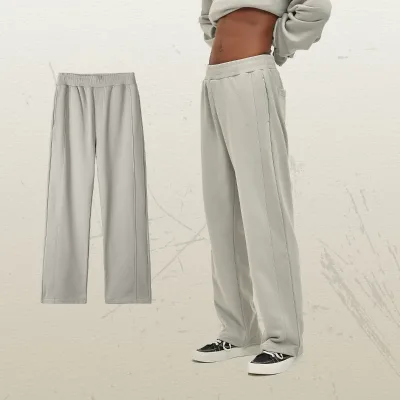
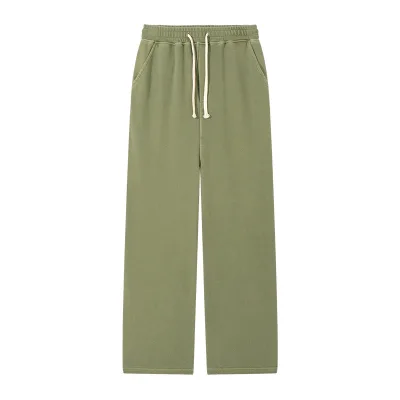
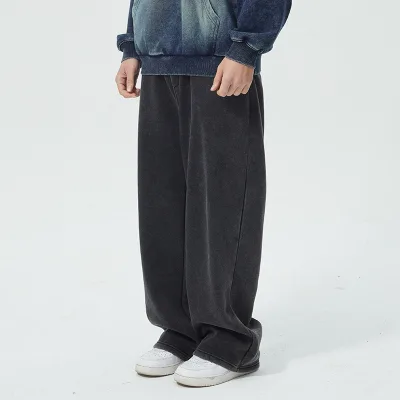
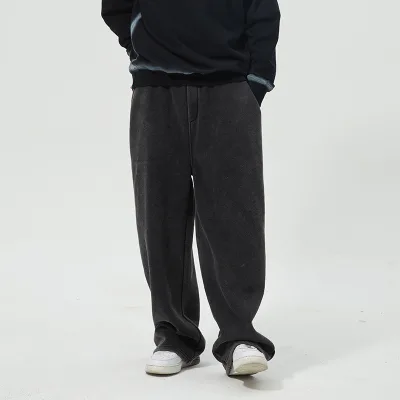


Sweatpants for Men - Oversized Heavyweight Men's Blank Cotton Wide-Leg Double-Waist Loose
$10.50 - $12.50
MOQ: 30 Pieces


Private Label Custom Stacked Cotton Jogger Sweatpants with Pockets Wholesale
$7.00 - $13.00
MOQ: 100 Pieces

Custom Unisex Sweatpants Joggers in Bulk Wholesale Cotton Best Sweatpants
$7.00 - $13.00
MOQ: 100 Pieces
Comprehensive Sourcing Guide
Oversized Sweatpants Sourcing Guide
Sourcing Oversized Sweatpants requires a strategic balance between aesthetic trends and functional durability, particularly when dealing with bulk manufacturing from major production hubs like Guangdong, China. Buyers must navigate a landscape where supply types vary significantly between in-stock items and custom manufacturing runs, impacting both lead times and minimum order quantities. The observed market signals indicate a strong presence of manufacturers offering competitive factory prices, yet these cost advantages often come with specific constraints regarding color variations and style mixing. Understanding these foundational supply dynamics is crucial for establishing realistic procurement timelines and budget expectations before engaging with potential vendors.
The product range spans multiple seasonal adaptations, with winter fleece options being particularly prominent alongside versatile pieces suitable for spring, autumn, and summer wear. Key material compositions observed include an 87% cotton and 13% polyester blend, as well as heavyweight 100% cotton options weighing around 320 grams, each offering distinct performance characteristics. Buyers should carefully evaluate whether the desired fit, such as loose or straight-leg silhouettes, aligns with the specific fabric weight and weave type, ensuring that the final product meets both the visual style requirements and the functional needs of the target demographic without compromising on comfort or longevity.
Product Scope and Observed Listing Signals
The current market for Oversized Sweatpants features a diverse array of styles, including hip hop, vintage, patchwork, and high street aesthetics, catering to a broad spectrum of consumer preferences. Listings frequently highlight specific design elements such as printed patterns, silk screen printing, or heat-transfer techniques, which significantly influence the final look and production complexity. Buyers should note that while some suppliers offer solid color options in shades like apricot, gray, and black, others provide more intricate designs that may require additional verification of print quality and durability. This variety allows for flexible sourcing strategies but demands careful attention to detail to ensure consistency across large orders.
Supply type indicators reveal a mix of in-stock items and custom manufacturing capabilities, with minimum order quantities ranging from a single piece for samples to larger bulk orders starting at five pieces per style. This flexibility supports both rapid prototyping and large-scale production, though it necessitates clear communication regarding color and style mixing policies. The presence of brands like Halo East and Liluo suggests a competitive environment where logo customization and label placement are common offerings, enabling buyers to create unique product identities. However, the variability in sample order support and bulk production times underscores the need for early engagement with suppliers to secure desired inventory levels.
Technical Specifications to Verify
Technical verification begins with confirming the precise material composition and fabric weight, as these factors directly impact the garment’s drape, warmth, and longevity. For instance, a 320g heavyweight 100% cotton fabric offers substantial durability and warmth, suitable for winter wear, while an 87% cotton and 13% polyester blend may provide enhanced breathability and quick-drying properties. Buyers must also verify the weaving method, such as knitted or worsted fabric types, and ensure that the closure type, whether elastic waist or drawstring, aligns with the intended fit and comfort level. These specifications are critical for maintaining product consistency and meeting the functional expectations of the end consumer.
Fit and sizing standards require meticulous attention, as oversized silhouettes can vary significantly between manufacturers. Buyers should cross-reference US size charts, such as S(30) to 2XL(38), with the supplier’s specific measurements to avoid sizing discrepancies. Additionally, the thickness classification, whether fleece or heavyweight, must be confirmed to ensure the product meets seasonal requirements. Verification of single package dimensions and gross weight is also essential for logistics planning, as these factors influence shipping costs and storage requirements. Ensuring that all technical specifications are clearly documented in the purchase agreement helps prevent misunderstandings and ensures that the final product matches the initial samples.
Compliance and Safety Documentation
Compliance and safety documentation are paramount when sourcing apparel, particularly when dealing with international markets that have strict regulatory requirements. Buyers should request evidence of adherence to recognized standards such as OEKO-TEX or GOTS, which certify that the materials are free from harmful substances and produced in an environmentally responsible manner. Although specific certification statuses may not be explicitly listed in all product descriptions, verifying these credentials is crucial for ensuring product safety and market access. Buyers must proactively ask suppliers for relevant test reports and certificates to confirm that the sweatpants meet the necessary health and environmental standards for their target regions.
Quality control processes also play a vital role in ensuring compliance, with many suppliers offering 100% QC inspections before shipment. Buyers should inquire about the specific inspection criteria and protocols used by the manufacturer to identify and rectify defects such as stitching errors, fabric flaws, or printing inconsistencies. Additionally, understanding the supplier’s approach to eco-friendly practices and anti-static properties can provide insights into their commitment to sustainable and safe production methods. By prioritizing compliance and safety documentation, buyers can mitigate risks associated with product recalls, regulatory penalties, and reputational damage, ensuring a smoother and more reliable procurement process.
Cost Drivers and Commercial Terms
Cost drivers for Oversized Sweatpants are influenced by several factors, including material composition, fabric weight, and the complexity of printing or decoration techniques. Heavyweight 100% cotton fabrics and intricate designs such as patchwork or vintage styles typically command higher prices due to increased material and labor costs. Buyers should also consider the impact of customization options, such as custom logos and labels, which may incur additional fees. Understanding these cost drivers allows for more accurate budgeting and negotiation, ensuring that the final price aligns with the desired quality and design specifications without unexpected surcharges.
Commercial terms, including minimum order quantities and lead times, significantly impact the overall procurement strategy. While some suppliers offer low MOQs for sample orders, bulk production often requires larger commitments, with lead times ranging from 15 to 30 days. Buyers must factor in these timelines when planning inventory levels and sales campaigns to avoid stockouts or excess inventory. Additionally, the availability of sample orders and the associated lead times, such as seven days for samples, provide opportunities for quality verification before committing to large production runs. Clear communication regarding payment terms, shipping methods, and return policies is essential to establish a transparent and mutually beneficial commercial relationship.
Supplier Qualification and Quality Control
Supplier qualification involves a thorough assessment of the manufacturer’s capabilities, including their business type, production capacity, and quality control processes. Buyers should verify that the supplier is a legitimate manufacturer or factory, as indicated by their business type, and assess their experience in producing Oversized Sweatpants with the desired specifications. Evaluating their track record in handling custom orders, such as logo placement and fabric customization, provides insights into their flexibility and attention to detail. Additionally, checking for any relevant certifications or quality management systems can further validate the supplier’s reliability and commitment to producing high-quality garments.
Quality control measures should be rigorously enforced throughout the production process, from raw material inspection to final product packaging. Buyers should request detailed quality control plans that outline the specific checks and balances in place at each stage of production. This includes verifying fabric weight, stitching integrity, print durability, and overall fit against the approved samples. Implementing third-party inspection services for bulk orders can provide an additional layer of assurance, ensuring that the final products meet the agreed-upon standards. By prioritizing supplier qualification and robust quality control, buyers can minimize the risk of receiving substandard products and maintain a consistent brand image.
Long-Term Procurement Checks
Long-term procurement checks focus on building sustainable relationships with suppliers and ensuring continuous improvement in product quality and service. Buyers should regularly review supplier performance metrics, such as on-time delivery rates, defect rates, and responsiveness to issues, to identify areas for improvement. Establishing clear communication channels and regular feedback loops can help address any concerns promptly and foster a collaborative partnership. Additionally, staying informed about industry trends and technological advancements in fabric and printing techniques allows buyers to innovate and stay competitive in the market.
Continuous monitoring of market dynamics and competitor offerings is essential for maintaining a competitive edge. Buyers should periodically reassess their sourcing strategies to ensure they are leveraging the best available options in terms of cost, quality, and lead times. Engaging in regular supplier audits and performance reviews can help identify potential risks and opportunities for optimization. By maintaining a proactive approach to long-term procurement checks, buyers can ensure that their supply chain remains resilient, efficient, and aligned with their strategic business goals, ultimately driving sustained growth and success in the apparel industry.
FAQs
What material is used for the Oversized Sweatpants?
The Oversized Sweatpants are made from 100% cotton or a blend of 87% cotton and 13% polyester. This fabric composition ensures durability and comfort while providing a soft hand feel suitable for winter wear and everyday casual use.
Can I order a sample before placing a bulk order?
Yes, sample orders are supported with a lead time of about 7 days. Buyers can request samples to verify quality before committing to larger quantities, ensuring the product meets specific design and material expectations for their business needs.
What is the minimum order quantity for these sweatpants?
The minimum order quantity varies, with some listings accepting just one piece while others require five pieces per style. Different colors can be mixed within the order to meet the specific minimum requirements set by the manufacturer for production.
How long does it take to produce a bulk order?
Bulk order production typically takes about 15 to 30 days from the time of confirmation. This timeline allows for proper manufacturing, quality control inspections, and packaging preparation to ensure the final goods are ready for shipment to the buyer.
Which printing methods are available for customizing the sweatpants?
Available printing methods include silk screen printing and heat-transfer printing for custom designs. These techniques allow for various decoration styles, ensuring that logos and graphics can be applied effectively to the fabric for branding or aesthetic purposes.
What sizes are available for the men's Oversized Sweatpants?
The sweatpants are available in sizes ranging from Small to 2XL, corresponding to US sizes 30 through 38. This size range accommodates various body types, ensuring a loose fit that aligns with the vintage and hip hop style preferences of the target market.
Where are these sweatpants manufactured and shipped from?
These sweatpants are manufactured in Guangdong, China, by a factory specializing in men's apparel. The location indicates a centralized production hub known for textile manufacturing, facilitating efficient logistics and supply chain management for international buyers seeking competitive pricing.