Source Electric Izod Impact Test Machine for Plastics, Metals, and Composites
Compare 30 Electric Izod Impact Test Machine listings from verified Chinese manufacturers. Buyers can evaluate specifications like pendulum energy, impact velocity, and control methods to select the right equipment for material testing needs; compare the available evidence and request quotations based on your requirements.
Key considerations
Products List


Professional Izod and Charpy Impact Test Machine for Plastics Test Machine
$1500.00 - $5000.00
MOQ: 1 set


$2058.00 - $2647.00
MOQ: 1 Pieces


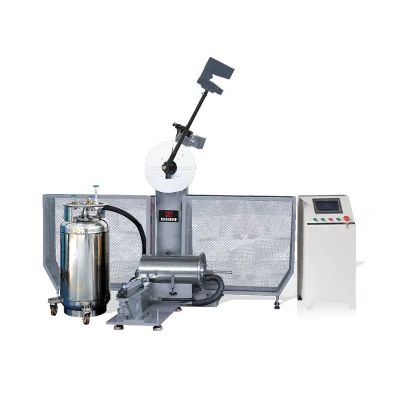


Izod Impact Test/ Impact Pendulum Tester/ Charpy and Izod Pendulum Impact Tester
$1700.00 - $2200.00
MOQ: 1 Sets

Plastic Izod/Charpy Impact Resistance Tester Charpy Impact Testing Machine
$1599.00 - $4999.00
MOQ: 1 Pieces

Plastic Izod Impact Tester Digital Plastic Impact Tester Plastic Impact Strength Tester
$1599.00 - $4999.00
MOQ: 1 Pieces

Charpy Izod Tensile Impact Strength Tester Digital Charpy Impact Tester
$1700.00 - $2200.00
MOQ: 1 Sets


High Quality Custom Design Digital Izod and Charpy Combined Impact Test Machine
$2250.00 - $2700.00
MOQ: 1 Pieces


Comprehensive Sourcing Guide
Electric Izod Impact Test Machine Sourcing Guide
Procuring an electric Izod impact testing machine requires a careful balance between mechanical precision and digital control capabilities. Buyers must first define the specific material types they intend to test, as this dictates the necessary pendulum energy and impact velocity. The observed market data indicates a wide range of available models, from manual control systems to fully computer-controlled units, each offering different levels of automation and data logging. Understanding these distinctions is crucial for aligning the equipment with your laboratory’s throughput requirements and budget constraints.
The sourcing process also involves evaluating the physical footprint and power requirements of the machine. Available units vary significantly in weight, ranging from approximately 160 kg to over 2000 kg, which impacts installation logistics and floor loading considerations. Power sources are typically AC220V or AC380V, necessitating a review of your facility’s electrical infrastructure before finalizing a purchase. By focusing on these foundational technical and logistical factors, buyers can narrow down the supplier list to those capable of delivering a machine that meets both current testing needs and future scalability goals.
Product Scope and Observed Listing Signals
The current market for electric Izod impact testers presents a diverse array of models, with observed prices ranging from $1,100 to $14,000 USD. This broad spectrum reflects variations in automation levels, accuracy grades, and additional features such as digital displays or computer control interfaces. Most suppliers offer a minimum order quantity of one unit, allowing for flexible procurement strategies for individual laboratories or small-scale testing facilities. The presence of OEM and ODM services suggests that buyers can request customizations to fit specific operational workflows or branding requirements.
Listing signals indicate that manufacturers are primarily located in Guangdong and Jiangsu provinces in China, with many offering export-ready wooden case packaging. Key technical attributes observed include pendulum energies around 3.5 m/s and impact velocities of 3.5 meters per second, which are standard for many plastic and polymer testing applications. Some models specify a maximum capacity of less than 1000 kN, while others support workpiece masses up to 900 kg. These signals help buyers identify the general class of equipment available, though specific model numbers like ZH-JZL-5D or QT-5201 Series require further verification to ensure they match the intended testing standards.
Technical Specifications to Verify
When evaluating technical specifications, buyers must verify the accuracy grade and control method of the impact machine. Observed data shows options ranging from manual control to computer control, with accuracy grades often listed as 0, which typically implies high precision. It is essential to confirm the energy display accuracy, with some models offering readings as precise as 0.01 J. The impact center distance and the distance from the impact blade to the clamp are critical geometric parameters that must align with the sample dimensions and testing standards you intend to follow.
Additionally, the cutting edge radius and pendulum up angle are vital for ensuring consistent and repeatable test results. Specifications such as a cutting edge radius of R=0.8±0.2 mm and a pendulum up angle of 150° or 160° are commonly cited and should be cross-referenced with your specific material testing protocols. Buyers should also check the maximum diameter of the workpiece, which can range from less than 500 mm to 1200 mm depending on the model. Verifying these mechanical dimensions ensures that the machine can accommodate your largest samples without modification or risk of damage.
Compliance and Safety Documentation
Compliance with international standards is a non-negotiable aspect of sourcing impact testing equipment. Many suppliers list certifications such as CE, RoHS, FCC, ISO, and SGS, which indicate adherence to safety and quality management systems. However, buyers must verify that the machine specifically complies with the testing standards relevant to their industry, such as ISO 179, ISO 180, ISO 8526, or ASTM D 256. These standards govern the methodology for determining the impact resistance of plastics and other materials, and using a non-compliant machine can invalidate test results.
Safety documentation should also include detailed user manuals and maintenance guides that outline proper operation and emergency procedures. The loading method, whether dynamic or static, and the load way, whether electronic or manual, must be clearly documented to ensure safe operation. Buyers should request evidence of factory acceptance tests and calibration certificates to confirm that the machine meets its stated specifications out of the box. This due diligence helps mitigate risks associated with equipment failure or inaccurate data, which can have significant implications for product quality and regulatory compliance.
Cost Drivers and Commercial Terms
The cost of an Electric Izod Impact Test Machine is influenced by several key factors, including the level of automation, accuracy, and additional features. Models with computer control and digital displays tend to be more expensive than their manual counterparts due to the integrated software and hardware components. The weight and size of the machine also play a role, as heavier units require more robust construction and potentially more complex shipping arrangements. Buyers should consider the total cost of ownership, including installation, calibration, and potential maintenance costs, rather than just the initial purchase price.
Commercial terms such as payment methods, warranty periods, and after-sales support services are critical components of the procurement agreement. Most suppliers offer customization services, which may incur additional costs but can provide significant long-term value by tailoring the machine to specific needs. It is advisable to negotiate clear terms regarding delivery times, packaging standards, and liability for transit damage. Understanding these commercial dynamics allows buyers to make informed decisions that balance upfront costs with long-term operational efficiency and support.
Supplier Qualification and Quality Control
Supplier qualification is a critical step in ensuring the reliability and performance of the purchased impact testing machine. Buyers should verify the supplier’s manufacturing capabilities, quality control processes, and track record in the industry. Requesting references from previous clients and reviewing case studies can provide insights into the supplier’s ability to deliver high-quality equipment and responsive support. Additionally, suppliers that offer OEM and ODM services often have more flexible and robust engineering teams, which can be beneficial for custom projects.
Quality control measures should include pre-shipment inspections and third-party verification if necessary. Buyers should ensure that the supplier provides comprehensive documentation, including calibration certificates and test reports, to verify that the machine meets all specified performance criteria. Establishing a clear communication channel with the supplier for technical support and troubleshooting is also essential. By prioritizing suppliers with strong quality control practices and transparent business operations, buyers can reduce the risk of receiving defective equipment and ensure a smoother procurement process.
Long-Term Procurement Checks
Long-term procurement success depends on establishing a sustainable relationship with the supplier and ensuring ongoing support for the equipment. Buyers should inquire about the availability of spare parts, consumables, and software updates to maintain the machine’s performance over time. A reliable supplier will offer a comprehensive warranty and accessible technical support to address any issues that may arise during operation. Regular maintenance schedules and calibration services should also be discussed to ensure the machine continues to meet accuracy standards.
Furthermore, buyers should monitor industry trends and technological advancements that may impact their testing needs. As materials and testing standards evolve, the ability to upgrade or modify the impact testing machine becomes increasingly important. Maintaining open lines of communication with the supplier can facilitate access to new features or models that align with future requirements. By planning for long-term support and adaptability, buyers can maximize the return on their investment and ensure that their testing capabilities remain competitive and compliant.
FAQs
How accurate is the energy display on an Electric Izod Impact Test Machine?
The listed machines provide an energy display accuracy of 0.01 J, which allows fine resolution when reading absorbed impact energy values. This level of precision suits laboratory quality control and material comparison work. Actual results also depend on specimen preparation, clamp condition, and pendulum calibration, so regular verification against reference specimens is recommended for consistent measurements.
What certifications do these electric izod impact test machines carry?
The products are listed with CE, RoHS, FCC, ISO, and SGS certificates, covering safety, electromagnetic compatibility, and quality management requirements. Certification scope can vary by model and shipment, so buyers should confirm which certificates apply to the specific configuration before ordering. Copies of certificates are normally available from the supplier during the quotation process.
Can the izod impact test machine be customized for non-standard testing needs?
Yes, customization is listed as available, and OEM, ODM, and non-standard services are offered. This can include adjustments to pendulum energy, clamp dimensions, control method, and reporting to match specific test standards or specimen types. Provide detailed requirements such as specimen size, required standards, and energy range so the supplier can propose a suitable configuration and quotation.
What power supply does the Electric Izod Impact Test Machine require?
Listed power sources include AC220V and AC380V depending on the model, so buyers should match the machine to their local laboratory supply. Models are electronically powered with digital display, and weights range from about 100 kg up to 2000 kg. Confirm voltage, frequency, and floor loading capacity at the installation site before shipment to avoid commissioning delays.
How is the Electric Izod Impact Test Machine packed for export?
Machines are packed in wooden cases or strong wooden cases suitable for export shipping, protecting the pendulum, display, and clamp assembly during transit. Wooden packaging also simplifies customs handling in many destinations. Buyers should confirm case dimensions and gross weight with the supplier, since models range from roughly 160 kg to 2000 kg, and arrange appropriate unloading equipment at delivery.
What specimen capacities do these izod impact testers handle?
Specified capacities vary by model. Some listings state a mass scope of workpiece below 900 kg and maximum workpiece diameter of 1200 mm, while other series handle workpieces under 500 mm in diameter. Key geometry includes a 335 mm impact center distance and 22 mm distance from impact blade to clamp. Match the model to your specimen sizes and required test standard.
Which test standards can the Electric Izod Impact Test Machine support?
Listings reference standards such as ISO 179, ISO 180, ISO 8526, and ASTM D 256, along with ISO standard configurations. Because standard support depends on the specific model, clamp design, and pendulum energy, buyers should state the exact standards and specimen dimensions they must follow. Customization is available, so non-standard requirements can often be accommodated through OEM or ODM service.
How does the pendulum operate in these impact testing machines?
The pendulum lifts to an up angle of about 150 degrees and strikes at an impact velocity of 3.5 meters per second with 3.5 m/s pendulum energy on listed models. Operation is available with manual control or computer control depending on the model. Impact energy is read on a digital display with 0.01 J resolution, and the cutting edge radius is specified as R=0.8±0.2 mm.