Source Electric Mosquito Mat Solutions for Home, Restaurant, and Hotel Use
Find 28 Electric Mosquito Mat options from Guangzhou suppliers. Compare features like rechargeable heaters, jasmine and rose scents, and 8-12 hour effective times. Source reliable pest control devices for home, toilet, and restaurant applications with OEM/ODM services available.
Key considerations
Products List


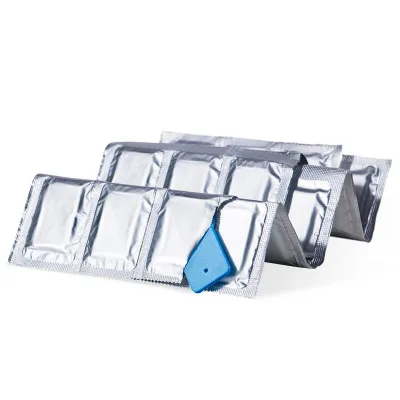
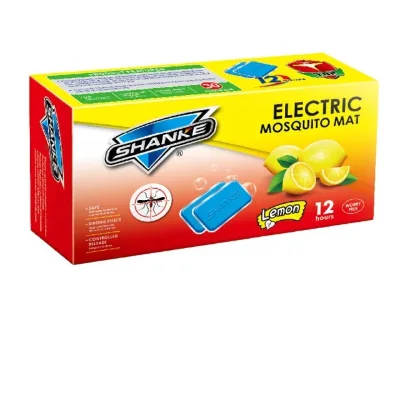
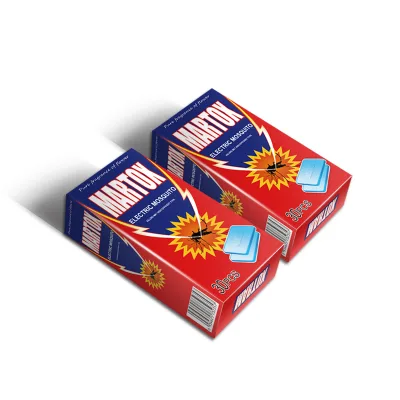
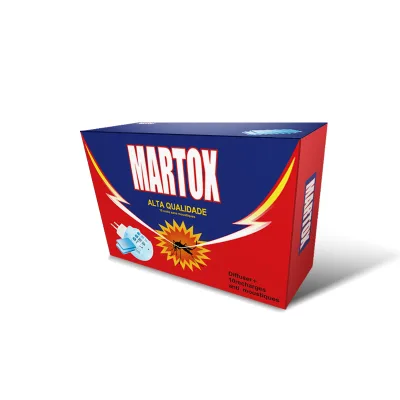


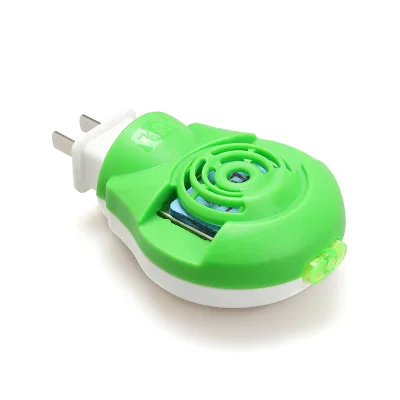
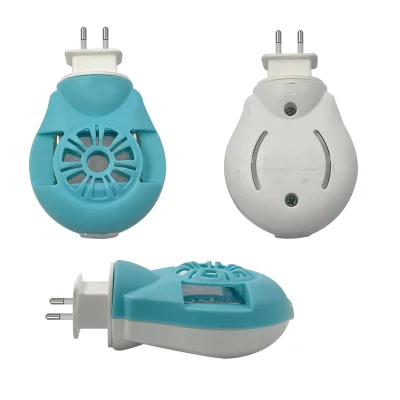

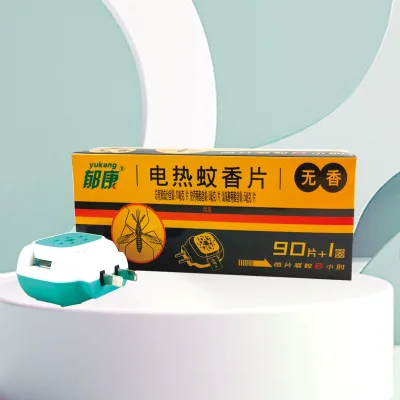
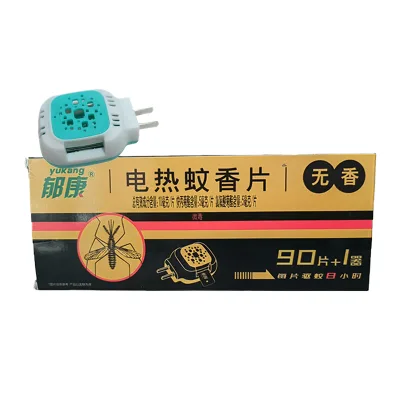


Comprehensive Sourcing Guide
Electric Mosquito Mat Sourcing Guide
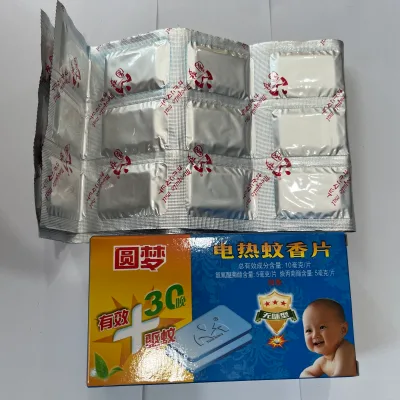
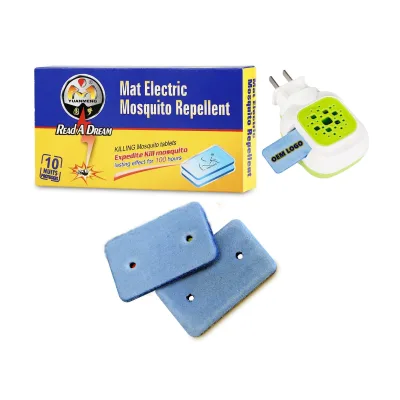
The Electric Mosquito Mat market presents a distinct category of pest control solutions where the primary mechanism involves heating a treated mat to release active ingredients into the surrounding air. Based on observed product listings, these devices are frequently categorized as mosquito repellent heaters or mosquito killers, utilizing specific chemical formulations such as Esbiothrin at concentrations like 2.6% to ensure efficacy against mosquitoes. Buyers should recognize that while the core function remains consistent, the physical form of the consumable varies, with some listings describing the product as a solid mat designed for use in electric heaters, while others may refer to the entire unit as a mosquito repeller.
Procurement decisions for this category require a clear understanding of the operational environment, as these products are typically designed for indoor spaces such as homes, toilets, and restaurants. The effective time for a single unit or mat is a critical performance metric, with observed data indicating durations ranging from 8 hours per piece to 12 hours when used within a specific mosquito mat heater configuration. This variance suggests that buyers must verify the specific usage conditions and device compatibility to ensure the product meets their coverage needs for a full night's protection without premature depletion of the active chemical agent.
Product Scope and Observed Listing Signals
When evaluating product listings, buyers will encounter a range of physical forms and functional descriptions that define the scope of the Electric Mosquito Mat category. The observed data indicates that the product type is broadly classified under pesticides, with specific attributes noting the pest type as mosquitoes and the function as either a mosquito repeller or a mosquito killer. The physical form is consistently described as solid, often taking the shape of a mat, which is inserted into an electric heating unit to release the active ingredient. This distinction is vital for procurement, as the mat itself is a consumable that requires a compatible power supply, typically electric, to function correctly.
Commercial signals in the market reveal significant variability in packaging and customization options, which directly impacts logistics and branding strategies. Listings show that products are often packed in cartons, with specific configurations such as 120 boxes per carton or 30 pieces per box, and some suppliers offer Kraft carton packaging for enhanced protection. Furthermore, the availability of customization is a key signal, with many suppliers offering OEM/ODM services and the ability to customize the product design or branding. Buyers should note that while some products are described as disposable, others may be part of a rechargeable system, requiring careful verification of the product model and intended lifecycle before placing an order.
Technical Specifications to Verify
Technical verification for electric mosquito mats must begin with the active chemical composition and its concentration, as this determines the efficacy and safety profile of the product. The supplied facts highlight Esbiothrin at 2.6% as a specific chemical component found in these products, which is a common pyrethroid used for its insecticidal properties. Buyers should request detailed safety data sheets to confirm the exact concentration and ensure that the formulation aligns with local regulations and safety standards for indoor use. Additionally, the effective time of the product, observed to range from 8 to 12 hours, must be validated under the specific operating conditions of the intended heating device to prevent under-dosing or over-exposure.
The physical and operational specifications of the heating unit and the mat itself are equally critical for ensuring compatibility and performance. Specifications such as the product model, which includes names like PowerGard and Konnor, and the design type, often described as regular, should be cross-referenced with the intended application space, which is noted to be less than 50 square meters. Buyers must also verify the power supply requirements, as these devices are electrically powered, and confirm the shelf life, which can range from 2 to 3 years depending on the specific product formulation. The scent profile, including options like Jasmine, Rose, and Lemon, is another technical attribute that influences user acceptance and should be matched to the target market's preferences.
Compliance and Safety Documentation
Compliance and safety documentation are non-negotiable elements when sourcing electric mosquito mats, particularly given the chemical nature of the active ingredients. The observed listings frequently cite MSDS (Material Safety Data Sheet) as a standard certification, which provides essential information on the handling, storage, and emergency measures for the chemical components. Buyers must ensure that the supplier provides a valid MSDS for every batch, as this document is crucial for customs clearance and for demonstrating due diligence regarding the safety of the product. The presence of MSDS as a standard indicates a baseline level of chemical transparency, but it should be supplemented with other relevant safety data depending on the destination market's regulations.
In addition to chemical safety, electrical safety certifications are required for the heating units that power the mosquito mats. The data indicates that some products carry CE and RoHS certifications, which are critical for markets in Europe and other regions with strict electrical and environmental standards. CE certification confirms that the product meets EU safety, health, and environmental requirements, while RoHS compliance ensures that the device does not contain hazardous substances like lead or mercury. Buyers should verify the authenticity of these certifications and request test reports to confirm that the electrical components, such as the heating element and power cord, meet the necessary safety standards for the intended application space.
Cost Drivers and Commercial Terms
The cost structure for electric mosquito mats is influenced by several factors, including the chemical concentration, packaging complexity, and the level of customization required. The observed price range in the market spans from $0.02 to $140, reflecting the diversity of products from simple consumable mats to complete electric heater units with advanced features. This wide range underscores the importance of defining the exact scope of the purchase, whether it is for the mats alone or the complete system, as the unit price will vary significantly based on the inclusion of the heating device and any branding or packaging customization.
Commercial terms and logistics play a pivotal role in the total cost of ownership for buyers in this category. The observed minimum order quantity (MOQ) ranges from 1 to 539,999 units, offering flexibility for both small-scale trials and large-volume procurement. Lead times are typically cited as 15 to 20 days after the order is placed, which buyers must factor into their inventory planning and supply chain scheduling. Payment terms are diverse, including L/C, T/T, Western Union, and Paypal, allowing buyers to select the method that best suits their risk management and cash flow requirements. Additionally, the availability of free samples can be a valuable tool for quality verification before committing to a larger order.
Supplier Qualification and Quality Control
Supplier qualification for electric mosquito mats requires a thorough assessment of their manufacturing capabilities and quality control processes, particularly given the chemical and electrical nature of the products. The observed data indicates that many suppliers are located in Guangzhou, China, a major hub for such manufacturing, and offer services such as OEM and ODM, suggesting a capacity for custom production. Buyers should verify the supplier's ability to maintain consistent chemical formulations and electrical safety standards across different production batches, as variations in these areas can lead to product failures or safety hazards.
Quality control measures should extend beyond the final product inspection to include raw material verification and process monitoring. The presence of certifications like CE and RoHS, along with the provision of MSDS, suggests that suppliers have established quality systems, but buyers should request evidence of these controls, such as third-party test reports or internal quality assurance protocols. The shelf life of the product, observed to be between 2 and 3 years, is a key indicator of the stability of the chemical formulation and the effectiveness of the packaging. Buyers should also consider the supplier's ability to provide samples for testing, as this allows for a practical evaluation of the product's performance, scent, and effective time before scaling up the order.
Long-Term Procurement Checks
Long-term procurement of electric mosquito mats requires a strategic approach to maintaining product consistency and supplier reliability over time. Buyers should establish clear performance metrics, such as the effective time of the mat and the consistency of the scent, to ensure that the product continues to meet user expectations as the order volume increases. Regular audits of the supplier's production lines and quality control processes can help identify potential issues early, ensuring that the chemical concentration and electrical safety standards remain stable. This proactive approach is essential for maintaining brand reputation and customer satisfaction in a competitive market.
Supply chain resilience is another critical consideration for long-term procurement, particularly given the variability in lead times and MOQs observed in the market. Buyers should develop contingency plans to manage potential disruptions, such as delays in raw material supply or changes in regulatory requirements for chemical pesticides. Maintaining a diversified supplier base and negotiating flexible payment terms can help mitigate these risks. Additionally, staying informed about market trends and technological advancements in mosquito control can provide opportunities to upgrade product offerings and maintain a competitive edge. By focusing on these long-term checks, buyers can build a robust and sustainable supply chain for electric mosquito mats.
FAQs
What is the effective time for the Electric Mosquito Mat?
The effective time is 12 hours inside the mosquito mat heater. This duration applies to the specific PowerGard and Konnor models listed, which utilize Esbiothrin 2.6% to ensure continuous protection throughout the night.
Which certifications do the Electric Mosquito Mat products hold?
The products hold MSDS certification and some variants carry CE and RoHS certifications. These documents verify safety and compliance, ensuring the mosquito repellent heaters meet international standards for chemical composition and electrical safety.
Can buyers request customization for the Electric Mosquito Mat?
Yes, customization is available for these mosquito repellent heaters. Suppliers offer OEM and ODM services, allowing buyers to tailor specifications like fragrance, color, or packaging to meet specific brand requirements or regional preferences.
What is the lead time for ordering electric mosquito mats?
The lead time is typically 15 to 20 days after the order is placed. This timeframe applies to standard production runs for the Konnor and PowerGard models originating from Guangzhou, China, before shipping begins.
How are the electric mosquito mats packaged for shipment?
The mats are packed in cartons containing 120 boxes, with each box holding 30 pieces. The outer packaging is often a kraft carton, designed to protect the solid mosquito coils and heaters during international transit.
What fragrances are available for the Electric Mosquito Mat?
Available fragrances include Jasmine, Rose, and Lemon. These scents are integrated into the mosquito mat heater to provide a pleasant aroma while effectively repelling mosquitoes in home, toilet, and restaurant environments.