Source Electric Motor Car Turn Table with Remote Control for Showrooms, Photography, and Maintenance
Find and compare 30 Electric Motor Car Turn Table with Remote Control options for car showrooms, photography, and maintenance workshops. These hydraulic and electric platforms offer customizable sizes, safety railings, and PLC or remote control systems to suit diverse display and service needs.
Key considerations
Products List

Automatic Garage Rotating Car Turntable with Electric Motor Control System
$1800.00 - $4500.00
MOQ: 1 Pieces

Electric Motorized Car Turn Table for Exhibition and Commercial Display Use
$2000.00 - $4000.00
MOQ: 1 Pieces

CE Certified Custom Car Turntable with 360 Degree Rotating Display Platform
$1800.00 - $4500.00
MOQ: 1 Pieces

Car Turning Table for Exhibition Hydraulic Turntable with Remote Control
$6590.00 - $10000.00
MOQ: 1 set


High End Electric Power 360 Degree Rotating Car Turntable Table with CE
$1699.00 - $2099.00
MOQ: 1 Pieces

4ton 3m Diameter Indoor Electric Remote Control Car Turntable for Auto Show
$2999.00 - $4999.00
MOQ: 1 Pieces


360 Degree Electric Driven Speed Adjustable Vehicle Turn Tables for Cars
$2999.00 - $4999.00
MOQ: 1 Pieces

High Quality Portable Vehicle Showing Turn Table Electrical Car Turn Table
$2999.00 - $4999.00
MOQ: 1 Pieces


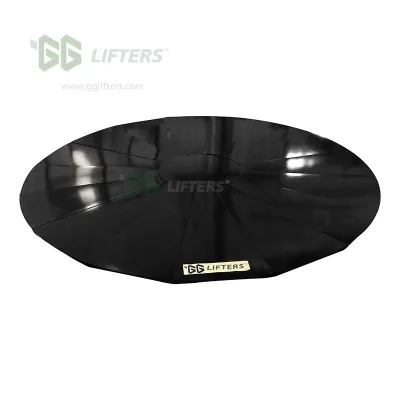
Automatic Car Display Platform 360 Angle Rotating Platform Heavy Duty Turntable Remote Control
$4000.00 - $7000.00
MOQ: 1 units


360 Degree Electric Car Turning Table Car Rotating Antique Turntable Platform
$8500.00 - $8720.00
MOQ: 1 set
Comprehensive Sourcing Guide
Electric Motor Car Turn Table with Remote Control Sourcing Guide
Sourcing an Electric Motor Car Turn Table with Remote Control requires a careful balance between mechanical precision, electrical safety, and operational flexibility. These platforms are essential for automotive showrooms, photography studios, and maintenance workshops where vehicles need to be rotated smoothly for display or inspection. The core value proposition lies in the ability to maneuver heavy loads with minimal effort, ensuring that both staff and vehicles remain safe during rotation. Buyers must recognize that while the term "electric motor" is common, the actual driving mechanism often involves a hydraulic system powered by an electric motor, which provides the necessary torque for smooth, controlled movement of heavy automobiles.
The procurement process for these specialized platforms involves verifying specific technical attributes that directly impact performance and longevity. Key factors include the control type, which is predominantly remote-controlled for ease of use, and the power source, which can vary between hydraulic and direct electric drives. Understanding the distinction between these systems is crucial, as hydraulic systems often offer smoother acceleration and higher load capacities, while direct electric systems may offer simpler maintenance profiles. Buyers should focus on platforms that offer customizable features, such as platform size and color, to ensure the equipment integrates seamlessly into their existing facility layout and brand identity.
Product Scope and Observed Listing Signals
The market for car turn tables presents a diverse range of options, with observed listings indicating a price range from approximately $1,000 to $22,800 USD. This wide variance reflects differences in load capacity, platform diameter, and the sophistication of the control systems. For instance, smaller units with lower load capacities may be priced at the lower end of the spectrum, while heavy-duty platforms capable of handling 3,000 to 5,000 kg or more command higher prices. The minimum order quantity (MOQ) for these items is typically one unit, allowing buyers to purchase single platforms for specific needs without committing to large bulk orders. This flexibility is beneficial for small workshops or individual showrooms looking to upgrade their facilities.
Observed product attributes highlight a strong emphasis on customization and safety. Many suppliers offer platforms with customizable colors, platform sizes, and total lifting heights, allowing for tailored solutions. Safety features are a critical component of the product scope, with common inclusions such as safety railings, emergency stop buttons, and anti-slip surfaces. These features are not merely optional add-ons but are integral to ensuring the safe operation of the turn table, especially in environments where pedestrians and vehicles interact. Buyers should prioritize platforms that explicitly list these safety measures, as they reduce the risk of accidents and ensure compliance with general workplace safety standards.
Technical Specifications to Verify
When evaluating technical specifications, the control system is a primary consideration. Most observed listings indicate that the control type is remote control, which offers significant operational advantages over fixed panel controls. Remote control allows the operator to maintain a clear line of sight on the vehicle and the platform edges, enhancing safety and precision. Some platforms also offer alternative control methods, such as push-button panels or PLC (Programmable Logic Controller) systems, which may be preferred for automated or semi-automated workflows. Buyers should verify the specific control options available and ensure that the remote control has a sufficient range and reliability for their facility layout.
The driving system and power source are equally critical technical aspects. While the core keyword specifies "electric motor," many high-capacity turn tables utilize a hydraulic system driven by an electric motor. This hybrid approach combines the ease of electrical power with the robust torque of hydraulic pressure. Observed specifications indicate that the driving system often includes a hydraulic system and a reducer system, which helps in achieving a slow, controlled rotation speed. Typical rotation speeds range from 0.2 to 1 RPM, with some units operating at a steady 1 RPM. Buyers must verify the input power requirements, which can vary between 220V, 230V, 380V, and 415V, to ensure compatibility with their facility’s electrical infrastructure.
Compliance and Safety Documentation
Safety documentation is a non-negotiable aspect of sourcing industrial equipment like car turn tables. Buyers should request detailed safety manuals that outline the proper operation, maintenance, and emergency procedures for the platform. Key safety features to verify include the presence of an emergency stop button, which should be easily accessible and functional, and anti-slip surfaces on the platform to prevent vehicles from sliding during rotation. Additionally, safety railings or barriers should be present to protect operators and bystanders from moving parts. These features are often standard in reputable products, but buyers must confirm their inclusion and quality before making a purchase.
Certification and standard compliance provide an additional layer of assurance regarding the product’s safety and quality. Observed listings indicate that some products carry ISO and CE certifications, which are widely recognized standards for quality management and European conformity, respectively. While the presence of these certifications is a positive indicator, buyers should verify the validity of the certificates and ensure that the product meets the specific regulatory requirements of their country or region. It is also important to check if the product adheres to any local electrical safety standards, particularly regarding the input power and motor insulation.
Cost Drivers and Commercial Terms
The cost of a car turn table is influenced by several key factors, including load capacity, platform size, and the complexity of the control system. Higher load capacities, such as those exceeding 3,000 kg, typically require more robust materials and more powerful driving systems, which increase the manufacturing cost. Similarly, larger platform diameters, such as 4 meters or more, require more material and a larger footprint, contributing to a higher price. Buyers should carefully assess their actual needs to avoid over-specifying and paying for unnecessary capacity or size. Customization options, such as specific colors or platform sizes, may also incur additional costs, so it is important to clarify these details early in the sourcing process.
Commercial terms, including packaging and shipping, also impact the total cost of ownership. Observed listings indicate various packaging methods, such as standard export packages, plywood case packing, and woodcase packing. The choice of packaging can affect the shipping cost and the risk of damage during transit. Buyers should ensure that the packaging is suitable for the mode of transport and the distance to the destination. Additionally, buyers should inquire about the lead time for production and delivery, as well as the warranty terms and after-sales support provided by the supplier. These factors can significantly influence the overall value and reliability of the procurement.
Supplier Qualification and Quality Control
Supplier qualification is a critical step in ensuring the quality and reliability of the car turn table. Buyers should verify the supplier’s manufacturing capabilities, including their experience in producing similar equipment and their quality control processes. Suppliers with a proven track record in the automotive or industrial equipment sector are more likely to deliver products that meet high standards of performance and safety. It is also important to check the supplier’s certifications, such as ISO, to ensure that they adhere to recognized quality management systems. Buyers should request references or case studies from previous clients to gain insight into the supplier’s reliability and customer service.
Quality control measures should be implemented throughout the production and delivery process. Buyers should consider requesting pre-shipment inspections to verify that the product meets the agreed-upon specifications and quality standards. This can include checking the structural integrity of the platform, the functionality of the control system, and the safety features. Additionally, buyers should ensure that the supplier provides comprehensive documentation, including assembly instructions, maintenance manuals, and warranty information. Clear communication with the supplier regarding any specific requirements or concerns is essential to ensure that the final product meets the buyer’s expectations.
Long-Term Procurement Checks
Long-term procurement success depends on the durability and maintainability of the car turn table. Buyers should consider the materials used in the construction of the platform, such as steel or stainless steel, and their resistance to wear and corrosion. Steel is a common material due to its strength and durability, but buyers should verify the quality of the steel and any protective coatings applied to prevent rust and damage. The hydraulic system, if present, should be easy to maintain, with accessible components for routine checks and repairs. Buyers should inquire about the availability of spare parts and the supplier’s support for maintenance and troubleshooting.
Operational efficiency and user experience are also important considerations for long-term use. The remote control system should be intuitive and reliable, allowing operators to control the platform with ease. The rotation speed and direction should be adjustable to suit different operational needs, and the platform should operate smoothly and quietly to minimize disruption in the workplace. Buyers should also consider the energy efficiency of the motor and driving system, as this can impact long-term operating costs. By focusing on these long-term factors, buyers can ensure that their investment in a car turn table provides sustained value and reliability.
FAQs
How is the electric motor car turn table controlled?
The platform supports remote control, push button, or PLC systems for operation. Users can select between these control methods based on specific workshop requirements and automation levels needed for the car showroom or maintenance environment.
What power sources are available for this rotating platform?
Input power options include 220V, 230V, 380V, 415V, or customized voltage settings. The system can operate on AC220V, AC110V, or AC380V depending on the electrical infrastructure available at the installation site.
Can the platform size and capacity be customized?
Yes, the platform size and total lifting height are fully customizable to fit specific needs. Load capacity ranges from 3000kg to 5000kg, allowing the unit to support various vehicle weights for photography or display purposes.
Which safety measures are included on the turntable?
Safety features include safety railings, an emergency stop button, and an anti-slip surface. These measures ensure secure operation during car photography, maintenance, or showroom display activities to protect personnel and vehicles.
How fast does the hydraulic rotating platform turn?
The rotation speed ranges from 0 to 1 RPM, with some models operating between 0.2 and 1 RPM. This slow, controlled speed is ideal for precise positioning of vehicles during detailed inspections or photography sessions.
What materials are used to construct the turntable?
The structure is primarily made of steel, with some variants available in stainless steel. This robust material selection ensures durability and stability for heavy-duty applications in workshops and industrial settings.
Can the color of the car turntable be customized?
Yes, the color can be customized to match specific branding or aesthetic requirements. This flexibility allows buyers to align the equipment appearance with their showroom or workshop design standards.