Source Electric Start Dune Buggy for Off-Road, Racing, and Recreation
Compare 30 Electric Start Dune Buggy listings from verified Chinese manufacturers. Buyers can evaluate specifications like 48V batteries, 800W motors, and suspension types to find suitable units for off-road, racing, and recreational use; compare the available evidence and request quotations based on your requirements.
Key considerations
Products List


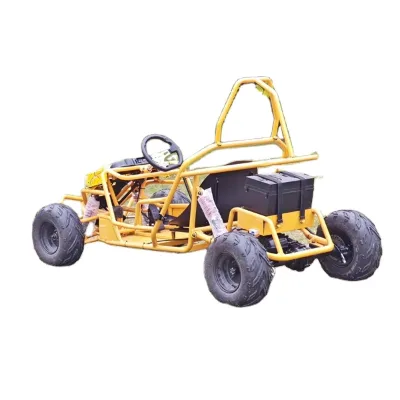
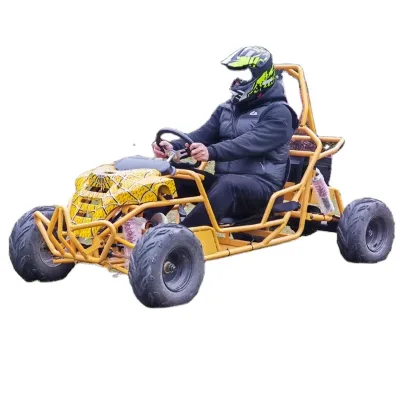
China Factory Manufacturer Electric dune Buggy for Adults Seaside Riding Beach Car
$520.00 - $680.00
MOQ: 5 pieces


Comprehensive Sourcing Guide
Electric Start Dune Buggy Sourcing Guide
Sourcing electric start dune buggies requires a clear understanding of the diverse specifications available in the current market. Buyers often encounter a wide price range, typically spanning from $38 to $9,200, which reflects significant variations in build quality, powertrain technology, and intended usage. The observed minimum order quantities (MOQ) generally fall between one and 100 units, offering flexibility for both individual purchasers and bulk distributors. Understanding these baseline market signals is crucial for setting realistic procurement budgets and negotiating favorable terms with suppliers who may have different production capacities.
The core appeal of these vehicles lies in their accessibility and ease of operation, particularly for younger demographics or recreational users. Many listings highlight features such as electric starting mechanisms, which eliminate the physical effort required for manual pull-starts, thereby enhancing user experience. Additionally, the presence of automatic transmissions and varied gear positions, including low, medium, and high settings, allows for adaptable performance across different terrains. Buyers must carefully evaluate these operational features against their specific use cases, whether for educational purposes, gaming, or general recreational driving, to ensure the selected model meets functional expectations.
Product Scope and Observed Listing Signals
The product landscape for electric start dune buggies is characterized by a mix of recreational and educational applications. Listings frequently indicate usage for games, toys, gifts, and teaching, suggesting a strong market presence in the youth and hobbyist segments. The age recommendation of 12-18 years provides a clear target demographic, helping buyers align inventory with appropriate safety and performance standards. Furthermore, the availability of customization options allows businesses to tailor products for specific branding or functional needs, adding value for corporate clients or specialized retailers seeking unique offerings in a competitive market.
Visual and structural attributes also play a significant role in product differentiation. Common color options include blue and red, catering to aesthetic preferences that drive consumer choice. The packaging methods vary, with some units shipped in iron frames for enhanced protection during transit, while others utilize standard carton packaging. These differences in packing can impact shipping costs and damage risks, making it essential for buyers to verify packaging details before finalizing orders. Additionally, the condition of the products is consistently listed as new, ensuring that buyers receive factory-fresh inventory without the complications associated with refurbished or used goods.
Technical Specifications to Verify
Powertrain and electrical systems are critical components that define the performance of an Electric Start Dune Buggy. Buyers should verify the voltage and battery specifications, with common configurations including 48V systems and 48V20A batteries. The charging time typically ranges from 5 to 7 hours, which influences operational planning and fleet management strategies. Motor power outputs often fall between 800W and 1000W, providing sufficient torque for recreational use. It is also important to confirm the maximum speed, which is frequently capped at 40-50 km/h, ensuring compliance with safety regulations for younger riders or restricted areas.
Chassis and suspension details significantly affect ride quality and durability. Many models feature front independent suspension and rear shaft drive systems, often equipped with front and rear spring shock absorption for improved comfort. The wheelbase typically measures between 1400mm and 1800mm, contributing to stability, while the tire size is commonly 145/70-6. Ground clearance ranges from 150mm to 200mm, allowing for moderate off-road capability. Buyers must also check the curb weight, which is often under 100kg, and the payload capacity, usually between 200kg and 300kg, to ensure the vehicle can safely accommodate intended loads and riders.
Compliance and Safety Documentation
Regulatory compliance is a paramount concern when importing electric vehicles, particularly those intended for younger users. Buyers must verify that suppliers provide valid certification documents, such as CE, EEC, or EPA approvals, depending on the target market. These certifications indicate that the product meets specific safety, electromagnetic compatibility, and environmental standards required for legal sale and operation. Without proper documentation, shipments may be held at customs, leading to delays and additional costs. It is essential to request copies of these certificates before placing orders to ensure full regulatory alignment.
Safety features and design standards also contribute to overall compliance and user protection. The braking systems, often comprising front disc and rear disc brakes, are critical for reliable stopping power. Buyers should confirm the presence of differential locks and appropriate gear positions to enhance control in various driving conditions. Additionally, the electrical machinery and battery systems must adhere to safety standards to prevent overheating or electrical faults. Verifying these technical safeguards ensures that the dune buggies are not only legally compliant but also safe for end-users, reducing liability risks for the buyer.
Cost Drivers and Commercial Terms
Several factors influence the final cost of electric start dune buggies, including power output, battery capacity, and included features. Higher wattage motors and larger batteries generally increase the unit price, while basic models with lower specifications may offer more competitive pricing. The MOQ also plays a significant role in cost negotiation, with larger orders often qualifying for volume discounts. Buyers should analyze the total cost of ownership, including shipping, packaging, and potential customization fees, to determine the true value of each supplier's offer. Understanding these cost drivers helps in budgeting accurately and identifying the most economical sourcing options.
Commercial terms such as payment methods, lead times, and warranty policies are equally important in the procurement process. Suppliers may offer different payment structures, such as deposits or full upfront payments, which can affect cash flow management. Lead times vary based on production capacity and order size, so buyers should clarify expected delivery schedules to avoid stockouts. Warranty coverage for critical components like motors and batteries should be explicitly stated in the contract. Clear communication regarding these terms ensures a smooth transaction and protects the buyer from unexpected expenses or service gaps.
Supplier Qualification and Quality Control
Evaluating supplier credibility is essential for securing reliable sources of electric start dune buggies. Buyers should prioritize suppliers with a proven track record in manufacturing and exporting similar products. Checking for established brand names, such as ANWA, can provide insight into the supplier's market presence and product consistency. Additionally, verifying the place of origin, often Zhejiang, China, helps assess the regional manufacturing ecosystem and potential logistical advantages. Suppliers with transparent business practices and positive customer feedback are generally more trustworthy and less likely to deliver substandard products.
Quality control measures should be integrated into the procurement process to minimize defects and ensure product consistency. Buyers can request pre-shipment inspections or third-party quality audits to verify that the products meet specified technical and safety standards. Checking for proper packaging, such as iron frames or sturdy cartons, can also indicate a supplier's attention to detail and commitment to product protection. Establishing clear quality expectations and communication channels with suppliers helps maintain high standards and reduces the risk of receiving defective or non-compliant inventory.
Long-Term Procurement Checks
Sustaining a successful sourcing relationship requires ongoing monitoring and evaluation of supplier performance. Buyers should regularly review product quality, delivery times, and customer feedback to identify any emerging issues. Maintaining open communication with suppliers allows for timely resolution of problems and fosters a collaborative partnership. Additionally, staying informed about market trends and technological advancements in electric vehicles can help buyers make informed decisions about future purchases. Continuous assessment ensures that the sourcing strategy remains effective and aligned with business goals.
Long-term procurement also involves adapting to changes in regulations and market demands. Buyers should periodically re-verify compliance documentation and safety standards to ensure continued adherence to legal requirements. Exploring new customization options or upgraded models can help keep the product offering competitive. By proactively managing supplier relationships and staying agile in response to market shifts, buyers can secure a reliable supply of high-quality electric start dune buggies that meet the evolving needs of their customers.
FAQs
What is the starting method for this Electric Start Dune Buggy?
The vehicle features an electric start system for convenient operation. Some models also support manual start-up options. This dual capability ensures reliability in various conditions while maintaining ease of use for the driver.
Which certifications are available for the Electric Start Dune Buggy?
Available certifications include EPA, EEC, and CE for compliance. These documents verify safety and emission standards. Buyers should request specific certificates from suppliers to ensure the product meets regional regulatory requirements before purchase.
How is the suspension system configured on this Electric Start Dune Buggy?
The suspension includes front independent suspension and rear shaft drive. Both front and rear sections feature spring shock absorption. This setup provides stability and comfort when driving over rough terrain or uneven surfaces.
Can the Electric Start Dune Buggy be customized for specific needs?
Yes, customization is available for this product. Buyers can request specific modifications to suit their requirements. Contact suppliers directly to discuss available options and ensure the final product matches your operational needs.
What is the maximum speed of the Electric Start Dune Buggy?
The maximum speed ranges up to 50 kilometers per hour. Some specifications list a limit of 40 kilometers per hour. This speed is suitable for recreational use and controlled environments while ensuring safety for the operator.
Which battery specifications are used in the Electric Start Dune Buggy?
The vehicle typically uses a 48V 20A battery. Charging time is estimated between 5 to 7 hours. This power system supports a driving mileage of 30 to 50 kilometers on a single charge.
What is the payload capacity of the Electric Start Dune Buggy?
The payload capacity ranges from 200 to 300 kilograms. This allows for carrying passengers or cargo effectively. The curb weight is kept under 100 kilograms to maintain agility and efficiency during operation.