Source Electrical Motor Insulation Paper for Generators, Pumps, and Fans
Explore 30 listings of Electrical Motor Insulation Paper featuring thermal classes B, F, and H with options for customization. Buyers can compare specifications like layer count, chemistry, and packaging to find suitable materials for diverse industrial applications.
Key considerations
Products List


Durable Motor Winding Paper for Reliable Electrical Insulation Protection Use
$1.98 - $2.89
MOQ: 100 kilograms

High Voltage Electrical Insulation Crepe Paper for Motor and Transformer
$2.10 - $3.00
MOQ: 100 kiloqrams


China Factory High Quality Motor Winding High Voltage Electrical Insulating Paper
$2.20 - $2.40
MOQ: 100 kilograms




Comprehensive Sourcing Guide
Strategic Sourcing Guide for Electrical Motor Insulation Paper
Understanding Product Variants and Technical Classifications
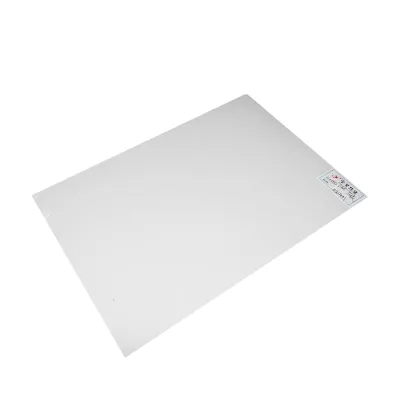
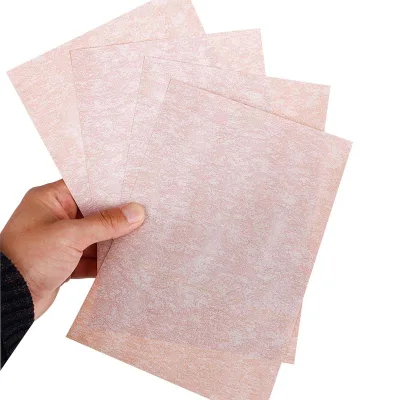
When sourcing Electrical Motor Insulation Paper, buyers must first navigate a complex landscape of material compositions and thermal classifications. The market offers distinct product types tailored to specific motor architectures, ranging from general-purpose applications to high-performance hybrid systems. Based on observed product attributes, the core category includes materials designated as "DMD" and "PM" series, which serve different functional roles within the motor assembly. The DMD series, often identified by model numbers such as NDPJ-JYZ-6501 or NDPJ-JYZ-6632, typically features a three-layer construction. This tri-layer design is critical for providing robust mechanical strength while maintaining electrical integrity under stress. In contrast, the PM series, including models like NDPJ-JYZ-30 and NDPJ-JYZ-PM, utilizes a two-layer configuration. These are frequently described as hybrid insulation materials composed of a single layer of polyester film bonded to a layer of electrical insulation paper.
The chemical composition is a primary differentiator. While some products are classified simply as "Hybrid Insulation," others specify a precise chemistry of "One Layer Polyester Film + One Layer Electrical in." This distinction is vital for engineers selecting materials based on dielectric strength and thermal endurance. The thermal class of the material dictates its maximum operating temperature, a non-negotiable factor in motor design. Observed data indicates the availability of materials rated at Thermal Class B (130°C), Thermal Class F (155°C), and Thermal Class H. Selecting the correct thermal class ensures the motor operates within safe limits, preventing premature failure due to thermal degradation. Furthermore, the physical form factor varies; suppliers offer DMD materials in rolls, pieces, or tape formats, allowing for flexibility in manufacturing processes. The color of the insulation paper, observed as brown or yellow, may also serve as a visual identifier for specific grades or layers within a stack, aiding in quality control during assembly.
Compliance, Certification, and Standard Verification
In the B2B procurement of electrical components, verifying compliance with international standards is essential for ensuring safety and reliability. While specific test data and certification statuses for every individual SKU cannot be universally asserted without direct verification, the market generally aligns with established frameworks. Buyers should look for products that carry certifications such as ISO9001, which indicates a commitment to quality management systems. Some product listings explicitly mention compliance with ISO9001:2015, alongside CE marking, suggesting adherence to European safety and environmental directives. However, buyers must exercise caution and verify these claims against the specific batch or supplier documentation, as certifications are often granted to the manufacturing entity rather than every single product variant.
Regarding technical standards, the industry frequently references IEC 60641 for electrical insulating papers and IEC 60893 for varnishes and impregnating resins. Additionally, UL 1446 is a recognized standard for electrical insulating materials. While these standards provide a robust framework for evaluation, buyers should not assume every listed product automatically satisfies all criteria without explicit confirmation. The procurement process must include a request for the specific test reports that demonstrate compliance with these standards for the exact model number being purchased. For instance, if a product is marketed as a "Hybrid Insulation Material," the buyer should request evidence that the specific combination of polyester film and paper meets the dielectric requirements outlined in relevant IEC standards. The standard for the product itself may be listed as "customized" or adhere to specific dimensional standards like 24x24x24 or 9.3x18 inches, depending on the application. It is the buyer's responsibility to confirm that the "customized" standard aligns with the motor manufacturer's specific engineering drawings and operational requirements.
Cost Drivers and Pricing Structure Analysis
The pricing of Electrical Motor Insulation Paper is influenced by a multitude of factors, creating a wide observed range from approximately $0.93 to $34 per unit. This significant variance is not arbitrary but reflects differences in material complexity, layer count, thermal rating, and order volume. The primary cost driver is the material composition. Products featuring a hybrid chemistry, such as the combination of polyester film and electrical insulation paper, generally command a higher price point than single-layer paper products due to the added processing and material costs associated with the film. Additionally, the thermal class plays a crucial role; materials rated for higher temperatures, such as Thermal Class H or F, often require more sophisticated resin systems or higher-grade base materials, increasing the unit cost compared to Thermal Class B materials.
Order volume is another critical determinant of the final price. The market exhibits a Minimum Order Quantity (MOQ) range spanning from 2 units to 500 units. Buyers purchasing small quantities, such as single items or samples, will likely encounter the higher end of the price spectrum. Conversely, bulk procurement allows for economies of scale, potentially reducing the per-unit cost significantly. The packaging method also impacts logistics costs and, by extension, the total landed cost. Products suitable for sea transportation on pallets are designed for large-scale industrial shipping, which may offer better rates for high-volume orders compared to single-item packaging. Buyers should analyze the total cost of ownership, including shipping and handling, rather than focusing solely on the unit price. The "Selling Units" attribute, often listed as "Single Item," suggests that the platform supports both sample acquisition and bulk ordering, but the pricing strategy will shift dramatically based on the quantity selected.
Typical Applications and Motor Compatibility
Electrical Motor Insulation Paper is a critical component in the construction of various electric motors, serving as the primary barrier between conductive windings and the motor core. The specific application depends heavily on the motor type and the operating environment. The DMD series, with its three-layer structure, is particularly well-suited for high-stress applications where mechanical durability is paramount. These materials are often used in the slot insulation of induction motors and synchronous motors where the insulation must withstand the mechanical forces of winding insertion and the thermal expansion of the motor during operation. The "Good Mechanical and Electrical Feature" attribute observed in these products highlights their dual role in providing structural support and electrical isolation.
The PM series, characterized by its two-layer hybrid construction, finds application in motors requiring a balance of flexibility and dielectric strength. These materials are frequently utilized in the turn-to-turn insulation of windings or as slot liners in smaller, high-speed motors. The "Pm Motor Insulation Material" designation suggests a specific optimization for permanent magnet motors or similar high-efficiency designs. The "Dm Three Forms" availability (rolls, pieces, tape) indicates versatility in manufacturing; tape forms are ideal for automated winding machines, while rolls and pieces may be used in manual assembly or for custom-cut applications. The maximum voltage rating of less than 10KV is a key specification for low to medium voltage motors. Buyers must ensure that the insulation paper's voltage rating matches the motor's operating voltage to prevent dielectric breakdown. Furthermore, the storage requirements, such as keeping the material away from other humid materials, are critical for maintaining the insulation properties before installation, as moisture absorption can drastically reduce the dielectric strength of the paper.
Supplier Evaluation and Quality Control Protocols
Evaluating a supplier for Electrical Motor Insulation Paper requires a rigorous assessment of their production capabilities, quality control systems, and logistical reliability. The origin of the product, often listed as China or specifically Ningbo, provides context for the supply chain but does not guarantee quality on its own. Buyers should prioritize suppliers who can demonstrate a consistent track record of meeting the "customized" standard requirements. The presence of ISO9001 certification is a positive indicator, but it should be verified as current and applicable to the specific product line. The supplier's ability to provide detailed technical data sheets for each model number, such as NDPJ-JYZ-6501 or NDPJ-JYZ-30, is essential for validating the product's suitability for the intended application.
Quality control should extend beyond the factory floor to the point of delivery. The "Condition: New" attribute implies that the product should be free from defects, but buyers must establish clear acceptance criteria. This includes verifying the tensile strength, which is noted as "High" in some listings, ensuring the material can withstand the mechanical stresses of motor assembly. The packaging standard, described as "Pallet Suitable for Sea Transportation," is crucial for preventing damage during long-distance shipping. Buyers should inspect the packaging for signs of moisture ingress, as the material's storage requirement specifies keeping it away from humid materials. A robust quality control protocol should include incoming inspection of the insulation paper for physical defects, dimensional accuracy, and verification of the thermal class rating. Additionally, the warranty terms, often listed as "Other," should be clarified to understand the recourse available in case of material failure or non-conformance.
Long-Term Procurement and Operational Considerations
Sourcing Electrical Motor Insulation Paper is not merely a transactional activity but a strategic decision that impacts the long-term reliability and performance of the end product. Buyers must consider the lifecycle of the insulation material and its compatibility with the motor's expected service life. The "Thermal Rating" and "Thermal Class" are not just static numbers; they represent the operational envelope of the motor. Selecting a material with a thermal class that closely matches the motor's design temperature can optimize efficiency and extend the motor's lifespan. Conversely, over-specifying thermal class may lead to unnecessary cost increases, while under-specifying can result in premature failure.
The customization aspect of the product is a significant long-term consideration. Many listings indicate that the product standard and dimensions are "customized." This flexibility allows buyers to tailor the insulation to the specific geometry of their motor designs, ensuring a perfect fit and optimal performance. However, this also requires a close working relationship with the supplier to manage design changes and ensure consistency across production batches. The payment terms, typically T/T (Telegraphic Transfer), and the lead times, which are not explicitly defined but implied by the "Pallet" and "Sea Transportation" logistics, must be factored into the supply chain planning. Buyers should establish clear communication channels with suppliers to manage inventory levels, especially given the "Away From Other Humid Material" storage requirement, which necessitates proper warehousing conditions. Finally, the "Warranty: Other" clause suggests that warranty terms may be negotiable or specific to the contract. Buyers should seek to define these terms clearly to protect against defects and ensure a sustainable supply relationship. By focusing on these long-term factors, buyers can secure a reliable supply of high-quality insulation paper that supports the durability and efficiency of their electrical motor products.
FAQs
What thermal classes are available for this insulation paper?
Available thermal classes include B, F, and H ratings. Specific models offer ratings such as 130°C for Class B and 155°C for Class F, ensuring suitability for various motor operating temperatures and safety limits.
Which certifications do the suppliers typically hold?
Many products carry ISO9001 certification, with some listings explicitly mentioning ISO9001:2015 and CE marking. Buyers should verify these certifications against specific batch documentation to ensure compliance with quality management systems.
How is the product packaged for international shipping?
The product is packed on pallets suitable for sea transportation. This packaging method ensures the material remains protected during long-distance logistics while meeting the requirement to store items away from humid materials.
Can the material be customized for specific motor needs?
Yes, customization is available for dimensions and product standards. Buyers can request specific sizes or configurations, such as the 24x24x24 or 9.3x18 inch standards, to match exact engineering drawings and operational requirements.
What is the minimum order quantity for this material?
The minimum order quantity ranges from 2 to 500 units depending on the specific product variant. Smaller quantities may incur higher per-unit costs, while bulk orders leverage economies of scale for better pricing.
Where are these insulation materials manufactured?
Products originate from China, with specific manufacturing locations noted as Ningbo. This geographic origin provides context for the supply chain but requires verification of quality control protocols for each specific supplier.
What forms does the DMD series insulation come in?
The DMD series is available in rolls, pieces, and tape formats. This variety allows flexibility for different manufacturing processes, including automated winding machines using tape or manual assembly using rolls and pieces.