Source electromagnetic-operated auto starter for generators, pumps, and compressors
Compare 30 listings for the electromagnetic-operated auto starter for Lombardini engines with varying voltage, power, and packing options. Buyers can review specifications like 12V, 3.2kW, and 1.8kW models from Chinese manufacturers.
Key considerations
Products List


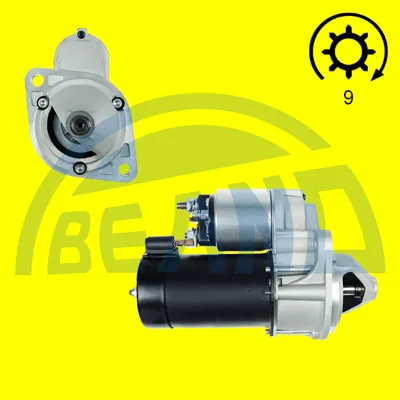


High-Quality Starter 442045 for Efficient Performance and Reliability2.
$26.00 - $99.00
MOQ: 10 Pieces


Premium Starter F-000-Al0-151 for Efficient Performance and Reliability
$26.00 - $99.00
MOQ: 10 Pieces


Standard 12V Starter Motor Manufacture Auto Alternator 0120339521 for Case Ferrari
$25.00 - $65.00
MOQ: 10 Pieces


Comprehensive Sourcing Guide
Strategic Sourcing Guide for Electromagnetic-Operated Auto Starters
The procurement of an electromagnetic-operated auto starter for Lombardini engines requires a disciplined approach that balances technical compatibility with supply chain reliability. In the global B2B market, these components are critical for ensuring engine ignition reliability across various industrial and agricultural applications. The specific market data indicates a diverse range of offerings, with observed price points ranging from $1 to $358 USD and Minimum Order Quantities (MOQ) varying significantly from 1 unit up to 500 units. Buyers must navigate a landscape where product attributes such as material composition, voltage ratings, and driving types vary by manufacturer. This guide outlines the essential factors for sourcing these components effectively, relying strictly on verified product attributes and industry standards.
Technical Specifications and Compatibility Analysis
When evaluating an electromagnetic-operated starter, the primary focus must be on the precise alignment of electrical and mechanical specifications with the target Lombardini engine model. The core attribute of the starter is its electromagnetic operation, which distinguishes it from other actuation methods. A critical specification to verify is the DC form, as the market data shows variations including "Permanent Magnet Starter Motor" and "Common Starter Motor." The selection between these forms depends heavily on the engine's electrical architecture and the required torque output.
Voltage is another non-negotiable parameter. The observed data lists a standard voltage of 12V, which is typical for many light to medium-duty applications. However, buyers must confirm that the specific unit matches the engine's electrical system, as deviations can lead to failure to start or damage to the vehicle's battery. The current level is equally vital; data indicates options ranging from specific values like 40A to ranges such as 4(40~49A). For high-load applications, a higher current capacity ensures the starter can overcome engine compression resistance.
Mechanical specifications also play a decisive role. The driving type, observed as "Deceleration" or "Armature Changed," dictates how the starter engages with the engine flywheel. The number of teeth on the pinion gear is a specific mechanical constraint; one observed specification lists "9t 35mm," which must match the flywheel ring gear exactly to prevent mechanical failure. Furthermore, the bonding type of the magnetic field winding, noted as "Inner Bonding" in some listings, affects the durability and heat dissipation of the unit. Buyers should verify these mechanical dimensions against the Lombardini engine's service manual before placing an order.
Compliance, Certification, and Quality Standards
In the industrial parts market, compliance with international standards is a prerequisite for ensuring long-term reliability and safety. The supply chain data highlights the presence of IATF 16949:2016 certification, which is the global standard for quality management in the automotive industry. This certification indicates that the manufacturer has established processes for defect prevention and variation reduction. While not every product listing explicitly states this certification, its presence is a strong indicator of a supplier's commitment to quality.
Emission standards are also a relevant consideration for the broader engine system. One observed specification mentions an "Euro 5" emission standard. While this primarily applies to the engine, the starter's efficiency and integration can impact overall system performance. Buyers should verify if the starter meets the emission compliance requirements of the region where the equipment will be deployed. Additionally, the product standard is sometimes listed as "By The Customer Needs," suggesting a high degree of customization. In such cases, the buyer must provide detailed technical drawings and specifications to ensure the final product meets the necessary regulatory requirements.
The material composition is another key compliance factor. The observed data consistently identifies "Steel" as the primary material for these components. Steel offers the necessary durability and resistance to wear and tear required in heavy-duty environments. Buyers should request material test reports to verify the grade of steel used, ensuring it meets the mechanical strength requirements for the specific application.
Cost Drivers and Pricing Dynamics
The pricing of electromagnetic-operated starters is influenced by a complex interplay of factors, including material costs, manufacturing complexity, and order volume. The observed price range of $1 to $358 USD reflects this variability. Lower-priced units often correspond to standard configurations with basic specifications, while higher-priced units may include advanced features such as permanent magnet technology, specialized voltage adjusters, or custom packaging.
The MOQ is a significant driver of unit cost. The data shows an MOQ range from 1 to 500 units. Buyers purchasing small quantities may face higher per-unit costs but benefit from lower inventory risk. Conversely, larger orders can leverage economies of scale, potentially reducing the cost per unit. The "Business Type" is listed as "Manufacturer" in some cases, which can influence pricing by eliminating intermediary markups. However, buyers must verify the manufacturer's capacity to ensure they can meet the required volume without compromising quality.
Packaging and logistics also contribute to the final cost. The observed data lists various packing methods, including "Ocean Freight," "Plywood Case," "Standard Packing," and "Standard Carton." The choice of packaging affects the shipping weight and volume, which directly impacts freight charges. For example, a "Plywood Case" offers superior protection for heavy or delicate components but adds to the overall shipping cost compared to a standard carton. Buyers should calculate the total landed cost, including packaging and freight, rather than focusing solely on the unit price.
Typical Applications and Operational Context
Understanding the intended application is crucial for selecting the correct starter. The observed data lists specific applications such as "4tne94 R60-7," which suggests use in specific engine models or machinery. The starter's power output, observed as 3.2kw or 1.8kw, determines its suitability for different engine sizes. Higher power ratings are necessary for larger engines that require more torque to initiate rotation.
The driving type, such as "Deceleration" or "Armature Changed," is often selected based on the operational environment. Deceleration types may be preferred in applications requiring smooth engagement to reduce mechanical shock. The structure of the unit, noted as "Magneto Alternator" in some contexts, indicates a specific integration with the engine's electrical system. Buyers should match these attributes to the operational demands of their machinery, considering factors such as duty cycle, ambient temperature, and vibration levels.
The location of origin, listed as "China" or "Guangdong," and the specific brand "Sinotruk" in some listings, provide context for the supply chain. While these locations indicate the manufacturing hub, the actual performance depends on the specific factory's quality control processes. Buyers should ensure that the supplier has experience with the specific application domain, whether it be agricultural, construction, or industrial power generation.
Supplier Evaluation and Verification
Evaluating a supplier requires a thorough review of their capabilities and track record. The "Business Type" being listed as "Manufacturer" is a positive indicator, suggesting direct control over the production process. However, buyers must verify this claim through site audits or third-party assessments. The customization availability is a significant advantage, allowing buyers to tailor the starter to specific engine requirements. The "Standard" listed as "By The Customer Needs" reinforces this flexibility.
Lead time is a critical factor in procurement planning. The observed delivery times range from 7-15 days to 5-30 working days. Buyers should align their inventory management strategies with these lead times to avoid production delays. The "Delivery Time" variability suggests that factors such as order volume and production scheduling impact the timeline. It is essential to confirm the lead time with the supplier before finalizing the order to ensure it meets project deadlines.
The "Nw" (Net Weight) and "Vol" (Volume) specifications, such as 5kg and 3420.715.3 cm, are useful for logistics planning. Buyers should use these figures to calculate shipping costs and storage requirements. Additionally, the "Ytm No." and specific model numbers like "QD1213B7" or "VG1560090001" serve as unique identifiers for traceability. Buyers should ensure that the supplier provides clear documentation linking the ordered part to these specific model numbers to avoid receiving incorrect components.
Quality Control and Long-Term Procurement Considerations
Implementing a robust quality control process is essential for mitigating the risks associated with component failure. Buyers should request pre-shipment inspections and test reports to verify that the starters meet the specified electrical and mechanical parameters. The "Certification" of IATF 16949:2016 provides a baseline for quality management, but ongoing monitoring is necessary to ensure consistent performance.
Long-term procurement considerations include the availability of spare parts and the supplier's ability to support the product lifecycle. The "Customization" attribute suggests that the supplier can adapt to future needs, which is valuable for maintaining a consistent supply chain. Buyers should establish a long-term relationship with the supplier to secure favorable terms and priority support. The "Current Level" and "Voltage Adjuster Type" specifications should be reviewed periodically to ensure they remain compatible with any upgrades to the engine system.
In conclusion, sourcing an electromagnetic-operated auto starter for Lombardini engines requires a meticulous approach that addresses technical specifications, compliance, cost, and supplier reliability. By leveraging the observed data and adhering to strict verification protocols, buyers can secure high-quality components that ensure the operational efficiency of their machinery. The diversity in product attributes, from voltage ratings to packaging types, underscores the importance of detailed specification matching and supplier due diligence in the B2B procurement process.
FAQs
What voltage rating is standard for these starters?
The standard voltage rating is 12V for most units in this category. Buyers must verify this matches their specific engine electrical system to prevent damage or failure to start.
Can I request custom specifications for this starter?
Yes, customization is available for many electromagnetic-operated starters. The product standard is often listed as by customer needs, requiring detailed technical drawings for production.
Which certification indicates high quality for these parts?
IATF 16949:2016 certification is a key indicator of quality management in the automotive industry. This standard confirms the manufacturer has processes for defect prevention and variation reduction.
How long is the typical delivery time for orders?
Delivery times typically range from 7 to 15 days or 5 to 30 working days depending on the supplier. Buyers should confirm the specific lead time before finalizing the order.
What material is primarily used for these starter components?
Steel is the primary material used for these starter components. This material offers the necessary durability and resistance to wear required in heavy-duty environments.
Which driving type is common for these starters?
Common driving types include Deceleration and Armature Changed configurations. The selection depends on the specific mechanical engagement requirements of the target engine flywheel.