Source Electromagnetic Pulse Slimming Machine for Salon, Home, and Clinic
Explore 30 Electromagnetic Pulse Slimming Machine listings from verified suppliers. Compare specifications, prices, and customization options for salon, home, and clinic applications to find the right body shaping solution.
Key considerations
Products List

Non-Invasive Electromagnetic Muscle Stimulation Body Shape EMS Slimming Machine
$1600.00 - $1800.00
MOQ: 1 Pieces


Body Slimming Machine EMS Electric Magnetic Muscle Stimulation Medical Equipment
$3000.00 - $5000.00
MOQ: 1 Pieces

High Intensity Electromagnetic EMS Muscle Stimulation Fat Burning Reduction Machine
$3000.00 - $5000.00
MOQ: 1 Pieces


Body Contouring Electromagnetic Muscle Stimulator Body Shaping 3 Tesla Slimming Machine
$1800.00 - $2500.00
MOQ: 1 Pieces


Weight Loss Slimming/Slimming Machine/Slimming/Body Slimming Machine/Weight Loss Machine
$2600.00 - $4600.00
MOQ: 1 Pieces


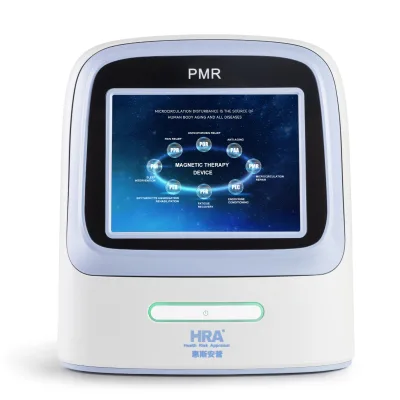

CE Certificate EMS Seat Magnetic Therapy Beauty Weight Loss Slimming Machine RF Price
$800.00 - $2900.00
MOQ: 1 Pieces

4 Handles Slimming Machine Magnetic Therapy Body Sculpting Machine RF EMS Beauty Instrument
$820.00 - $1600.00
MOQ: 1 Pieces

Portable Fat Burning Slim Magnetic Muscle Building Magnetic Slimming Machine
$300.00 - $1399.00
MOQ: 1 Pieces

EMS RF Slimming Machine Beauty Muscle Instrument Bodysculpting Device
$500.00 - $1200.00
MOQ: 1 Pieces
Comprehensive Sourcing Guide
Strategic Sourcing Guide for Electromagnetic Pulse Slimming Machines
Understanding the Product Category and Core Technology
The Electromagnetic Pulse Slimming Machine represents a specialized segment within the broader aesthetic equipment market, often categorized alongside radio frequency (RF) and cavitation devices. While the provided product data highlights specific models utilizing RF technology and cavitation frequencies of 40.5kHz, the core keyword "electromagnetic pulse" refers to a distinct mechanism that typically targets muscle stimulation and fat reduction through high-intensity focused electromagnetic fields. Buyers must distinguish between these technologies, as the application profiles differ significantly. The observed product attributes indicate a diverse range of applications, including "Salon" and "Home" usage, suggesting that the market serves both professional clinical environments and personal care settings.
When evaluating electromagnetic pulse machines, the primary technical distinction lies in the method of energy delivery. Unlike RF machines which heat tissue, electromagnetic pulses induce deep muscle contractions. The data shows various form factors, ranging from "Table Type" units designed for stationary salon use to portable devices. The "Non Portable" classification for certain models, such as those with dimensions of 6966134cm and a weight of 85kg, indicates heavy-duty equipment intended for fixed installation in professional facilities. Conversely, models with dimensions like 55X46X51 cm and a weight of 15kg are explicitly marked as "Portable," catering to mobile practitioners or home users. Understanding these physical constraints is the first step in aligning the technology with the intended operational environment.
Technical Specifications and Operational Parameters
Selecting the correct technical specifications is critical for ensuring the machine meets the desired treatment outcomes and operational requirements. The provided data reveals a wide variance in power consumption and physical dimensions, which directly correlates to the machine's capability and portability. For instance, a specific model is listed with a power rating of 270W, while others are defined by their packaging dimensions, such as 61X61X61 cm or 122X79X72 cm. These dimensions are not merely logistical details; they dictate the floor space required in a clinic and the capacity of the treatment room.
Voltage compatibility is another paramount specification. The observed data includes units rated for "110V 220V," indicating dual-voltage capability which is essential for international procurement. Buyers sourcing from China, the primary origin point noted in the data (including Guangzhou, Guangdong), must verify that the electrical configuration matches the local grid standards of their destination. Failure to confirm voltage compatibility can lead to equipment failure or safety hazards. Furthermore, the presence of multiple handpieces, such as the "4 Handpieces" noted for cryo fat reduction machines, suggests modular systems. While this specific attribute is linked to cryo technology, it highlights a trend in the industry toward multi-functional units that may combine electromagnetic pulse with other modalities.
The table below summarizes the observed physical and operational variances in the current market data, illustrating the spectrum of available configurations:
| Attribute Category | Observation A (Heavy Duty) | Observation B (Portable) | Observation C (Compact) |
|---|---|---|---|
| Portability | Non Portable | Portable | Portable |
| Dimensions | 6966134 cm | 55X46X51 cm | 50X37X43 cm |
| Weight | 85 kg | 15 kg | 7 kg |
| Power | 270W | N/A | N/A |
| Application | Salon | Salon, Home | Salon |
| Origin | China | Guangzhou | Guangzhou |
| Packing | Foam with Protected Carton | Box | Foam and Standard Export Carton |
Compliance, Certification, and Regulatory Standards
Navigating the regulatory landscape is a non-negotiable aspect of sourcing aesthetic equipment. The provided data explicitly lists several certifications and standards that buyers should prioritize during the vetting process. The "CE" mark appears frequently in the specifications, signifying conformity with health, safety, and environmental protection standards for products sold within the European Economic Area. This is a baseline requirement for many international markets. Additionally, specific entries mention "Cfda" (China Food and Drug Administration) and "Prc Import & Export License," which are crucial for verifying the manufacturer's legal standing and the product's approval for medical or cosmetic use within China and its export channels.
Buyers must verify that the certification status is current and applies specifically to the model being purchased. The data notes "Certification: Cfda, Prc Import & Export License" for certain units, while others simply list "CE." It is important to treat these as observations of specific listings rather than universal guarantees for all electromagnetic pulse machines. A robust procurement strategy involves requesting the actual certificate documents to confirm that the specific model number, such as "DN2021-31" or "WD-637," is covered under the issued license. The absence of a listed standard for some models does not imply non-compliance, but it necessitates a direct inquiry to the supplier to confirm adherence to relevant international safety standards.
Cost Drivers and Pricing Structure Analysis
The pricing landscape for electromagnetic pulse slimming machines is highly variable, as evidenced by the observed range of 90 to 15,000 USD. This vast disparity is driven by several key factors, including the complexity of the technology, the build quality, the inclusion of accessories, and the level of customization offered. The "Cheap Factory Price" attribute observed in some listings suggests a segment of the market focused on cost-effective, entry-level solutions, likely targeting smaller salons or home users. In contrast, the upper end of the price spectrum likely encompasses advanced systems with comprehensive warranty support, extensive handpiece sets, and advanced software integration.
Customization is a significant cost driver. The data confirms that "Customization: Available" and "OEM: Yes" are standard offerings. Buyers seeking branded units with specific color schemes, logo placement, or tailored software interfaces should anticipate higher costs. The "OEM&ODM: Professional Design and Production" attribute indicates that manufacturers are equipped to handle bespoke orders, which adds value but also increases the unit price. Additionally, the warranty terms, ranging from "One Year" to "1 Year, Technology Supports Forever," influence the total cost of ownership. A longer warranty or extended technology support often correlates with a higher initial investment but reduces long-term risk.
Typical Applications and Usage Scenarios
The application scope of these machines is broad, catering to both professional and personal environments. The data explicitly identifies "Salon" as a primary application, with some models also supporting "Home" use. This duality requires buyers to carefully assess the intended user base. Professional salon units, often characterized by their "Table Type" design and larger dimensions (e.g., 122X79X72 cm), are built for high-volume, continuous operation. They typically feature robust construction to withstand daily use by multiple technicians.
Conversely, portable models designed for home use prioritize ease of storage and transport. The "Portable" attribute combined with smaller footprints (e.g., 50X37X43 cm) makes these units suitable for mobile aesthetic practitioners or individual consumers. The functional attributes also guide application; while some units focus on "Body Slimming / Shaping," others are specialized for "Breasts Shaping" or "Cryo Fat Reduction." Buyers must ensure the machine's specific functions align with their service menu. For instance, a clinic specializing in body contouring would prioritize a machine with dedicated slimming functions, whereas a facility offering comprehensive aesthetic treatments might require a multi-modal device.
Supplier Evaluation and Manufacturing Capabilities
Evaluating suppliers requires a focus on their manufacturing capabilities and service offerings. The data indicates that the majority of products originate from "China," with specific hubs in "Guangzhou" and "Guangdong." These regions are known for their dense ecosystem of medical and aesthetic equipment manufacturers. Buyers should verify the supplier's capacity for "OEM/ODM" services, as the data highlights "Professional Design and Production" as a key attribute. This capability suggests the supplier can adapt the product to specific market needs, which is vital for private labeling.
The "Services: OEM/ODM" attribute implies that the supplier offers more than just a transactional sale; they provide design and production support. When evaluating a potential partner, buyers should inquire about their experience with international standards and their ability to navigate export regulations. The presence of an "Import & Export License" in the product data is a positive indicator of a supplier's experience with cross-border trade. Additionally, the variety of packing methods, from "Aluminum Box" to "Foam with Protected Carton," suggests that suppliers have diverse logistics capabilities. Buyers should confirm that the packing method ensures the protection of sensitive electronic components during long-distance shipping.
Quality Control and Long-Term Procurement Considerations
Quality control is paramount in the aesthetic equipment sector, where device failure can disrupt business operations and compromise client safety. The "Warranty" terms observed, such as "One Year" or "Technology Supports Forever," serve as a proxy for the manufacturer's confidence in their product quality. However, buyers should not rely solely on the warranty text. It is essential to establish a clear protocol for after-sales support, including the availability of spare parts and technical assistance. The "Technology Supports Forever" claim, while notable, requires clarification on what constitutes "support" and the response time for technical issues.
Long-term procurement considerations also involve the lifecycle of the machine. The "prod_packing" details, such as "Aluminum Alloy Case" or "Standard Export Carton," indicate the level of protection provided during transit, which is the first step in quality assurance. For long-term use, buyers should verify the durability of the handpieces and the stability of the software. The "Feature1: Table Type" and "Feature2: Cheap Factory Price" attributes highlight a trade-off between durability and cost. High-volume salon environments require equipment that can withstand rigorous daily use, making the initial cost a secondary concern to longevity. Buyers should request references or case studies from existing clients to validate the long-term performance of the equipment before committing to a large order.
Finalizing the Procurement Strategy
In conclusion, sourcing an Electromagnetic Pulse Slimming Machine requires a meticulous approach that balances technical specifications, regulatory compliance, and cost considerations. The market offers a wide array of options, from compact, portable units for home use to heavy-duty, table-type machines for professional salons. Buyers must carefully verify voltage compatibility, certification status, and the specific functional capabilities of each model. The observed data underscores the importance of distinguishing between different technologies, such as RF and cavitation, to ensure the selected machine meets the intended treatment goals.
By focusing on suppliers with proven OEM/ODM capabilities and a track record of international compliance, buyers can mitigate risks associated with quality and regulatory adherence. The wide price range necessitates a clear definition of budget and requirements to avoid overpaying for unnecessary features or under-investing in critical durability. Ultimately, a successful procurement strategy relies on thorough due diligence, verifying that the product attributes observed in the market data align with the specific operational needs of the buyer's business.
FAQs
Can I find portable electromagnetic pulse slimming machines for home use?
Yes, portable models exist for home and salon use, with dimensions like 55x46x51 cm and weights around 15 kg. These units are designed for mobility, unlike heavy table types that weigh 85 kg and require fixed installation in professional facilities.
What certifications are available for these slimming machines?
Common certifications include CE, Cfda, and Prc Import & Export License for specific models. Buyers must verify that the certification applies to the exact model number, as not all listings display every standard or license on the product page.
Which customization options are available for factory direct orders?
Customization is available with OEM and ODM services offered by manufacturers in Guangzhou. Suppliers provide professional design and production support, allowing for branded units with tailored software interfaces or specific color schemes to match client needs.
How does the warranty coverage vary across different models?
Warranty terms typically range from one year to lifetime technology support depending on the supplier. Some listings specify a one-year warranty, while others offer extended technology support, which influences the total cost of ownership and long-term reliability.
What is the price range for electromagnetic pulse slimming machines?
The observed price range spans from 90 to 15,000 USD based on technology complexity and features. Entry-level units with basic functions are cheaper, while advanced systems with multiple handpieces and comprehensive warranty support command higher prices.
Can I source machines with specific voltage requirements like 110V or 220V?
Yes, many units support dual voltage compatibility of 110V and 220V for international use. Buyers must confirm the electrical configuration matches their local grid standards to prevent equipment failure or safety hazards during operation.