Source Electronic LED ULT Freezer for Lab, Medical, and Storage
Find and compare 30 Electronic LED ULT Freezer models from China. Options range from 58L to 1100L with temperatures down to -86°C. Features include CE certification, R600/R290 refrigerants, and customizable logos for laboratory and medical applications.
Key considerations
Products List
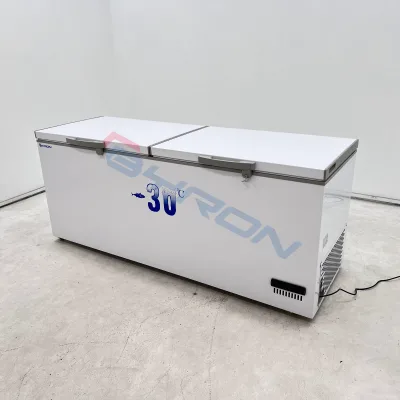
Ultra Low Temperature Freezer -86 Degree Adjustable for Ult Freezer Medical Freezer
$275.76 - $2226.46
MOQ: 1 Minimum


$3500.00 - $10000.00
MOQ: 1 Pieces
Guangzhou Junjian Kitchen Appliances & Refrigeration Equipment Co., Ltd.

Insulated Freezer Cold Room for Meat
$3500.00 - $10000.00
MOQ: 1 Pieces
Guangzhou Junjian Kitchen Appliances & Refrigeration Equipment Co., Ltd.
Comprehensive Sourcing Guide
Electronic LED ULT Freezer Sourcing Guide
Sourcing ultra-low temperature (ULT) freezers equipped with electronic LED displays requires a disciplined approach to balancing thermal performance, energy efficiency, and long-term reliability. These units are critical for preserving biological samples, vaccines, blood products, and specialized food items that degrade at standard freezing temperatures. The integration of LED interfaces offers improved visibility and energy savings over traditional incandescent bulbs, but it also introduces complexity in control systems that must be rigorously evaluated. Buyers must navigate a market where specifications vary significantly by capacity, cooling method, and intended application, ensuring that the selected unit meets precise operational needs without compromising safety or compliance.
The procurement process involves verifying that the supplier provides transparent technical data regarding temperature uniformity, recovery times, and alarm systems. Electronic controls allow for precise digital monitoring, which is essential for maintaining chain-of-custody integrity in laboratory and medical settings. However, the reliability of these electronic components under extreme cold conditions must be confirmed through supplier documentation and third-party testing. This guide outlines the key considerations for evaluating ULT freezers, from initial product scope analysis to long-term maintenance planning, ensuring that procurement decisions are based on verified facts and industry best practices.
Product Scope and Observed Listing Signals
The current market for ULT freezers presents a wide range of capacities, typically spanning from small-scale units around 58 liters to large industrial models exceeding 1,000 liters. Observed listings indicate a price range from approximately $80 to $13,500, reflecting the diversity in build quality, cooling technology, and brand positioning. Minimum order quantities (MOQs) vary from single units for laboratory use to bulk orders of up to 600 units for large-scale distribution or institutional procurement. Buyers should note that the term "electronic LED" often refers to the digital control interface rather than the lighting system itself, although many modern units feature LED interior lighting for better visibility without adding significant heat load.
Product attributes observed in listings include various cooling systems, such as direct cooling and air cooling, which impact temperature uniformity and energy consumption. The climate type ratings, such as N and ST, indicate the ambient temperature ranges in which the units are designed to operate effectively. Materials commonly include stainless steel for durability and hygiene, alongside plastic components for internal shelving and insulation. Buyers must carefully review the specific model numbers, such as FSF-86V838D or BD-318-20, to understand the exact capacity and configuration, as generic descriptions can be misleading. The presence of features like door locks and customizable logos suggests that these units are often intended for secure, professional environments where access control and branding are relevant.
Technical Specifications to Verify
Temperature performance is the most critical technical specification for ULT freezers, with observed ranges extending from -30°C to -86°C. Buyers must verify that the unit can consistently maintain the required temperature under load and during power recovery events. The cooling mode, whether direct, air, or fan cooling, affects how evenly temperatures are distributed within the chamber. Direct cooling systems are often simpler and more energy-efficient but may have slightly less uniformity compared to advanced air circulation systems. It is essential to confirm the temperature control mechanism, which can be mechanical, digital, or a combination, and ensure that the electronic display provides accurate, real-time feedback on internal conditions.
Energy efficiency is another key technical factor, with power consumption ranging from 75W to 650W depending on the size and insulation quality. The refrigerant type, commonly R600 or R290, is environmentally friendly but requires careful handling and compliance with safety standards. Buyers should also check the defrosting method, as automatic defrost reduces manual labor but may introduce temperature fluctuations, while manual defrost offers more control but requires operational downtime. The number of doors, typically one to three, impacts thermal stability, with single-door units being more common for ULT applications to minimize cold air loss. Additionally, the physical dimensions and weight must be verified to ensure compatibility with the installation site, including doorways and floor load capacity.
Compliance and Safety Documentation
Certification is a non-negotiable aspect of ULT freezer procurement, with CE marking being a common requirement for European markets and ETL or ISO certifications indicating adherence to international safety and quality standards. Buyers must request valid certification documents from suppliers to ensure that the units meet local regulatory requirements. The presence of safety features such as over-temperature alarms is critical for preventing sample loss due to equipment failure. These alarms should be audible and visible, and ideally, connected to remote monitoring systems for immediate notification of any deviations from set parameters.
Electrical safety is paramount, especially given the high voltage requirements of some models, which can operate on 220V-240V or 110V depending on the region. The plug type must match the customer country standard to avoid the need for adapters that could compromise safety. Buyers should verify that the units are constructed with materials that are non-toxic and durable, such as stainless steel, which resists corrosion and is easy to clean. The warranty period, typically one year, should be clearly defined, including coverage for compressors and electronic components. It is also important to confirm that the supplier provides comprehensive user manuals and technical support documentation in the buyer’s preferred language.
Cost Drivers and Commercial Terms
The cost of ULT freezers is influenced by several factors, including capacity, cooling technology, and brand reputation. Larger units with advanced digital controls and higher energy efficiency ratings tend to be more expensive. The observed price range of $80 to $13,500 reflects this variability, with entry-level models offering basic functionality and premium models providing enhanced features and reliability. Buyers should consider the total cost of ownership, including energy consumption, maintenance, and potential repair costs, rather than focusing solely on the initial purchase price. Customization options, such as branded logos or specific internal configurations, may also add to the cost.
Commercial terms, including MOQs and lead times, vary by supplier and order volume. Small orders may have higher per-unit costs due to setup and shipping expenses, while bulk orders can benefit from economies of scale. Buyers should negotiate clear terms regarding shipping, insurance, and installation support. The packaging, often in export-standard wooden crates, must be robust enough to protect the unit during transit. It is advisable to include clauses in the purchase agreement that address delays, damages, and non-conformance to specifications. Payment terms should be structured to protect the buyer’s interests, such as using letters of credit or escrow services for large transactions.
Supplier Qualification and Quality Control
Supplier qualification is essential to ensure that the ULT freezers meet quality and reliability standards. Buyers should verify the supplier’s manufacturing capabilities, including their production facilities in regions like Shandong, China, and their experience in producing medical or laboratory-grade equipment. Requesting references from previous clients, particularly those in similar industries, can provide insights into the supplier’s reliability and after-sales support. It is also important to check for any history of product recalls or quality issues, which can indicate potential risks in the supply chain.
Quality control processes should be transparent and rigorous, with suppliers providing evidence of testing procedures for temperature uniformity, alarm functionality, and energy efficiency. Buyers may consider conducting pre-shipment inspections or hiring third-party inspection services to verify that the units meet the agreed-upon specifications. The availability of spare parts and technical support is crucial for long-term maintenance, so buyers should confirm the supplier’s commitment to providing these services. Customization options, such as specific voltage requirements or internal configurations, should be clearly documented and verified before production begins to avoid costly errors.
Long-Term Procurement Checks
Long-term procurement success depends on establishing a strong relationship with the supplier and implementing regular performance reviews. Buyers should monitor the units’ performance over time, tracking energy consumption, temperature stability, and maintenance needs. Regular calibration of temperature sensors and electronic displays is necessary to ensure accuracy and compliance with regulatory standards. Buyers should also stay informed about advancements in ULT freezer technology, such as improved refrigerants or more efficient cooling systems, to make informed decisions about future upgrades or replacements.
Risk management is a key component of long-term procurement, including strategies for handling supply chain disruptions, price fluctuations, and technological obsolescence. Buyers should diversify their supplier base where possible to reduce dependency on a single source. Regular audits of the supplier’s quality management systems and compliance with environmental regulations can help mitigate risks. Finally, maintaining detailed records of all procurement activities, including contracts, invoices, and maintenance logs, is essential for accountability and continuous improvement in the procurement process.
FAQs
What certifications do these ultra low temperature freezers have?
These freezers hold CE, ISO, and ETL certifications to ensure safety and compliance. The specific certification depends on the model and target export market, so verify the exact document for your region before purchasing.
How many doors are available for these freezer units?
You can choose units with one, two, or three doors based on your storage needs. The configuration varies by capacity, ranging from small 58L models to large 1100L industrial freezers with multiple access points.
Can I customize the logo on these electronic led ult freezers?
Yes, customized logos are acceptable for most models in this product line. This service allows you to brand the equipment for your specific business requirements while maintaining the standard warranty and performance features.
What is the temperature range for these ultra low temperature freezers?
The temperature range extends from -30°C down to -86°C depending on the specific model selected. This allows for versatile storage of various biological samples, blood, and ice cream products requiring different freezing levels.
Which voltage standards are supported by these electrical equipment units?
These units support 220V-240V at 50Hz or 60Hz, as well as 110V at 60Hz. The plug type is adjusted to match the customer country standard to ensure safe and direct electrical connection upon delivery.
What is the warranty period for these freezer products?
A standard one-year warranty is provided for these ultra low temperature freezers. This coverage applies to the main components and cooling systems, ensuring reliability for food and blood storage applications during the initial year.