Source Electronic Shooting Family Games for Amusement Centers
Find and compare 30 Electronic Shooting Family Games suitable for amusement centers and family entertainment venues. Buyers can evaluate specifications like player capacity, voltage, and customization options to select the right machines for their business needs.
Key considerations
Products List
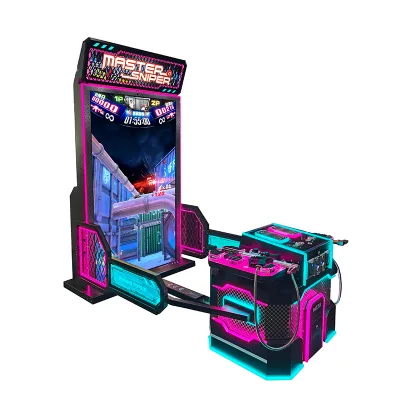



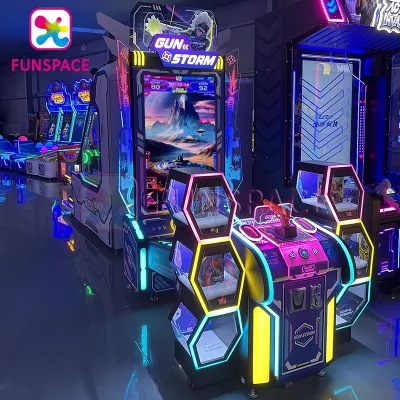


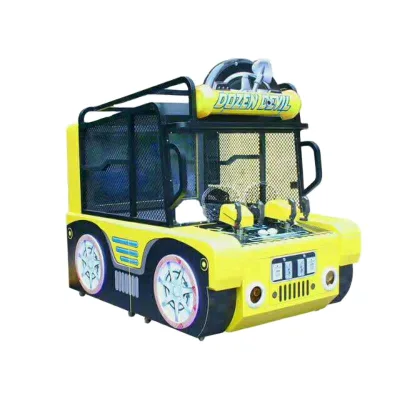
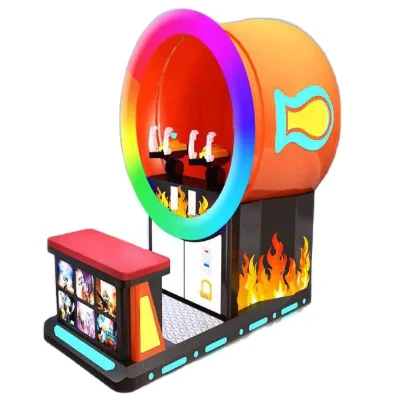
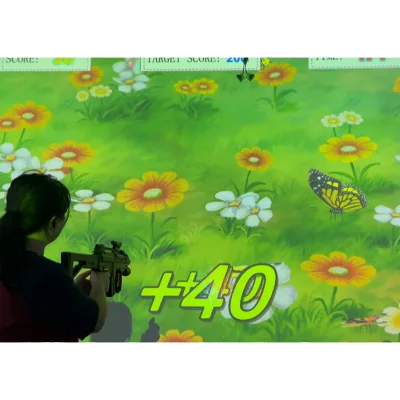
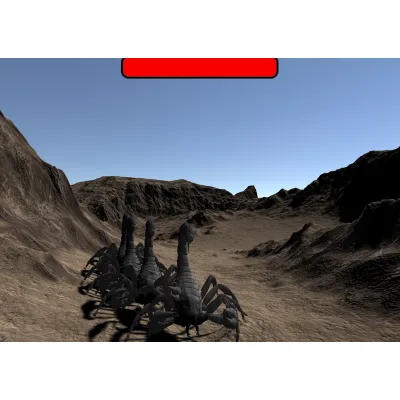
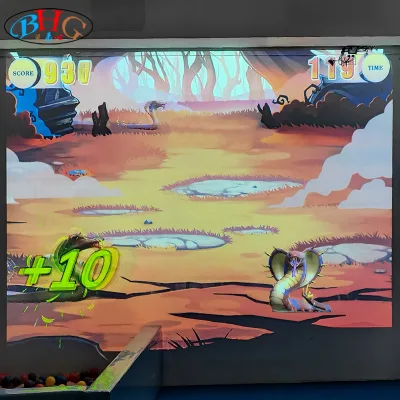
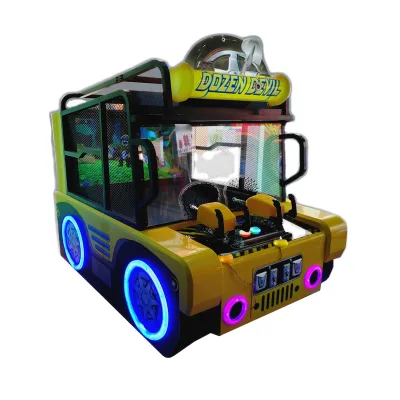
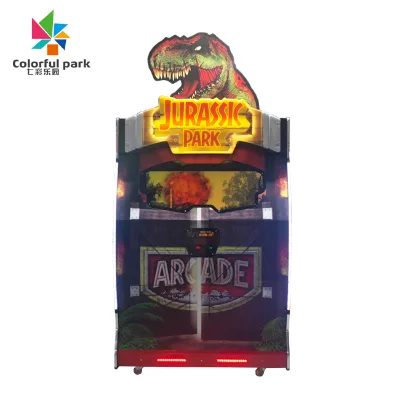
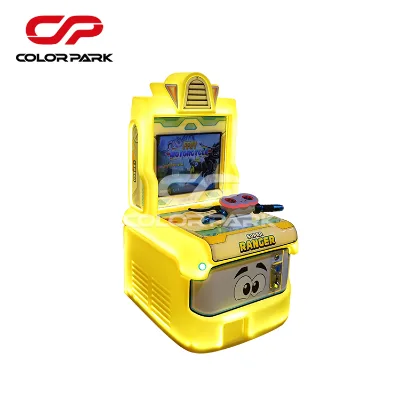
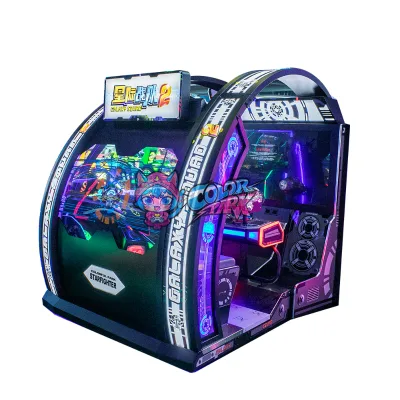
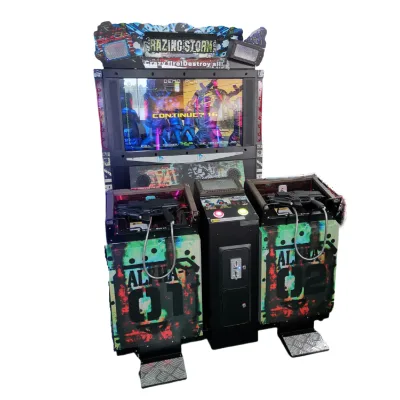

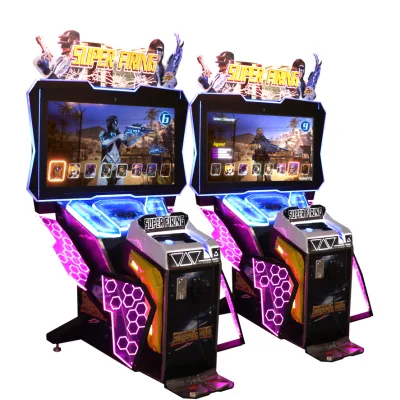
Exciting Interaction Multi Video Arcade Gun Game Adult Shooting Machine
$700.00 - $1015.00
MOQ: 1 Pieces


Mostest Design Big Arcade Gun Shooting Game Machine Indoor Amusement Park
$3000.00 - $3200.00
MOQ: 1 Pieces
Comprehensive Sourcing Guide
Sourcing Guide for Electronic Shooting Family Games
The procurement of Electronic Shooting Family Games represents a specialized segment within the amusement and entertainment equipment market. Buyers seeking these units must navigate a landscape defined by diverse technical configurations, varying power requirements, and specific safety standards. The core keyword "Electronic Shooting Family Games" encompasses a wide array of machines, from standalone upright cabinets to large-scale interactive experiences. This guide provides a structured approach to sourcing these assets, relying strictly on observed product attributes and established industry practices to ensure a robust procurement strategy.
Technical Specifications and Operational Requirements
When evaluating electronic shooting games, the first priority is understanding the technical specifications that dictate installation and operational feasibility. The observed product data reveals significant variance in power consumption and voltage requirements, which is a critical factor for international procurement. Some units operate on standard mains voltage, specifically noted as 110V or 220V, while others may utilize lower voltage systems such as 12V with 15ah battery configurations. This discrepancy necessitates a thorough review of the local electrical infrastructure before placing an order. Buyers must verify that the supplier's listed voltage matches the destination site's grid to prevent equipment damage or the need for expensive transformer installations.
Power consumption is another variable attribute. Listings indicate power ratings ranging from 50W to as high as 1900W depending on the model and complexity. For instance, a standard upright shooting machine might operate at 100W, whereas a large-scale VR or walking simulation unit could require between 850W and 1900W. This range directly impacts the electrical load calculations for the venue. Furthermore, the physical dimensions and weight are substantial considerations. Observed weights vary from 50kg for smaller units to 400kg for larger installations. The larger units, often featuring VR capabilities or extensive walking spaces, require reinforced flooring and specialized logistics for transport.
The material composition of these machines is predominantly metal, acrylic, and plastic, or hardware and plastic combinations. This construction ensures durability in high-traffic environments like game centers. The display technology is typically Liquid Crystal Display (LCD), which provides the visual clarity necessary for immersive gameplay. Audio systems are often integrated, with some models featuring surround sound capabilities to enhance the user experience. Buyers should verify the specific display type and audio configuration against the intended venue's ambient noise levels and visual requirements.
Compliance and Certification Verification
Safety and regulatory compliance are non-negotiable aspects of sourcing electronic entertainment equipment. The observed product data includes references to RoHS and CE certifications. RoHS (Restriction of Hazardous Substances) ensures that the electronic components within the game machines do not contain specific hazardous materials, which is a standard requirement for markets in Europe and increasingly globally. CE marking indicates conformity with health, safety, and environmental protection standards for products sold within the European Economic Area.
However, buyers must exercise caution. While these certifications are listed as attributes, they should not be assumed to apply to every unit in a catalog without verification. Procurement teams must request valid, current certification documents for the specific model being purchased. The certification status should be cross-referenced with the local regulations of the destination country. For example, if the equipment is being imported into the United States, the CE mark alone is insufficient; additional compliance with local safety standards may be required. Similarly, the plug type is listed as available in EU, US, UK, and AU configurations, but the physical plug must match the local wall outlets to ensure safe operation.
Cost Drivers and Pricing Dynamics
The pricing for Electronic Shooting Family Games is highly variable, reflecting the complexity of the machinery and the features included. The observed price range spans from 20 USD to 24,000 USD. This vast difference is driven by several factors, including the scale of the machine, the sophistication of the software, and the inclusion of advanced technologies like VR. A basic upright shooting cabinet will likely fall at the lower end of this spectrum, while a large-scale VR walking simulation unit with extensive hardware and software integration will command a premium price.
Beyond the unit price, buyers must consider the Minimum Order Quantity (MOQ). The observed MOQ range is between 1 and 1120 units. This flexibility allows for different procurement strategies. Small venues or test markets may opt for single-item purchases, while large amusement parks or franchise operators might leverage bulk ordering to negotiate better terms. However, the high-end MOQ of 1120 suggests that some suppliers operate primarily on a wholesale or manufacturing model, requiring significant volume commitments.
Additional cost drivers include customization. The product data indicates that customization is available, with some units listed as "Non-Customized" and others as "Customized." Customization can involve branding, software language localization, or specific hardware modifications. These custom features invariably increase the unit cost and may extend the lead time. Buyers should clearly define their customization needs early in the negotiation process to avoid unexpected cost overruns.
Typical Applications and User Demographics
Understanding the intended application of the equipment is essential for selecting the right product. The primary usage scenario identified is for "Amusement Game Centers," but the versatility of these machines allows for deployment in various family entertainment venues. The target audience varies significantly across different models. Some units are designed for a broad demographic, suitable for both children and adults, with age recommendations ranging from over 3 years old to 15-50 years old. Other models are specifically targeted at children aged 7-14 years old.
The player capacity is another critical application factor. The observed data shows configurations for 2, 4, 6, 8, and 10 players. This flexibility allows operators to match the machine size to their available floor space and expected foot traffic. A 2-player cabinet is suitable for smaller spaces or quick-turnover games, while a 10-player setup is ideal for large family groups or competitive events. The "Game Support Software" usage indicates that these machines often rely on backend management systems for tracking scores, managing currency, and updating content, which is vital for commercial operations.
Supplier Evaluation and Origin Considerations
When evaluating potential suppliers, the place of origin is a key data point. The observed product data lists origins in Hong Kong S.A.R., Guangzhou, China, and Guangdong, China (Mainland). These regions are known hubs for amusement equipment manufacturing, offering a concentration of specialized suppliers. However, buyers should not assume that all products from these locations share identical quality standards. It is imperative to assess the supplier's specific manufacturing capabilities, quality control processes, and after-sales support.
The brand name "HUGE SHARK" is observed in the data, but buyers should not limit their search to a single brand. Instead, they should evaluate the supplier's reputation, years in business, and portfolio of completed projects. The condition of the products is listed as "New," which is standard for B2B procurement, but buyers must confirm whether the unit is factory new or refurbished. Additionally, the warranty period is a crucial indicator of supplier confidence. A standard 1-year warranty is observed, but buyers should negotiate terms that cover critical components like the display, control boards, and mechanical parts.
Quality Control and Packaging Standards
Quality control begins with the packaging. The observed packing specifications include "Bubble Pack," "Well Paper," "Stretch Films," and "Strong Wood F" (likely referring to wooden frames or crates). This multi-layered approach is designed to protect the machine during transit, which is particularly important for heavy units weighing up to 400kg. The "Strong Wood F" component suggests that large units are shipped in robust wooden crates to prevent damage from stacking or rough handling.
Buyers should verify that the packaging meets the requirements of the shipping carrier and the destination country's import regulations. For international shipments, wooden packaging often requires specific treatment to prevent the spread of pests, and documentation proving this treatment should be requested. Furthermore, the appearance of the machine is described as "Attract and Fashion," indicating a focus on aesthetic design. Quality control checks should include inspecting the finish, the integrity of the acrylic and metal components, and the functionality of the controls before the unit leaves the factory.
Long-Term Procurement and Maintenance
Long-term success with electronic shooting games depends on reliable after-sales support and maintenance planning. The warranty period of 1 year is a starting point, but buyers should inquire about the availability of spare parts. Given the mechanical nature of shooting games, components like triggers, guns, and sensors are subject to wear and tear. Ensuring a steady supply of replacement parts is essential for minimizing downtime.
The language support is listed as English, with some versions available in Chinese. For international operators, software localization is a critical consideration. The ability to update the game software and language settings remotely or via physical media can significantly reduce operational costs. Additionally, the "Customized" attribute suggests that suppliers may offer tailored solutions for specific venues. Buyers should explore the extent of this customization, including the ability to update game content, adjust difficulty levels, and integrate loyalty programs.
In conclusion, sourcing Electronic Shooting Family Games requires a meticulous approach that balances technical specifications, compliance requirements, and cost considerations. By carefully analyzing the observed data and adhering to strict verification protocols, buyers can secure high-quality equipment that meets the demands of their specific market. The diversity in voltage, power, and player capacity offers flexibility, but it also demands a detailed understanding of the end-user environment to ensure optimal performance and safety.
FAQs
What voltage options are available for these machines?
Units operate on 110V, 220V, or 12V battery systems. Buyers must verify local grid compatibility to prevent damage or avoid expensive transformer installations before ordering.
Which certifications are listed for these shooting games?
Some models list RoHS and CE certifications for safety compliance. Buyers should request valid documents for specific models to ensure they meet local regulatory standards.
How many players can these machines support simultaneously?
Configurations support 2, 4, 6, 8, or 10 players depending on the model. Operators should match player capacity to their venue size and expected foot traffic.
What is the typical weight range for these units?
Weights range from 50kg for smaller cabinets to 400kg for large VR installations. Heavier units require reinforced flooring and specialized logistics for safe transport.
Can these games be customized for specific venues?
Customization is available for branding, language, and hardware modifications. Buyers should define needs early as custom features increase unit costs and may extend lead times.
What warranty period is typically provided for these games?
A standard one-year warranty is observed for most units. Buyers should negotiate terms covering critical components like displays and control boards to minimize downtime.