Find Electronical Voltage Adjuster Car Alternator for Mining, Industrial, and Power Supply
Source 30 listings of Electronical Voltage Adjuster Car Alternator units featuring silicon rectification and claw-pole structures. Buyers can compare current levels ranging from 40A to over 90A, input voltages, and bonding types across models like SHB-086 and SHB-087.
Key considerations
Products List


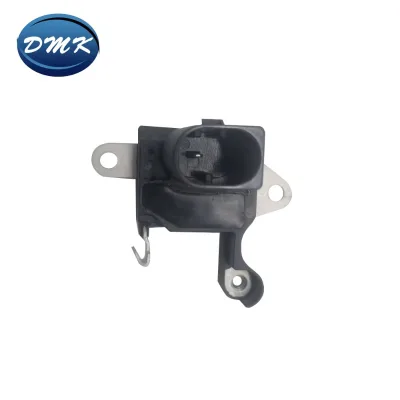
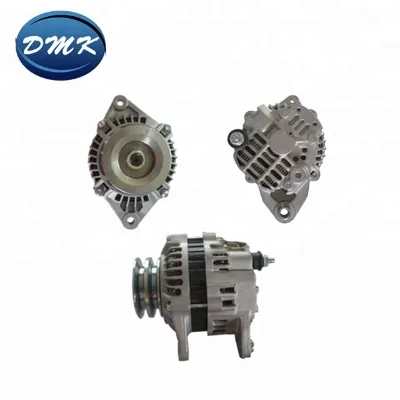


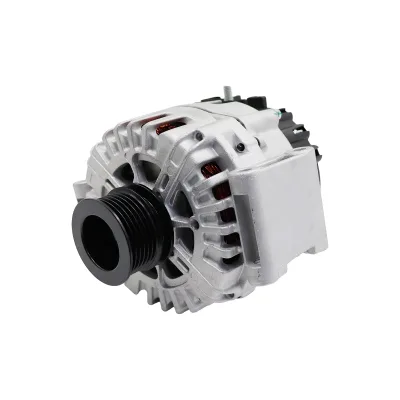
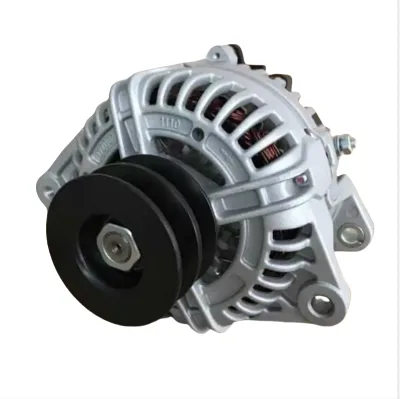


Comprehensive Sourcing Guide
Strategic Sourcing Guide for Electronical Voltage Adjuster Car Alternators
The global automotive and industrial power supply sectors rely heavily on the precision and reliability of voltage regulation systems. For procurement professionals investigating the core keyword "Electronical Voltage Adjuster Car Alternator," the market presents a diverse array of technical configurations, ranging from silicon rectification generators to specialized servo-driven systems. This guide synthesizes observed product attributes and industry standards to provide a disciplined framework for evaluating potential suppliers and specifications. Buyers must navigate a landscape where "Electronical" voltage adjusters coexist with "Electromagnetic Vibratory" types, requiring careful differentiation to ensure the selected component meets specific vehicle or industrial application requirements. The following sections detail the technical parameters, compliance verification, cost structures, and quality assurance protocols necessary for successful B2B procurement in this domain.
Technical Architecture and Component Specifications
Understanding the internal architecture of the voltage adjuster is the first step in defining a precise procurement specification. The observed product data indicates a clear distinction between different structural types. Specifically, the "Electronical" voltage adjuster type is associated with a "Silicon Rectification Generator" structure. This configuration typically implies a solid-state control mechanism that offers faster response times and higher durability compared to mechanical alternatives. In contrast, other entries in the market data reference an "Electromagnetic Vibratory" adjuster paired with a "Magneto Alternator" structure, which serves different operational niches.
When sourcing electronical variants, buyers should verify the current level capabilities, as these directly impact the alternator's ability to sustain electrical loads. The available data highlights specific current ranges, including levels designated as 4 (40~49A), 5 (50~59A), 8 (80~89A), and 9 (≥90A). Selecting the correct current level is critical for matching the alternator to the vehicle's electrical demand. Furthermore, the bonding type of the magnetic field winding is a key structural differentiator. The electronical systems observed utilize "Outer Bonding," whereas alternative configurations may feature "Inner Bonding." This distinction affects heat dissipation and mechanical stability under high-load conditions.
The phase configuration is another non-negotiable technical parameter. The majority of the observed products are "Three Phase," which is the industry standard for automotive alternators due to its efficiency and smooth power delivery. However, buyers must confirm this specification, as single-phase variants exist for smaller, specialized applications. The rectifier structure also warrants attention; specific models feature an "Eleven Tubes" configuration, which influences the ripple factor and overall output stability. Additionally, the voltage adjuster's integration with the motor system is evident in descriptions noting a "Motor Serve" function, suggesting active regulation capabilities that adapt to dynamic load changes.
Compliance, Certification, and Standard Verification
In the B2B automotive supply chain, compliance is not merely a formality but a prerequisite for market entry and liability protection. The observed product listings indicate that certain items adhere to the "CE" standard, a mandatory conformity mark for products sold within the European Economic Area. When sourcing electronical voltage adjusters, buyers must explicitly request proof of CE certification or equivalent regional standards (such as E-mark for automotive components) before finalizing orders. The absence of such documentation should trigger a rigorous audit of the supplier's quality management system.
Beyond regional certifications, the physical and operational standards of the product must be verified against the provided data. One observed entry lists a standard of "5kg," which likely refers to a specific weight classification or packaging standard rather than a performance metric. Buyers should clarify whether this figure represents the net weight of the unit, the gross weight including packaging, or a specific industry weight class. Similarly, the "prod_packing" attribute varies between "Shipping" and "Cartoon" (likely a typographical variation of "Carton") in the data. Procurement teams must define precise packaging requirements to prevent damage during transit, especially given the sensitivity of electronic components to vibration and moisture.
Origin and location data provide context for regulatory compliance. The observed products originate from "Zhejiang" and "China," regions known for high-volume manufacturing. While this offers cost advantages, it necessitates a deeper dive into the supplier's export compliance history. Buyers should verify that the supplier adheres to international trade regulations regarding electronic waste and hazardous materials, particularly since these units contain silicon rectifiers and copper windings. The "prod_standard" field in the data is sometimes populated with weight values, which suggests a need for buyers to define their own performance standards rather than relying on generic labels.
Cost Drivers and Pricing Dynamics
The pricing landscape for electronical voltage adjuster car alternators is highly variable, with observed listed prices ranging from $8 to $20,000 USD. This wide spectrum reflects differences in capacity, technology, and intended application. The lower end of the range likely corresponds to smaller, standard automotive units or replacement components, while the upper end may encompass high-capacity industrial systems, such as those with "Max Rated Ouput Current" of 30kVA and 120A, or specialized units like the "SVC0.5-5kVA" models.
Several factors drive these cost variations. First, the current level is a primary cost driver; units rated at 90A or higher generally command a premium due to the increased material usage and more robust cooling requirements. Second, the complexity of the voltage adjuster mechanism influences price. "Electronical" systems with "Linear Regulated Power Supply" capabilities and "Regulating Speed" of less than 1 second (when input voltage varies 10%) involve more sophisticated circuitry than simpler vibratory types. Third, the inclusion of advanced monitoring features, such as "LCD, LED, Analog" meters, adds to the unit cost.
The Minimum Order Quantity (MOQ) also plays a significant role in the total cost of ownership. The observed MOQ range spans from 1 to 200 units. Buyers seeking small batches may face higher per-unit costs due to setup fees, whereas bulk purchases of 200 units or more can leverage economies of scale. Additionally, the "Customization: Available" attribute suggests that tailored solutions, such as specific voltage inputs (e.g., 160V-240V) or output requirements (220V, 110V), will incur additional engineering and tooling costs. Buyers must balance the desire for customization against the budget constraints, as standard models often offer the most competitive pricing.
Operational Applications and Performance Metrics
The application range for these products is broad, extending from standard automotive use to "Industrial and Mining Enterprises." The specific "Usage" field identifies "SVC" (Static Var Compensator) as a key application, indicating that these voltage adjusters are often integrated into power quality improvement systems. In such contexts, the "Efficiency" of the unit is paramount, with observed data citing an efficiency of greater than 90%. This high efficiency is crucial for minimizing energy losses in large-scale industrial operations.
Performance metrics such as "Temperature-Rise" and "Over-Voltage Protection" are critical for ensuring reliability in harsh environments. The observed "Temperature-Rise" limit of less than 60 degrees Celsius provides a benchmark for thermal management; buyers should verify that their cooling systems can maintain the unit within this range under continuous load. The "Over-Voltage Protection" feature, specified as 184V+-4V (set according to user requirement), highlights the importance of programmable safety limits. In mining or industrial settings where voltage fluctuations are common, the ability to adjust these thresholds is a vital feature.
The "Frequency Characteristics" and "Frequency" attributes further define the operational envelope. While some units are designed for "Power Frequency," others are rated for "Intermediate Frequency," which affects their suitability for specific inverter-driven applications. The "Input Voltage" range of 160V-240V suggests compatibility with standard single-phase or three-phase industrial grids, but buyers must confirm the exact frequency (e.g., 50Hz or 60Hz) to ensure grid compatibility. The "Power as You Need" attribute, listed at 80%, and "Less Power" at 70%, likely refer to load capacity utilization or efficiency curves under partial load conditions, which are essential for calculating operational costs in variable-load scenarios.
Supplier Evaluation and Quality Assurance Protocols
Evaluating suppliers for electronical voltage adjusters requires a multi-faceted approach that goes beyond price comparisons. The "Customization: Available" attribute indicates that the supplier's engineering capability is a key differentiator. Buyers should assess the supplier's ability to adapt the "Voltage Adjuster Type" and "Bonding Type" to specific project needs. A supplier with a robust R&D department will be better equipped to handle the "Electronical" versus "Electromagnetic" design choices and optimize the "Rectifier Structure" for the target application.
Quality control is paramount, especially given the "Iron Core Shape" (Ring) and "Cover" (Iron Cover) specifications that suggest heavy-duty construction. Buyers should request detailed quality assurance reports that include testing for "Coil" integrity, noting the "100%" claim in the data as a baseline expectation for winding quality. The "Meter" types (LCD, LED, Analog) must be tested for accuracy and durability. Furthermore, the "Structure" of the unit, whether "Silicon Rectification Generator" or "Magneto Alternator," must be validated through physical inspection and performance testing.
Suppliers should also demonstrate a commitment to continuous improvement and defect reduction. The "prod_packing" variations observed suggest that packaging consistency can be an issue. Buyers should establish strict packaging protocols to ensure that the "Shipping" or "Carton" methods protect the sensitive electronic components from environmental damage. Additionally, the "prod_model" diversity, ranging from "SHB-086" to "mitsubishi auto car alternator voltage regulator," indicates a need for a supplier with a broad product portfolio or the ability to source compatible components. A reliable supplier will maintain a clear inventory of these models and provide traceability for each unit.
Long-Term Procurement and Lifecycle Management
Sourcing electronical voltage adjusters is not a one-time transaction but a long-term partnership that requires strategic planning. The "Lead Time" and "MOQ" constraints observed (1-200 units) suggest that buyers must plan their inventory carefully to avoid stockouts or overstocking. For high-volume applications, establishing a framework for recurring orders can help stabilize costs and ensure supply chain continuity.
Lifecycle management also involves monitoring the "Efficiency" and "Regulating Speed" of the units over time. As the "Temperature-Rise" and "Over-Voltage Protection" mechanisms age, their performance may degrade. Buyers should implement a preventive maintenance schedule that includes regular checks of the "Coil" condition and the "Meter" accuracy. The "Power Source" type, identified as "Linear Regulated Power Supply," may require specific maintenance procedures to ensure long-term stability.
Finally, the "Application Range" of "Industrial and Mining Enterprises" implies that these units operate in demanding environments. Buyers should consider the total cost of ownership, including energy consumption, maintenance, and potential downtime. The "Max Rated Ouput Current" of 30kVA and 120A indicates that these units are designed for heavy-duty use, and their longevity depends on proper installation and operation within the specified "Input Voltage" and "Frequency" ranges. By focusing on these long-term factors, procurement professionals can secure a reliable supply of high-performance voltage adjusters that support their operational goals.
FAQs
What voltage adjuster types are available for car alternators?
Electronical and Electromagnetic Vibratory types are available. Electronical units typically pair with Silicon Rectification Generators, while vibratory types often use Magneto Alternators. Buyers must verify the specific type required for their vehicle or industrial application before ordering.
Which current levels can these alternators support?
Available current levels range from 40 to over 90 Amperes. Specific options include 40-49A, 50-59A, 80-89A, and 90A or higher. Selecting the correct level is essential to match the electrical load requirements of the target vehicle or mining enterprise.
Can I customize the voltage adjuster specifications?
Yes, customization is available for specific project needs. Buyers can request tailored inputs like 160V to 240V or specific output voltages. Customization may involve additional engineering costs and should be confirmed with the supplier before finalizing the purchase order.
What certifications do these products meet?
Some products meet the CE standard for European compliance. Buyers should explicitly request proof of certification or equivalent regional marks before purchasing. Verification of these standards is critical for liability protection and market entry in regulated regions.
How does the bonding type affect performance?
Outer bonding is used in electronical systems, while inner bonding appears in other configurations. This structural difference impacts heat dissipation and mechanical stability under high loads. Buyers should confirm the bonding type to ensure compatibility with their specific operational environment.
What is the typical price range for these units?
Prices range from 8 to 20,000 USD depending on capacity and features. Lower costs apply to standard automotive units, while high-capacity industrial models cost more. The final price also depends on the Minimum Order Quantity and any requested customization options.
Where are these alternators manufactured?
Products originate from China, specifically the Zhejiang region. This location offers high-volume manufacturing capabilities but requires verification of export compliance and quality management systems. Buyers should confirm the origin to ensure adherence to international trade regulations.