Find Electronic Variable Head Soil Permeameter for Lab Testing, Field Surveys, and Quality Control
Source 30 Electronic Variable Head Soil Permeameter units from verified Chinese manufacturers. Buyers can compare models like TST-55 and STS-70, review specifications such as specimen size and working methods, and evaluate pricing ranges from 1 to 8802.04 USD.
Key considerations
Products List
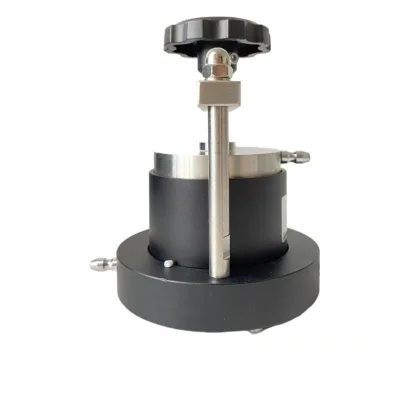
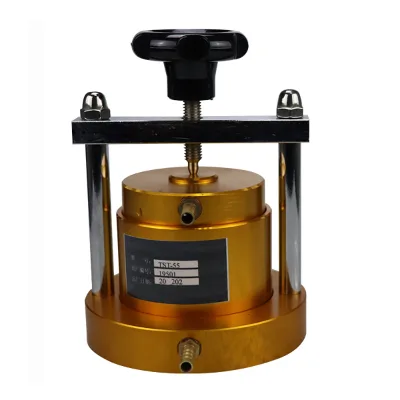
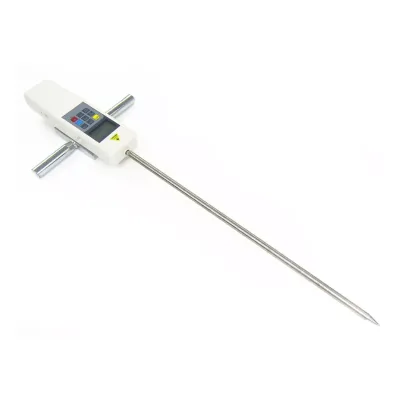
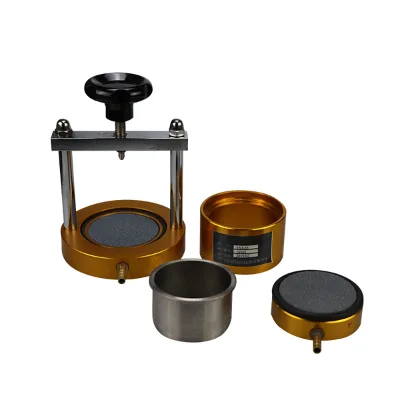
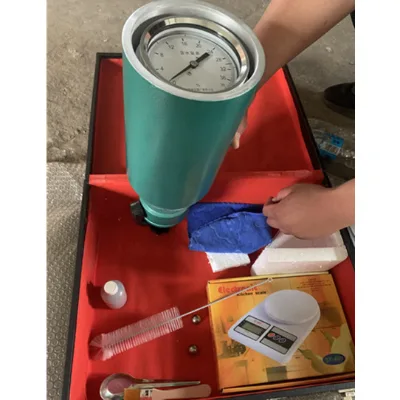
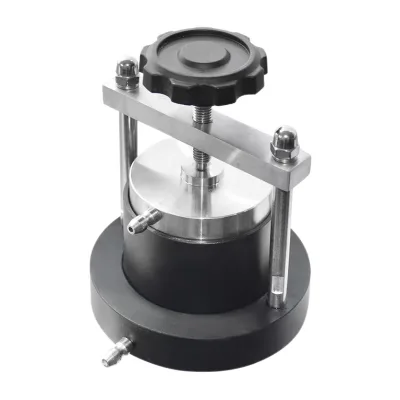
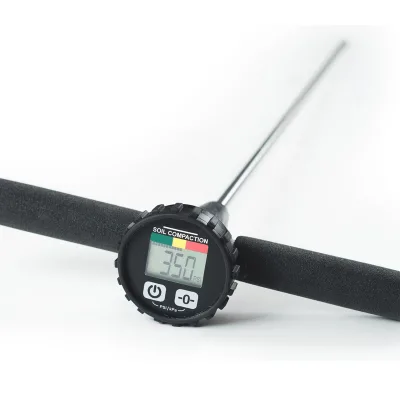
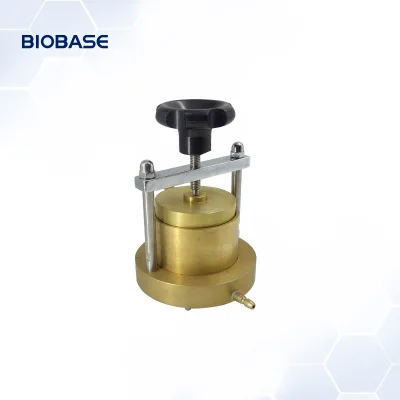


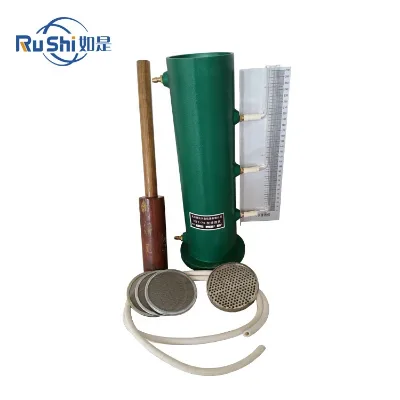
Cylinder 400X100mm Constant Head Permeameter for Soil Permeability Testing
$120.00 - $125.00
MOQ: 1 Pieces




Comprehensive Sourcing Guide
Strategic Sourcing Guide for Electronic Variable Head Soil Permeameters
Understanding the Technical Landscape and Apparatus Variants
The procurement of soil testing equipment requires a precise understanding of the specific hydraulic testing methodologies employed in geotechnical engineering. The core keyword "Electronic Variable Head Soil Permeameter" refers to sophisticated instrumentation designed to measure the hydraulic conductivity of soils, particularly those with low permeability where constant head methods are impractical. While the supplied product data highlights specific models such as the TST-55 and STS-70, buyers must recognize that these often represent falling head permeability apparatuses. The distinction between "variable head" and "falling head" is often semantic in the industry, yet the operational mechanism is critical. The provided facts indicate that the "working way" for several listed units is the "vertical permeability method," which aligns with the falling head principle where water flows through a soil specimen under a decreasing hydraulic head.
When evaluating an electronic variable head system, the buyer must look for the integration of digital sensors that automate the measurement of head changes over time. The supplied context mentions a "Portable Soil Penetrometer Digital Soil Hardness Tester" with an accuracy of ± 0.5% and a resolution of 0.1kg, which, while a different device, illustrates the industry trend toward digital precision. For the permeameter itself, the electronic component should ideally automate the recording of water levels, reducing human error associated with manual stopwatch and ruler readings. The specimen size is a fundamental technical constraint; the data specifies a standard specimen dimension of "Dia. 61.8*40mm." This dimension is crucial for ensuring that the calculated permeability coefficients are comparable to established geotechnical databases. Any deviation from this standard specimen size without a corresponding correction factor can render the test results non-compliant with major international standards.
Furthermore, the material composition of the apparatus is a key technical differentiator. The provided facts explicitly list "Brass" as a material for certain components. Brass is preferred for its corrosion resistance and dimensional stability in wet environments, which is essential for long-term accuracy. However, buyers should verify if the entire flow path, including the standpipe and connecting tubing, utilizes corrosion-resistant materials. The power source is another variable; while some units in the dataset are described as "Hydraulic" or "Electronic," a true electronic variable head system typically relies on electronic sensors and data loggers, potentially powered by a standard electrical outlet or a rechargeable battery for field applications. The "Single volume" listed as "0 cm³" in the raw data likely refers to a placeholder or a specific component volume that does not define the apparatus capacity, so buyers must request the total system volume and standpipe diameter to calculate the theoretical head loss rates accurately.
Compliance, Standards, and Certification Verification
Navigating the regulatory and standards landscape is perhaps the most critical step in sourcing high-quality soil testing equipment. The supplied product information presents a mix of standards, listing both "GB" (Guobiao, the Chinese national standard) and "ASTM" (American Society for Testing and Materials). This indicates that suppliers in this sector often manufacture equipment capable of meeting multiple international protocols. For a buyer sourcing an Electronic Variable Head Soil Permeameter, verifying that the apparatus is designed to satisfy ASTM D2434 (Standard Test Methods for Laboratory Permeability of Porous Media) is paramount. This standard specifically governs the falling head permeability test, which is the primary method for this equipment type.
In addition to ASTM, the "GB" standard mentioned in the data suggests compliance with Chinese national requirements, which are often rigorous regarding manufacturing tolerances. Buyers should also check for "ISO" certification, as the data explicitly lists "ISO" as a certificate held by at least one supplier. ISO 9001 certification indicates that the manufacturer has a quality management system in place, which is a strong proxy for consistent product quality. However, the presence of a certificate on a product page does not guarantee that every unit sold is certified; it usually refers to the manufacturing facility. Therefore, procurement teams must request the specific certificate number and verify its validity with the issuing body.
The "Standard" attribute in the data also notes "ASTM," which is a positive signal for export-oriented manufacturers. However, buyers must be cautious of "standard" claims that are not backed by the specific test method. For instance, while the apparatus may be designed for ASTM D2434, the accuracy of the electronic sensors must be validated against the precision requirements of that standard. The data mentions a "Resolution: 0.1kg" for a different device (the penetrometer), which highlights the importance of resolution specifications. For a permeameter, the resolution of the water level measurement (often in millimeters) and the time measurement (in seconds) must be sufficient to detect minute changes in head for low-permeability soils. Buyers should explicitly ask for the sensor resolution and the data logging frequency of the electronic system to ensure it meets the sensitivity requirements of their specific soil samples.
Cost Drivers and Pricing Structure Analysis
The pricing landscape for soil testing equipment is highly variable, as evidenced by the observed listed price range of 1 to 8802.04 USD in the provided data. This wide disparity suggests that the "electronic variable head" designation can apply to both basic manual setups with digital add-ons and fully automated, computer-integrated systems. The lower end of the price spectrum likely corresponds to manual falling head apparatuses where the "electronic" component is limited to a simple digital timer or a basic water level sensor. In contrast, the higher price points likely reflect systems with advanced data acquisition software, automated head control, and integrated temperature compensation, which are essential for high-precision research.
Several factors drive the cost of these units. First, the "Customized support" attribute, which lists "OEM, ODM, OBM," indicates that branding and customization add significant value. A buyer purchasing a generic unit will pay less than one requiring a specific brand name like "QINHE" or "IWIN" with custom logos and proprietary software interfaces. The "Supply Ability" of "10000 sets per Month" suggests a high-volume manufacturer, which can sometimes lead to economies of scale and lower unit costs, but it also implies that the supplier may prioritize standard models over highly customized engineering solutions.
The "MOQ" (Minimum Order Quantity) is another critical cost driver. The data shows an MOQ range of 1 to 5, with specific listings for "1SET" and "1 Set." This low barrier to entry is favorable for small laboratories or research institutions that do not wish to commit to large inventory purchases. However, buyers should be aware that while the MOQ is low, the "Selling Units" are listed as "Single item," which may imply that the price quoted is for a complete kit rather than individual components. If a buyer needs to replace a specific part, such as a standpipe or a sensor, the cost per unit might be disproportionately high compared to the initial purchase price.
Additionally, the "Packing Details" of "wooden box" and the "Packing Dimension" of "400x226x146mm" contribute to the final landed cost. Wooden crates are heavy and bulky, increasing shipping and handling expenses, particularly for international orders. The "Place of Origin" being "Hebei, China" or generally "China" means that buyers must factor in freight costs, which can fluctuate significantly based on global logistics conditions. The "Port of dispatch" listed as "Tianjin" is a major hub, which may offer competitive shipping rates, but buyers should verify the Incoterms (e.g., FOB, CIF) to understand who bears the risk and cost of transit.
Typical Applications and Operational Context
The primary application of the Electronic Variable Head Soil Permeameter is the determination of the hydraulic conductivity of fine-grained soils, such as clays and silts, which are too impermeable for constant head testing. The data explicitly states the "Application" as "Soil Permeability Test" and "Soil testing," confirming its role in geotechnical engineering and environmental studies. The "Working way" of "vertical permeability method" indicates that the water flows vertically through the soil specimen, which is the standard configuration for most laboratory permeability tests. This vertical flow ensures that the hydraulic gradient is uniform and that the test results are not skewed by lateral flow paths.
Beyond standard laboratory testing, the "Application" field also mentions "Field" for related devices like the "Portable Soil Penetrometer." While the permeameter itself is typically a laboratory instrument due to its size and the need for controlled conditions, the trend toward "Portable" designs suggests that some manufacturers are developing field-capable units. These would be essential for in-situ testing where soil samples cannot be easily transported to a lab, or for rapid field assessments of soil stability. The "Usage" description "Soil Permeability Apparatus Falling Head Permeamet" reinforces the specific use case of measuring permeability through the falling head mechanism.
The "Test" attribute mentions "used to determine the lowest moisture content," which appears to be a conflation with the "Shrinkage Limit" or "Plastic Limit" tests often performed on the same soil samples. However, in the context of permeability, the moisture content is a critical variable that must be recorded to calculate the void ratio and subsequently the permeability coefficient. Buyers should ensure that the electronic system includes features for logging moisture content and temperature, as these factors significantly influence the viscosity of water and, consequently, the permeability results. The "Keyword" of "Soil Compaction Tester" in the data suggests that some suppliers offer a suite of testing equipment, and buyers may find value in bundling purchases if they require multiple types of soil analysis tools.
Supplier Evaluation and Manufacturing Capabilities
When evaluating potential suppliers for electronic variable head soil permeameters, buyers must look beyond the product page and assess the manufacturing capabilities and business flexibility. The "Customized support" attributes of "OEM, ODM, OBM" are strong indicators of a supplier's ability to adapt products to specific client needs. OEM (Original Equipment Manufacturer) support means the supplier can produce equipment under the buyer's brand, which is valuable for large organizations wanting to standardize their laboratory equipment. ODM (Original Design Manufacturer) support implies the supplier can modify the design of the apparatus, perhaps to integrate specific sensors or software interfaces. OBM (Original Brand Manufacturer) indicates the supplier has its own brand, such as "QINHE" or "IWIN," and is willing to sell under their own name.
The "Brand Name" variations in the data, including "QINHE" and "IWIN," suggest a competitive market with multiple players. Buyers should investigate the reputation of these brands and the longevity of the company. The "Place of Origin" is consistently listed as "China," specifically "Hebei, China," which is a known industrial hub for laboratory equipment. However, the "Port of dispatch" being "Tianjin" suggests that the manufacturing might be in Hebei, with logistics handled through the nearby port. This proximity is efficient but requires buyers to verify the actual factory location to ensure it aligns with their quality expectations.
The "Supply Ability" of "10000 sets per Month" is a significant metric. It indicates a high-volume production capacity, which is beneficial for large orders and ensures that the supplier can meet demand during peak seasons. However, buyers should verify if this capacity is dedicated to the specific model they are purchasing or if it is an aggregate of all products. A high supply ability does not necessarily guarantee high quality; it is essential to cross-reference this with the "Certificate" of "ISO" and request references from other international clients. The "Warranty" of "1 Year" is a standard offering, but buyers should clarify the scope of this warranty, including whether it covers electronic components, sensors, and software updates.
Quality Control and Long-Term Procurement Considerations
Ensuring the long-term reliability of the Electronic Variable Head Soil Permeameter requires a robust quality control strategy. The "Accuracy" of ± 0.5% mentioned for the penetrometer serves as a benchmark for the precision expected in high-end soil testing equipment. For the permeameter, buyers should demand similar accuracy specifications for the water level sensors and time measurement systems. The "Resolution" of 0.1kg for the penetrometer highlights the importance of high-resolution sensors; for a permeameter, the resolution of the water level measurement should be in the sub-millimeter range to detect small changes in head.
The "Material" of "Brass" is a positive indicator for durability, but buyers should also inquire about the quality of the seals, tubing, and electronic connectors. These components are often the first to fail in wet, corrosive environments. The "Packing Dimension" and "Single gross weight" of 0.0 kg (likely a data error or placeholder) suggest that the actual weight and dimensions must be verified before shipping to ensure proper handling and storage. The "Packing Details" of "wooden box" provide protection but can be prone to moisture damage if not properly treated; buyers should request that the wooden crates be fumigated and sealed to prevent pest infestation and moisture ingress during transit.
Long-term procurement considerations include the availability of spare parts and software support. The "Model Number" variations like "TST-55," "STS-70," and "IWIN-DSHT450" indicate that different models may have different part numbers. Buyers should ensure that the supplier maintains a stock of critical spare parts, such as standpipes, sensors, and electronic modules, for at least 5 to 10 years. The "Electronic" power source mentioned in the data implies a reliance on batteries or electricity; buyers should verify the compatibility of the power supply with local grid standards and the availability of replacement batteries. Finally, the "Test" functionality should be validated through a pre-shipment inspection or a third-party calibration service to ensure that the apparatus meets the specified accuracy and precision requirements before it is deployed in the laboratory.
FAQs
What standards do electronic variable head soil permeameters meet?
These devices typically meet ASTM and GB standards for soil testing. The supplied data confirms compliance with ASTM D2434 for falling head tests and Chinese GB standards. Buyers should verify specific model certifications like ISO 9001 for quality management.
Which specimen size is standard for these permeability apparatuses?
The standard specimen size is a diameter of 61.8mm by 40mm height. This dimension ensures test results are comparable to established geotechnical databases. Deviations require specific correction factors to maintain compliance with international testing protocols.
Can suppliers provide OEM and ODM customized support?
Yes, suppliers offer OEM, ODM, and OBM customized support for branding and design. This allows buyers to request specific logos, software interfaces, or material modifications. High-volume manufacturers often provide these services to meet diverse client needs.
How is the working way defined for vertical permeability tests?
The working way is defined as the vertical permeability method where water flows through the soil specimen. This setup ensures a uniform hydraulic gradient during the falling head test. It is the standard configuration for laboratory permeability measurements of fine-grained soils.
What is the minimum order quantity for purchasing this equipment?
The minimum order quantity is typically 1 set per listing. Some suppliers may list an MOQ of 1 to 5 sets depending on the specific model. This low barrier allows small laboratories to purchase single units without bulk commitments.
Which materials are used to construct the permeameter components?
Brass is explicitly listed as a material for certain components due to its corrosion resistance. This material ensures dimensional stability in wet environments for long-term accuracy. Buyers should verify if the entire flow path uses similar corrosion-resistant materials.