Source Electronic Weft Feeder Rapier Loom for Textiles
Find 30 Electronic Weft Feeder Rapier Loom options with varying speeds, voltages, and precision levels. Compare specifications for weaving applications ranging from spun to filament yarns across different models.
Key considerations
Products List


High Speed Weaving Machine High Speed Rapier Loom
$37000.00 - $135000.00
MOQ: 1 Sets
Jiangxi Zhongbo Intelligent Equipment Manufacturing Co., Ltd


High Speed Rapier Looms, Textile Looms
$38000.00 - $135000.00
MOQ: 1 Sets
Jiangxi Zhongbo Intelligent Equipment Manufacturing Co., Ltd

High Speed Rapier Loom with Winder
$37000.00 - $135000.00
MOQ: 1 Sets
Jiangxi Zhongbo Intelligent Equipment Manufacturing Co., Ltd

Horizontal Cloth Winder Rapier Looms Weaving Machines
$38000.00 - $135000.00
MOQ: 1 Sets
Jiangxi Zhongbo Intelligent Equipment Manufacturing Co., Ltd

High Speed Rapier Loom with High Speed Electronic Jacquard Machine
$32000.00 - $135000.00
MOQ: 1 Sets
Jiangxi Zhongbo Intelligent Equipment Manufacturing Co., Ltd


Weaving Loom with Electric Feeder for Enhanced Textile Manufacturing
$7800.00 - $11000.00
MOQ: 1 Pieces


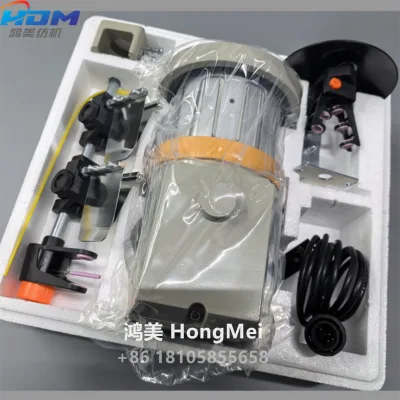
Weaving Textile Rapier Loom Machine Part Weft Feeder Accumulator Electric Power Box
$100.00 - $150.00
MOQ: 1 Pieces


Comprehensive Sourcing Guide
Strategic Sourcing Guide for Electronic Weft Feeder Rapier Looms
Understanding the Core Technology and Operational Scope
The Electronic Weft Feeder Rapier Loom represents a sophisticated intersection of mechanical weaving precision and automated control systems. In the context of modern textile manufacturing, these machines are designed to handle a diverse range of yarn types while maintaining high operational speeds. The core functionality relies on a rapier mechanism where weft insertion is managed by electronic feeders, allowing for precise tension control and reduced breakage rates. Buyers must recognize that the term "rapier loom" in current market listings often encompasses variations in control systems, ranging from non-computerized to fully computerized micro-computer functional auto-control units.
The operational parameters for these machines are defined by specific technical constraints. The voltage requirements vary significantly across different models, with observed specifications including 220V, 380V, and 415V configurations. This variance necessitates a thorough audit of the facility's power infrastructure before procurement. The weaving speed is a critical metric, with standard observations indicating speeds around 230rpm for certain high-performance units, while other models may operate at 120rpm depending on the complexity of the weave and the yarn density. The working width is another pivotal specification, typically ranging from 180cm to 280cm, though some broader configurations may extend up to 600cm. Understanding these baseline metrics is essential for aligning machine capabilities with production targets.
Technical Specifications and Yarn Compatibility
The versatility of the Electronic Weft Feeder Rapier Loom is largely determined by its compatibility with various yarn types and counts. The machinery is engineered to process both spun yarns and filament yarns, offering a broad spectrum of production possibilities. For spun yarns, the acceptable range spans from 500tex down to 5tex, accommodating a wide array of fiber weights. Filament yarns are similarly supported, with a working range from 10dtex to 1650dtex. This flexibility allows manufacturers to switch between different fabric types without requiring significant hardware modifications.
The yarn count specification further refines the machine's utility, with observed ranges typically falling between 12s and 32s. This range is suitable for producing fabrics that require a balance between durability and texture. The shedding motion is a critical component of the weaving process, often utilizing 12 to 18 heald frames driven by an electronic dobby system. This electronic control ensures precise lift patterns, which are essential for complex weave structures. The beating-up motion is typically executed via a crank shaft mechanism, ensuring consistent beat-up force for tight fabric formation.
Furthermore, the loom's drive system plays a vital role in its performance. Many units utilize a V-belt direct mechanical drive, which provides a robust and reliable method of power transmission. The motor specifications for these units can vary, with power ratings observed between 2.2kw and 7.5kw, depending on the machine's size and intended throughput. The weight of the machine is substantial, typically ranging from 3.0 to 5.0 tons, which impacts installation requirements and floor loading capacity. The let-off system is often electronic, providing automated tension control that is crucial for maintaining fabric quality during high-speed operation.
Compliance, Certification, and Regulatory Standards
Navigating the compliance landscape is a non-negotiable aspect of sourcing industrial weaving equipment. The market data indicates that reputable suppliers typically provide certifications such as CE and ISO9001. These certifications are not merely marketing points but are indicative of adherence to specific safety and quality management standards. The CE marking suggests conformity with health, safety, and environmental protection standards for products sold within the European Economic Area, while ISO9001 certification confirms that the manufacturer operates a quality management system that meets international standards.
It is important to distinguish between different certification scopes. Some listings specify "Computerized: Computerized" alongside the certification, implying that the electronic control systems have been validated under these standards. Others may list "Computerized: Non-Computerized," which could refer to the specific configuration of the model being offered. Buyers must verify the exact scope of the certification for the specific model they intend to purchase. Additionally, the production standards observed in the market include ranges such as 2-2.5 meters for certain specifications and 190-600cm for others, which likely refer to working widths or standard fabric outputs.
The origin of the machinery is also a factor in compliance. Most observed listings indicate production in China, with specific regions like Shandong and Jiangxi being prominent manufacturing hubs. While the origin itself does not dictate compliance, it is essential to ensure that the supplier from these regions provides the necessary documentation to prove that the equipment meets the regulatory requirements of the buyer's destination country. The packing standards, often described as "Standard Export Packing" or "Wooden Package," are designed to protect the machinery during transit, but buyers should verify that the packing materials and methods comply with international shipping regulations.
Cost Drivers and Economic Considerations
The pricing structure for electronic weft feeder rapier looms is influenced by a complex array of factors, including the level of automation, the precision of the control systems, and the specific technical specifications. The observed price range in the market is vast, spanning from 1 USD to 135,000 USD. This extreme variance suggests that the market includes everything from basic components or older models to fully integrated, high-precision production lines. Buyers should be cautious when interpreting low-end prices, as they may not reflect the full cost of a functional, certified, and supported machine.
The minimum order quantity (MOQ) is another economic factor to consider. The observed MOQ range is between 1 and 10 units. A lower MOQ may be beneficial for small-scale operations or pilot projects, allowing for flexibility in procurement. However, higher MOQs often correlate with better unit pricing and more favorable terms regarding after-sales service and spare parts availability. The warranty period is a standard offering, typically covering one year, which serves as a baseline for risk mitigation. Buyers should evaluate whether the warranty covers the entire machine or specific critical components like the electronic weft feeder system.
Other cost drivers include the complexity of the installation and the need for on-site services. Some suppliers offer on-site installation as part of their after-sales service package, which can significantly reduce the total cost of ownership by minimizing downtime and ensuring proper setup. The power requirements, ranging from 2.2kw to 7.5kw, also impact operational costs, as higher power consumption will increase electricity expenses over the life of the machine. Additionally, the weight of the machine, ranging from 3.0 to 5.0 tons, necessitates specialized logistics and potentially reinforced flooring, adding to the initial capital expenditure.
Typical Applications and Production Capabilities
Electronic weft feeder rapier looms are versatile machines capable of producing a wide variety of textile products. Their ability to handle different yarn types and counts makes them suitable for applications ranging from lightweight apparel fabrics to heavy-duty industrial textiles. The working width capabilities, typically between 180cm and 280cm, allow for the production of standard fabric widths used in the garment industry. However, the ability to extend these widths up to 600cm in some models opens opportunities for producing wide fabrics used in home textiles, upholstery, and technical textiles.
The precision of the machine is a key determinant of its application. While some models are classified as having "Normal Precision," others offer "High Precision," making them ideal for producing fine, high-quality fabrics where tight tolerances are required. The electronic dobby system and the CNC control servo motor cam looping allow for the creation of complex patterns and designs, expanding the range of products that can be manufactured. The weft selection system, which can be mechanical or electric and support single, double, or four-nozzle configurations, further enhances the machine's adaptability to different weaving techniques.
The specific model numbers, such as JT738, JT798-T, and JLH9200M, often correspond to specific configurations tailored for particular market segments. For instance, a model with a 230rpm speed and a micro-computer functional auto-control system is likely optimized for high-volume production of standard fabrics. In contrast, a model with a 120rpm speed and a focus on high precision might be better suited for specialty fabrics or low-volume, high-value production runs. Understanding these distinctions helps buyers align their procurement with their specific production goals.
Supplier Evaluation and Quality Assurance Protocols
Evaluating suppliers for electronic weft feeder rapier looms requires a rigorous approach that goes beyond simple price comparisons. Buyers should prioritize suppliers who can provide clear documentation regarding certifications, specifically CE and ISO9001, and verify that these certifications apply to the specific model being purchased. The presence of a "Computerized" designation in the certification details is a strong indicator of the machine's advanced control capabilities. Additionally, the supplier's location, whether in Shandong, Jiangxi, or other regions in China, should be considered in the context of their logistical capabilities and reputation.
Quality assurance protocols should be a central part of the supplier evaluation process. Buyers should request detailed specifications on the machine's components, such as the motor, electronic circuit, and beating-up motion. The use of standard modularization in the electric circuit is a positive sign, suggesting ease of maintenance and repair. The condition of the machine, typically listed as "New," should be verified through factory audits or third-party inspections to ensure that the equipment has not been refurbished or modified in ways that could compromise its performance.
The after-sales service is another critical factor. Suppliers that offer on-site installation and comprehensive support can significantly reduce the risks associated with machine deployment. The warranty period, typically one year, should be clearly defined, including what components are covered and the response time for service requests. Buyers should also inquire about the availability of spare parts and the lead times for their delivery. The packing standards, such as "Export Standard" or "Wooden Package," should be verified to ensure that the machine will arrive in good condition, minimizing the risk of damage during transit.
Long-Term Procurement and Operational Sustainability
Sourcing an Electronic Weft Feeder Rapier Loom is a long-term investment that requires careful consideration of future operational needs. The customization options available, such as the ability to tailor the machine to specific yarn counts or weaving speeds, can extend the machine's lifespan and adaptability. The "Customized" attribute indicates that the machine can be modified to meet unique production requirements, which is a valuable feature for manufacturers with specialized needs.
Sustainability and energy efficiency are becoming increasingly important in textile manufacturing. The power ratings of the machines, ranging from 2.2kw to 7.5kw, suggest that energy consumption is a significant factor in the total cost of ownership. Buyers should evaluate the energy efficiency of the machine, particularly the motor and drive systems, to ensure that they align with modern sustainability goals. The electronic control systems, including the micro-computer functional auto-control and the CNC control servo motor, offer opportunities for optimizing energy usage through precise control of the weaving process.
Finally, the overall dimension of the machine, typically 450x250x260cm, must be considered in the context of the factory layout. Proper planning of the installation space is essential to ensure that the machine can be operated safely and efficiently. The weight of the machine, ranging from 3.0 to 5.0 tons, also necessitates a robust foundation and potentially specialized lifting equipment. By addressing these long-term considerations during the procurement process, buyers can ensure that their investment in electronic weft feeder rapier looms delivers sustained value and operational excellence.
FAQs
What certifications do electronic weft feeder rapier looms typically have?
These looms typically carry CE and ISO9001 certifications. Some models specify computerized systems under these standards, while others may list non-computerized configurations, so verify the exact scope for the specific unit.
Can these looms handle different yarn types and counts?
Yes, they process spun yarns from 500tex to 5tex and filament yarns from 10dtex to 1650dtex. The yarn count range usually spans 12s to 32s, allowing flexibility for various fabric textures.
What is the standard voltage requirement for these machines?
Voltage requirements vary by model, with observed specifications including 220V, 380V, and 415V. Buyers must audit their facility power infrastructure to ensure compatibility before procurement.
How is the weaving speed determined for these looms?
Weaving speeds range from 120rpm to 230rpm depending on the model and weave complexity. High-performance units often reach 230rpm, while others operate at lower speeds for specific fabric densities.
What is the warranty period for new electronic weft feeder rapier looms?
The standard warranty period is one year. This coverage serves as a baseline for risk mitigation, though terms may vary regarding specific components like the electronic weft feeder system.
Which working widths are available for these looms?
Working widths typically range from 180cm to 280cm, with some models extending up to 600cm. This variation supports both standard garment fabrics and wider home textile or technical applications.