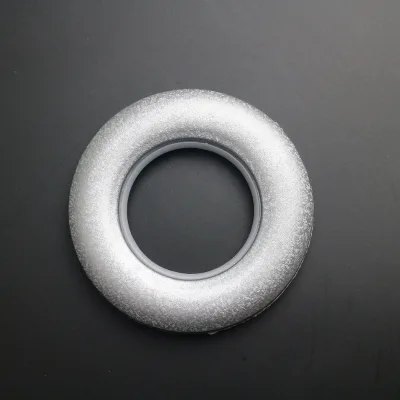
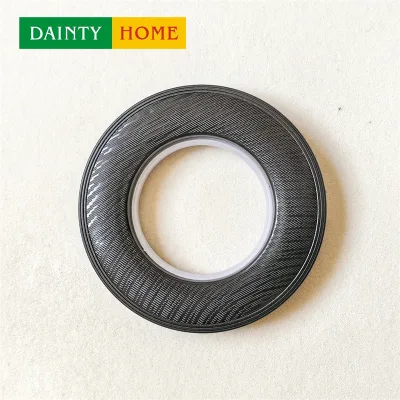
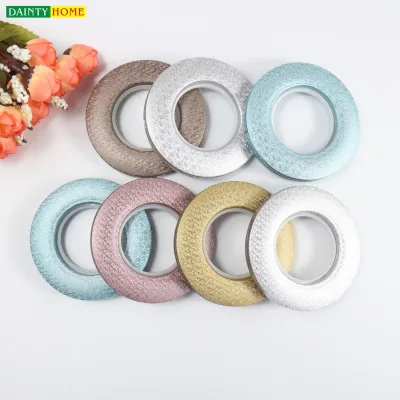
Source Electroplated Eyelet Curtain Rings for curtains, handbags, and clothes
Explore 30 listings for Electroplated Eyelet Curtain Rings suitable for curtains, handbags, and clothes. Buyers can compare specifications, materials, and pricing from verified suppliers to find the right fit for their projects.
Key considerations
Products List


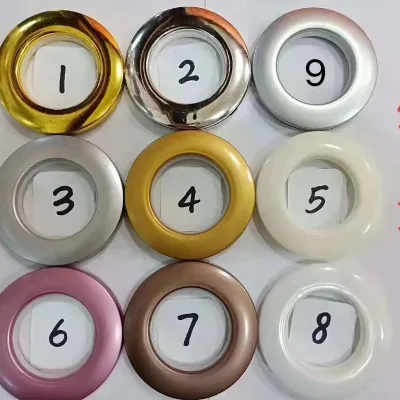
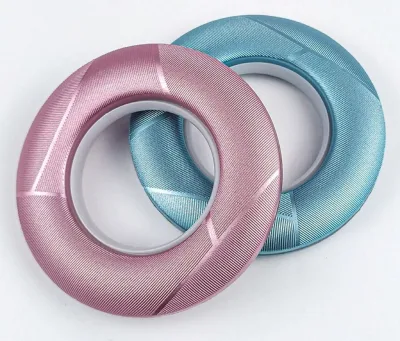
Hot Selling Design Eyelet Curtain Rings Fancy Metal Curtain Eyelet Ring
$0.04 - $0.05
MOQ: 10000 Pieces


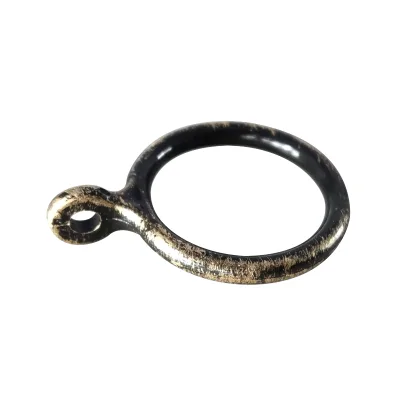
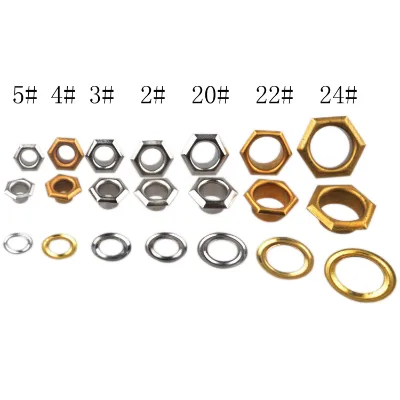


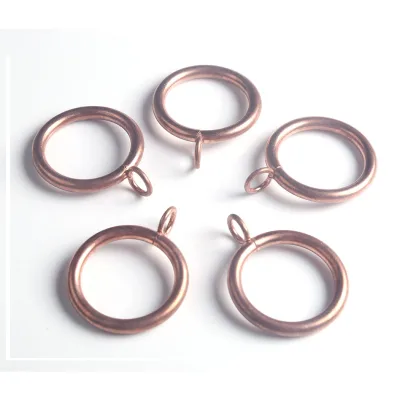


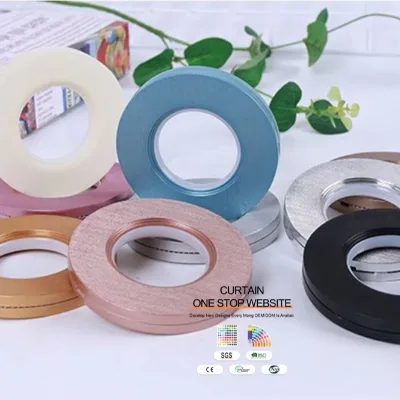


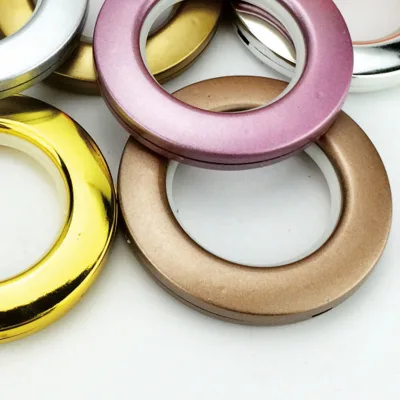
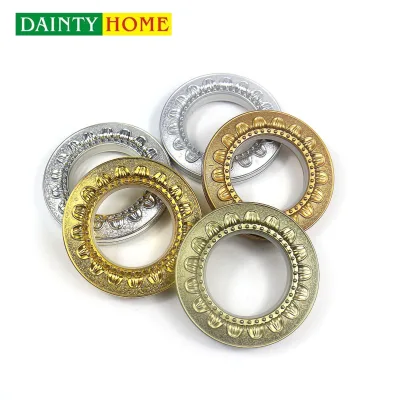
Eyelet Curtain Tape with Ring High Quality Eyelet Curtain Tape for Curtain Accessories
$0.01 - $0.30
MOQ: 10000 Meters
Comprehensive Sourcing Guide
Strategic Sourcing Guide for Electroplated Eyelet Curtain Rings
The global market for window treatment hardware has seen a steady evolution toward durable, aesthetically pleasing, and cost-effective solutions. Among the most critical components in this sector are Electroplated Eyelet Curtain Rings. These hardware pieces serve as the functional interface between the curtain fabric and the track or pole, facilitating smooth movement while adding a decorative finish. For procurement professionals, sourcing these items requires a nuanced understanding of material science, manufacturing capabilities, and supply chain logistics. This guide provides a comprehensive framework for evaluating suppliers and selecting products that meet rigorous commercial and technical standards.
Material Composition and Electroplating Standards
The foundation of a high-quality eyelet curtain ring lies in its base material and the subsequent electroplating process. While the core keyword specifies "electroplated," the underlying substrate can vary significantly between metal and plastic composites, each offering distinct performance characteristics. In the current market, metal-based rings are prevalent for their structural integrity and premium finish. These are often manufactured from steel or zinc alloys, which provide the necessary tensile strength to support heavy drapery without deformation. The electroplating process, typically involving nickel or chrome layers, is applied to these metal substrates to enhance corrosion resistance and provide a lustrous, reflective surface that complements modern interior designs.
Conversely, plastic-based alternatives exist, often utilizing high-density polymers. These materials are valued for their lightweight nature and resistance to rust, making them suitable for humid environments like bathrooms or coastal regions. However, the "electroplated" descriptor in the context of plastic usually refers to a surface treatment that mimics a metallic finish rather than a true electrochemical deposition on a conductive metal core. Buyers must verify the specific material composition of the product listing. For instance, some product specifications explicitly list "Metal" as the material, while others may list "Plastic." The choice between these materials dictates the application scope; metal rings are generally preferred for heavy-duty commercial installations, whereas plastic variants are often selected for residential use where weight is a primary concern.
The electroplating quality itself is a critical differentiator. A superior plating layer ensures that the ring does not tarnish, peel, or corrode over time. Buyers should inquire about the thickness of the plating and the specific alloy used in the base metal. The "Technic" attribute often cited in supplier data, such as "Plating," indicates the manufacturing method, but it does not guarantee the quality of the finish without further testing. The visual appearance, often described as "Modern" or "Morden" in product descriptions, is a result of this process. A consistent, uniform finish is essential for maintaining the aesthetic integrity of the curtain system, especially when multiple rings are installed in a row.
Technical Specifications and Dimensional Precision
Precision in manufacturing is paramount for the seamless operation of curtain systems. The dimensional accuracy of eyelet rings directly impacts the friction between the ring and the curtain track. Standard specifications for these components often include precise measurements for diameter, width, and thickness. For example, specific product models in the market are defined by dimensions such as 9.546 mm, indicating a compact design suitable for lighter fabrics or specific track profiles. Other models may feature larger dimensions, such as a single package size of 5X7X7 cm, which suggests a bulkier component designed for heavier loads or larger diameter poles.
The shape of the ring is another critical technical parameter. Most electroplated eyelet rings are designed with a "Round" shape to ensure smooth rotation and minimal resistance. However, variations exist, and some products may be categorized under specific model numbers like "EY003 eyelet curtain rings" or "SMT-03," which denote unique design features or compatibility with specific track systems. The "Part" count is also a vital specification; some eyelet systems are sold as a single piece, while others, particularly those requiring assembly, may consist of "2 Parts." Understanding the part count is essential for inventory management and installation logistics.
Furthermore, the "Single package size" and "Package size per batch" provide insight into the physical footprint of the product, which influences shipping costs and warehouse storage requirements. For instance, a batch package size of 16X15X8 cm with a gross weight of 1.5 kg suggests a specific packing density that buyers must account for when calculating freight expenses. The "Length" of the curtain pole or track associated with the rings, often cited as 1.3m in some contexts, helps in determining the total number of rings required for a specific installation. Buyers should cross-reference these dimensions with their existing track systems to ensure compatibility, as mismatched sizes can lead to installation failures or operational issues.
Compliance, Certification, and Quality Assurance
In the B2B procurement landscape, compliance and certification serve as the primary indicators of a supplier's reliability and adherence to international standards. One of the most significant certifications observed in the market for curtain accessories is ISO9001. This standard certifies that the manufacturer has implemented a quality management system that ensures consistent product quality and continuous improvement. When sourcing electroplated eyelet rings, verifying that the supplier holds an ISO9001 certification is a prudent step to mitigate the risk of receiving substandard goods.
Beyond general quality management, specific product attributes such as "100% QC Testing" indicate a rigorous internal inspection process. This attribute suggests that every unit produced undergoes a check for defects, ensuring that only products meeting the specified criteria are shipped. This level of scrutiny is crucial for maintaining brand reputation, especially in commercial projects where product failure can lead to significant costs and customer dissatisfaction. Additionally, the "Feature" attribute often highlights "Eco-friendly" characteristics, which are increasingly important for buyers aiming to meet sustainability goals. While the term "Eco-friendly" is broad, it implies that the manufacturing process or materials used may have a reduced environmental impact, though specific details should be verified with the supplier.
The "Certification" field in product data is a critical area for verification. Buyers should not assume that all listed products are certified; rather, they must confirm the validity of the certification for the specific batch being ordered. The presence of certifications like ISO9001 should be accompanied by valid documentation that can be audited. Furthermore, the "Type" attribute, which may list "100% QC Testing," reinforces the commitment to quality but should be treated as a claim that requires validation through third-party testing or on-site audits if the order volume is substantial.
Cost Drivers and Pricing Structures
The pricing of Electroplated Eyelet Curtain Rings is influenced by a complex interplay of factors, including material costs, manufacturing complexity, and order volume. The observed price range in the market spans from $0.01 to $2.26 per unit, reflecting the diversity of product types and quality levels available. Lower-priced items are typically associated with plastic materials or simpler manufacturing processes, while higher-priced units often involve metal substrates with high-quality electroplating and stricter quality control measures.
Order volume plays a decisive role in determining the final unit price. The Minimum Order Quantity (MOQ) is a significant cost driver, with observed ranges extending from 1 unit to 10,000 units. Some suppliers may offer a base MOQ of 10,000 sets, but with a stipulation that if stainless steel is required, the MOQ must increase to 50,000 sets. This tiered pricing structure encourages larger orders, which can significantly reduce the per-unit cost. Buyers should carefully evaluate their inventory needs against these MOQ thresholds to optimize cash flow and storage costs.
Customization is another factor that impacts pricing. The availability of "Customization" and "Customized Designs" allows buyers to tailor the product to their specific branding or functional requirements. However, these customizations often incur additional tooling costs and higher unit prices. The "Brand Name" associated with the product, such as "SMT" or "gola," can also influence pricing, as established brands may command a premium due to their reputation for quality and reliability. Buyers must balance the cost of customization against the potential benefits of brand differentiation and product uniqueness.
Supplier Evaluation and Logistics Considerations
Selecting the right supplier involves a thorough evaluation of their capabilities, location, and logistical efficiency. The "Place of Origin" is a key indicator of the supply chain's geographic context. In the current market, products are sourced from regions such as Zhejiang and Guangdong in China, both of which are major manufacturing hubs for hardware and textile accessories. Suppliers located in these regions often benefit from established supply chains and economies of scale, which can translate to competitive pricing and faster production times.
The "Port of dispatch" is another critical logistical factor. Ningbo is a frequently cited port of dispatch for these products, indicating a well-connected shipping infrastructure that facilitates international trade. Buyers should verify the port of origin to ensure it aligns with their preferred shipping routes and to anticipate potential transit times. The "Lead time" for production is equally important, with typical ranges observed between 10-15 days for standard orders. For sample orders, a "7 days sample order lead time" is often supported, allowing buyers to evaluate product quality before committing to a larger purchase.
The "Supply Ability" of the supplier, often cited as 100,000,000 packs per month, indicates the manufacturer's capacity to handle large-scale orders. This high capacity is essential for buyers with significant volume requirements, ensuring that supply disruptions are minimized. However, buyers should also consider the "Packing Details" and "Product Packing" specifications, such as "100PCS/Bag 20bagn/CTN" or "45yds/Box, 6boxex/CTN," to ensure that the packaging is suitable for their distribution needs and minimizes damage during transit.
Application Scenarios and Long-Term Procurement Strategy
Electroplated Eyelet Curtain Rings find applications across a wide range of sectors, from residential interiors to commercial spaces and even industrial settings. The "Application" attribute often lists "For clothes, handbag etc," suggesting the versatility of the eyelet technology beyond just curtains. However, in the context of window treatments, these rings are specifically designed for "Curtain Accessories" and are compatible with various "Curtain poles, tracks & accessories types." The "Style" of the rings, often described as "Morden" or "Modern," makes them suitable for contemporary interior designs that favor clean lines and sleek finishes.
For long-term procurement, buyers should focus on building relationships with suppliers who demonstrate reliability and consistency. The "Advantage" of "Long Service Time" is a key selling point, indicating that the product is designed to withstand frequent use without degradation. This longevity is crucial for commercial applications where curtains are opened and closed multiple times a day. Additionally, the "Installation" attribute, described as "FAST," highlights the ease of use, which reduces labor costs during the installation phase.
Buyers should also consider the "Sample" availability as a strategic tool. The ability to obtain samples allows for real-world testing of the product's durability, finish, and compatibility with existing systems. This practice helps in making informed decisions and reduces the risk of large-scale procurement errors. By integrating these considerations into their procurement strategy, buyers can ensure a steady supply of high-quality Electroplated Eyelet Curtain Rings that meet both functional and aesthetic requirements.
Comparative Analysis of Product Attributes
To facilitate decision-making, the following table summarizes key attributes observed in the market for Electroplated Eyelet Curtain Rings, highlighting the variations that buyers should consider.
| Attribute Category | Observation A | Observation B | Observation C |
|---|---|---|---|
| Material | Metal | Plastic | Metal (Stainless Steel option) |
| Certification | ISO9001 | 100% QC Testing | Eco-friendly Feature |
| MOQ | 10,000 sets | 1 unit (Sample) | 50,000 sets (Stainless Steel) |
| Lead Time | 10-15 Days | 7 Days (Sample) | Standard Production |
| Packaging | 100PCS/Bag, 20/CTN | 45yds/Box, 6/CTN | Box |
| Origin | Zhejiang, China | Guangdong, China | Ningbo Port |
| Design | Modern/Morden | Customized Designs | Round Shape |
| Application | Curtain Accessories | Clothes, Handbag | General Hardware |
This comparison underscores the diversity of options available to buyers. While some products prioritize high-volume production and standard specifications, others offer customization and specialized materials. Understanding these differences is essential for aligning procurement decisions with specific project requirements. By carefully evaluating these attributes, buyers can navigate the complex landscape of Electroplated Eyelet Curtain Rings and secure a supply chain that delivers value, quality, and reliability.
FAQs
What materials are used for Electroplated Eyelet Curtain Rings?
These rings are primarily manufactured from metal or plastic substrates. Metal variants offer structural integrity for heavy drapery, while plastic options provide rust resistance for humid environments, with some plastic items featuring a metallic finish mimic.
Which certifications should I verify for curtain ring manufacturers?
Look for ISO9001 certification as a primary indicator of quality management systems. Additionally, verify claims of 100% QC testing to ensure every unit undergoes defect inspection before shipment to maintain consistent product quality.
How does the minimum order quantity affect pricing for these rings?
The minimum order quantity typically ranges from 1 to 10,000 sets, with higher volumes reducing unit costs. Some suppliers require a minimum of 50,000 sets if stainless steel material is specifically requested for the order.
Can suppliers provide samples before placing a bulk order?
Yes, sample orders are supported with a typical lead time of 7 days. This allows buyers to evaluate product quality and finish before committing to larger production runs that may take 10 to 15 days to complete.
What are the standard packaging details for bulk shipments?
Products are commonly packed in bags of 100 pieces with 20 bags per carton. Alternative packaging includes 45 yards per box with 6 boxes per carton, ensuring safe transport and organized storage for the buyer.
Where are the primary manufacturing locations for these accessories?
Manufacturing is concentrated in Zhejiang and Guangdong provinces in China. These regions serve as major hubs for hardware and textile accessories, offering established supply chains and competitive pricing for international buyers.