Source Electroplated Forklift Oil Pan for Heavy Machinery
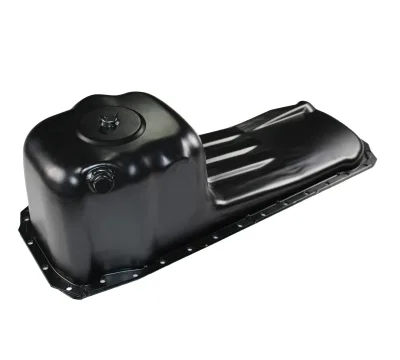
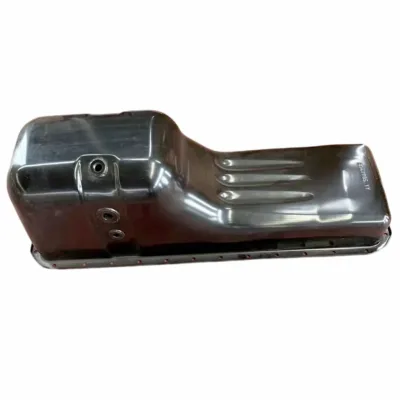
Find 30 Electroplated Forklift Oil Pan options compatible with CPC32 and other industrial vehicles. Compare specifications, materials like carbon steel and stainless steel, and packaging details to identify the right fit for your machinery repair needs; compare the available evidence and request quotations based on your requirements.
Key considerations
Products List


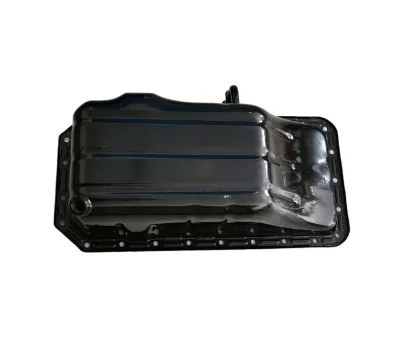


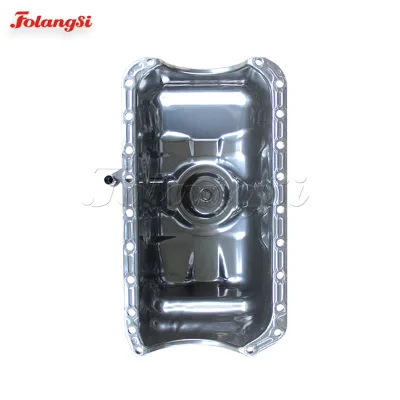
Folangsi Forklift Parts Oil Pan Used for HL 4JG2/3T with OEM Z-8-97255-119-0
$9.31 - $33.11
MOQ: 1 Minimum


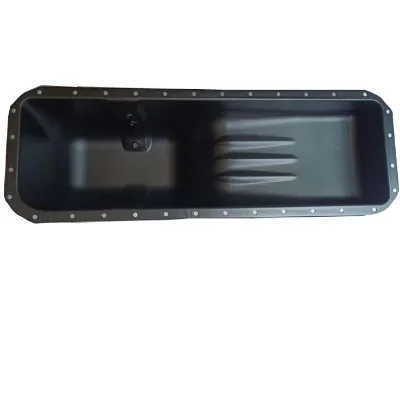

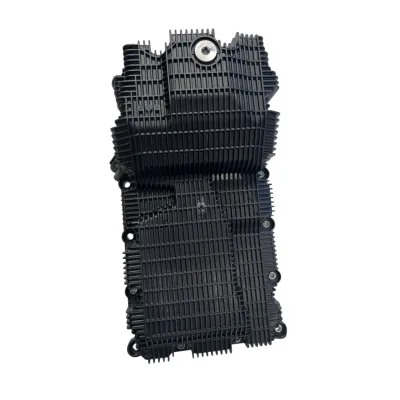
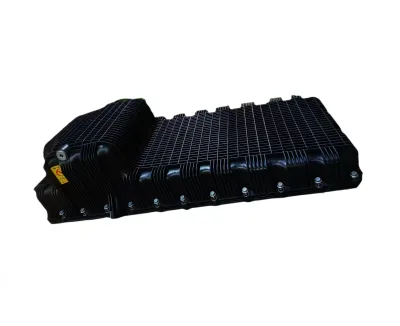
Truck Engine Oil Pan with Anti Impact for Lubricating Oil Storage Protection
$1.00 - $4999.00
MOQ: 10 Pieces
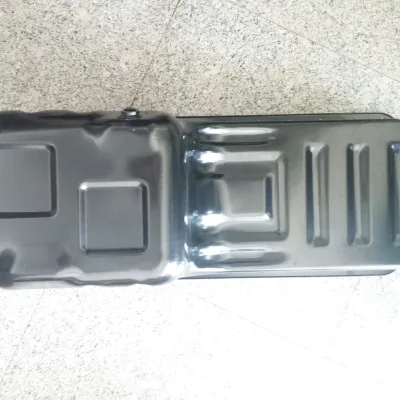


Comprehensive Sourcing Guide
Electroplated Forklift Oil Pan Sourcing Guide
Procuring an Electroplated Forklift Oil Pan requires distinguishing between standard carbon steel units and specialized stainless steel variants to ensure compatibility with specific engine architectures. The market data indicates that while many listings feature carbon steel construction with baking paint finishes, a subset of products utilizes stainless steel with polishing processes to meet higher corrosion resistance demands. Buyers must carefully cross-reference the vehicle model, such as the 490/4D27 or 4jb1 series, against the specific part number to avoid mismatches in mounting geometry or capacity.
Commercial listings often present a wide variance in weight specifications, ranging from 0.65 kg to 4.6 kg, which directly correlates to the material density and structural reinforcement required for the intended forklift application. It is critical to verify whether the listed weight represents the net product mass or includes packaging, as some entries specify non-fumigation wooden boxes while others use standard carton packaging. This distinction impacts logistics planning and total landed cost, necessitating a clear definition of the unit's physical attributes before finalizing any purchase order.
Product Scope and Observed Listing Signals
The available product scope encompasses engine oil pans designed for diverse industrial machinery, including specific forklift models like the CPC32 and various truck engine types. Listings frequently highlight the condition as new and specify the number of units per vehicle as one, ensuring that the procurement aligns with single-unit replacement needs rather than bulk assembly kits. Buyers should note that while some items are marked as non-customized, others explicitly support customization, requiring a clear definition of whether standard or tailored dimensions are necessary for the specific fleet maintenance schedule.
Observation of listing signals reveals that surface treatments vary significantly, with options including baking paint, polishing, and zinc coating, each offering different levels of protection against oil leaks and environmental degradation. The presence of specific OEM numbers, such as 5-11360-072-2, serves as a primary verification tool for compatibility, yet buyers must remain vigilant as some entries list multiple model numbers for a single part, potentially indicating cross-compatibility across different engine families. Understanding these signals helps in filtering out irrelevant inventory and focusing on parts that match the exact technical requirements of the machinery.
Technical Specifications to Verify
Technical verification must begin with the raw material composition, as the choice between carbon steel and stainless steel dictates the pan's durability and resistance to chemical corrosion in harsh operating environments. The production process, often involving bending, braze, and stamping techniques, influences the structural integrity of the pan, particularly when dealing with seamless tubes and steel sheet plates. Buyers should request detailed manufacturing process documentation to confirm that the electroplating or coating application, such as zinc or baking paint, meets the necessary thickness standards for long-term performance.
Dimensional accuracy and weight specifications are equally critical, as discrepancies in the standard component weight can indicate variations in material gauge or design modifications. The listed weights, which range from 0.65 kg to 4.6 kg, must be matched against the original equipment manufacturer's specifications to ensure proper fitment and load distribution within the engine bay. Additionally, verifying the model number against the vehicle model, such as the 498 or 4D94/98e, ensures that the oil pan's capacity and mounting points align perfectly with the engine's requirements, preventing potential installation failures.
Compliance and Safety Documentation
Compliance documentation for industrial oil pans often includes certifications that validate the manufacturing process and material safety, though specific certification statuses like CE or ISO9001:2015 should be treated as background information rather than guaranteed attributes for every listing. Buyers must explicitly request current certification documents from the supplier to confirm that the electroplating process adheres to environmental and safety regulations, particularly regarding the use of zinc and other coatings. Without verified documentation, there is a risk of procuring components that may not meet local regulatory standards for industrial machinery safety.
Safety considerations extend to the structural integrity of the pan under rated loading capacities, which can vary significantly across different forklift models. While some listings mention a rated loading capacity of 3.5 tons, this figure typically applies to the forklift itself rather than the oil pan, requiring careful interpretation to avoid confusion. Procurement teams should ensure that the product documentation clearly distinguishes between the vehicle's operational limits and the component's specific stress tolerances, ensuring that the oil pan can withstand the thermal and mechanical stresses of continuous operation without failure.
Cost Drivers and Commercial Terms
Cost drivers for electroplated oil pans are heavily influenced by the raw material selection, with stainless steel variants generally commanding higher prices than carbon steel options due to superior corrosion resistance and processing complexity. The surface treatment method, whether it involves baking paint, polishing, or zinc coating, also adds to the final cost, as more intensive finishing processes require additional labor and energy. Buyers should analyze the total cost of ownership, considering that a higher initial investment in a premium material may result in reduced maintenance costs and longer service life over time.
Commercial terms such as minimum order quantities (MOQ) and packaging specifications play a significant role in the overall procurement strategy, with observed ranges spanning from single items to 1000 units. Packaging options, including non-fumigation wooden boxes and carton boxes, affect shipping costs and handling requirements, particularly for international transactions where fumigation standards may apply. It is essential to negotiate clear terms regarding the selling units and warranty availability, as some listings indicate that warranties are unavailable, shifting the risk of product failure entirely to the buyer.
Supplier Qualification and Quality Control
Supplier qualification should focus on the manufacturer's ability to produce non-standard components with precision, as many listings indicate that these oil pans are not standard components but rather tailored solutions for specific engine models. The production techniques, such as pressing and stamping, must be executed with high precision to ensure that the final product meets the strict dimensional tolerances required for a leak-free seal. Buyers should assess the supplier's quality control protocols, specifically their ability to maintain consistency in material thickness and coating adhesion across large production runs.
Quality control measures must also address the condition of the product upon delivery, ensuring that items arrive in new condition without defects in the electroplating or structural integrity. The absence of warranty on some listings suggests that buyers must implement rigorous incoming inspection procedures to verify that the parts meet the specified standards before installation. Establishing a clear communication channel with the supplier for addressing any discrepancies in the product specifications or condition is vital for maintaining the reliability of the forklift fleet and minimizing downtime.
Long-Term Procurement Checks
Long-term procurement checks should include periodic audits of the supplier's ability to maintain consistent quality and supply chain stability, especially given the variability in product specifications observed in the market. Buyers should track the performance of the oil pans in the field, monitoring for any signs of premature failure, corrosion, or leakage that might indicate a deviation from the initial quality standards. Establishing a feedback loop with the maintenance team can provide valuable data on the durability of different material and coating combinations, informing future purchasing decisions.
It is also crucial to monitor changes in the supplier's production capabilities and material sourcing, as shifts in raw material availability or manufacturing processes can impact the final product quality. Regularly reviewing the technical specifications and compliance documentation ensures that the procured parts continue to meet the evolving safety and performance standards of the industry. By maintaining a proactive approach to supplier management and quality assurance, organizations can secure a reliable supply of high-performance oil pans that support the efficient operation of their forklift fleets.
FAQs
What materials are used for electroplated forklift oil pans?
Electroplated forklift oil pans are typically manufactured from carbon steel or stainless steel. The surface treatment often involves baking paint or zinc coating to enhance corrosion resistance. These materials ensure durability under heavy machinery conditions while providing a protective layer against engine oil and environmental factors.
Can I customize the specifications for my forklift model?
Yes, customization is available for specific forklift models such as CPC32. Suppliers support tailored production processes including bending, braze, and stamping. You can request specific model numbers like 490b-07100 or 8-97223955-D to ensure precise fitment for your engine type, such as 4D27 or 4jb1.
What is the standard packaging for these oil pans?
Standard packaging includes non-fumigation wooden boxes or carton boxes. Some suppliers use carton boxes combined with non-fumigation pallets for secure transport. This packaging protects the oil pan during shipping and ensures it arrives in new condition without damage, suitable for direct installation into machinery repair shops.
Which forklift models are compatible with these oil pans?
These oil pans are compatible with various engine models including 490, 4D27, 4jb1, 4D94, 98e, 498, and 493. Specific part numbers like 1011010-X2 or FDJ0002062 correspond to different vehicle applications. Always verify the model number against your forklift's engine specifications to ensure proper fitment.
What is the typical weight of an electroplated oil pan?
The weight varies by model, ranging from 0.65kg to 4.6kg. For instance, the model for engine 498 weighs 0.65kg, while the 4jb1 variant weighs 4.6kg. The standard product weight is often listed around 2.75kg. This weight range reflects the material thickness and design specifications for different forklift capacities.
Are these oil pans new condition parts?
Yes, the supplied oil pans are in new condition. They are manufactured using fresh raw materials like seamless tubes and steel sheet plates. The parts are designed for immediate installation in machinery repair shops, ensuring optimal performance and reliability without the need for refurbishment or additional processing by the buyer.