Source Electroplated Gold Thickened Chair Feet for Sofa, Table, Bed
Compare 30 listings for Electroplated Gold Thickened Chair Feet from verified manufacturers. These metal legs feature chrome or gold finishes, support sofas, tables, and beds, and offer customizable options with delivery within 30 days.
Key considerations
Products List


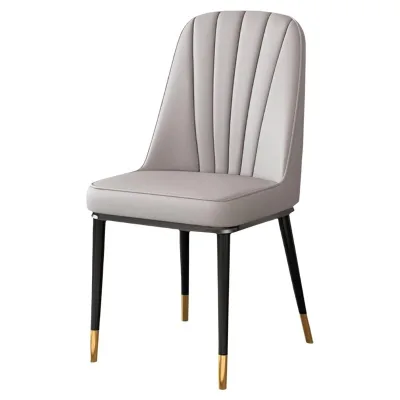
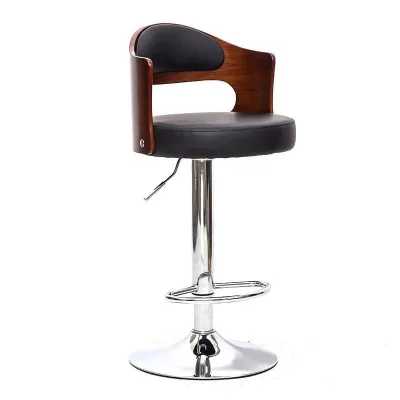


Comprehensive Sourcing Guide
Strategic Sourcing Guide for Electroplated Gold Thickened Chair Feet
Understanding the Product Category and Technical Specifications
When sourcing Electroplated Gold Thickened Chair Feet, buyers must first establish a clear understanding of the product's fundamental technical attributes. The core product category falls under furniture hardware, specifically designed as legs for sofas, tables, cabinets, beds, and chairs. The primary material composition observed in this segment is metal, which provides the necessary structural integrity for heavy-duty applications. The defining characteristic of the "thickened" designation is the robustness of the metal stock, ensuring the feet can support significant weight without bending or failing under stress.
The finish is a critical differentiator in this category. The term "electroplated gold" refers to a specific surface treatment process where a layer of gold-colored metal is deposited onto the base metal substrate through an electrochemical reaction. This process, often categorized under electroplating, is distinct from simple painting or powder coating. The visual appearance can range from standard chrome plating to specific gold, rose gold, or black finishes, with many suppliers offering customized color options to match interior design schemes. The surface treatment is not merely aesthetic; it serves as a protective barrier against corrosion and wear, which is essential for furniture subjected to daily use in living rooms, offices, and dining areas.
Technical specifications vary significantly across the market, and buyers should expect a wide range of model numbers and dimensions. Common model identifiers found in this sector include codes such as WJ-GJ-003, TL3B023ST, TL3T022ST, and TL4B002AL. These alphanumeric codes often denote specific dimensions, load-bearing capacities, or design styles. The style of these legs can range from simplicity and modern minimalism to retro and sturdy designs. The "thickened" aspect implies a higher gauge of metal, which directly correlates to the product's durability and ability to withstand dynamic loads, such as the movement of a person sitting down or standing up from a chair.
Compliance, Certification, and Material Verification
In the realm of B2B procurement for furniture hardware, verifying compliance and material safety is paramount. While the supplied data indicates that some suppliers may reference standards such as ASTM B488 or certifications like ROHS, these should be treated as background information rather than guaranteed attributes for every listed product. Buyers must actively verify that the electroplating process used by their chosen supplier adheres to the environmental and safety regulations of their target market.
The electroplating process involves the use of chemicals and heavy metals. Therefore, it is essential to confirm that the supplier's facility operates under strict environmental controls to prevent the release of hazardous substances. The "ROHS" reference suggests a focus on restricting the use of specific hazardous materials, which is a common requirement for furniture exported to the European Union and other regulated markets. However, without explicit certification documentation from the supplier, buyers cannot assume compliance. The verification process should include requesting test reports from accredited third-party laboratories that specifically test for heavy metal content, lead, cadmium, and other restricted substances in the final electroplated product.
Furthermore, the origin of the product plays a role in compliance expectations. Many products in this category originate from manufacturing hubs in China, specifically regions like Zhejiang and Guangdong. While these regions are known for their robust manufacturing capabilities, the regulatory environment can vary. Buyers should ensure that the supplier's production standards align with the import regulations of their destination country. This includes verifying that the packaging materials, such as standard export cartons or bubble bags, do not contain prohibited substances and that the labeling on the packaging accurately reflects the product's origin and material composition.
Cost Drivers and Pricing Dynamics
The pricing of Electroplated Gold Thickened Chair Feet is influenced by several interconnected factors, primarily the cost of raw materials, the complexity of the electroplating process, and the scale of production. The base material is metal, and fluctuations in global metal prices will directly impact the final unit cost. Additionally, the "thickened" specification implies a higher volume of raw material per unit, which increases the base cost compared to thinner, standard legs.
The electroplating process itself is a significant cost driver. Achieving a high-quality, thick gold plating requires precise control over the electrochemical bath, the duration of the plating process, and the post-treatment cleaning and drying steps. Suppliers who offer "customized" colors, such as specific shades of gold, rose gold, or black, may charge a premium due to the additional setup costs and the need for specialized plating solutions. The "customized" nature of the product also suggests that buyers may incur costs for tooling or mold adjustments if they require unique dimensions or shapes not found in the standard catalog.
Volume is another critical determinant of price. The observed Minimum Order Quantity (MOQ) ranges from 1 to 5000 units, indicating a flexible market structure. However, unit costs typically decrease as order volume increases. Suppliers often offer tiered pricing, where larger orders benefit from economies of scale in material purchasing and production line efficiency. The "price competitive" feature mentioned in supplier descriptions suggests that many manufacturers are vying for market share, but buyers should be cautious of prices that seem too low, as they may indicate inferior plating thickness or substandard metal quality.
Typical Applications and Design Integration
Electroplated Gold Thickened Chair Feet are versatile components designed for a wide array of furniture applications. The primary use cases include sofas, tables, cabinets, beds, and chairs. The "thickened" design makes them particularly suitable for heavy-duty furniture pieces that require enhanced stability and load-bearing capacity. In residential settings, these legs are commonly used in living rooms for sofas and coffee tables, in dining rooms for dining chairs and tables, and in bedrooms for beds and dressers.
The aesthetic versatility of these legs allows them to integrate seamlessly into various interior design styles. The available finishes, including chrome, gold, rose gold, and black, enable designers to match the legs to the overall color palette of the furniture or the room. The "simplicity" and "modern" styles are popular for contemporary interiors, while "retro" and "sturdy" designs may be preferred for traditional or industrial-themed spaces. The ability to customize the color and finish means that these legs can be tailored to specific design requirements, making them a popular choice for custom furniture manufacturers and interior designers.
The application scope extends beyond residential use to include home offices, outdoor settings (where applicable), and commercial spaces. The "strong, durable, and easy to install" features highlight their practicality for DIY projects and professional assembly alike. The packaging, often in standard export cartons or bubble bags, ensures that the legs arrive in pristine condition, ready for installation. Buyers should consider the specific application when selecting the leg model, as different furniture types may require different load-bearing capacities or mounting configurations.
Supplier Evaluation and Selection Criteria
Selecting the right supplier for Electroplated Gold Thickened Chair Feet requires a rigorous evaluation process. Buyers should prioritize suppliers who demonstrate transparency in their manufacturing capabilities and quality control measures. Key indicators of a reliable supplier include the availability of customization options, a proven track record of delivering high-quality products, and a commitment to meeting delivery timelines. The "own factory" attribute suggests that some suppliers have direct control over the production process, which can lead to better quality control and more competitive pricing.
When evaluating suppliers, buyers should look for evidence of their production capacity and flexibility. The ability to handle customized orders, including specific colors and dimensions, is a significant advantage. Suppliers who offer OEM (Original Equipment Manufacturer) services can provide additional value by allowing buyers to brand the products with their own logos or packaging. The "strong, durable, easy to install" features should be verified through product samples and, if possible, through on-site audits of the manufacturing facility.
Lead time is another critical factor in supplier selection. The observed delivery time of "within 30 days" is a common benchmark, but buyers should confirm this with their specific supplier, as lead times can vary based on order volume and customization requirements. The "30 days" timeframe should be treated as a target rather than a guarantee, and buyers should build a buffer into their procurement schedule to account for potential delays.
Quality Control and Inspection Protocols
Implementing a robust quality control (QC) protocol is essential to ensure that the received Electroplated Gold Thickened Chair Feet meet the required standards. Buyers should establish clear acceptance criteria for the plating thickness, color consistency, and structural integrity of the legs. The "electroplating" process must be monitored to ensure that the gold layer is uniform and free from defects such as peeling, bubbling, or discoloration.
Visual inspection is the first line of defense in quality control. Buyers should check for any visible defects in the plating, such as scratches, dents, or uneven color distribution. The "chrome plated" and "gold" finishes should be consistent across all units in the order. Structural integrity can be verified through load testing, where a sample of the legs is subjected to the maximum expected load to ensure they do not bend or break.
In addition to visual and structural inspections, buyers should verify the packaging quality. The "strong carton" and "bubble bag" packaging options are designed to protect the legs during transit. However, buyers should ensure that the packaging is sufficient to prevent damage, especially for long-distance shipments. The "50PCS/CTN" packing standard is a common configuration, but buyers should confirm that the packaging is appropriate for their specific order size and shipping method.
Long-Term Procurement and Supply Chain Considerations
For buyers engaging in long-term procurement of Electroplated Gold Thickened Chair Feet, building a sustainable and resilient supply chain is crucial. This involves establishing a strategic partnership with a supplier who can consistently meet quality and delivery requirements over time. The "manufacturers supply spot wholesale" feature suggests that some suppliers have the capacity to handle both small and large orders, which can be beneficial for buyers with fluctuating demand.
Buyers should also consider the environmental impact of their procurement decisions. The electroplating process can have significant environmental implications, and buyers should prioritize suppliers who adhere to strict environmental standards and use eco-friendly practices. The "customized" nature of the product allows buyers to specify materials and finishes that align with their sustainability goals.
Finally, buyers should plan for the lifecycle of the product. The "thickened" design implies a longer lifespan, but buyers should still consider the potential for wear and tear over time. Establishing a relationship with a supplier who can provide replacement parts or custom orders in the future will ensure that the furniture remains in good condition for years to come. The "quality guaranteed" feature of many suppliers indicates a commitment to long-term satisfaction, but buyers should always verify this claim through their own quality control measures.
FAQs
What materials are used for Electroplated Gold Thickened Chair Feet?
The primary material used is metal, ensuring structural integrity for heavy-duty applications. These legs are designed to support significant weight without bending, making them suitable for sofas, tables, and cabinets.
Can buyers request customized colors for these furniture legs?
Yes, customization is available for colors including chrome, gold, rose gold, and black. Suppliers offer tailored options to match specific interior design schemes while maintaining the electroplated finish quality.
What is the typical delivery time for these metal furniture legs?
Delivery is typically completed within 30 days for standard orders. This lead time applies to the manufacturing and shipping process from origins in Zhejiang or Guangdong, China, depending on the specific supplier.
How are these chair feet packaged for international shipping?
Products are packed in strong export cartons, often with bubble bags for extra protection. Some configurations include 50 pieces per carton to ensure safe transit and prevent damage during long-distance shipping.
Which specifications are available for these sofa and table legs?
Available model specifications include codes like WJ-GJ-003, TL3B023ST, and TL4B002AL. These models vary in design style, ranging from simple modern looks to sturdy retro styles suitable for various furniture types.
What is the minimum order quantity for these metal legs?
The minimum order quantity ranges from 1 to 5000 units depending on the supplier. Buyers can find flexible options for small trials or large wholesale orders with competitive pricing structures.