Source Embossed 3D Logo Self-adhesive Labels for Gifts, Promotions, Decorations
Compare 30 listings for Embossed 3D Logo Self-adhesive Labels made from metal, aluminum, or vinyl. These custom options feature waterproof and durable designs suitable for gift crafts, promotion gifts, and home decorations with various finishing processes.
Key considerations
Products List
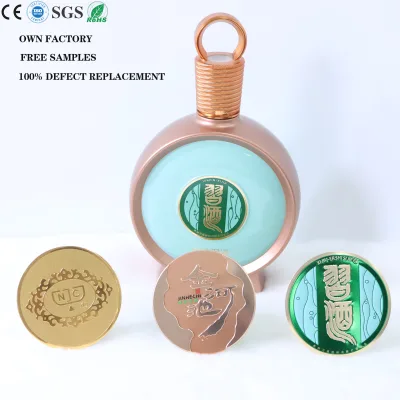


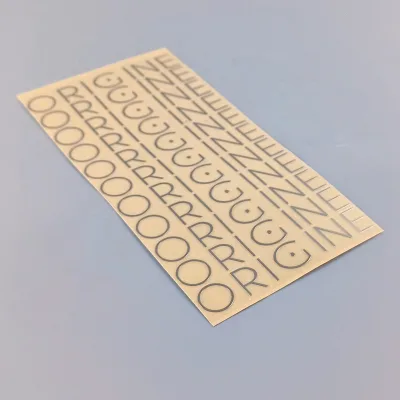
Embossed Aluminum 3D Letter Transfer Custom Label Gold Metal Logo Sticker
$0.10 - $10.00
MOQ: 200 Pieces




Comprehensive Sourcing Guide
Strategic Sourcing Guide for Embossed 3D Logo Self-Adhesive Labels
Understanding Product Definitions and Material Composition
The core keyword "Embossed 3D Logo Self-adhesive Labels" refers to a specialized category of industrial and decorative labeling solutions that combine three-dimensional visual depth with adhesive functionality. In the context of B2B procurement, these products are distinct from standard flat stickers due to their textured surfaces and structural complexity. The primary material composition for these items is diverse, ranging from metal-based substrates to various polymers. Specific observations indicate that the material palette includes metal, aluminum foil, aluminum, acrylic, epoxy, PVC, vinyl, and PET. This variety allows buyers to select substrates based on the intended environment, such as outdoor durability or indoor aesthetic appeal.
A critical attribute of these labels is the "embossed" or "3D" finish, which is often achieved through specific manufacturing processes. The production methods observed include the use of epoxy resins, embossing techniques, printing, arc processing, gilding, and die casting. The combination of these processes creates the tactile and visual depth required for luxury branding. The labels are frequently categorized under types such as "3d logo sticker," "luxury textured," "self-adhesive label," and "metal tag." The base material can also be specified as silver or steel, depending on the desired metallic sheen and structural rigidity. When sourcing, buyers must recognize that the term "embossed" implies a physical deformation of the material, which requires precise tooling and process control to ensure consistency across large production runs.
Technical Specifications and Customization Capabilities
Technical specifications for embossed 3D labels are highly variable, reflecting the custom nature of the product. The standard size for these items can range significantly, with specific observed dimensions such as 37mm by 37mm with a thickness of 0.02mm, while other listings indicate a customizable thickness ranging from 0.06mm to 1mm. The shape of the label is another critical variable, with available options including oval, circle, square, rectangle, and irregular forms. The customization capability is a defining feature of this category, with suppliers explicitly stating that shapes, sizes, and designs are available to meet specific client requirements.
The printing and finishing processes are equally complex. The printing handling capabilities include color printing, etching, die-cutting printing, gold stamping, embossing/debossing, silk screen printing, stack printing, UV printing, offset printing, thermal transfer printing, laser printing, and thermal printing. These methods allow for a wide range of visual effects, from standard CMYK and Pantone offset printing to specialized finishes like holographic, scratch-off, and anti-counterfeit features. The color output is typically managed through CMYK processes, but the inclusion of metallic finishes like silver and gold stamping adds another layer of complexity. Buyers should verify that the supplier possesses the machinery to handle these diverse finishing techniques, particularly for high-volume orders where consistency in embossing depth and print registration is paramount.
Compliance, Certification, and Quality Standards
In the realm of industrial procurement, compliance and certification are non-negotiable elements that ensure the safety and legality of the products. The supplied data indicates that certain products in this category hold certifications such as RoHS, ISO, and CE. RoHS compliance is particularly relevant for products containing electronic components or specific chemical treatments, ensuring they meet restrictions on hazardous substances. ISO and CE certifications suggest adherence to international quality management systems and European safety standards, respectively. However, buyers must verify that these certifications apply to the specific batch or model being purchased, as certification status can vary between different product lines within a supplier's catalog.
Quality control extends beyond certifications to the physical properties of the label. Key features observed include waterproof, recyclable, oil-proof, eco-friendly, reusable, heat-resistant, durable, quick-dry, breathable, strong stickiness, writable, anti-ultraviolet, barcode, anti-counterfeit, heat-sensitive, and scratch-off capabilities. These attributes are not universal to every product listed but represent the potential capabilities of the manufacturing process. For instance, a label intended for outdoor use must demonstrate heat resistance and UV protection, while a label for consumer goods might prioritize eco-friendliness and recyclability. The production standard is often listed as "Customized," meaning that the buyer must define the specific quality benchmarks during the design phase. It is essential to request test results or samples that validate these specific performance claims before committing to a large order.
Cost Drivers and Pricing Dynamics
The cost of embossed 3D logo self-adhesive labels is influenced by a complex interplay of factors, including material selection, customization level, and order volume. The observed price range in the market is broad, spanning from $0.01 to $10.00 USD per unit. This wide variance is driven by the material cost, with metal and aluminum substrates generally commanding higher prices than PVC or vinyl. The complexity of the finishing process also plays a significant role; labels requiring gold stamping, epoxy resin application, or multi-layer embossing will incur higher production costs than standard single-color prints.
Order volume is another critical cost driver. The Minimum Order Quantity (MOQ) ranges from 1 to 3000 units, offering flexibility for both prototyping and mass production. Smaller orders may have a higher unit cost due to the setup time required for custom tooling and printing plates. Conversely, larger orders benefit from economies of scale, reducing the per-unit cost. The production time, typically cited as 7-10 days for standard orders and 5-7 days for samples, also impacts the overall cost structure. Rush orders may incur additional fees, while standard lead times allow for more efficient resource allocation. Buyers should consider the total cost of ownership, including the potential for waste reduction through precise die-cutting and the long-term value of durable, high-quality labels that reduce replacement frequency.
Typical Applications and Industrial Use Cases
Embossed 3D logo self-adhesive labels serve a wide array of industrial and commercial applications, extending far beyond simple product identification. The primary industrial use cases include gift and craft items, personal decorations, promotion gifts, souvenirs, home decorations, commerce gifts, collections, and religious crafts. The style of these labels often aligns with European and American aesthetics, as well as creative designs, making them suitable for high-end branding and luxury packaging. The "3D logo" aspect is particularly effective for creating a premium feel on products such as electronics, cosmetics, and automotive accessories.
The suitability of these labels for specific environments is a key consideration. While some labels are designed for office use, others are engineered for harsh conditions, offering features like oil proofing, heat resistance, and strong stickiness. The versatility of the material options allows for application on various surfaces, from metal and glass to plastic and paper. For example, a metal tag with an embossed logo might be used for industrial equipment identification, while a PVC sticker with a holographic finish could serve as an anti-counterfeit measure for pharmaceutical products. The ability to incorporate barcodes and QR codes into the design further expands their utility in inventory management and supply chain tracking. Buyers should match the specific feature set of the label to the environmental and functional requirements of the end application.
Supplier Evaluation and Quality Assurance Protocols
Evaluating suppliers for embossed 3D labels requires a rigorous assessment of their technical capabilities and quality assurance protocols. The place of origin for these products is predominantly Guangdong, China, a region known for its manufacturing expertise in packaging and labeling. However, the presence of a specific location does not guarantee quality; buyers must verify the supplier's specific production capacity and experience with 3D embossing techniques. Key evaluation criteria include the supplier's ability to handle complex processes like epoxy resin application, die casting, and gilding, as well as their proficiency in digital and offset printing.
Quality assurance should be verified through a combination of documentation and physical inspection. Buyers should request samples that demonstrate the specific embossing depth, print clarity, and adhesive strength required for their application. The production process should be transparent, with clear documentation of the steps involved in creating the 3D effect. Certifications such as ISO and RoHS should be validated through official documentation, and the supplier should be willing to provide test reports for specific product attributes like waterproofing and heat resistance. Additionally, the supplier's ability to handle custom artwork in formats such as AI, CorelDRAW, high-resolution PDF, PSD, EPS, and PNG is essential for ensuring accurate reproduction of the design. A robust quality control system should include pre-production checks, in-process monitoring, and final inspection to minimize defects and ensure consistency.
Long-Term Procurement and Supply Chain Considerations
Long-term procurement of embossed 3D labels involves strategic planning to ensure supply chain stability and cost efficiency. The production time of 7-10 days for standard orders and 5-7 days for samples provides a baseline for lead time planning, but buyers should account for potential delays due to custom tooling or material shortages. The packaging of these products, often in cartons or corrugated cartons, should be evaluated for its ability to protect the labels during transit, especially given their delicate 3D structures.
Sustainability is becoming an increasingly important factor in long-term procurement strategies. The availability of eco-friendly and recyclable materials allows buyers to align their sourcing decisions with corporate sustainability goals. However, the trade-off between sustainability and performance must be carefully managed; for instance, a recyclable material may have different durability characteristics compared to a traditional PVC option. Buyers should also consider the scalability of the supplier's operations to accommodate growth in order volume. Establishing a long-term relationship with a supplier who can consistently deliver high-quality, customized labels will reduce the risk of supply disruptions and ensure that the brand's visual identity remains consistent over time. Regular communication and periodic quality audits are essential to maintain these relationships and adapt to changing market demands.
FAQs
What materials are used for Embossed 3D Logo Self-adhesive Labels?
These labels are made from diverse materials including metal, aluminum foil, acrylic, epoxy, PVC, vinyl, and PET. The specific material choice depends on the required durability and aesthetic finish for the intended application.
Can I get custom shapes and sizes for these labels?
Yes, customization is available for shapes like oval, circle, square, and irregular forms, as well as specific sizes. Buyers can request tailored dimensions to fit unique product requirements or branding needs.
How long does production take for standard orders?
Standard production time typically ranges from 7 to 10 days for bulk orders. Sample production requires a shorter lead time of 5 to 7 days to allow for design verification before mass manufacturing.
Which certifications are available for these metal labels?
Available certifications include RoHS, ISO, and CE, ensuring compliance with international safety and quality standards. Buyers should verify that specific certifications apply to the chosen batch or model before ordering.
What is the minimum order quantity for these stickers?
The minimum order quantity ranges from 1 to 3000 units, offering flexibility for prototyping or large-scale production. Lower MOQs allow for testing designs, while higher volumes reduce the per-unit cost significantly.
How are these labels finished to create a 3D effect?
The 3D effect is achieved through processes like epoxy resin application, embossing, die casting, and gilding. These techniques create tactile depth and visual texture suitable for luxury branding and decorative purposes.
Where are these labels manufactured?
The primary place of origin for these products is Guangdong, China, a hub for packaging manufacturing. Buyers should confirm the specific factory location to ensure quality control and logistics planning.