Source Embossing Printing Commemorative Poker Coin for Gifts
Find 30 options for Embossing Printing Commemorative Poker Coin designs suitable for business gifts, holiday souvenirs, and wedding favors. Compare metal materials like brass and zinc alloy, custom plating finishes, and MOQs starting from 50 pieces to find the right supplier.
Key considerations
Products List


Custom Casino Poker Number Coin Las Vegas Coin Enamel Metal Poker Chips
$0.12 - $0.55
MOQ: 1000 Pieces


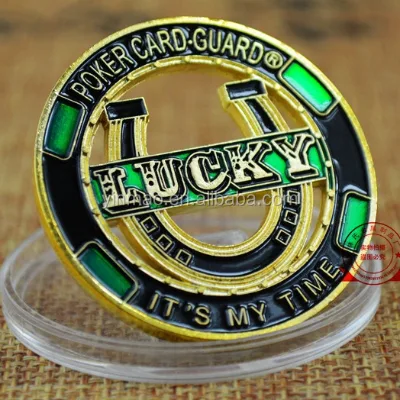


Comprehensive Sourcing Guide
Embossing Printing Commemorative Poker Coin Sourcing Guide
Buyers seeking embossing printing commemorative poker coins must first recognize that these items function primarily as challenge coins for collection, ceremonies, and business gifts. The observed product range indicates a strong focus on European regional features, with materials typically comprising brass, zinc alloy, or iron. This material selection supports the die casting and stamping processes often used to create durable, high-quality tokens suitable for sport events and holiday promotions.
When evaluating listings, procurement teams should verify that the customization options align with specific design needs, as customer logos and designs are standard offerings. The production timeline generally spans 12 to 15 days, with sample times averaging seven days, which is critical for planning event schedules. Buyers must ensure that the requested plating finishes, such as nickel, gold, or silver, match the intended aesthetic for the specific commemorative occasion.
Product Scope and Observed Listing Signals
The market for these coins reveals a diverse scope ranging from simple metal tokens to complex 3D medals with soft or hard enamel finishes. Listings frequently highlight usage scenarios including weddings, tours, and corporate souvenirs, suggesting that the product is versatile enough for both personal and commercial applications. The observed thickness range of 3mm to 6mm provides a substantial feel, distinguishing these items from lightweight promotional trinkets while maintaining portability for distribution.
Procurement signals indicate that packaging options vary from simple OPP bags to premium velvet boxes, allowing buyers to tailor the unboxing experience to their budget. The presence of custom edge designs and various plating choices like chrome or copper suggests a high degree of flexibility in the manufacturing process. Buyers should note that while the core product is a coin, the category often overlaps with keychains and lapel pins, requiring clear distinction in the purchase order to avoid fulfillment errors.
Technical Specifications to Verify
Technical verification begins with confirming the physical dimensions, as the standard size range spans from 30mm to 100mm, accommodating different design complexities. The thickness specification of 3mm to 6mm is a critical quality indicator, ensuring the coin has sufficient weight to feel premium. Buyers must explicitly request the specific metal composition, whether it is brass, zinc alloy, or iron, as this directly impacts the durability and the final plating adhesion.
The manufacturing technique, whether die casting, stamping, or spin casting, dictates the level of detail achievable in the embossing and printing processes. It is essential to verify that the chosen process supports the desired enamel type, such as soft or hard enamel, which affects the texture and visual depth of the logo. Additionally, the edge finish must be confirmed as custom to ensure it complements the overall design, as standard edges may not align with specific branding requirements.
Compliance and Safety Documentation
While specific certification data is not universally listed in the provided product facts, buyers must request documentation regarding material safety, particularly for items intended for children or close contact. The use of metals like zinc alloy and iron requires verification that they meet international standards for heavy metals and lead content, ensuring the product is safe for general distribution. Procurement teams should ask for test reports confirming that the plating materials, such as nickel or chrome, do not contain hazardous substances prohibited in the target market.
Documentation should also cover the manufacturing process to ensure that the printing and embossing inks used are non-toxic and durable. Since these items are often used as souvenirs or gifts, verifying that the packaging materials are free from harmful chemicals is equally important. Buyers should insist on a declaration of conformity from the supplier, especially if the coins are being imported into regions with strict regulatory frameworks regarding metal goods and promotional items.
Cost Drivers and Commercial Terms
The cost of embossing printing commemorative poker coins is heavily influenced by the chosen metal, the complexity of the custom design, and the selected plating finish. Higher-grade metals like brass or intricate 3D designs typically command a premium over standard zinc alloy options. The MOQ of 50 pieces serves as a baseline, but larger orders may benefit from volume discounts, though the observed range suggests flexibility down to single units for samples or small batches.
Commercial terms require careful attention to payment methods, which typically include Western Union, Moneygram, or PayPal, offering varying levels of security for international transactions. The production lead time of 12 to 15 days must be factored into the overall project schedule, with an additional seven days allocated for sample approval. Buyers should clarify whether the quoted price includes the cost of custom packaging, such as velvet boxes or blister packs, as these add-ons can significantly impact the final unit cost.
Supplier Qualification and Quality Control
Supplier qualification should focus on their ability to handle custom designs and their track record with the specific production techniques required. Buyers must verify that the supplier has the machinery and expertise to execute die casting, stamping, and printing processes with high precision. The ability to produce samples within seven days is a strong indicator of operational efficiency and responsiveness, which is crucial for maintaining project timelines.
Quality control protocols must be established to ensure consistency in plating thickness and enamel application across the entire order. Buyers should request a pre-shipment inspection to verify that the edge finishes and logo details match the approved sample exactly. Given the custom nature of the product, a clear agreement on defect tolerance and the process for handling rework is essential to prevent disputes upon delivery.
Long-Term Procurement Checks
Establishing a long-term relationship with a supplier requires regular audits of their production capacity and quality consistency over multiple orders. Buyers should monitor the supplier's ability to maintain the specified thickness and material standards across different batches, as variations can occur with high-volume production. Consistent adherence to the 12 to 15-day production window is also a key performance indicator for reliability in meeting future event deadlines.
Procurement teams should periodically review the supplier's innovation in design and finishing techniques to ensure they remain competitive. As the market evolves, the ability to offer new plating options or more sustainable materials will be a valuable asset. Regular communication regarding design trends and material availability will help buyers adapt their product offerings to changing consumer preferences and market demands.
FAQs
Can I customize the design and logo on the commemorative poker coin?
Yes, custom design and logo services are available for these metal challenge coins. Buyers can submit their own artwork for embossing or printing. The product supports various metal options like brass, zinc alloy, or iron. This allows for unique branding suitable for business gifts, ceremonies, or holiday promotions with a professional finish.
What is the typical production time for custom challenge coins?
The standard production time is 12 to 15 days after sample approval. This timeline applies to bulk orders of metal commemorative coins. Buyers should account for an additional 7 days for sample creation if a prototype is required. This schedule ensures quality control for plated and enameled finishes on custom designs.
What materials are used to make these commemorative poker coins?
These coins are crafted from durable metals including brass, zinc alloy, and iron. The material choice affects the weight and plating options available. Buyers can select from nickel, gold, silver, or chrome plating. The standard thickness ranges from 3mm to 6mm, providing a substantial feel suitable for collection or ceremonial use.
What is the minimum order quantity for custom metal coins?
The minimum order quantity is 50 pieces, though this can be adjusted based on specific requests. This low MOQ allows for cost-effective testing of custom designs. It is suitable for small business gifts or promotional souvenirs. Buyers can order in bulk for larger events while maintaining the flexibility to customize logos and edges.
What packaging options are available for the finished coins?
Standard packaging includes OPP bags, blister packs, or velvet boxes. Each coin is typically packed individually in a poly bag or box. Custom packaging solutions are available to meet specific branding needs. This ensures the coins arrive in pristine condition, making them ready for direct distribution as holiday gifts, wedding favors, or corporate souvenirs.
What techniques are used to finish the commemorative coins?
Manufacturing techniques include die casting, stamping, spin casting, and printing. Finishes involve soft or hard enamel applications for detailed designs. The edges can be customized to match the product style. These processes allow for high-quality embossing and plating, ensuring the final metal coin meets specific aesthetic requirements for collections or awards.