Source Embossing Printing Plated Dog Tag for Home, Training, and Outdoor Use
Compare 30 verified listings for Embossing Printing Plated Dog Tag options featuring adjustable sizes, custom logos, and snap closures. Buyers can evaluate specifications like aluminum material, soft enamel finishes, and OEM/ODM capabilities for home, training, and outdoor applications.
Key considerations
Products List







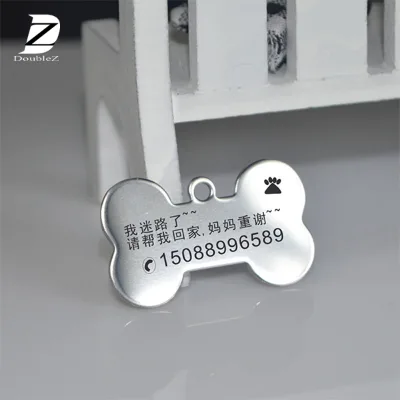
Engraved Small Paw Print Pet Tag Manufacturer Personalized Metal Dog Tag
$0.58 - $0.80
MOQ: 500 Pieces



Comprehensive Sourcing Guide
Strategic Sourcing Guide for Embossing Printing Plated Dog Tags
Understanding Product Specifications and Material Composition
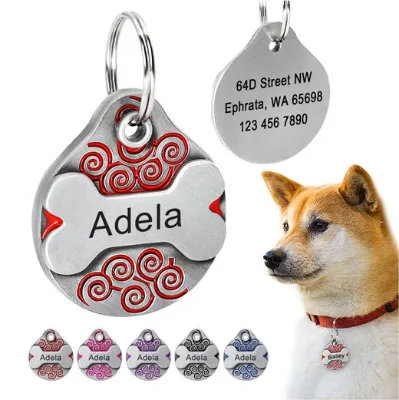
When sourcing embossing printing plated dog tags, buyers must first establish a clear understanding of the technical specifications that define the product's physical and aesthetic characteristics. The core keyword implies a specific manufacturing process where designs are either raised (embossed) or printed onto a metal surface, often followed by a plating process to enhance durability and appearance. Based on observed market data, these items are frequently manufactured from aluminum, a material chosen for its lightweight nature and ease of stamping or printing. The metal type is explicitly identified as aluminum in available product listings, which suggests a focus on cost-effective yet durable solutions suitable for pet identification and promotional use.
The dimensional specifications for these tags vary, with observed data indicating a standard size of 5028mm for certain models, while others may be described as adjustable or adhering to a 33cm standard. This variability requires buyers to specify their exact dimensional needs clearly during the inquiry phase. The shape is predominantly round, though the "adjustable" attribute suggests potential flexibility in sizing or design customization. The closure mechanism is a critical functional element; snap closures are a common observation, ensuring the tag remains securely attached to the pet's collar. Additionally, the tags often include accessories such as ball chains, which facilitate easy attachment and removal.
The surface finish and decorative processes are equally important. The observed data highlights "Soft Enamel" and "Epoxy" as common finishing processes, which add color and protection to the design. The "Stamping" process is frequently cited alongside "Machinery" processing, indicating that the primary manufacturing method involves mechanical stamping to create the embossed or engraved effects. The logo application can be customized, with options for engraving, printing, or QR code integration. The "ID" attribute often points to engraving capabilities, allowing for personalized text or data. The color options observed include silver and gold, reflecting the plating possibilities available on the aluminum base. These attributes collectively define the product's identity as a versatile item suitable for both functional pet identification and decorative purposes.
Compliance, Certification, and Regulatory Standards
In the B2B procurement of pet accessories and promotional items, verifying compliance and certifications is a non-negotiable step to ensure product safety and marketability. The observed product data lists specific certifications such as SGS and BSCI. SGS is a globally recognized inspection, verification, testing, and certification company, often associated with quality and safety standards. BSCI (Business Social Compliance Initiative) indicates that the supplier adheres to specific social and ethical standards regarding labor practices. Buyers should treat these as high-confidence indicators of a supplier's commitment to quality and ethical manufacturing, but they must verify the current validity of these certificates for each specific order or batch.
While the provided data mentions ISO 27001, this standard is primarily related to information security management and is less relevant to the physical manufacturing of metal dog tags. Therefore, buyers should not assume that ISO 27001 certification is a standard requirement for the physical product itself unless it pertains to the supplier's data handling processes. Instead, the focus should remain on physical product certifications. The "prod_standard" attribute in the data lists "SGS BSCI," reinforcing the importance of these specific credentials.
For products intended for children or specific regional markets, additional safety standards regarding heavy metals, lead content, and small parts (choking hazards) are critical. Although the supplied text does not explicitly list ASTM or EN71 standards, buyers must proactively request test reports confirming compliance with the safety regulations of their target market. The "Certificate" field in the product data serves as a starting point, but it is the buyer's responsibility to ensure that the specific batch of dog tags meets all local regulatory requirements. The origin of the products is noted as Ningbo, China, a major manufacturing hub, which implies that buyers should be aware of the specific export regulations and quality control protocols associated with that region.
Cost Drivers and Pricing Dynamics
The pricing of embossing printing plated dog tags is influenced by several key factors, including material costs, customization complexity, order volume, and finishing processes. The observed price range in the market is quite broad, spanning from $0.09 to $6.00 USD. This significant variance is not arbitrary; it reflects the differences in production methods, material quality, and the extent of customization. The lower end of the price spectrum likely corresponds to simple, uncoated aluminum tags with basic stamping and minimal packaging. Conversely, the higher price points are associated with complex designs involving soft enamel, epoxy coating, custom logos, and premium packaging solutions like gift boxes.
Minimum Order Quantity (MOQ) is another critical cost driver. The observed MOQ range is between 50 and 1000 units. Suppliers often offer tiered pricing structures where the unit cost decreases as the order volume increases. For instance, an order of 50 pieces might fall at the higher end of the price range, while an order of 1000 pieces could access the lower price brackets. Buyers must balance their budget constraints with their inventory needs to optimize the cost per unit. The "MOQ: 50PCS" attribute suggests that some suppliers are willing to accommodate smaller trial orders, which is beneficial for new buyers testing the market.
Additional costs may arise from sample fees, tooling charges for custom molds, and expedited shipping. The "Sample Time" is observed to be around 5 to 7 days, and the "Delivery Day" ranges from 12 to 25 days. These lead times can impact the overall cost if rush fees are required. Payment terms such as T/T, Western Union, and PayPal are standard, and the financial terms agreed upon can also influence the final landed cost. Buyers should request detailed quotations that break down the base material cost, customization fees, packaging costs, and shipping charges to ensure transparency and avoid hidden expenses.
Typical Applications and Market Use Cases
The versatility of embossing printing plated dog tags makes them suitable for a wide array of applications beyond simple pet identification. The observed data lists "Home, Training" and "Outdoor" as primary application areas, highlighting their utility in both domestic and active environments. The tags are designed to be durable enough to withstand outdoor conditions while remaining aesthetically pleasing for home use. The "Style" is described as "European & American" and "Creative," indicating that these products appeal to markets with a preference for modern, stylish, and functional accessories.
Beyond pet ownership, the tags serve as effective promotional gifts, souvenirs, and commerce gifts. The "Usage" attribute explicitly mentions "Personal Decorations, Promotion Gifts, Souvenirs, Home Decorations, Commerce Gift, Collection, Religious Crafts." This broad applicability suggests that buyers can target diverse market segments, from corporate clients seeking branded giveaways to event organizers looking for unique souvenirs. The ability to customize the logo and include QR codes or bullet designs makes these tags ideal for business gifts and marketing campaigns. The "Engraved" attribute further supports their use in professional settings, such as business gifts or identification for specific groups.
The "Type: Animals" classification confirms their primary function as pet tags, but the "Shape: Round" and "Color: Silver/Gold" options allow them to double as fashion accessories or collectibles. The "Fuction: Pet Tags" designation is central, but the "Customization: Available" feature expands their potential use cases significantly. Buyers should consider the specific needs of their target audience when selecting the design, material, and finish. For example, a corporate client might prefer a sleek, gold-plated tag with a QR code for a tech-savvy image, while a pet training organization might opt for a durable, silver tag with clear, embossed text for easy readability.
Supplier Evaluation and Selection Criteria
Selecting the right supplier is paramount to ensuring the quality and reliability of the procured dog tags. Buyers should evaluate potential suppliers based on their production capabilities, certification status, and communication efficiency. The observed data indicates that suppliers accept ODM/OEM services, meaning they can produce custom designs or manufacture products based on the buyer's specifications. This flexibility is a strong indicator of a supplier's capability to meet unique requirements. The "Processing: Machinery" and "Process: Stamping" attributes suggest that the suppliers have the necessary equipment for mass production and precise manufacturing.
Certifications like SGS and BSCI are valuable indicators of a supplier's commitment to quality and social responsibility. Buyers should verify these certifications directly with the issuing bodies or request copies of the current certificates. The "prod_origin: Ningbo" and "prod_origin: China" details provide insight into the manufacturing location, which can influence shipping costs and lead times. Buyers should also assess the supplier's sample process, as the "Sample Time" of 5 to 7 days is a reasonable benchmark for evaluating the quality of the final product before committing to a large order.
Communication and payment terms are also critical factors. The observed payment methods include T/T, Western Union, and PayPal, offering flexibility for international transactions. Buyers should ensure that the payment terms are secure and align with their company's financial policies. The "Shipping" options listed, such as TNT, FedEx, DHL, and UPS, indicate that the suppliers have established logistics partnerships, which is essential for timely delivery. Buyers should compare the shipping costs and delivery times offered by different suppliers to find the most cost-effective and reliable option.
Quality Control and Long-Term Procurement Strategies
Implementing a robust quality control (QC) strategy is essential for maintaining the integrity of the product and protecting the buyer's brand reputation. Given the variability in the observed price range and the potential for customization errors, buyers should establish clear QC checkpoints throughout the production process. This includes inspecting the raw materials, verifying the stamping and printing quality, and checking the plating finish for consistency. The "Finish: Soft Enamel" and "Process: Epoxy" attributes highlight areas where quality can vary significantly, making visual and tactile inspections crucial.
Buyers should request pre-production samples to verify that the design, dimensions, and materials match their specifications. The "Sample Day" of 7 days provides an opportunity to test the product's durability and appearance before mass production begins. During mass production, third-party inspection services can be employed to conduct random sampling and ensure that the products meet the agreed-upon standards. The "Certificate: SGS, BSCI" suggests that the suppliers may already have internal QC processes in place, but independent verification adds an extra layer of security.
For long-term procurement, building a strategic partnership with a reliable supplier is more beneficial than constantly switching vendors. Consistent communication, clear documentation of specifications, and mutual trust can lead to better pricing, faster lead times, and higher quality outcomes. Buyers should maintain a detailed record of their orders, including the specific models, materials, and finishes used, to ensure consistency in future purchases. The "prod_model" numbers, such as "CC-0512-7" and "X2023101003," serve as unique identifiers that can help in tracking and replicating successful orders. By focusing on these long-term considerations, buyers can secure a steady supply of high-quality embossing printing plated dog tags that meet their evolving business needs.
Summary of Key Procurement Considerations
In conclusion, sourcing embossing printing plated dog tags requires a comprehensive understanding of the product's technical specifications, compliance requirements, and market applications. Buyers must carefully evaluate the material composition, such as aluminum, and the various finishing processes like soft enamel and epoxy. Verifying certifications like SGS and BSCI is essential for ensuring quality and ethical manufacturing. The wide price range and MOQ variability necessitate a strategic approach to cost management and order planning. By focusing on supplier evaluation, quality control, and long-term partnership building, buyers can successfully navigate the procurement process and secure reliable, high-quality products for their specific needs. The observed data provides a solid foundation for making informed decisions, but continuous verification and clear communication remain the keys to successful B2B transactions in this sector.
FAQs
What materials are used for embossing printing plated dog tags?
These tags are primarily made from aluminum, which is lightweight and easy to stamp. The metal type is explicitly identified as aluminum in product listings, ensuring a cost-effective solution suitable for pet identification and promotional use without compromising durability.
Which certifications do suppliers typically provide for these tags?
Suppliers often provide SGS and BSCI certifications to verify quality and ethical manufacturing standards. While ISO 27001 is mentioned in some contexts, it relates to data security rather than physical product safety, so buyers should prioritize SGS and BSCI for compliance verification.
Can I customize the logo and design on these dog tags?
Yes, customization is available for logos, including engraving, printing, and QR code integration. Buyers can request specific designs like round shapes or silver and gold colors, with options for soft enamel or epoxy finishes to enhance the visual appeal of the product.
How long does it take to receive samples of these tags?
Sample times typically range from 5 to 7 days depending on the supplier's production schedule. This allows buyers to evaluate the quality of the stamping, plating, and packaging before committing to a larger order volume under standard lead time conditions.
What is the minimum order quantity for embossing printing plated dog tags?
The minimum order quantity generally starts at 50 pieces, though some suppliers may require up to 1000 units. This range allows for small trial orders while offering tiered pricing structures where unit costs decrease as the total order volume increases significantly.
Which payment methods are accepted for purchasing these dog tags?
Common payment methods include T/T, Western Union, and PayPal for international transactions. These options provide flexibility for buyers, ensuring secure financial terms are agreed upon before production begins and shipping arrangements are finalized with logistics partners.
What are the standard dimensions for these aluminum dog tags?
Standard sizes include 50 by 28 millimeters or a 3 by 3 centimeter format, with some models described as adjustable. The shape is predominantly round, and the closure type is often a snap mechanism to ensure the tag remains securely attached to pet collars.