Source Embroidered Beaded Sequined Wedding Dress for brides, designers, and events
Compare 29 Embroidered Beaded Sequined Wedding Dress options featuring satin, polyester, and lace details. Buyers can evaluate styles like mermaid and A-line, sizes, and customization services from verified suppliers; compare the available evidence and request quotations based on your requirements.
Key considerations
Products List


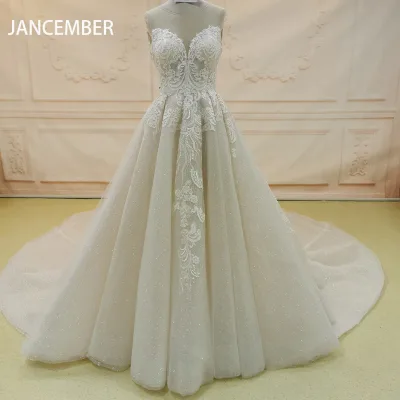


Short Sleeves Bridal Dress A-Line Lace Tulle Beaded Wedding Dress Ms754
$159.00 - $249.00
MOQ: 1 Pieces


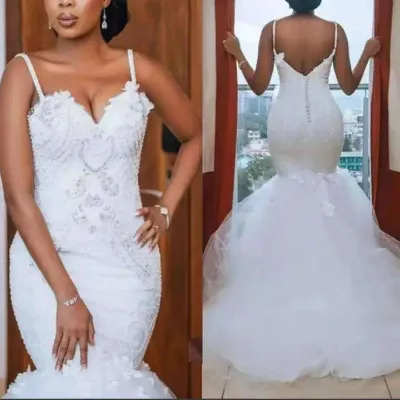
Cap Sleeves Bridal Gowns Lace Beaded Customized Mermaid Wedding Dress S20177
$129.00 - $269.00
MOQ: 1 Pieces


Factory Bridal High Quality Sparkly Beaded Gown Plus Size Embroidered Lace Wedding Dresses
$200.00 - $340.00
MOQ: 1 Pieces

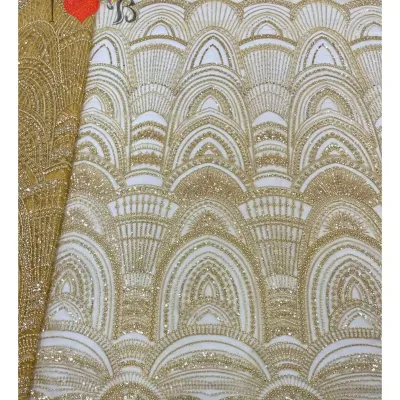
Shiny Luxury Handmade Beaded Sequins High Neck Wedding Gowns Dresses with Long Tail
$580.00 - $899.00
MOQ: 1 Pieces
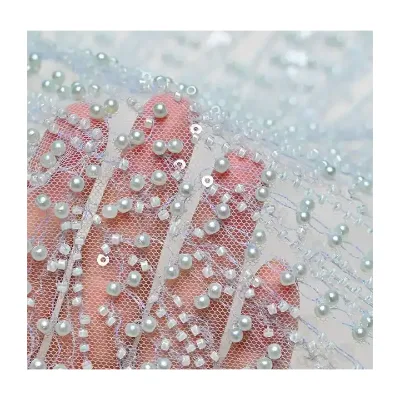
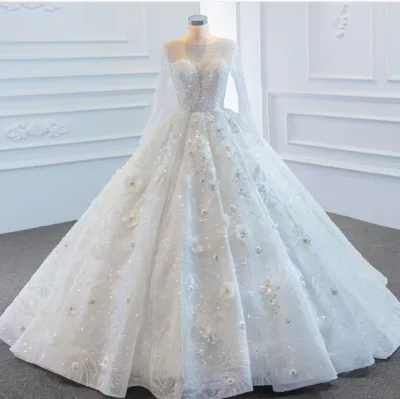
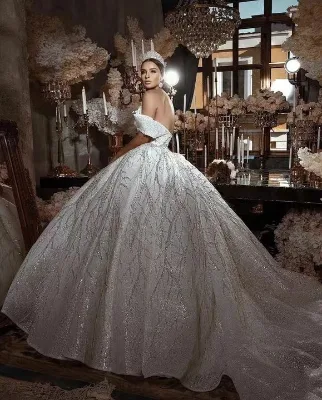


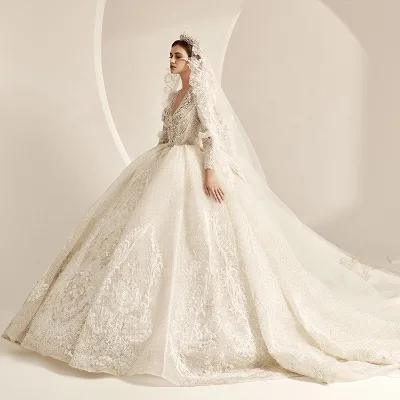
Wedding Dress for Bridal Comfortable Design V Neck Long Sleeve Luxury Wedding Dress
$1338.00 - $1388.00
MOQ: 1 pieces

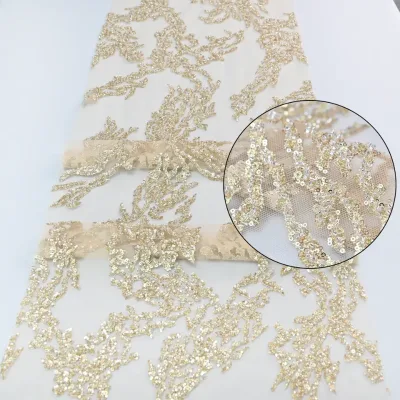

Comprehensive Sourcing Guide
Embroidered Beaded Sequined Wedding Dress Sourcing Guide
Sourcing high-end bridal wear requires a nuanced understanding of both aesthetic complexity and supply chain logistics. Buyers must navigate a market where visual appeal is paramount, yet production consistency is often challenged by the intricate nature of embellishments. This guide provides a structured approach to evaluating suppliers, verifying technical specifications, and managing commercial risks associated with embroidered, beaded, and sequined wedding dresses.
The following sections outline critical verification steps, from material composition to compliance documentation. By adhering to these evidence-based procurement strategies, buyers can mitigate the risk of receiving substandard goods, ensure timely delivery, and maintain brand integrity in the competitive bridal apparel sector.
Product Scope and Observed Listing Signals
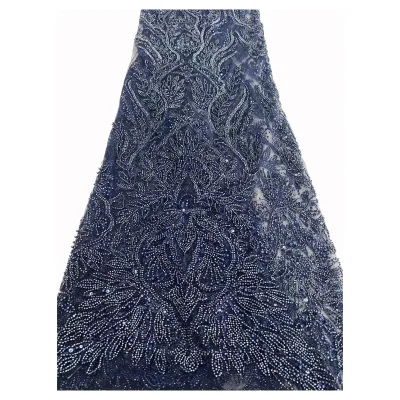
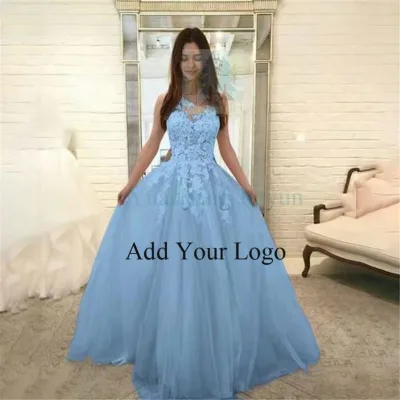
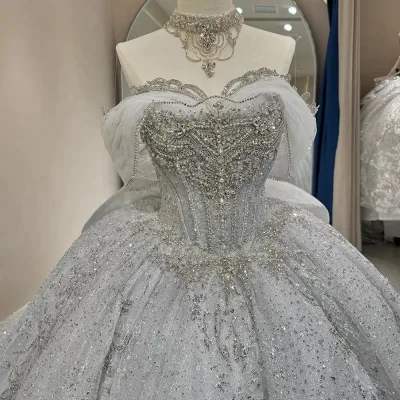
Market listings for embroidered beaded sequined wedding dresses reveal a diverse range of styles, including mermaid, A-line, and formal puff silhouettes. Observed attributes indicate a strong preference for double-layer constructions and specific sleeve styles such as strapless or sleeveless designs. Buyers should note that materials frequently cited include satin and 100% polyester, with embellishments like lace, crystals, and pearls adding significant visual weight and texture to the final garment.
Seasonal and demographic targeting also varies, with products often categorized for summer or spring/autumn wear and aimed at age groups ranging from 18-25 to 25-35 years old. Customization options are widely available, allowing for OEM services and tailored sizing. However, buyers must distinguish between generic stock items and bespoke offerings, as the latter often require more rigorous communication regarding design nuances and production timelines.
Technical Specifications to Verify
Technical verification begins with confirming the precise construction details, such as dress length, which can range from mid-calf to full-length or floor-length. Buyers should request detailed size charts that include specific measurements for sizes ranging from standard numerical codes to plus-size options like 14W and 16W. It is crucial to verify the neckline style, such as scoop or backless designs, and the back construction, which may involve zippers, buttons, or lace-up elements, as these impact both fit and aesthetic appeal.
Material composition and embellishment techniques require close scrutiny to ensure durability and quality. The presence of appliques, embroidery, and sequins must be assessed for secure attachment, as loose beads or threads can lead to customer returns. Additionally, packaging specifications, such as individual polybag packing, and single package dimensions should be confirmed to calculate accurate shipping volumes and protect delicate garments during transit.
Compliance and Safety Documentation
While specific certification statuses like ISO 9001 may be mentioned in supplier profiles, buyers must independently verify the actual compliance documentation provided by the manufacturer. This includes ensuring that all materials, particularly those used in direct contact with the skin, meet relevant safety standards for flammability and chemical content. Buyers should request test reports or certificates of conformity that align with the target market’s regulatory requirements, rather than relying solely on supplier assertions.
Documentation should also cover the origin of the product, with many listings indicating China as the place of origin. Buyers must ensure that all customs documentation accurately reflects the product description, including the correct harmonized system codes for bridal wear. Proper labeling, including care instructions and fiber content, is essential to avoid customs delays and ensure that the final product meets consumer labeling laws in the destination country.
Cost Drivers and Commercial Terms
The cost of embroidered beaded sequined wedding dresses is heavily influenced by the complexity of the embellishments and the volume of handwork involved. Observed minimum order quantities (MOQs) vary significantly, with some listings indicating an MOQ of 10,000 units, while others may accept lower volumes. Buyers must clarify whether the quoted price includes the cost of custom design, pattern making, and sample development, as these can add substantial upfront expenses to the procurement process.
Lead times are another critical commercial factor, with sample orders potentially requiring seven days for production. However, bulk production lead times can extend considerably depending on the season and supplier capacity. Buyers should negotiate clear terms regarding payment schedules, penalties for late delivery, and procedures for handling defective goods. Understanding the total landed cost, including shipping and duties, is essential for accurate margin calculation and pricing strategy.
Supplier Qualification and Quality Control
Supplier qualification should involve a thorough assessment of their manufacturing capabilities, particularly their experience with intricate embellishment techniques. Buyers should request video tours or detailed photos of the production floor to verify the presence of specialized equipment and skilled labor. It is also important to evaluate the supplier’s ability to handle OEM requests and their responsiveness to design changes, as flexibility is key in the bridal sector where trends evolve rapidly.
Quality control protocols must be established before production begins, including clear acceptance criteria for bead placement, stitch quality, and fabric integrity. Buyers should consider implementing pre-shipment inspections to catch defects early and avoid costly returns. Establishing a strong communication channel with the supplier’s quality assurance team can help resolve issues promptly and ensure that the final product meets the agreed-upon standards before it leaves the factory.
Long-Term Procurement Checks
Long-term success in sourcing embroidered beaded sequined wedding dresses depends on building a resilient and adaptable supply chain. Buyers should regularly review supplier performance metrics, including on-time delivery rates, defect rates, and responsiveness to inquiries. Maintaining a diversified supplier base can mitigate risks associated with capacity constraints or quality inconsistencies, ensuring that production can continue smoothly even if one supplier faces challenges.
Continuous improvement initiatives should include periodic audits of supplier facilities and updates to quality standards based on customer feedback. Buyers should also stay informed about emerging trends in bridal fashion, such as new embellishment techniques or sustainable material options, to keep their product offerings competitive. By fostering strong, collaborative relationships with suppliers, buyers can drive innovation and efficiency, ultimately delivering higher value to their end customers.
FAQs
What customization options are available for embroidered beaded sequined wedding dresses?
Yes, customization is available, including OEM service for your own designs. Suppliers listed on the page offer decoration options such as crystal, beading, sequins, appliques, lace, embroidery, pearls, and floral details. You can usually submit sketches or samples for development, and a 7-day sample order lead time is supported by some suppliers, though complex embellishment work may require additional time.
How long does a sample order take before bulk production begins?
Sample order lead time of 7 days is supported by suppliers on this page. This applies to sample production only, not bulk orders, which depend on order quantity and embellishment complexity. Confirm sample cost, shipping time, and whether the sample fee is deductible from your bulk order before proceeding to full production.
Which sizes can embroidered beaded sequined wedding dresses be ordered in?
Listed products offer standard US sizing from 2 through 16, including plus sizes 14W and 16W, so most bridal customers can be covered. Some suppliers work from size M blocks with custom grading. Always request a size chart and confirm measurements for bust, waist, and hips, since bridal sizing often differs from everyday apparel sizing.
How are wedding dresses packed for shipping from China?
Each dress is packed in a polybag as standard packing for listed products. This protects the garment during transit but may not suit retail-ready presentation, so confirm whether inner boxes or hanging packaging can be added for an extra cost. Check carton dimensions and gross weight with your supplier to estimate freight accurately.
What materials and constructions are common for these dresses?
Listed dresses commonly use satin or 100% polyester bases with double-layer construction for opacity. Decorative techniques include applique work, beading, sequins, and embroidery, with styles ranging from mermaid to formal puffy ball gowns. Fabric weight, lining quality, and bead attachment method vary between suppliers, so request fabric composition details and physical samples before bulk ordering.
Can I order embroidered beaded sequined wedding dresses with a low minimum quantity?
Minimum order quantities vary widely by supplier, with observed listings ranging from 1 piece to 500 pieces, and one customized style listing showing a higher threshold. Small MOQs typically apply to in-stock or simple designs, while fully customized OEM production requires larger quantities. Discuss MOQ, tiered pricing, and mixed-style options directly with suppliers.