Source Nail Art Decoration Rhinestones for Nail Art, Packing, Decorations
Compare 30 listings of Nail Art Decoration Rhinestones from suppliers in China. Buyers can review specifications, MOQs, and shipping options for crystal, resin, and plastic varieties used in nail art, packing, and general decorations.
Key considerations
Products List
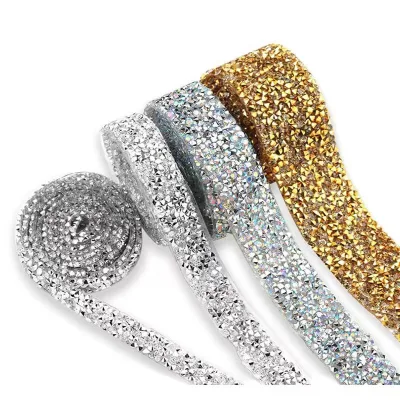
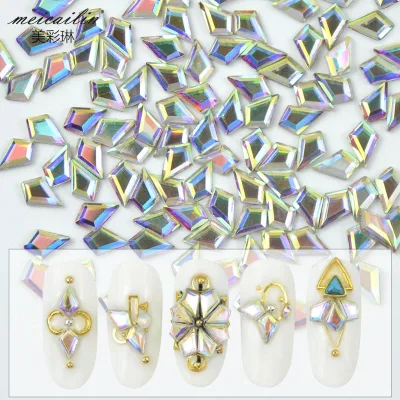
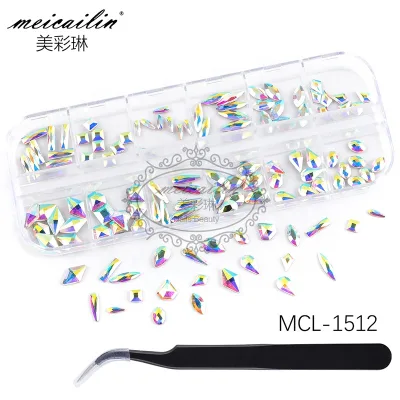
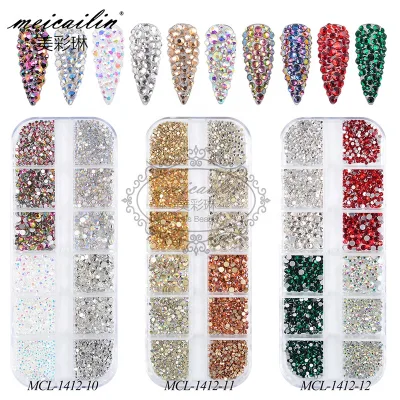


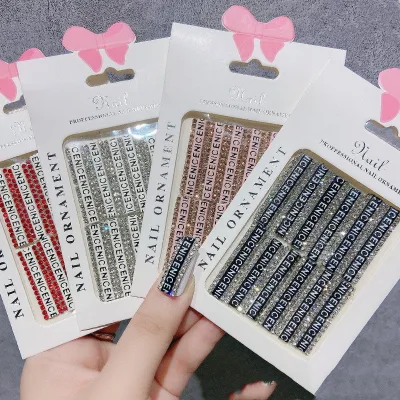


3D Nail Art Decorations Acrylic Diamond Different Shapes Nail Rhinestones
$0.80 - $1.20
MOQ: 100 Pieces


European and American Black Edged French Gold Thread Rhinestones Love to Wear Nail Art
$0.95 - $0.98
MOQ: 500 Pieces
Comprehensive Sourcing Guide
Strategic Sourcing Guide for Nail Art Decoration Rhinestones
The global market for Nail Art Decoration Rhinestones has evolved into a sophisticated sector where aesthetic precision meets industrial supply chain reliability. For procurement professionals and business buyers, sourcing these decorative elements requires a nuanced understanding of material composition, specification variability, and supplier capability. The core keyword "Nail Art Decoration Rhinestones" encompasses a diverse range of products, from flat-back crystals designed for professional salon application to 3D resin embellishments intended for DIY markets. This guide provides a structured approach to navigating this category, focusing on evidence-based evaluation of product attributes, cost structures, and quality assurance protocols derived from current market observations.
Technical Specifications and Material Composition
The technical definition of nail art rhinestones is primarily dictated by the material composition and the geometric configuration of the individual stones. In the current supply landscape, materials vary significantly between Crystal, Resin, Plastic, and Rhinestone composites. Buyers must distinguish between products labeled as "Crystal+Resin" and those composed purely of "Plastic" or "Rhinestone," as these distinctions directly impact durability, refractive index, and application suitability. For instance, specific product listings indicate a material composition of "Crystal+Resin" or "Resin," while others specify "Plastic" or "Crystal" as the primary component.
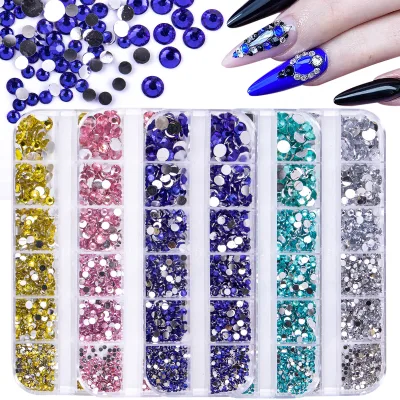
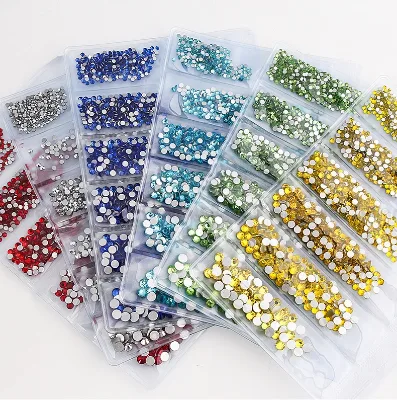
The physical shape and finish are equally critical technical parameters. The market offers a wide array of shapes including Waterdrop, Straight, Long Waterdrop, and Diamond configurations. These shapes are often paired with specific back types, such as "flat back," which is essential for adhesion to the nail surface. The dimensional specifications are not always standardized; some listings indicate sizes "as the picture" or provide specific single package dimensions like 10x20x20 cm or 20x10x5 cm. Furthermore, the color spectrum ranges from single-color options like "Crystal AB" to multi-color assortments offering 2, 12, or more color variations. The "3D" classification is a frequent attribute, suggesting a raised profile that adds depth to nail designs, contrasting with traditional flat stones.
Compliance, Certification, and Safety Verification
When sourcing decorative items intended for direct application on the human body, compliance and safety verification are paramount. While specific certification data is not universally provided in all product listings, buyers must verify that materials meet relevant safety standards for cosmetic and personal care applications. The absence of explicit certification claims in a product description does not confirm non-compliance, but it necessitates a rigorous request for documentation from the supplier.
Buyers should specifically inquire about the chemical composition of the resin and crystal components to ensure they are free from harmful substances such as lead, cadmium, or phthalates, which are often regulated in cosmetic accessories. The "Usage" field in product data often lists "Nail Beauty Products" or "Decorations," but this is a functional description rather than a safety certification. Procurement teams must verify that the manufacturing process adheres to international safety guidelines for cosmetic tools. Additionally, the "Packing" attribute, which may be "customized" or standardized (e.g., 1440pcs/bag), should be evaluated for its impact on product integrity during transit and storage. Ensuring that the packaging protects the fragile rhinestones from breakage is a critical quality control step that indirectly affects safety by preventing sharp fragments from contaminating the product.
Cost Drivers and Pricing Dynamics
The pricing structure for nail art rhinestones is influenced by a complex interplay of material costs, order volume, and logistical factors. Observed market data indicates a significant price variance, with listed prices ranging from $0.03 to $27.50 USD. This wide range reflects differences in material quality, design complexity, and the scale of the transaction. The Minimum Order Quantity (MOQ) is a primary driver of unit cost; listings show MOQs varying from 1 bag to 3000 units, with specific examples citing 500 yards, 1 bag, 20 sets, or 50 boxes.
Buyers must understand that lower unit prices are typically associated with higher volume commitments. For example, a supplier may offer a lower price point for an order of 500 yards compared to a single bag order. The "Selling Units" attribute, which can be "Single item" or bulk bags, further complicates the cost analysis. Buyers should calculate the total landed cost, including shipping methods like DHL, FedEx, EMS, UPS, and TNT, which are commonly listed as available options. The "Single gross weight" of 0.500 kg or 0.120 kg per package also influences freight charges. Additionally, the "Delivery Time" of 7-15 days or the availability of a 7-day sample order lead time can impact the overall cost of capital and inventory turnover.
Typical Applications and Market Segmentation
The application of Nail Art Decoration Rhinestones extends beyond simple embellishment to include professional salon services, DIY home kits, and commercial packaging solutions. The "Application" field often lists "Decorations" or "Nail Beauty Products," indicating the primary use case. However, some product attributes suggest alternative uses, such as "packing," which may refer to the use of these stones in gift packaging or promotional materials.
The "Style" attribute, described as "Luxurious" or "Nail Art DIY Decoration," helps segment the market. Luxury-oriented products often feature "Bling Bling" features and high-refractive crystal materials, targeting high-end salons and fashion-forward consumers. Conversely, products labeled with "Easy Apply" features and plastic or resin materials are often geared toward the DIY market, where ease of use and cost-effectiveness are prioritized. The "Shape" and "Color" options further tailor the product to specific aesthetic trends. For instance, "Waterdrop" and "Diamond" shapes are popular for creating intricate, high-fashion nail art, while "Straight" shapes may be used for simpler, linear designs.
Supplier Evaluation and Geographic Origins
Evaluating suppliers for nail art rhinestones requires a focus on geographic origin, brand reputation, and logistical capabilities. The "Place of Origin" is a critical factor, with major production hubs identified in Zhejiang and Guangdong, China. These regions are known for their established manufacturing ecosystems for small decorative items. The "Brand Name" field reveals a mix of established brands like "SWK" and "meicailin," alongside generic listings. Buyers should assess whether a brand name correlates with consistent quality or if the product is a white-label item.
Supplier reliability is often indicated by the "Shipping Method" and "Lead Time" attributes. Suppliers offering multiple shipping options (DHL, FedEx, EMS, UPS, TNT) demonstrate logistical flexibility. The "Delivery Time" of 7-15 days suggests a standard production cycle, while the support for "7 days sample order lead time" indicates a willingness to accommodate trial orders. Buyers should verify the "Single package size" and "Single gross weight" to ensure the supplier can handle the specific logistics of their distribution network. The "Packing" method, whether "customized" or standard (e.g., 1440pcs/bag), also reflects the supplier's ability to meet specific client requirements.
Quality Control and Long-Term Procurement Considerations
Maintaining consistent quality in nail art rhinestones requires a robust quality control (QC) framework. Given the fragile nature of crystal and resin materials, QC must focus on breakage rates, color consistency, and adhesion properties. The "Feature" attribute, such as "Easy Apply" or "Bling Bling," should be validated through physical testing rather than relying solely on marketing descriptions. Buyers should establish clear acceptance criteria for color variations, ensuring that the "1, 2" or "12 Colors" listed match the actual product samples.
Long-term procurement considerations involve building a relationship with suppliers who can scale production while maintaining quality. The "Model Number" (e.g., SD-NA0136, MCL-1512, MCL-1412) serves as a unique identifier for specific product lines, allowing buyers to track consistency over time. Payment terms, such as "TT, Paypal, Westunion," should be negotiated to balance risk and cash flow. Additionally, the "Specification" details, including "0cm*0cm" placeholders which may indicate variable sizing, require clarification to avoid misunderstandings.
Comparative Analysis of Product Attributes
To facilitate decision-making, buyers can compare key attributes across different product listings. The following table summarizes the observed variations in material, shape, and order requirements:
| Attribute Category | Observation A | Observation B | Observation C |
|---|---|---|---|
| Material | Crystal+Resin, Resin | Crystal | Plastic, Rhinestone |
| Shape | Waterdrop, Straight, Long Waterdrop, Diamond | Not specified | 3D |
| Back Type | Flat back | Not specified | Not specified |
| MOQ | 500 yard | 1 Bags | 20 Sets, 50 boxes |
| Origin | Zhejiang, China | Guangdong, China | China |
| Color | Crystal AB | 2 Colors, 12 Colors | 1, 2 |
| Usage | Nail Beauty Products, Decorations | Nail art | Packing |
| Lead Time | 7 days sample | 7-15 days | Support |
This comparison highlights the diversity within the category. A buyer seeking high-volume, standardized crystal stones might prefer suppliers with a 500-yard MOQ and Zhejiang origin, while a buyer looking for diverse, small-batch resin options might prioritize suppliers with lower MOQs and Guangdong origins.
Conclusion
Sourcing Nail Art Decoration Rhinestones requires a meticulous approach that balances aesthetic requirements with logistical and financial constraints. By focusing on material composition, verifying safety compliance, understanding cost drivers, and evaluating supplier capabilities, buyers can secure a reliable supply chain for these decorative elements. The variability in product attributes, from shape and color to MOQ and origin, necessitates a tailored procurement strategy for each specific business need. Ultimately, successful sourcing in this category depends on clear communication, rigorous quality control, and a deep understanding of the market dynamics.
FAQs
What materials are used for Nail Art Decoration Rhinestones?
Materials include Crystal, Resin, Plastic, and Rhinestone composites. Some products combine Crystal and Resin, while others are made purely of Plastic or Crystal. Buyers should verify the specific material composition to ensure durability and safety for cosmetic application.
Which shapes are available for Nail Art Decoration Rhinestones?
Available shapes include Waterdrop, Straight, Long Waterdrop, and Diamond configurations. These shapes are often paired with flat backs for adhesion. The specific shape selection depends on the desired aesthetic design for professional salon or DIY nail art projects.
Can suppliers offer customized packaging for these rhinestones?
Yes, suppliers offer customized packing options for bulk orders. Standard packaging may include 1440 pieces per bag, but custom solutions are available. Buyers should confirm packaging requirements to ensure product integrity during transit and storage.
What is the typical minimum order quantity for these products?
Minimum order quantities vary from 1 bag to 500 yards or 50 boxes depending on the supplier. Some listings specify 20 sets as a minimum. Lower unit prices are typically associated with higher volume commitments such as the 500-yard threshold.
How long does it take to receive sample orders?
Sample order lead times can be as short as 7 days. Standard delivery times for bulk orders range from 7 to 15 days. Suppliers often support sample orders to allow buyers to verify quality before committing to larger volumes.
Where are these nail art rhinestones manufactured?
Products originate from manufacturing hubs in Zhejiang and Guangdong, China. These regions are known for established ecosystems in small decorative items. Buyers should verify the specific place of origin to assess logistical capabilities and supplier reliability.
What shipping methods are available for international delivery?
Common shipping methods include DHL, FedEx, EMS, UPS, and TNT. These options provide logistical flexibility for different delivery needs. Buyers should calculate total landed costs including freight charges based on package weight and dimensions.