Source Embroidered Logo Ski Balaclava for Winter Sports, Cycling, and Outdoor Work
Find and compare 30 Embroidered Logo Ski Balaclava options from verified Chinese manufacturers. Evaluate materials like polyester/cotton and acrylic, check customization features such as screen printing and sublimation, and review shipping methods including express delivery and air freight for your bulk sourcing needs.
Key considerations
Products List


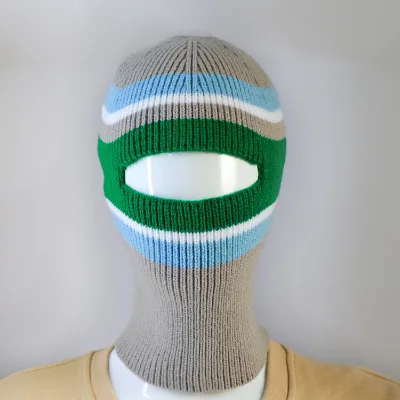
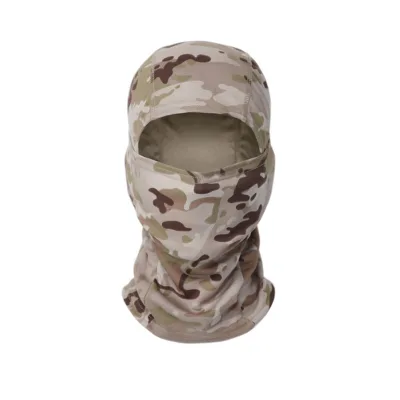
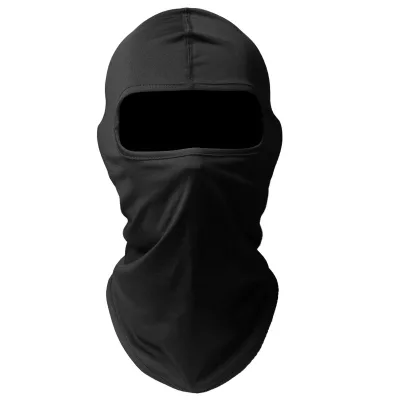


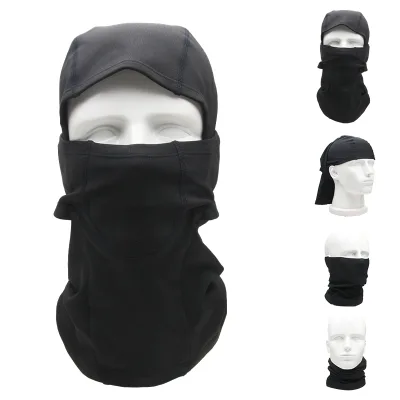


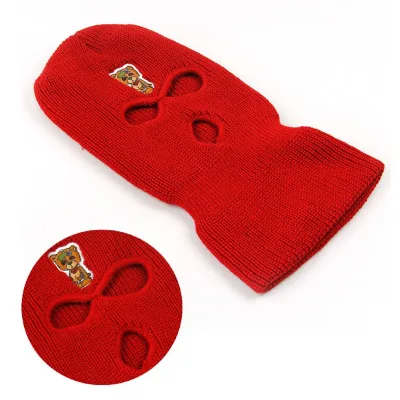
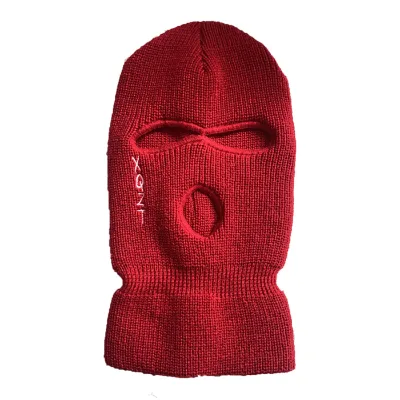
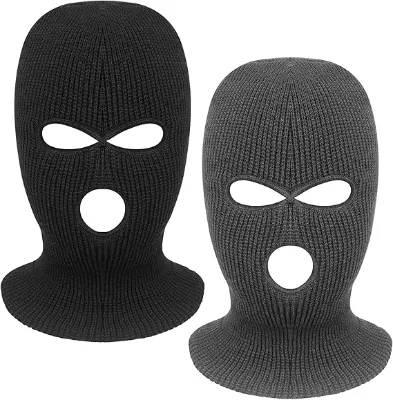


Comprehensive Sourcing Guide
Embroidered Logo Ski Balaclava Sourcing Guide
Sourcing an Embroidered Logo Ski Balaclava requires balancing thermal performance with brand visibility, as the product serves dual roles in protection and marketing. Buyers must recognize that while the core keyword implies a specific headwear category, the actual market listings often encompass a broader range of winter accessories, including beanies and caps, which share similar customization capabilities. The presence of "embroidered" as a pattern technology alongside "printed" and "heat transfer" options suggests that the supply chain offers multiple branding methods, but the specific request for embroidery demands a supplier with established 3D or applique embroidery capabilities to ensure the logo remains durable against cold and friction.
The procurement strategy should focus on verifying that the selected supplier can handle the specific material requirements for winter gear, as the observed data indicates a mix of polyester/cotton blends and 100% acrylic materials. Acrylic is frequently cited for its warmth and softness, making it a primary candidate for ski balaclavas, whereas polyester/cotton blends may offer different breathability profiles suitable for high-intensity activities. Buyers need to confirm that the "embroidered logo" specification is compatible with the chosen fabric weight and texture, ensuring that the stitching process does not compromise the windproof or quick-dry attributes essential for outdoor winter sports.
Product Scope and Observed Listing Signals
The observed product listings reveal a diverse inventory that includes items with and without brims, crowns, and various pattern themes ranging from graphical to animal and anime designs. While the core search term targets ski balaclavas, the available data shows that suppliers often list related headwear like beanies and caps with similar customization features, such as screen printing, sublimation, and digital pyrographing. This indicates that a buyer seeking a specific embroidered ski balaclava must explicitly filter for "without brim" and "with crown" or "without crown" configurations that match the balaclava silhouette, rather than assuming all listed items with embroidery capabilities are suitable for the intended application.
Buyers should also scrutinize the "Special Features" listed in the product data, which include windproof, quick-dry, lightweight, and breathable attributes, as these are critical for ski gear. The listings also highlight reversible and foldable options, which may be relevant for multi-functional winter accessories but require verification against the specific thermal needs of a ski balaclava. The "Pattern Theme" and "Pattern" fields show a wide array of options including embroidered, plain dyed, and printed styles, meaning the final product selection depends heavily on whether the buyer prioritizes the durability of embroidery over the color vibrancy of sublimation or the cost-efficiency of screen printing.
Technical Specifications to Verify
When evaluating technical specifications, the size range of 56-60cm is a standard fit for adult headwear, but buyers must confirm if the specific ski balaclava model offers a customized size option to ensure a snug fit that prevents cold air ingress. The packaging standards vary significantly, with some items listed in boxes and others in individual PP bags, which impacts the logistics and presentation of the final product. It is essential to verify that the packaging protects the embroidered logo from crushing or snagging during transit, especially since the product is intended for outdoor use where durability is paramount.
The material composition is a critical technical variable, with observed listings showing both 100% acrylic and polyester/cotton blends. Buyers must determine which material best suits the intended use case, as 100% acrylic typically offers superior warmth retention and moisture-wicking properties for skiing, while polyester/cotton blends may provide a different hand feel or breathability profile. Additionally, the "Pattern Technologys" field lists 3D embroidery and applique embroidery, which are distinct from standard flat embroidery; verifying the specific stitch density and thread type used for the logo is necessary to ensure it withstands the rigors of winter sports without fraying or peeling.
Compliance and Safety Documentation
Compliance documentation for winter headwear often centers on material safety and manufacturing ethics, with observed listings citing ISO9001 and BSCI certifications as evidence of a supplier's commitment to quality and social responsibility. While these certifications do not guarantee specific textile safety standards like flammability or chemical restrictions, they indicate that the factory operates under a managed quality system and adheres to labor standards, which is a foundational requirement for B2B procurement. Buyers should request specific test reports for the acrylic or cotton materials to ensure they meet the safety regulations of their target market, particularly regarding flame retardancy and the absence of harmful substances.
The "Place of Origin" is listed as Hebei, China, a region known for textile manufacturing, but buyers must verify that the specific factory holds the necessary export licenses and product certifications for their destination country. Since the product is intended for sports and outdoor use, compliance with regional safety standards for children's or adult winter gear may be required, even if the listing does not explicitly state them. It is prudent to ask for a declaration of conformity that covers the specific materials and the embroidery process, ensuring that the dyes and threads used for the logo do not contain prohibited azo dyes or heavy metals.
Cost Drivers and Commercial Terms
The cost of an Embroidered Logo Ski Balaclava is influenced by the complexity of the embroidery design, the material choice, and the order volume, with observed MOQs ranging from 2 to 500 units. Lower MOQs allow for smaller test orders but may result in a higher unit price due to setup costs for the embroidery machines and material cutting. Buyers should negotiate based on the total volume, as the "Sample Time" of 3-6 days for custom beanies suggests that the production cycle can be relatively short, but bulk orders may require longer lead times depending on the factory's current capacity and the complexity of the custom design.
Commercial terms also include the shipping methods available, such as express delivery, air freight, and ocean shipping, which directly impact the landed cost and delivery speed. For urgent orders, air freight may be necessary despite the higher cost, while ocean shipping is more economical for large inventory builds. The "Sample Time" of 5-7 days for general customization and 3-6 days for specific items like beanies indicates that the supplier has a flexible production line, but buyers must confirm if the same timeline applies to embroidered ski balaclavas, as the additional embroidery step could extend the lead time.
Supplier Qualification and Quality Control
Supplier qualification should begin with verifying the "Factory Establishment" date, as the observed data indicates a factory established in 2010, suggesting a decade of operational experience. This longevity can be a proxy for stability and the ability to handle complex orders, but buyers must also assess the supplier's specific expertise in winter gear and embroidery. The "Design" capability, listed as OEM/ODM, confirms that the supplier can accommodate custom branding, but buyers should request a portfolio of previous embroidered work to evaluate the quality of their stitching and the consistency of their logo placement.
Quality control processes must be explicitly defined before production begins, focusing on the durability of the embroidery and the integrity of the fabric. Buyers should establish clear acceptance criteria for the "Pattern Themes" and "Styles," ensuring that the final product matches the approved sample in terms of color, texture, and stitch quality. Given the "Special Features" like windproof and breathable properties, it is crucial to implement a quality check that verifies these functional attributes are not compromised by the embroidery process, which can sometimes create holes or reduce the fabric's thermal efficiency.
Long-Term Procurement Checks
Long-term procurement success relies on maintaining a consistent supply chain relationship and regularly auditing the supplier's ability to meet evolving market demands. Buyers should monitor the supplier's capacity to handle "Special Colors" on request and their ability to adapt to new pattern themes, such as the observed graphical, animal, and anime designs, which may become popular in future seasons. The "Supply to" list, including major platforms like eBay, Amazon, and Wish, suggests the supplier has experience with high-volume e-commerce requirements, but buyers must ensure this experience translates to the specific needs of their own brand and distribution channels.
Continuous improvement in the product line should be a priority, with regular reviews of the "Product Model" numbers and specifications to ensure they remain relevant. Buyers should track the performance of the embroidered logo over time, checking for any issues with thread fading or peeling after repeated washing and use. Establishing a feedback loop with the supplier regarding the "Sample Time" and "Production Lead Time" will help optimize the supply chain, ensuring that the procurement process remains efficient and responsive to market fluctuations in the winter sports apparel sector.
FAQs
Can I get a custom embroidered logo on the ski balaclava?
Yes, customization is available for the embroidered logo on the ski balaclava. The product supports screen printing, sublimation, and digital pyrograph techniques to apply your specific design requirements effectively.
What materials are used for the Embroidered Logo Ski Balaclava?
The ski balaclava is constructed from 100% acrylic material or a polyester cotton blend depending on the specific model. These materials ensure the item remains breathable, lightweight, and suitable for various outdoor activities.
How long does it take to receive a sample of the balaclava?
Sample time typically ranges from 3 to 7 days for custom orders. This duration allows for the production of a prototype with your requested embroidery and design specifications before full manufacturing begins.
Which certifications do the manufacturers hold for this product?
The manufacturers hold ISO9001 and BSCI certifications for their production facilities. These standards ensure quality management and ethical labor practices are maintained throughout the manufacturing process of the ski balaclava.
What is the minimum order quantity for custom ski balaclavas?
The minimum order quantity varies between 2 and 500 units depending on the supplier and customization level. Buyers should verify specific MOQ requirements with the factory before placing a bulk order for the product.
Can the ski balaclava be shipped via air freight or ocean shipping?
Yes, the product can be shipped via express delivery, air freight, or ocean shipping. These transport options provide flexibility for international buyers to choose the most suitable logistics method for their delivery timeline.