Source Embroidered Linen Children Girls Dress for School, Play, and Events
Find 30 Embroidered Linen Children Girls Dress options featuring round necks, sleeveless designs, and ventilation features. Compare specifications from Shantou and Shanghai suppliers, including 100% cotton and linen/cotton blends, to find suitable sizes for ages 2-6 years; compare the available evidence and request quotations based on your requirements.
Key considerations
Products List


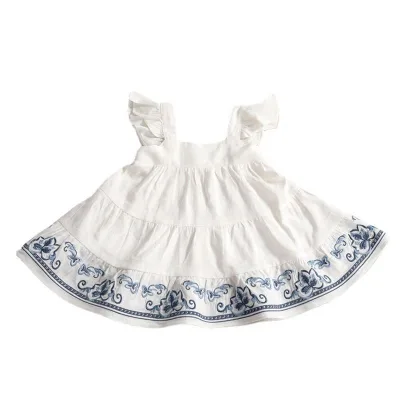
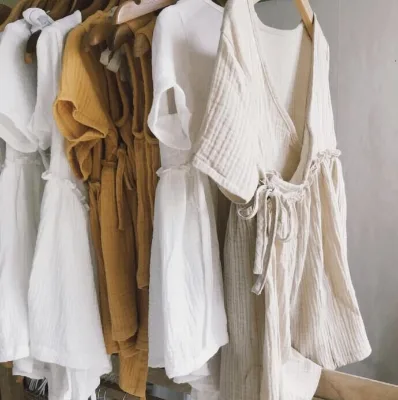
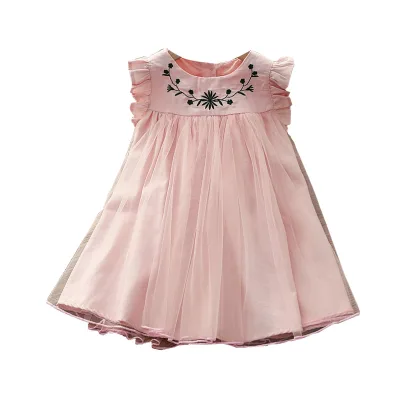


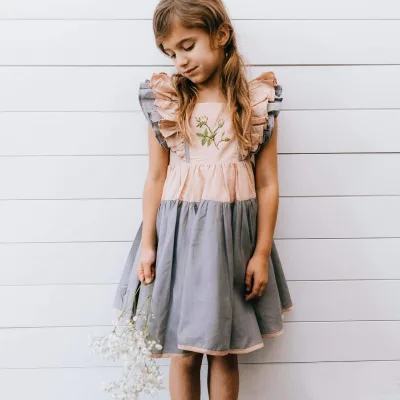
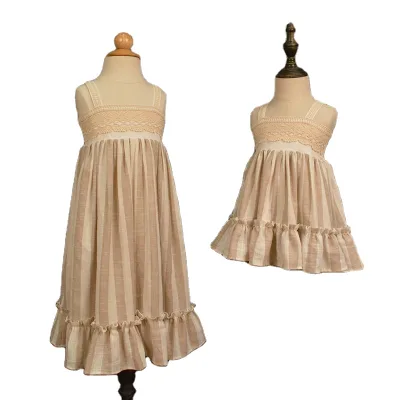
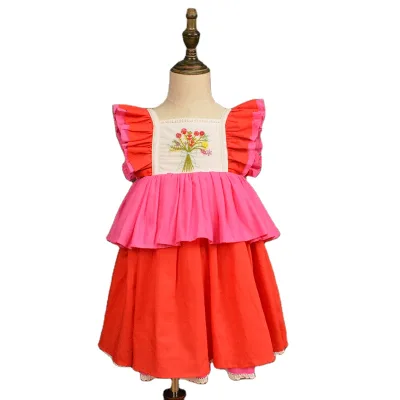
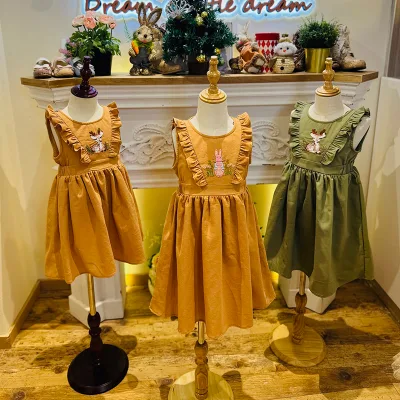
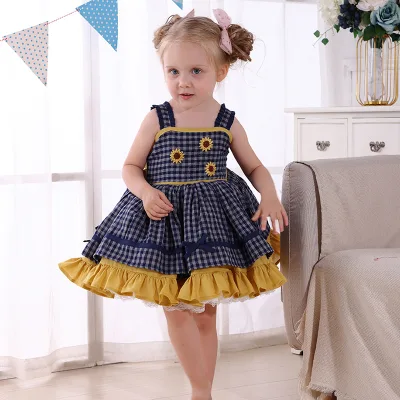
Comprehensive Sourcing Guide
Embroidered Linen Children Girls Dress Sourcing Guide
Procuring embroidered linen dresses for young girls requires balancing aesthetic appeal with the durability needed for active play. The observed market signals indicate a strong presence of summer-specific garments featuring round necks and sleeveless designs, often tailored for statures ranging from 90cm to 140cm. Buyers must recognize that while "linen" is a key material descriptor, many listings also specify cotton or linen-cotton blends, necessitating clear material verification to ensure the desired breathability and texture.
The supply landscape reveals a mix of in-stock items and custom production capabilities, with origins primarily clustered in Shantou and Shanghai, China. Sourcing strategies should account for the variability in packaging, which ranges from simple polybags to master cartons, and the availability of ODM services for those seeking unique designs. Understanding these logistical nuances helps buyers align their inventory needs with suppliers who can support both immediate stock requirements and longer-term custom development cycles.
Product Scope and Observed Listing Signals
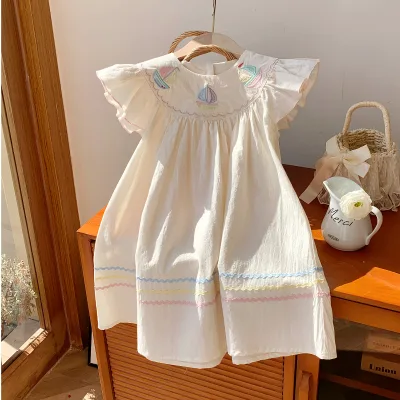
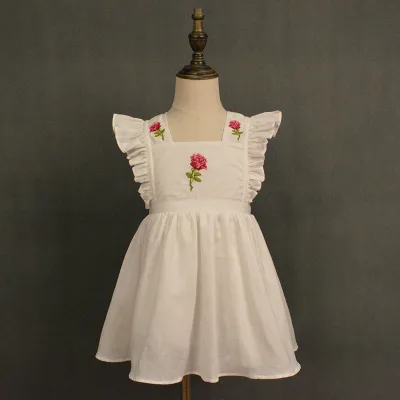
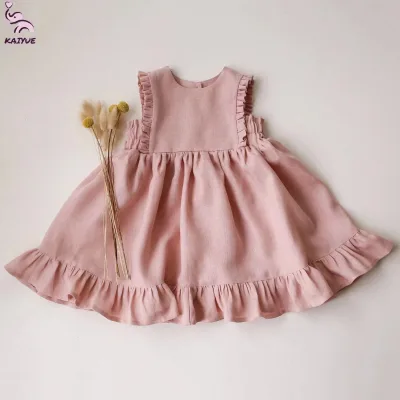
The current market for embroidered linen dresses for girls demonstrates a clear focus on casual and leisure occasions, with styles predominantly featuring solid patterns and knee-length cuts. Listings frequently highlight features such as ventilation and nice designs, suggesting that the target demographic values both comfort and visual appeal for daily wear. Buyers should note that while "embroidered" is a common attribute, the specific techniques and placement of these details vary significantly between suppliers, requiring close inspection of product images or samples.
Observed price points and minimum order quantities (MOQs) show a wide spectrum, with some suppliers offering low entry barriers while others require substantial volume commitments. The data indicates that supply abilities can reach 5,000 sets per week, yet available quantities for specific models may fluctuate between 1,000 and 10,000 sets. This variability suggests that buyers must verify real-time stock levels and production capacity before committing to large orders, especially when targeting specific age groups like 2-6 years or specific stature ranges.
Technical Specifications to Verify
Technical verification must begin with the precise definition of material composition, as listings often cite "100% cotton" or "Linen/Cotton" blends without always specifying the exact ratio. Buyers should request detailed fabric specifications to confirm the linen content, as this directly impacts the garment's drape, breathability, and care requirements. Additionally, the presence of embroidery requires scrutiny of the thread quality and stitching density to ensure it withstands repeated washing without fraying or losing its decorative integrity.
Size and fit specifications are equally critical, with observed data showing stature ranges from 77cm to 130cm and specific model numbers like SUMMER-0333 or 0032. Buyers must cross-reference these model numbers with the actual size charts provided, as the "S" designation or generic size labels may not align with standard international sizing. Verifying the collar style, sleeve length, and dress length against the intended use case ensures the final product meets the functional needs of the target child's age group and activity level.
Compliance and Safety Documentation
While the supplied facts mention an "International" standard, buyers must explicitly request documentation confirming adherence to specific safety regulations for children's apparel in their target markets. The presence of "Oeko-Tex" in background notes suggests a potential pathway for certification, but this should not be assumed without verified test reports from accredited laboratories. Ensuring that the fabric and dyes used in the embroidery process are free from harmful substances is a non-negotiable step for maintaining brand reputation and legal compliance.
Safety documentation should also cover the physical integrity of the garment, particularly regarding small parts or loose threads that could pose a choking hazard for younger children in the 2-6 year age range. Buyers should verify that the supplier has a robust quality control process in place to detect and eliminate defects before packaging. Requesting a copy of the product's compliance certificate or a third-party test report is essential to validate that the finished dress meets all relevant safety standards for the intended region.
Cost Drivers and Commercial Terms
Cost structures for embroidered linen dresses are heavily influenced by the complexity of the embroidery work, the quality of the natural fibers, and the volume of the order. The observed supply ability of 5,000 sets per week suggests that economies of scale are achievable, but the MOQ of 100 pieces for some models indicates that smaller buyers may face higher per-unit costs. Buyers should analyze the breakdown of costs to understand how much of the price is attributed to the raw material versus the labor-intensive embroidery process.
Commercial terms regarding lead times and sample availability are also pivotal, with some suppliers supporting a 7-day sample order lead time while others may have longer production cycles. The distinction between in-stock items and ODM services significantly impacts the timeline and cost structure, as custom designs require additional time for pattern making and sampling. Buyers must negotiate clear terms for payment, shipping, and potential penalties for delays to mitigate risks associated with the seasonal nature of summer apparel.
Supplier Qualification and Quality Control
Supplier qualification should extend beyond basic location data to include a thorough assessment of their manufacturing capabilities and quality assurance protocols. Given that origins are listed in Shantou and Shanghai, buyers should verify the specific factory's experience with linen and cotton blends, as these materials require specialized handling to prevent shrinkage or distortion during production. Checking for a history of successful ODM projects can provide insight into the supplier's flexibility and ability to meet custom design requirements.
Quality control measures must be rigorous, focusing on the consistency of the embroidery and the overall finish of the garment. Buyers should implement a pre-shipment inspection protocol that checks for defects in stitching, color fastness, and dimensional accuracy against the provided size charts. Establishing a clear communication channel for addressing quality issues and defining acceptable defect rates is crucial for maintaining the high standards expected in the children's apparel market.
Long-Term Procurement Checks
Establishing a long-term partnership requires regular performance reviews that track the supplier's ability to meet delivery schedules and maintain consistent quality over time. Buyers should monitor the supplier's response to feedback and their capacity to scale production during peak seasons, as the summer demand for these dresses can be volatile. Building a relationship based on transparency and mutual growth ensures that the supply chain remains resilient against market fluctuations and logistical disruptions.
Continuous improvement initiatives should be encouraged, such as exploring new fabric blends or more sustainable embroidery techniques to keep the product line competitive. Buyers should also stay informed about changes in international trade regulations and safety standards that could impact the import of children's clothing. By maintaining a proactive approach to supplier management, buyers can secure a reliable source for high-quality embroidered linen dresses that align with their brand values and customer expectations.
FAQs
What materials are used for these embroidered linen dresses?
The dresses are crafted from a blend of linen and cotton to ensure comfort and breathability. This material choice supports the summer season requirement and provides a soft texture suitable for children. The fabric quality is highlighted as good, ensuring durability for daily wear occasions while maintaining a casual style.
Can I customize the embroidery on these children's dresses?
Yes, customization is available for these embroidered linen dresses. The supplier offers ODM and OEM services to accommodate specific design requests. Buyers can work with the manufacturer to adjust patterns or details, ensuring the final product meets their unique branding or aesthetic requirements for the children's apparel line.
What is the minimum order quantity for these dresses?
The minimum order quantity is 100 pieces for these embroidered linen dresses. This MOQ allows for flexible sourcing while ensuring production efficiency. Buyers should note that sample orders are supported with a seven-day lead time, enabling quick evaluation of quality before committing to larger bulk purchases for the inventory.
Which sizes are available for these girls' dresses?
Available sizes range from 90cm to 140cm, covering various stature heights for children. Specific size options include S, catering to different age groups such as 2-6 years. The knee-length design ensures appropriate fit for daily wear, making these dresses suitable for leisure and casual occasions for growing girls.
Where are these embroidered linen dresses manufactured?
These dresses are manufactured in China, with origins listed in Shantou and Shanghai. The production takes place in Guangdong province, leveraging local textile expertise. Buyers can expect international standards compliance, ensuring that the manufacturing process meets global quality expectations for children's apparel exports and domestic distribution channels.
How quickly can I receive a sample order?
Sample orders are supported with a seven-day lead time for production. This quick turnaround allows buyers to evaluate the embroidered linen quality and fit promptly. Once the sample is approved, the supplier can proceed with bulk orders, leveraging their supply ability of 5000 sets per week to meet larger demands efficiently.