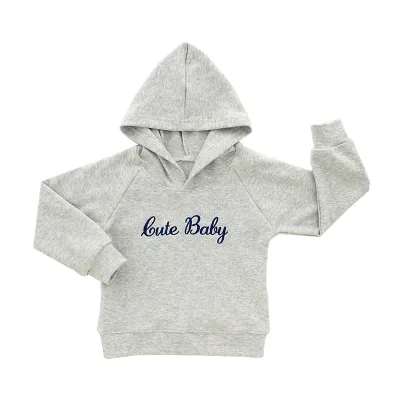
Source Embroidered Letter Printed Baby Hoodie for toddlers, infants, and kids
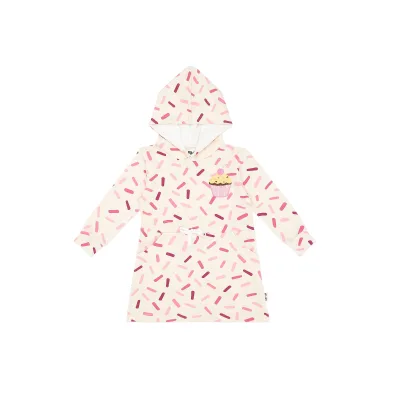
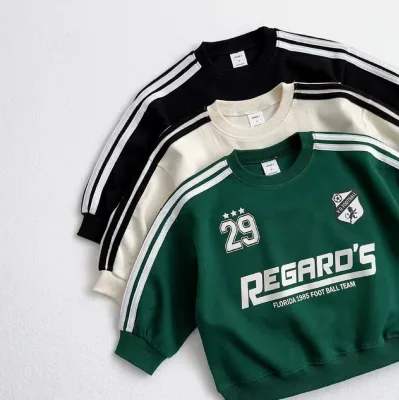
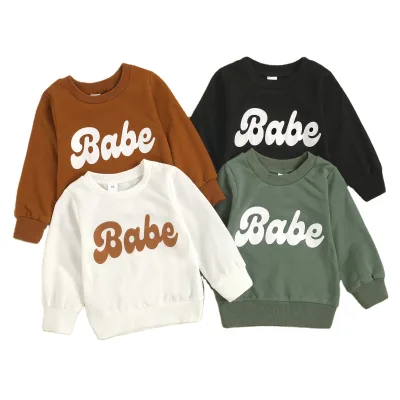
Compare 30 listings for the Embroidered Letter Printed Baby Hoodie featuring cotton and polyester materials. Buyers can review options with hooded collars, long sleeves, and customization services from suppliers in China.
Key considerations
Products List


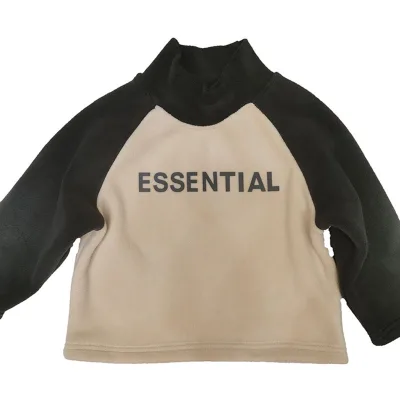
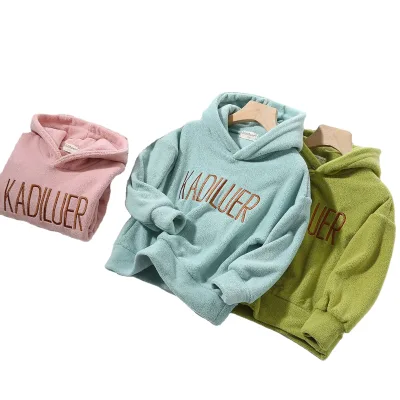
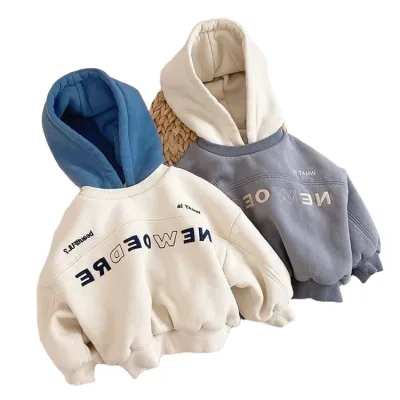
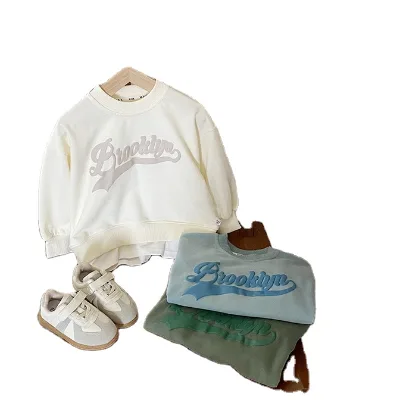


Hoodie Winter Clothes Solid Color Long Sleeve Children's Hoodie Sweatshirt
$1.00 - $8.00
MOQ: 100 Pieces
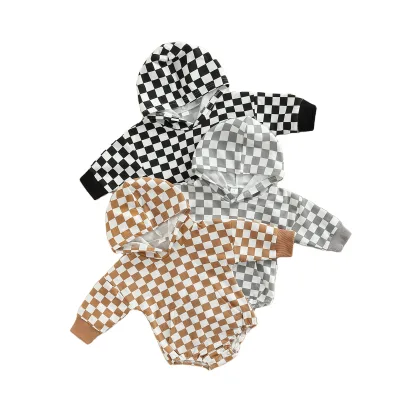


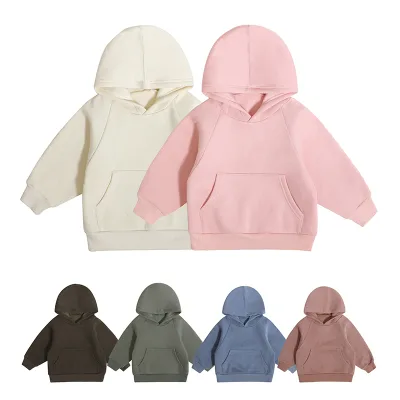
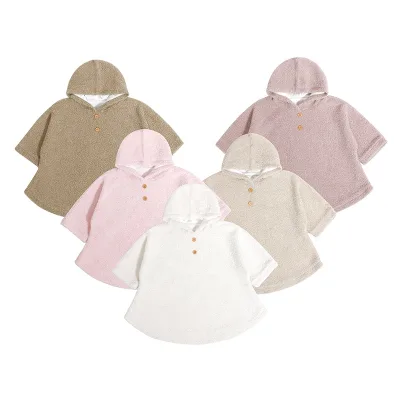


Comprehensive Sourcing Guide
Embroidered Letter Printed Baby Hoodie Sourcing Guide
Sourcing embroidered letter printed baby hoodies requires a careful balance between aesthetic customization and strict safety compliance for infant apparel. The core product category encompasses hooded sweatshirts designed for young children, typically featuring decorative elements such as embroidered text or printed graphics. Buyers must navigate a market where materials range from pure cotton to polyester blends, each offering distinct advantages in terms of softness, durability, and cost. The presence of embroidery and printing introduces specific quality control challenges, particularly regarding the attachment of decorative elements to ensure they do not pose a choking hazard or detach easily during wear.
This guide provides a structured approach to evaluating suppliers, verifying technical specifications, and managing commercial terms for this specific product type. By focusing on observable listing signals and mandatory safety documentation, procurement teams can mitigate risks associated with low-quality manufacturing. The following sections detail the critical steps for validating product integrity, from material composition to supplier qualification, ensuring that the final goods meet both brand standards and regulatory requirements for the target market.
Product Scope and Observed Listing Signals
The current market landscape for baby hoodies shows a diverse range of material compositions and design features. Observed listings indicate that materials commonly include 100% cotton, fleece, and polyester, with some products offering blends to enhance durability or reduce cost. Design attributes frequently cited include hooded styles, long sleeves, and various neck shapes such as round necks or collars. Buyers should note that while many suppliers offer customization, the specific combination of embroidery and printing may vary in execution quality, requiring close inspection of sample goods before committing to bulk orders.
Gender and age targeting are also significant variables in product listings. While many items are marketed as unisex, specific listings target boys, girls, or general children’s wear, with age ranges often specified from toddlers to older children. Seasonal appropriateness is another key signal, with products categorized for spring/autumn or winter wear, influencing the thickness and weight of the fabric. Understanding these signals helps buyers align their procurement with seasonal demand cycles and specific demographic needs, ensuring that the selected hoodies match the intended use case and customer expectations.
Technical Specifications to Verify
Material composition is the primary technical specification to verify, as it directly impacts comfort, durability, and safety. Buyers should confirm whether the hoodie is made from 100% cotton, polyester, or a blend, and request fabric weight information to assess warmth and breathability. For embroidered items, the thread quality and density are critical, as loose threads can unravel or pose a risk to infants. Similarly, for printed designs, the ink type and adhesion strength must be evaluated to ensure they do not crack or peel after washing, which could lead to ingestion hazards.
Construction details such as sleeve style, button presence, and overall fit are equally important. Long sleeves are standard for baby hoodies, but the cuff design should be checked for elasticity and comfort. If buttons are present, they must be securely attached and meet safety standards for small parts. Additionally, the size specifications, which may range from specific measurements like 90-140cm or standard sizes like S, should be cross-referenced with the supplier’s size chart to ensure accurate fit. Verification of these technical aspects through physical samples is essential to prevent costly returns or safety recalls.
Compliance and Safety Documentation
Safety compliance is non-negotiable for baby apparel, and buyers must ensure that suppliers provide relevant documentation. This includes testing reports for flammability, chemical safety, and physical/mechanical properties. For embroidered and printed items, specific attention must be paid to the security of decorative elements, ensuring they pass pull and torque tests to prevent detachment. Buyers should request certificates of conformity or test reports from accredited laboratories, verifying that the products meet the safety standards of the target market, such as CPSIA in the US or EN 71 in Europe.
Chemical safety is another critical area, with restrictions on harmful substances like lead, phthalates, and formaldehyde. Buyers should verify that the materials used, including threads and inks, are free from these hazardous chemicals. While some suppliers may claim certifications like GOTS or OEKO-TEX, these should be treated as background information and verified through official databases or direct confirmation from the certifying body. Ensuring that all chemical and physical safety requirements are met protects the brand from liability and ensures the well-being of the end-user.
Cost Drivers and Commercial Terms
Several factors influence the cost of embroidered letter printed baby hoodies, including material choice, order quantity, and the complexity of the design. Higher-quality materials like 100% cotton or specialized fleece will command a higher price than polyester blends. The cost of embroidery and printing also varies based on the number of colors, stitch density, and placement complexity. Buyers should request detailed quotations that break down these costs to understand the true value proposition and identify potential areas for cost optimization without compromising quality.
Minimum Order Quantities (MOQs) and payment terms are key commercial considerations. Observed MOQs can range from small quantities for testing to larger volumes for bulk production, with some suppliers accepting small orders to facilitate trial runs. Buyers should negotiate terms that align with their inventory management strategy, considering factors like lead times and storage costs. Additionally, understanding the supplier’s policy on customization and sample charges can help in planning the procurement budget effectively, ensuring that the total cost of ownership remains within acceptable limits.
Supplier Qualification and Quality Control
Supplier qualification involves assessing the manufacturer’s capabilities, experience, and reputation. Buyers should verify the supplier’s production capacity, quality control processes, and history of exporting to the target market. Requesting references or case studies can provide insight into the supplier’s reliability and consistency. It is also important to check for any past issues with product quality or compliance, as these can indicate systemic problems in the manufacturing process. A thorough due diligence process helps in selecting a partner who can deliver high-quality products consistently.
Quality control measures should be implemented at various stages of production, from raw material inspection to final product checking. Buyers should establish clear quality standards and communicate them effectively to the supplier. Implementing pre-production samples, in-line inspections, and final random inspections can help identify and rectify defects early in the process. Additionally, having a clear protocol for handling non-conforming products is essential to maintain quality standards and ensure customer satisfaction. Regular communication and collaboration with the supplier can further enhance quality outcomes.
Long-Term Procurement Checks
Long-term procurement success depends on continuous monitoring and evaluation of supplier performance. Buyers should establish key performance indicators (KPIs) related to quality, delivery, and responsiveness, and review these metrics regularly. Feedback loops with internal teams and end-users can provide valuable insights into product performance and areas for improvement. Maintaining open lines of communication with the supplier allows for timely addressing of issues and fosters a collaborative relationship that can lead to better product outcomes.
Adapting to market trends and regulatory changes is also crucial for long-term success. Buyers should stay informed about emerging safety standards, material innovations, and design trends in the baby apparel sector. Regularly updating product specifications and supplier requirements ensures that the procurement strategy remains aligned with market demands and regulatory expectations. By proactively managing these aspects, buyers can sustain a competitive advantage and build a resilient supply chain for embroidered letter printed baby hoodies.
FAQs
What materials are used for the Embroidered Letter Printed Baby Hoodie?
The hoodies are offered in cotton, fleece, polyester, and 100% cotton variants depending on the listing. Cotton options suit sensitive skin, while fleece and polyester provide warmth for winter wear. Review each listing's material specification before ordering, as material availability varies by product and supplier.
Can I order a small quantity of Embroidered Letter Printed Baby Hoodie?
Yes, small orders are accepted, and some listings show a minimum order as low as 3 pieces. Most listings set higher minimums, so confirm the exact MOQ for the specific style you want. This low entry point is useful for testing designs before committing to bulk quantities.
What customization options are available for the Embroidered Letter Printed Baby Hoodie?
Customization is available, including printed or embroidered letter patterns, and both OEM and ODM service plus in-stock items are offered. You can typically adjust colors, sizes, and branding details. Discuss artwork files, sample costs, and customization fees with the supplier before placing a production order.
Which sizes and ages does the Embroidered Letter Printed Baby Hoodie cover?
Listings cover children aged 2 to 7 years, and one style is sized 90-140cm. Size S appears in some specifications, but age and size ranges differ by listing. Always request a size chart for the exact model number you intend to purchase to confirm the fit.
What is the price range for the Embroidered Letter Printed Baby Hoodie?
Listed prices range from about 0.5 to 13 USD per piece, depending on material, size, and order volume. Lower prices generally apply to simpler prints or larger quantities. Confirm the current unit price for your chosen specification and quantity directly with each supplier.
How is the Embroidered Letter Printed Baby Hoodie packed for shipping?
Packing is done in cartons, with specifications such as 40X30X2, 25*25*1cm, and 45*45*20cm carton dimensions listed. Confirm carton packing details and pieces per carton with the supplier. This helps you estimate shipping volume and freight costs accurately before ordering.
Where is the Embroidered Letter Printed Baby Hoodie produced?
The products originate from China, with Guangdong noted as a place of origin in some listings. Guangdong is a major apparel production region with many children's clothing suppliers. Verify the exact origin and production location for each listing when evaluating shipping routes and lead times.
What features does the Embroidered Letter Printed Baby Hoodie offer for everyday wear?
Listed features include anti-shrink treatment, hooded collars, windproof and breathable properties, long sleeves, and buttoned or buttonless designs. These make the hoodie suitable for spring, autumn, and winter wear. Check the feature list for the specific model, since attributes vary between listings.