Source Embroidered Outdoor Bucket Hat for hiking, fishing, and camping
Find 30 Embroidered Outdoor Bucket Hat options with features like water resistance and sun protection. Buyers can compare styles, sizes, and customization services from verified suppliers in Baoding and China.
Key considerations
Products List


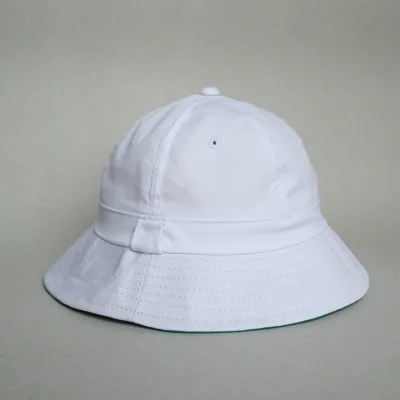
Custom Bucket Hat Custom Design Logo Embroidered Bucket Hat Wholesale Promotional
$1.00 - $3.00
MOQ: 500 Pieces



Comprehensive Sourcing Guide
Strategic Sourcing Guide for Embroidered Outdoor Bucket Hats
Defining Technical Specifications and Material Integrity
When sourcing an Embroidered Outdoor Bucket Hat, the primary objective is to align the product's physical attributes with the rigorous demands of outdoor environments. The core material composition is a critical starting point. Based on available product data, the most prevalent material specification for this category is 100% Cotton. This natural fiber offers a distinct advantage in breathability and comfort, which is essential for summer and spring/autumn wear. However, the "outdoor" designation necessitates a deeper look at how this cotton is treated. The observed product attributes include "Water Resistant," "Quick Dry," and "Moisture Wicking" capabilities. These are not inherent to raw cotton but are the result of specific chemical treatments or fabric blends that must be verified during the sampling phase.
The structural integrity of the hat is defined by its crown and brim configuration. The target product is explicitly described as having a "With Crown" and "With Brim" structure, distinguishing it from caps or beanies. The brim is a functional element for sun protection, and the data indicates a "Large Brim" variation is available, often paired with a "Windproof Rope" feature for stability in windy conditions. The shape is categorized under "Bucket Hat," "Trucker Caps," and "Baseball Caps," but for this specific keyword, the bucket silhouette is paramount. The sizing is extensive, ranging from metric sizes 54 to 64 cm and corresponding US, UK, and specific fractional measurements. Buyers must ensure that the supplier can accommodate the specific "Metric Size" or "USA Size" requirements of their target demographic, as the observed range includes sizes from 63/4 to 73/4 inches.
Embroidery Technology and Pattern Customization
The "embroidered" aspect of the core keyword is a significant differentiator in the manufacturing process. The supplied data highlights two distinct technologies: "3D Embroidery" and "Flat Embroidery." 3D embroidery, often referred to as puff embroidery, adds a raised texture to the design, providing a premium tactile feel and visual depth. This is particularly effective for logos or character themes. Flat embroidery, conversely, offers a smoother finish that lies flush with the fabric, which may be preferable for intricate patterns or larger surface areas. The pattern themes observed include "Letter," "Character," and "Plain Dyed," indicating a high degree of customization potential.
Customization is a central pillar of this product category. The data confirms that "Customization" is available, with "Logo" options being "Custom" and "OEM & ODM Custom" being accepted. This allows buyers to tailor the "Pattern Theme" to specific branding needs, whether it involves a corporate logo, a character design, or a unique "Checked" or "Striped" style. The "Special Features" list further expands the customization landscape, including options for "Ponytail Hole," "Music" integration, and "Rechargeable" elements. While these high-tech features are noted, buyers must treat them as observations of specific product lines rather than universal standards. The "Pattern Technology" selection directly impacts the lead time and cost, as 3D embroidery typically requires more machine time and setup than flat techniques.
Compliance, Certification, and Safety Standards
In the realm of outdoor apparel, compliance and safety are non-negotiable. The observed product attributes list "Eco-Friendly," "Azo-Free," and "Durable" as key features. "Azo-Free" is a critical compliance indicator, referring to the absence of azo dyes that can break down into carcinogenic amines. Buyers should explicitly request test reports verifying this claim, as it is a standard requirement for many international markets. The data also mentions "UV Resistant" and "Sun Protection," which are vital for outdoor hats. However, without specific numerical ratings (such as UPF 50+), these claims remain qualitative. Procurement teams must verify the actual UPF rating through independent laboratory testing rather than relying solely on supplier assertions.
Regarding environmental standards, the background information references "OEKO-TEX." While this is a trusted standard for textile safety, the provided context does not confirm that every listed product holds this certification. Therefore, buyers should not assume compliance based on the product listing alone. Instead, the procurement strategy must include a verification step where the supplier provides a valid, current certificate for the specific batch of goods. The "Standard" field in the data shows variations like "13X19X15Cm" (likely packaging dimensions) and "custom," indicating that there is no single universal standard for the product itself. Buyers must define their own quality standards or adopt recognized industry benchmarks such as ISO or specific regional textile safety regulations.
Cost Drivers and Pricing Dynamics
The pricing for embroidered outdoor bucket hats is influenced by a complex interplay of factors, including material quality, embroidery complexity, and order volume. The observed price range in the market is between $0.35 and $5.90 USD. This wide variance suggests that the lower end of the spectrum likely corresponds to basic flat embroidery on standard cotton with minimal features, while the higher end reflects 3D embroidery, advanced functional treatments (like water resistance or rechargeable elements), and premium packaging.
The Minimum Order Quantity (MOQ) is another significant cost driver. The observed MOQ range spans from 10 to 3000 units. For buyers testing the market or requiring small batches, the lower MOQ of 10 units offers flexibility but may come with a higher unit cost. Conversely, larger orders can leverage economies of scale to reduce the per-unit price. The "Sample Arrival Time" is noted as 15 days, which is a critical timeline factor for budgeting and project planning. Additionally, the "prod_packing" specifications vary from "Tag + Plastic Tray + Laser Label + Paper Box" to simple "Carton" packaging. The choice of packaging significantly impacts the final landed cost, especially for international shipping where volume and weight are key determinants of freight charges.
Supplier Evaluation and Operational Capabilities
Evaluating a supplier for this specific product category requires a focus on their technical capabilities and logistical reliability. The data indicates that the products originate from locations such as "Baoding" and "China." While these are general origins, buyers should verify the specific factory's capacity to handle the required "Pattern Technology." A supplier capable of 3D embroidery may not be the same one that specializes in flat embroidery, and the transition between the two can affect consistency.
The "OEM & ODM Custom" acceptance is a positive indicator of a supplier's flexibility. However, buyers must assess the supplier's ability to manage the "Customization" workflow, from design approval to production. The "Sample" availability is confirmed as "Avaliable," which is a crucial step in the vetting process. Buyers should insist on receiving physical samples that match the exact specifications of the final order, including the specific "Color" options (Red, Purple, Orange, Green, Gray, Brown, Black, Yellow, White, Blue, Colourful) and the "Special Features" like "Windproof" or "Foldable."
Furthermore, the "prod_model" numbers (e.g., ORD-TH-20260326011) suggest a structured inventory system. A professional supplier will maintain clear records of these models to ensure traceability. The "Shape" and "Cap Type" diversity (Trucker, Fitted, Snapback) indicates that the supplier may offer a broad catalog, but buyers must ensure the specific "Bucket Hat" model meets the exact "Brim" and "Crown" requirements. The "Adjustable" feature is listed in some attributes but "Not Adjustable" in others, highlighting the need for precise specification confirmation to avoid receiving the wrong fit mechanism.
Quality Control and Long-Term Procurement Strategy
Quality control for embroidered outdoor bucket hats must address both aesthetic and functional dimensions. The "Wrinkle Free" and "Durable" attributes suggest that the fabric treatment is designed to maintain appearance over time. However, the "Game Used" and "Music" features in the "Special Features" list indicate that some products may have complex internal components. For these items, quality control must include functional testing to ensure that any electronic components are securely integrated and that the "Rechargeable" elements function as intended.
For long-term procurement, consistency is key. The "prod_standard" of "custom" implies that each order might have unique requirements. To mitigate risk, buyers should establish a "Golden Sample" that serves as the benchmark for all future production runs. This sample should be signed off by both parties and stored for reference. The "Metric Size" and "USA Size" ranges provided in the data show that sizing is a potential point of variation. A robust quality control plan should include random size checks to ensure that the hats fall within the specified tolerance ranges.
Finally, the "Season" attributes (Winter, Summer, Spring/Autumn, Autumn) indicate that these hats are versatile but may require different material weights or treatments for different climates. A buyer planning a year-round supply chain should ensure the supplier can adjust the "Material" or "Special Features" (e.g., adding "Ear Warmer" or "Windproof" elements) based on the target season. The "Eco-Friendly" and "Azo-Free" claims should be re-verified with every new batch to maintain compliance and brand integrity. By focusing on these technical and operational details, buyers can secure a reliable supply of high-quality embroidered outdoor bucket hats that meet their specific market demands.
FAQs
What materials are used for embroidered outdoor bucket hats?
The primary material is 100% cotton, which offers breathability and comfort. Some variants include water-resistant and quick-dry treatments to enhance outdoor performance while maintaining the natural feel of the fabric.
Which embroidery technologies are available for these hats?
Both 3D embroidery and flat embroidery technologies are available for customization. 3D embroidery provides a raised texture for logos, while flat embroidery offers a smoother finish suitable for intricate patterns or letter themes.
Can buyers customize the logo and pattern on these hats?
Yes, customization is available with options for custom logos and various pattern themes like letters or characters. Buyers can also select specific styles such as checked or striped designs to meet their branding needs.
What special features are included in these bucket hats?
Features include sun protection, windproof capabilities, and moisture-wicking properties. Some models also offer ponytail holes, lightweight construction, and foldable designs, though not all features are present in every product listing.
How is the sizing structured for these outdoor hats?
Sizing covers metric measurements from 54 to 64 cm and includes specific US and UK fractional sizes. Custom sizing is also available to ensure a proper fit for different adult demographics and head shapes.
What is the typical minimum order quantity for these products?
The minimum order quantity ranges from 10 to 3000 units depending on the supplier and customization level. Lower MOQs allow for smaller test batches, while larger orders may reduce the per-unit cost significantly.
Are eco-friendly and safety certifications available for these hats?
Products are described as eco-friendly and azo-free, indicating the absence of harmful dyes. While OEKO-TEX is a relevant standard, buyers must verify specific certification documents for each batch rather than assuming universal compliance.