Source Embroidery Logo Satin Baseball Cap for Travel, Sports, and Casual Wear
Compare 30 options for Embroidery Logo Satin Baseball Cap with features like sun protection, quick dry, and customizable logos. Buyers can evaluate materials, MOQs, and production times from verified suppliers in China for outdoor and promotional use.
Key considerations
Products List


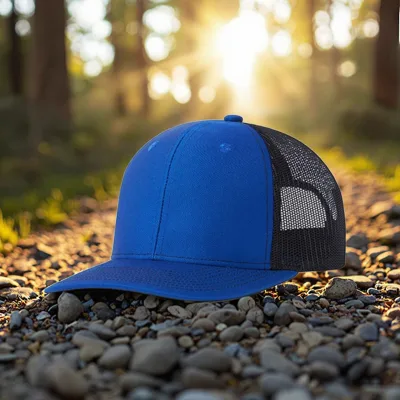
Customizable Cotton Sports Baseball Cap Custom Embroidery Logo Caps for Men
$0.55 - $3.88
MOQ: 25 Pieces


Comprehensive Sourcing Guide
Strategic Sourcing Guide for Embroidery Logo Satin Baseball Caps
Understanding Product Definitions and Material Composition
When sourcing "embroidery logo satin baseball caps," buyers must first reconcile the specific material requirements with the actual market offerings. The core keyword implies a satin finish, yet the available product data indicates a diverse range of material compositions, primarily Polyester/Cotton blends and 100% Cotton. While satin is a specific weave often associated with a glossy finish, the observed inventory frequently utilizes standard twill or cotton blends that may offer a smooth texture but differ from true satin. Buyers should verify the exact weave type during the sampling phase, as the term "satin" in marketing materials can sometimes be used loosely to describe a smooth, high-quality surface rather than a specific silk-like weave.
The observed product attributes highlight a strong emphasis on customization, with "Customized Services" explicitly listing "Add Logo" and "Custom Embroidered Logo" as primary features. The "Pattern Technology" section reveals two distinct methods: Silk Screen Printing and 3D Embroidery. For a product defined by "embroidery logo," the 3D Embroidery process is the most relevant technical specification, offering a raised, textured appearance that distinguishes the branding from flat printing. The "Logo Patten" field further confirms that embroidered, painted, and patched logos are available options, allowing for varied aesthetic outcomes.
Material selection is critical for durability and comfort. The data shows products ranging from Polyester/Cotton blends to 100% Cotton. The blend offers a balance of structure and breathability, while 100% Cotton provides a classic feel but may require more care to maintain shape. The "Special Features" observed include "Wrinkle Free," "Washable," "Sun Protection," and "Quick Dry," which are essential for outdoor travel and sports applications. Buyers must ensure that the chosen material composition aligns with the intended usage scenario, whether it is for promotional events, casual wear, or active sports, as the "Department" classification varies between "Sun Hat" and "Baseball Cap."
Technical Specifications and Dimensional Standards
Precision in sizing and construction is paramount for baseball cap procurement. The observed specifications indicate a standard head circumference range of 56-60cm, which covers the majority of adult users. This range is consistent across multiple product models, including PZM-1409, PZM-1882, PZM-1902, and others. However, buyers should not assume this is a universal standard for all suppliers, as some markets may offer extended sizing. The "Standard" field explicitly lists "56-60cm," reinforcing this as a common industry baseline for the observed inventory.
The physical construction of the cap involves specific components such as the "Crown" and "Brim." The data confirms that the products feature "With Crown" and "With Brim," which are fundamental structural elements. The "Style" is noted as "Striped" in some instances, while the "Pattern Theme" includes "Letter" designs, indicating that the visual design can vary significantly even within the same product category. The "Design" attribute mentions "Many Colors Unstructured Dad Hat," suggesting that the structural rigidity of the cap can be customized. Unstructured caps offer a softer, more casual look, whereas structured caps maintain a defined shape.
Packaging standards also vary by supplier and model. The observed "prod_packing" ranges from "25PCS/OPP Bag" to "Paper Box." The "Standard" for the paper box packaging is listed as 221212cm, providing a clear reference for logistics planning. For bulk orders, the "MOQ" is frequently set at "100 Pieces Per Color," which is a critical constraint for buyers managing inventory or launching new product lines. The "Production Time" is observed to be 7-15 days, while sample dates are typically 3-5 days. These timelines must be factored into the overall supply chain schedule to avoid delays in product launches.
Cost Drivers and Pricing Dynamics
The pricing landscape for embroidered logo baseball caps is influenced by several variable factors, including material composition, embroidery complexity, and order volume. The observed listed price range in USD spans from 0.55 to 6.5, a significant variance that reflects differences in quality, brand positioning, and production methods. The lower end of the spectrum likely corresponds to basic Polyester/Cotton blends with standard embroidery, while the higher end may involve premium 100% Cotton, complex 3D embroidery, or specialized packaging like paper boxes.
MOQ (Minimum Order Quantity) is a primary cost driver. The observed MOQ range is 5-500 pieces, with a specific high-confidence fact noting "100 Pieces Per Color." Orders falling below the per-color MOQ may incur higher unit costs or be subject to surcharges. Conversely, orders exceeding the standard MOQ may benefit from economies of scale, though the price per unit does not necessarily decrease linearly. Buyers should negotiate based on the total volume rather than just the per-color quantity to optimize costs.
Additional cost factors include the "Customization" options. Adding a logo, particularly via 3D Embroidery, incurs setup fees and potentially higher labor costs compared to standard production. The "Pattern Technology" of Silk Screen Printing is generally less expensive than 3D Embroidery, but the latter offers a premium aesthetic. The "Special Features" such as "Water Resistant," "UV Resistant," and "Antimicrobial" treatments also add to the production cost. Buyers must balance the desired features against the budget constraints, ensuring that the final product meets the quality expectations without exceeding the financial limits.
Compliance, Certification, and Quality Assurance
Ensuring compliance and quality is essential for B2B procurement, especially when dealing with textile products that may be subject to various international standards. The provided data includes a low-confidence mention of "BSCI" certification, which buyers should verify directly with the supplier rather than assuming its presence. BSCI (Business Social Compliance Initiative) is a common standard for ethical manufacturing, but without explicit confirmation, it should not be treated as a guaranteed attribute of the product.
Quality control should focus on the integrity of the embroidery and the durability of the materials. The "Special Features" list includes "Washable" and "Wrinkle Free," which are critical for maintaining the product's appearance after use. Buyers should request test results or samples that demonstrate the cap's resistance to fading, shrinkage, and deformation. The "Material" composition, whether Polyester/Cotton or 100% Cotton, must be verified to ensure it matches the ordered specifications. Discrepancies in material content can lead to significant quality issues and customer dissatisfaction.
The "Standard" field for the product model PZM-1409 and others lists "56-60cm," which serves as a dimensional benchmark. However, buyers should also verify the "prod_standard" for packaging and other physical attributes. The "Location" of production is noted as "China" and "Baoding," which can influence shipping costs and lead times. While these locations are known for textile manufacturing, buyers should conduct due diligence on the specific factory's reputation and compliance history.
Supplier Evaluation and Selection Criteria
Selecting the right supplier requires a thorough evaluation of their capabilities, reliability, and alignment with the buyer's needs. The observed product models, such as PZM-1409, PZM-1882, and YKH-X-24072916, indicate a diverse portfolio of designs and specifications. Buyers should assess the supplier's ability to handle the "Customized Services" requested, particularly the "Add Logo" and "Custom Embroidered Logo" options. The "Logo Patten" field suggests that suppliers should be capable of handling embroidered, painted, and patched logos, requiring a versatile production setup.
The "Production Time" of 7-15 days and "Sample Date" of 3-5 days are key performance indicators for supplier efficiency. Buyers should verify these timelines against their own project schedules to ensure timely delivery. The "MOQ" of 100 pieces per color is a standard constraint, but some suppliers may offer flexibility for smaller orders at a higher cost. Evaluating the supplier's responsiveness to sample requests and their ability to provide accurate quotes is crucial.
Geographic location is another factor to consider. The "prod_origin" is listed as "China" and "Baoding," which are major textile hubs. Buyers should consider the logistical implications of sourcing from these locations, including shipping costs, customs duties, and lead times. The "prod_packing" options, ranging from OPP bags to paper boxes, should be evaluated based on the buyer's retail or distribution requirements. A supplier that offers flexible packaging solutions can add significant value to the procurement process.
Typical Applications and Market Positioning
The versatility of embroidered logo baseball caps makes them suitable for a wide range of applications. The "Usage Scenario" is explicitly listed as "Outdoor Travel," while the "Hat Occasion" includes "Travel, Casual, Outdoor, Sports." This broad applicability allows buyers to target diverse market segments, from promotional campaigns to retail fashion lines. The "Department" classification of "Sun Hat" and "Baseball Cap" further highlights the product's dual nature, serving both functional and stylistic purposes.
The "Special Features" such as "Sun Protection," "UV Resistant," and "Breathable" make these caps ideal for outdoor activities. The "Season" attributes, including "Spring / Autumn," "Winter," and "Summer," indicate that the product can be marketed year-round, depending on the material and design. The "Gender" is listed as "Unisex," and the "Applicable User" is "Adults," suggesting a broad target audience. The "Design" attribute of "Many Colors Unstructured Dad Hat" appeals to fashion-conscious consumers who prefer a casual, relaxed look.
Promotional use is a significant application area, as indicated by the "Usage" field listing "Promotion, Gift, Depration, etc." The ability to add a custom logo makes these caps an effective tool for brand visibility. The "Keyword" "Contrast Color Dad Hat" suggests a trend towards bold, eye-catching designs that stand out in crowded markets. Buyers should align their product selection with current fashion trends and consumer preferences to maximize market penetration.
Long-Term Procurement Considerations
Sourcing embroidered logo satin baseball caps requires a long-term perspective that encompasses supply chain stability, quality consistency, and adaptability to market changes. The "Production Time" and "Sample Date" are critical factors in maintaining a steady flow of inventory. Buyers should establish strong relationships with suppliers to ensure consistent lead times and reliable production schedules. The "MOQ" constraints should be managed carefully to avoid overstocking or stockouts.
Quality control must be an ongoing process, not a one-time check. Regular inspections of the "Material," "Pattern Technology," and "Special Features" are necessary to maintain product standards. The "Standard" for dimensions and packaging should be strictly adhered to, with any deviations addressed immediately. Buyers should also monitor the "Location" and "prod_origin" for any changes that could impact logistics or compliance.
As market trends evolve, the ability to customize designs and features will become increasingly important. The "Customization" and "Customized Services" offered by suppliers should be leveraged to create unique products that differentiate the buyer's brand. The "Pattern Theme" and "Design" options provide opportunities for innovation, allowing buyers to stay ahead of the competition. By focusing on these long-term considerations, buyers can build a robust and sustainable procurement strategy for embroidered logo baseball caps.
FAQs
What materials are used for embroidery logo satin baseball caps?
The caps are primarily made from Polyester/Cotton blends or 100% Cotton. Buyers should verify the exact weave type during sampling as the term satin may describe a smooth texture rather than a specific silk-like weave.
How can I customize the logo on these baseball caps?
Customization is available with options for embroidered, painted, or patched logos. The production process supports both Silk Screen Printing and 3D Embroidery to achieve the desired raised or flat aesthetic for your brand.
What is the minimum order quantity for these caps?
The standard minimum order quantity is 100 pieces per color. Some suppliers may offer ranges between 5 and 500 pieces, but orders below the per-color MOQ might incur higher unit costs or surcharges.
How long does production take for custom orders?
Production time typically ranges from 7 to 15 days after sample approval. Sample dates are usually 3 to 5 days, so buyers must factor these timelines into their overall supply chain schedule for timely delivery.
Which sizes are available for adult baseball caps?
The standard head circumference size is 56-60cm, covering the majority of adult users. This dimension is consistent across multiple product models, though buyers should verify specific sizing with the supplier for extended ranges.
Can these caps be used for outdoor travel and sports?
Yes, the caps feature special attributes like sun protection, UV resistance, and breathability suitable for outdoor travel and sports. They are designed for casual, outdoor, and sports occasions with unisex appeal for adults.