Source Embroidery Bucket Hat for Fashion, Sun Protection, and Custom Branding
Find 30 Embroidery Bucket Hat options from China suppliers. Compare polyester and cotton styles with 3D or flat embroidery, adjustable fits, and OEM/ODM customization for fashion, sun protection, and promotional use; compare the available evidence and request quotations based on your requirements.
Key considerations
Products List

$1.05 - $2.45
MOQ: 200 Pieces




Comprehensive Sourcing Guide
Embroidery Bucket Hat Sourcing Guide
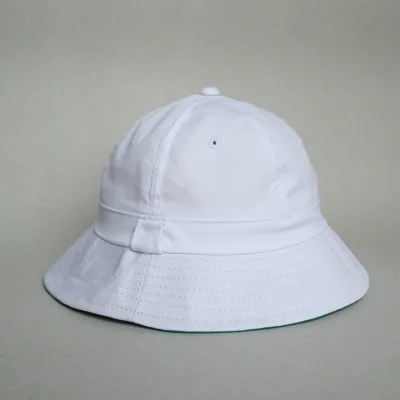
Buyers must first distinguish between the specific construction types available in the current market, as the data reveals a mix of "With Crown" and "Without Crown" variations alongside standard bucket hat shapes. While the core keyword focuses on embroidery bucket hats, the observed listings include diverse styles such as baseball caps and trucker hats, requiring precise filtering to ensure the final product matches the intended silhouette. This distinction is critical because a "Without Crown" design fundamentally alters the hat's structure and functionality compared to a traditional six-panel construction.
Procurement teams should also verify the material composition, as the supply chain presents conflicting data points between 100% cotton and polyester options. The presence of both materials suggests that suppliers may offer different tiers of quality or price points, necessitating a clear specification in the purchase order to avoid receiving the wrong fabric blend. Buyers must explicitly state whether they require the moisture-wicking properties of polyester or the natural breathability of cotton to align with the target season and user demographic.
Product Scope and Observed Listing Signals
The observed product range indicates a high degree of customization, with suppliers offering OEM and ODM services that allow for tailored patterns, colors, and logos. The data confirms that "Customized" colors and "Letter" pattern themes are available, alongside specific embroidery technologies like 3D and flat embroidery, which significantly impact the visual depth and texture of the final design. This flexibility allows brands to create unique identities, but it also requires detailed artwork files to ensure the embroidery process translates the design accurately onto the fabric.
Seasonal versatility is another key signal, with listings covering Winter, Summer, and Spring/Autumn applications, suggesting that the product line includes various weight and feature combinations. Some items feature specialized attributes like "Ponytail Hole," "Sun Protection," and "Water Resistant" finishes, which expand the utility beyond basic headwear into functional outdoor gear. Buyers should evaluate which specific features are essential for their market, as the inclusion of "Rechargeable" or "Music" capabilities implies a more complex, high-tech product category that may require different supply chain partners.
Technical Specifications to Verify
Size standardization is a primary technical hurdle, as the data presents a wide array of sizing metrics ranging from specific centimeter measurements like 56-60cm to complex fractional US and UK sizes. The presence of both "Metric Size" lists and "USA Size" fractions indicates that suppliers may use different grading systems, requiring buyers to confirm the exact sizing chart used for production to prevent fit issues. A mismatch in size definitions can lead to significant returns, so verifying the specific size standard against the target market's expectations is a mandatory step before finalizing the order.
Construction details regarding the crown and brim must be explicitly defined, as the listings show products with "With Crown" and "Without Crown" options, alongside specific brim configurations. The "Shape" attribute lists "Bucket Hat" alongside "Baseball Caps" and "Trucker Caps," meaning the term "bucket hat" in a search result does not guarantee a uniform structure across all suppliers. Buyers must specify the exact crown height, brim width, and whether the hat is foldable or reversible to ensure the physical dimensions meet the design requirements and functional needs of the end user.
Compliance and Safety Documentation
Safety and material compliance are critical, particularly given the mention of "Eco-Friendly" and "Azo-Free" features in the product attributes. While these terms suggest adherence to environmental and chemical safety standards, buyers must request specific test reports to verify that the dyes and finishes used in the embroidery and fabric treatment meet the regulatory requirements of their destination markets. Relying on general claims without documented proof can lead to customs delays or product recalls, especially in regions with strict regulations regarding textile chemicals and heavy metals.
Packaging and labeling standards also require verification, as the observed data includes diverse packing methods ranging from simple cartons to complex sets involving laser labels and paper boxes. The "prod_standard" field lists dimensions like 13x19x15cm and 15x20x20, which likely refer to packaging rather than the hat itself, yet these dimensions impact shipping costs and storage efficiency. Buyers should confirm that the packaging includes necessary compliance labels, such as care instructions and country of origin markings, to ensure the product is ready for retail display and meets local import regulations.
Cost Drivers and Commercial Terms
The observed price range of 0.35 to 6.5 USD indicates a wide variance driven by material quality, embroidery complexity, and the level of customization required. High-end features like 3D embroidery, "Rechargeable" components, or specialized "Water Resistant" treatments will push the unit cost toward the upper end of this spectrum, while basic cotton or polyester options with flat embroidery remain at the lower end. Understanding these cost drivers is essential for budgeting, as the final price is heavily dependent on the specific combination of materials and technical features selected for the order.
Minimum Order Quantities (MOQ) vary significantly from 10 to 2500 units, reflecting the flexibility of different suppliers and the complexity of their production lines. Lower MOQs are often available for standard items with limited customization, whereas high-volume orders with complex OEM designs may require larger commitments to justify the setup costs for tooling and pattern creation. Buyers must negotiate terms that balance their inventory needs with cash flow, ensuring that the MOQ aligns with their sales forecast to avoid overstocking or incurring excessive per-unit costs.
Supplier Qualification and Quality Control
Supplier location and origin are key factors, with the data pointing to production in China and specific regions like Baoding, which may influence logistics and communication efficiency. Buyers should verify the supplier's capacity to handle the specific production volume and lead times required, as the "prod_model" codes suggest a large inventory of distinct SKUs that may complicate order tracking. Establishing a clear communication channel and understanding the supplier's production schedule is vital to ensure timely delivery and to manage any potential delays in the supply chain.
Quality control protocols must be rigorous, especially given the diverse "Special Features" listed, such as "Wrinkle Free," "Lightweight," and "Game Used" finishes. Buyers should implement a pre-shipment inspection plan that specifically tests for the durability of the embroidery, the integrity of the "Water Resistant" coating, and the accuracy of the "Customized" colors. Since the product attributes include "Adjustable" and "Not Adjustable" options, verifying the functionality of the closure mechanisms and the consistency of the sizing across the batch is essential to maintain brand reputation.
Long-Term Procurement Checks
Sustainability and material consistency are long-term priorities, as the market shows a mix of "Eco-Friendly" claims and standard synthetic materials. Buyers should establish a policy for regular material audits to ensure that the "100% Cotton" or "Polyester" blends remain consistent over time and that any "Azo-Free" or "Eco-Friendly" certifications are maintained throughout the production lifecycle. This proactive approach helps mitigate the risk of supply chain disruptions and ensures that the brand's environmental commitments are met consistently across all future orders.
Product evolution and feature updates should be monitored, as the current listings include advanced features like "Music," "Smart," and "Rechargeable" capabilities that may become standard in the future. Buyers need to maintain a flexible relationship with suppliers to adapt to these technological advancements and shifting consumer preferences, ensuring that the product line remains competitive. Regular reviews of the "Pattern Technology" and "Style" trends will help identify opportunities to innovate, such as adopting new embroidery techniques or integrating smart textiles, to keep the product offering relevant in a dynamic market.
FAQs
What materials are used for embroidery bucket hats?
These hats are made from polyester or 100% cotton materials. The fabric choices allow for durable construction while supporting various customization needs for different buyer requirements.
Can I customize the size of the Embroidery Bucket Hat?
Yes, you can request custom sizes ranging from 54cm to 64cm or specific USA and UK measurements. Standard options include 56-60cm, but tailored dimensions are available for bulk orders.
Which embroidery technologies are available for these hats?
The hats feature 3D embroidery or flat embroidery pattern technologies. These methods ensure high-quality designs that remain durable and visually appealing on the fabric surface for long-term use.
How does the customization process work for buyers?
Buyers can utilize OEM and ODM services to create unique designs. Customization includes adding logos, selecting colors, and choosing specific patterns like letters or stripes to match brand identity.
What special features do these hats offer?
Features include sun protection, water resistance, and moisture-wicking capabilities. Some models also offer lightweight construction, adjustable fits, and antimicrobial properties to enhance comfort during various seasonal activities.
Where are these embroidery bucket hats manufactured?
The products originate from China, with specific production locations including Baoding. This ensures access to established manufacturing networks capable of handling large volume orders efficiently.
What are the packaging options for bulk orders?
Packaging varies from simple cartons to detailed sets including tags, plastic trays, and paper boxes. Specific dimensions like 13x19x15cm or 15x20x20cm are used depending on the product model selected.