Source Emergency Rescue Spine Board with 3pcs Black Belts for Ambulance, Fire, and EMS
Find and compare 30 Emergency Rescue Spine Board with 3pcs Black Belts from verified Chinese manufacturers. Evaluate options based on material, size, and certification to select the right immobilization equipment for your procurement needs.
Key considerations
Products List
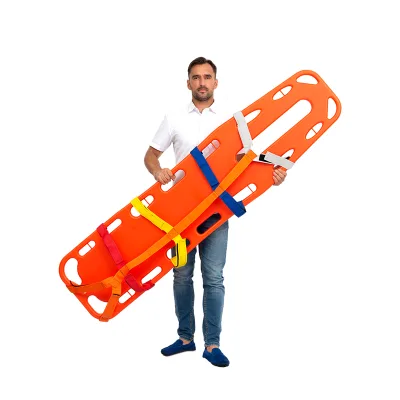
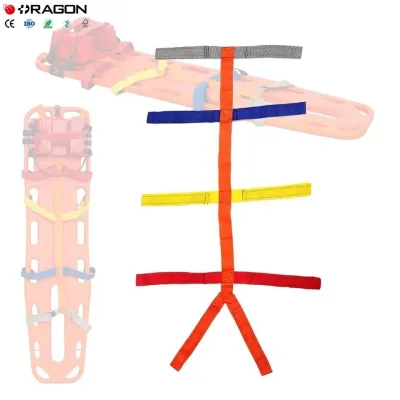
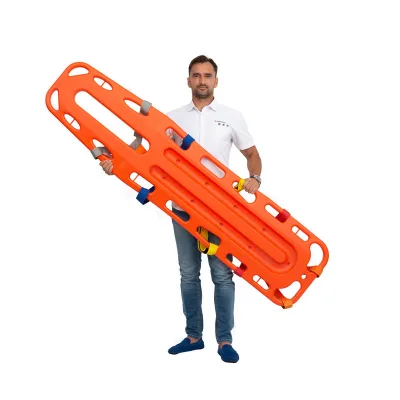
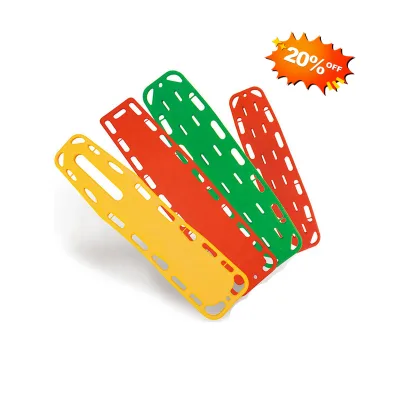
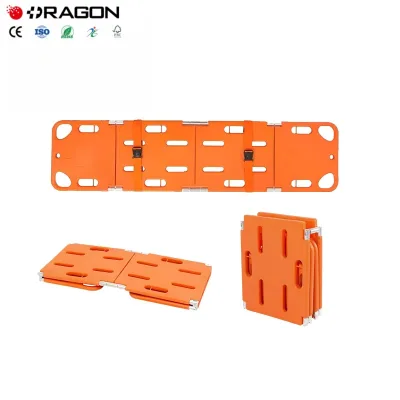


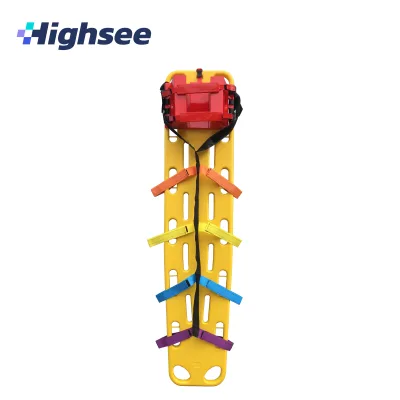
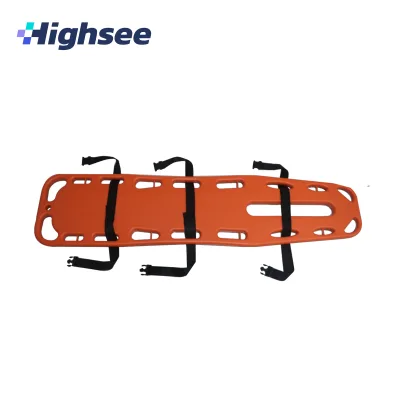
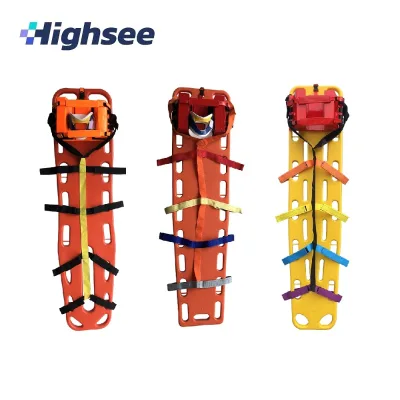
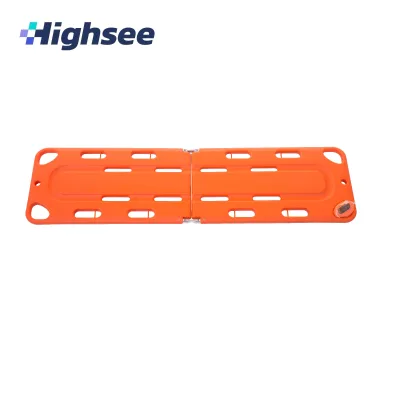
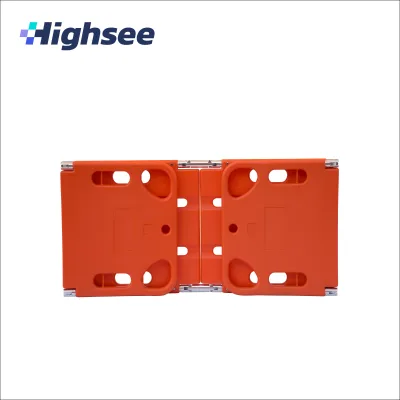
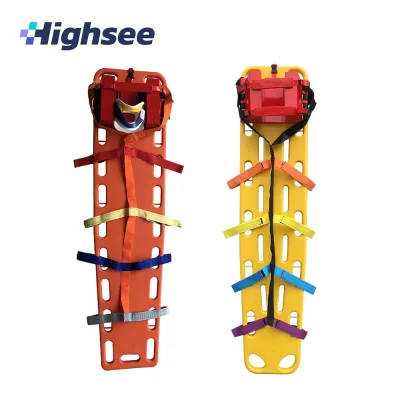
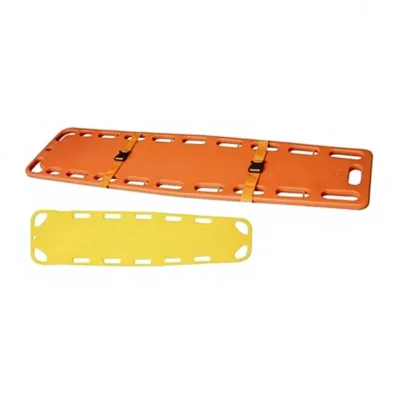


Comprehensive Sourcing Guide
Emergency Rescue Spine Board with 3pcs Black Belts Sourcing Guide
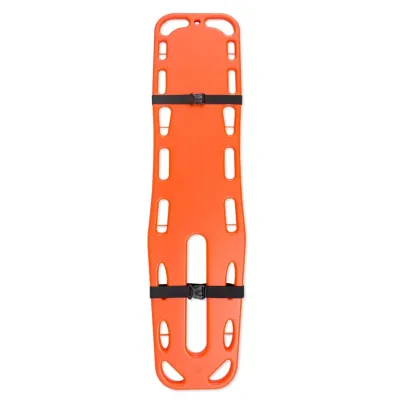
Procuring emergency rescue spine boards requires a precise understanding of the distinction between rigid immobilization devices and flexible extraction tools. The core keyword highlights a specific configuration: a spine board equipped with three black belts. In the context of medical rescue equipment, this typically refers to a vacuum mattress or a flexible spine board designed for patient stabilization during transport. Buyers must recognize that "spine board" is often used interchangeably with "backboard" or "immobilization device," but the inclusion of belts suggests a focus on securing the patient to the device rather than just the board itself. The presence of three belts indicates a standard tri-point restraint system, which is critical for preventing patient movement during ambulance transit or rough terrain extraction. Understanding this functional nuance is the first step in defining accurate technical requirements and avoiding miscommunication with suppliers who may list generic backboards without the necessary restraint hardware.
The sourcing landscape for these devices is dominated by manufacturers in China, particularly in regions like Jiangsu, which is a known hub for medical and first-aid equipment production. Suppliers in this region often offer a wide range of models, from basic plastic boards to more advanced PE (Polyethylene) or vacuum-based systems. The observed market signals indicate a high volume of listings, with supply abilities reaching up to 1,000 pieces per month for individual suppliers. This suggests a mature supply chain capable of handling bulk orders for hospitals, emergency medical services (EMS), and industrial safety departments. However, the diversity of models, such as DW-SP01, SP01, and DW-PE002, means that buyers must carefully cross-reference model numbers with physical specifications to ensure they are sourcing the correct type of immobilization device for their specific operational needs.
Product Scope and Observed Listing Signals
The product scope for emergency rescue spine boards with belts encompasses various materials and designs, primarily categorized by their rigidity and weight. Observed listings reveal a mix of materials, including PP (Polypropylene) webbing for strap components and PE (Polyethylene) or plastic for the board structure. For instance, some models are described as having a PP webbing material, which is commonly used for the straps themselves due to its durability and resistance to tearing, while the board may be constructed from rigid plastic or PE foam. The size specifications vary significantly, with some boards measuring 184456 cm, which is a standard full-length spine board size, while others are smaller, such as 112*5 cm, which may be designed for pediatric use or confined space extraction. Buyers should note that the term "Spider Strap" appears in some listings, which may refer to a specific type of multi-point restraint system or a branded accessory, requiring clarification to ensure it meets the requirement for three-point belt fixation.
Listing signals also highlight variations in packaging and logistics, which impact the total cost of ownership. Single package sizes range from compact 30X20X10 cm boxes for smaller accessories to large 184X45X6.5 cm cartons for full-sized boards. The gross weight of these items is a critical factor for shipping calculations, with single units weighing between 3.000 kg and 9.000 kg depending on the material density and size. Packaging details often specify 1PC/CTN for larger boards, indicating that they are shipped individually to prevent damage, while smaller items might be packed in bulk, such as 1000PC/CTN for straps or accessories. These logistical details are essential for procurement teams to estimate freight costs and storage requirements, especially when ordering from international suppliers where shipping volume and weight directly influence the final landed cost.
Technical Specifications to Verify
When verifying technical specifications, the primary focus should be on the board's dimensions, material composition, and the configuration of the restraint system. The standard full-length spine board, often measuring 184456 cm, is designed to immobilize the entire spine of an adult patient. Buyers must confirm whether the board is rigid or flexible, as this affects its application in different rescue scenarios. Rigid boards are typically used for extrication from vehicles or confined spaces, while flexible boards or vacuum mattresses are preferred for patient comfort during transport. The material specification is crucial; PE (Polyethylene) boards are lightweight and durable, making them suitable for frequent use, whereas plastic boards may be more cost-effective but less durable. Additionally, the presence of three black belts must be verified, as some listings may include straps as accessories rather than integrated components, requiring separate procurement or assembly.
Another critical technical aspect is the single package size and the overall weight of the unit, which impact handling and storage. For example, a board with a single package size of 180X50X10 cm and a gross weight of 9.000 kg requires specific handling equipment and storage space. Buyers should also verify the model number, such as DW-PE001/2/6, to ensure compatibility with existing equipment or protocols. The power source is listed as "Manual," which is expected for these devices, but buyers should confirm that the belts are made from high-strength materials like PP webbing to withstand the stress of patient restraint. Furthermore, the color of the belts and board may be customizable, with options for custom colors, which can be important for branding or visibility in emergency situations. Ensuring that the technical specifications align with operational requirements is vital to avoid purchasing equipment that is unsuitable for the intended rescue tasks.
Compliance and Safety Documentation
Compliance and safety documentation are non-negotiable for emergency rescue equipment, as these devices are used in life-critical situations. The observed listings indicate that many suppliers provide CE certification, which is a mandatory conformity marking for products sold within the European Economic Area. Buyers should request copies of the CE certificates to verify that the spine boards meet the relevant European standards for medical devices or general product safety. Additionally, some listings mention ISO certification, which suggests that the manufacturer adheres to international quality management standards. However, buyers must distinguish between product-specific certifications and general company certifications, as ISO certification does not automatically guarantee that every product batch meets safety requirements. It is essential to verify that the specific model being purchased has been tested and certified for its intended use in emergency rescue scenarios.
Beyond certifications, buyers should inquire about the safety standards applied to the materials used in the spine boards and belts. The listings mention "other" as a safety standard, which is vague and requires clarification. Buyers should ask for specific test reports or compliance statements regarding the flammability, toxicity, and durability of the materials. For instance, the PP webbing used for belts should be resistant to tearing and UV degradation, ensuring long-term reliability. The plastic or PE material of the board should be non-toxic and easy to clean and disinfect, which is crucial for infection control in medical settings. Buyers should also verify the shelf life of the product, which is listed as 1 to 3 years in some listings, to ensure that the equipment remains effective over time. Understanding the compliance landscape helps buyers mitigate legal and operational risks associated with using non-compliant rescue equipment.
Cost Drivers and Commercial Terms
Cost drivers for emergency rescue spine boards include material quality, manufacturing complexity, and order volume. The observed price range of 3-110 USD suggests a wide variation in product quality and features. Lower-priced items may be basic plastic boards with minimal features, while higher-priced items could include advanced materials, ergonomic designs, or integrated restraint systems. The MOQ (Minimum Order Quantity) varies significantly, with some suppliers requiring as few as 10 pieces, while others demand 100 pieces. This flexibility allows buyers to test samples or order small quantities for initial deployment, but bulk orders may offer better unit prices. Buyers should consider the total cost of ownership, including shipping, customs duties, and potential replacement costs, rather than just the unit price.
Commercial terms such as warranty, after-sale service, and payment terms also impact the overall cost. Most suppliers offer a 1-year warranty and online technical support, which provides some assurance of product quality and availability of assistance. However, buyers should clarify the terms of the warranty, including what is covered and the process for claims. The supply ability of 1,000 pieces per month indicates that suppliers can handle moderate to large orders, but buyers should confirm lead times to ensure timely delivery. Additionally, the port of dispatch, typically Shanghai Port, is a major logistics hub, which may offer competitive shipping rates. Buyers should negotiate clear commercial terms, including payment methods, delivery schedules, and return policies, to protect their interests and ensure a smooth procurement process.
Supplier Qualification and Quality Control
Supplier qualification is a critical step in ensuring the reliability and quality of emergency rescue spine boards. Buyers should verify the supplier's business license, manufacturing capabilities, and quality management systems. Many suppliers are located in Jiangsu, China, a region known for its manufacturing expertise, but buyers should conduct due diligence to confirm the supplier's legitimacy and track record. Requesting references or case studies from previous clients can provide insights into the supplier's performance and reliability. Additionally, buyers should assess the supplier's ability to provide OEM and ODM services, as this may be important for customizing products with specific logos or designs. The acceptance of customized logos and colors indicates flexibility, but buyers should ensure that customization does not compromise the product's safety or functionality.
Quality control measures should be established to ensure that the delivered products meet the specified standards. Buyers should request product samples for inspection before placing bulk orders, checking for defects in materials, construction, and functionality. Implementing a pre-shipment inspection process can help identify and rectify issues before the goods are dispatched. Buyers should also verify the packaging details to ensure that the products are protected during transit, preventing damage that could render them unusable in an emergency. Establishing a clear quality assurance protocol, including acceptance criteria and rejection procedures, is essential for maintaining high standards. Regular communication with the supplier regarding quality feedback and continuous improvement can help build a strong partnership and ensure consistent product quality over time.
Long-Term Procurement Checks
Long-term procurement checks involve monitoring supplier performance, product durability, and market trends to ensure ongoing value and reliability. Buyers should establish a periodic review process to assess the supplier's adherence to quality standards, delivery schedules, and customer service. Tracking key performance indicators (KPIs) such as defect rates, on-time delivery, and response time to issues can provide objective data for supplier evaluation. Additionally, buyers should stay informed about advancements in rescue equipment technology and materials, which may offer improved performance or cost savings. Regularly reviewing the shelf life and warranty terms of the products can help manage inventory and replacement cycles effectively.
Furthermore, buyers should consider the scalability of their procurement strategy to accommodate future needs. As demand for emergency rescue equipment may fluctuate, maintaining a relationship with multiple qualified suppliers can provide flexibility and reduce risk. Exploring opportunities for volume discounts or long-term contracts can also help optimize costs. Buyers should also engage in continuous feedback loops with end-users, such as EMS personnel, to gather insights on product performance and identify areas for improvement. By proactively managing these long-term aspects, buyers can ensure that their procurement of emergency rescue spine boards with belts remains aligned with operational requirements and budget constraints, ultimately supporting effective emergency response capabilities.
FAQs
What is the shelf life of the emergency rescue spine board?
The shelf life is 3 years for the Spider Strap model and 1 year for the Spine Board Medical model. This duration depends on the specific product type and material composition, such as PP webbing or PE plastic, used in the manufacturing process.
Which certifications do the emergency rescue spine boards hold?
The products hold CE certification and some listings mention CE ISO quality certification. These certifications indicate compliance with specific safety standards required for Class I medical instruments used in emergency rescue scenarios.
Can I customize the logo on the emergency rescue spine board?
Yes, customized logos are accepted for the Spine Board Medical product. The supplier also supports OEM and ODM services, allowing buyers to request specific branding or design modifications for their procurement needs.
What is the minimum order quantity for the emergency rescue spine board?
The minimum order quantity varies by product, ranging from 10 pieces to 100 pieces. Specific models like the Spider Strap require 10 pieces, while other listings indicate a requirement of 100 pieces for certain configurations.
How is the emergency rescue spine board packaged for shipping?
Packaging details vary by model, with options including 1000 pieces per carton or 1 piece per carton. The single package sizes range from 30x20x10 cm to 184x45x6.5 cm depending on the specific product dimensions and type.
Where are the emergency rescue spine boards manufactured?
The products originate from China, specifically from locations such as Jiangsu. This origin information is consistent across the listed models and is a key factor for logistics planning and supply chain management.
What is the supply ability for the emergency rescue spine board?
The supply ability is 1000 pieces per month for the listed products. This capacity ensures a steady flow of goods for buyers requiring consistent inventory levels for emergency rescue operations and medical supply needs.