Source Emergency Stopping Switch for Conveyor and Industrial Use
Find and compare 11 Emergency Stopping Switch options for belt conveyors, industrial machinery, and safety systems. Review specifications like IP67 protection, CE certification, and pull cord or button actuation to select the right device for your operational needs; compare the available evidence and request quotations based on your requirements.
Key considerations
Products List


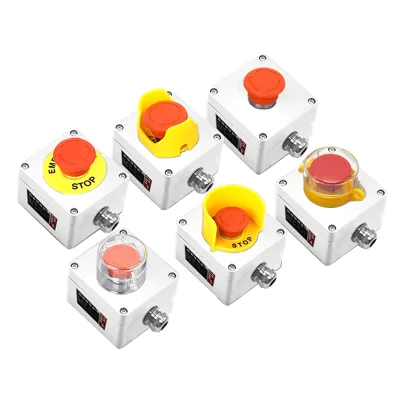

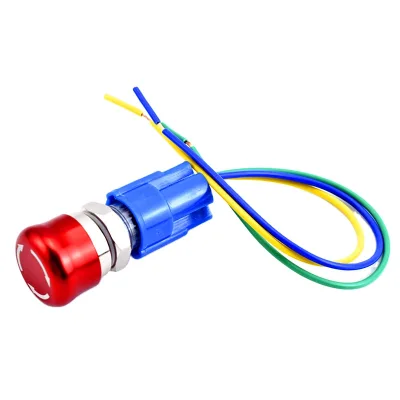

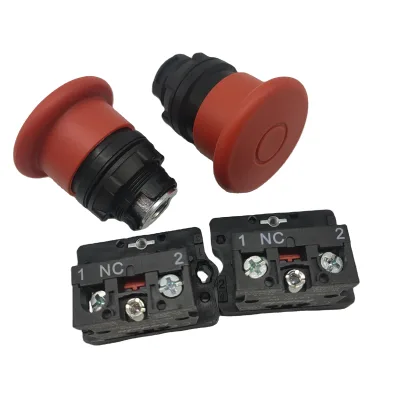
Comprehensive Sourcing Guide
Emergency Stopping Switch Sourcing Guide
Procuring emergency stopping switches requires a disciplined approach to safety-critical component selection, ensuring that every unit meets rigorous operational and regulatory standards. These devices serve as the final line of defense in industrial machinery, designed to halt hazardous motion immediately upon activation. Buyers must prioritize components that offer reliable manual reset mechanisms and high mechanical durability, as failure in these moments can lead to severe operational downtime or personnel injury. The selection process begins with understanding the specific environmental conditions and electrical loads the switch will encounter, ensuring compatibility with existing control systems.
The market offers a variety of configurations, including pull cord switches, belt sway switches, and explosion-proof buttons, each tailored to distinct industrial applications. For instance, pull cord switches are often utilized in conveyor systems where immediate access to the stop function is required along the length of the equipment. Similarly, belt sway switches provide protection against belt misalignment, while explosion-proof variants are essential for hazardous environments containing flammable gases or dust. Understanding these distinct product scopes allows procurement teams to match the correct device type to the specific hazard profile of their facility, avoiding costly mismatches between safety requirements and equipment capabilities.
Product Scope and Observed Listing Signals
Current market listings indicate a diverse range of emergency stop solutions, with observed price points ranging from approximately $1.20 to $62.72 USD. This wide variance reflects differences in material quality, certification levels, and specialized features such as explosion-proof ratings or custom branding. Minimum order quantities typically range from one to ten units, suggesting that suppliers are flexible for both prototype testing and small-batch production runs. Buyers should note that lower price points may correspond to standard models with basic certifications, while higher-priced items often include specialized materials like cast aluminum alloy or advanced sealing technologies for harsh environments.
The observed product attributes reveal a strong emphasis on durability and environmental resistance. Many listed units feature an IP67 or IP65 protection level, ensuring resistance to dust and temporary water immersion, which is critical for outdoor or washdown applications. Electrical life expectations often exceed 100,000 operations, indicating robust internal contact mechanisms designed for frequent use. Additionally, customization options are widely available, allowing buyers to specify colors, such as yellow for high visibility, or to request OEM design services for branded safety equipment. These signals suggest a mature supply chain capable of meeting both standard and bespoke industrial safety needs.
Technical Specifications to Verify
When evaluating technical specifications, buyers must verify the electrical rating and contact configuration to ensure compatibility with their control circuits. Common ratings include AC380V at 5A or DC24V at 5A, with some units supporting higher currents up to 10A. The pole configuration is typically single-pole, but the output mode may vary, such as 2×Spdt (Single Pole Double Throw) for more complex circuit breaking requirements. It is crucial to confirm the action force, which often ranges between 70 to 100 Newtons, ensuring the switch can be activated quickly even by personnel wearing protective gloves or in stressful situations.
Environmental operating limits are another critical verification point. Units should be rated for ambient temperatures between -40°C and 50°C, and relative humidity up to 95%, ensuring reliability in extreme climates. For hazardous areas, the explosion-proof mark, such as Ex de IIC T6 Gb, must be explicitly confirmed to match the classified zone of the installation site. Additionally, verify the mechanical adjustment range and limit angles, which typically allow for 20° to 30° adjustment with a 75° limit, ensuring proper alignment and actuation. Cable outer diameter specifications, often 10-15mm, must also be checked to ensure proper strain relief and sealing integrity.
Compliance and Safety Documentation
Compliance with international safety standards is non-negotiable for emergency stopping switches. Buyers must request valid certification documents, such as CE and ISO marks, which indicate adherence to European safety directives and international quality management systems. The presence of these certifications suggests that the manufacturer has undergone rigorous testing for electrical safety, mechanical durability, and environmental resistance. However, buyers should verify that the certifications are current and specific to the model number being purchased, as generic certificates may not cover all variants in a product line.
In addition to general certifications, specific application standards must be considered. For machinery safety, compliance with IEC 60204-1 is often required, which outlines electrical equipment of industrial machines. Buyers should also check for usage categories, such as AC-15 and DC-13, which define the switching capacity for inductive loads. For explosive atmospheres, documentation must confirm compliance with relevant ATEX or IECEx standards, depending on the region of operation. Ensuring that all safety documentation is complete and verifiable protects the buyer from liability and ensures that the installed equipment meets legal safety obligations in their jurisdiction.
Cost Drivers and Commercial Terms
Several factors influence the final cost of emergency stopping switches, with material composition being a primary driver. Units constructed from cast aluminum alloy or high-grade metal typically command higher prices due to superior durability and heat dissipation properties compared to plastic alternatives. The inclusion of specialized features, such as explosion-proof housing or custom branding, also adds to the cost. Buyers should evaluate the total cost of ownership, considering that higher-quality components with longer mechanical lives may reduce maintenance and replacement costs over time, offering better value despite a higher initial investment.
Commercial terms, including packaging and shipping, also impact the overall procurement budget. Products are often packed in cartons, wooden boxes, or customized packaging to ensure safe transit, which can affect shipping costs for bulk orders. Lead times and minimum order quantities vary by supplier, with some offering flexible MOQs for quick delivery while others require larger batches for cost efficiency. Buyers should negotiate clear terms regarding warranty periods and return policies, especially for customized or high-value units. Understanding these commercial dynamics helps in budgeting accurately and selecting suppliers who offer the best balance of price, quality, and service terms.
Supplier Qualification and Quality Control
Supplier qualification is a critical step in ensuring the reliability of safety-critical components. Buyers should verify the supplier’s manufacturing capabilities, including their ability to produce consistent quality across batches. Look for suppliers who offer OEM design services, indicating a higher level of engineering expertise and customization capability. It is also important to check the supplier’s location, with many reputable manufacturers based in industrial hubs like Zhejiang, China, known for their electronics and machinery component production. Establishing a direct relationship with the manufacturer can facilitate better communication regarding technical specifications and quality expectations.
Quality control processes should be clearly defined and agreed upon before placing orders. Buyers should request information on incoming material inspections, in-process quality checks, and final product testing. Suppliers with robust QC systems will provide detailed inspection reports and test data for each batch. Additionally, consider the supplier’s after-sales service, including technical support and responsiveness to quality issues. A supplier that stands behind their product with reliable support is essential for maintaining operational safety and minimizing downtime in the event of a product defect or installation issue.
Long-Term Procurement Checks
Long-term procurement success depends on establishing a systematic approach to monitoring supplier performance and product reliability. Buyers should implement a regular review process to assess the quality of incoming shipments, tracking any defects or failures in the field. This data can be used to negotiate better terms or switch suppliers if quality issues persist. Additionally, stay updated on changes in safety regulations and standards, ensuring that existing and future purchases remain compliant with the latest requirements. Proactive engagement with suppliers regarding product updates or improvements can also help in maintaining a competitive and safe operational environment.
Finally, maintain a comprehensive inventory of safety documentation and certification records for all installed emergency stopping switches. This includes keeping copies of CE, ISO, and explosion-proof certificates, as well as technical datasheets and installation manuals. Regular audits of these records ensure that the facility remains compliant during regulatory inspections. By maintaining detailed records and fostering strong supplier relationships, buyers can ensure the long-term reliability and safety of their emergency stopping systems, protecting both personnel and assets from potential hazards.
FAQs
What certifications do emergency stopping switches typically have?
Emergency stopping switches commonly hold CE and ISO certifications to ensure compliance with international safety standards. These credentials verify that the devices meet rigorous electrical and mechanical requirements for industrial environments. Buyers should verify specific certification documents with suppliers to confirm suitability for their regional regulatory frameworks and operational safety protocols.
Can emergency stopping switches be customized for specific applications?
Yes, many emergency stopping switches offer customization options to fit unique industrial needs. Manufacturers provide services such as OEM design and tailored packaging solutions like wooden boxes or cartons. This flexibility allows buyers to specify product models, colors, and operational parameters to align precisely with their machinery requirements and facility standards.
What is the electrical life expectancy of these switches?
The electrical life expectancy of these switches is typically greater than 100,000 operations. This durability ensures reliable performance in high-frequency industrial settings. Mechanical life may vary by model, but robust construction supports long-term use. Buyers should consider this metric when planning maintenance schedules and evaluating the total cost of ownership for their automated systems.
Which specifications define the contact rating for these devices?
Contact ratings for these devices often include AC380V at 5A and DC24V at 5A. These specifications define the maximum electrical load the switch can safely handle during operation. Understanding these limits is crucial for matching the switch to the correct control circuit voltage and current requirements in industrial automation and conveyor protection systems.
How does the IP67 rating affect switch performance?
An IP67 rating ensures the switch is dust-tight and protected against temporary immersion in water. This protection level makes the device suitable for harsh industrial environments where moisture, dust, or cleaning agents are present. It guarantees reliable operation and prevents electrical failure due to environmental exposure, extending the service life of the safety equipment.
What is the ambient temperature range for operation?
These switches are designed to operate within an ambient temperature range of -40°C to 50°C. This wide range allows for reliable performance in extreme cold or heat conditions. Buyers should ensure their installation environment stays within these limits to maintain optimal switch functionality and prevent material degradation or electrical malfunction during critical safety operations.