Source Enduro Headlight Fairing for Racing, Rally, and Daily Use
Find 30 Enduro Headlight Fairing options from Chinese manufacturers. Compare ABS models with LED displays and universal fitments for KTM, Harley, and general motorcycle upgrades. Evaluate brands like DUPANQ and LBL for retrofit projects; compare the available evidence and request quotations based on your requirements.
Key considerations
Products List
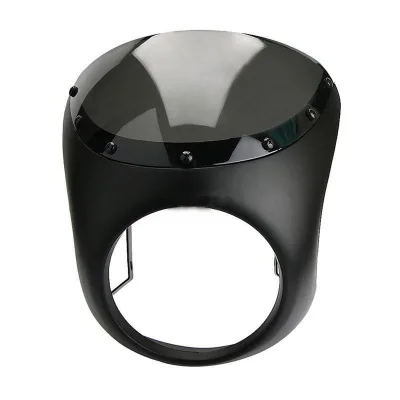
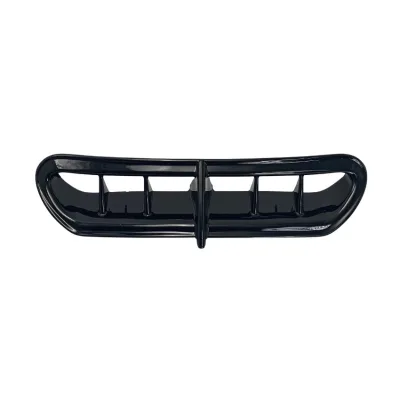
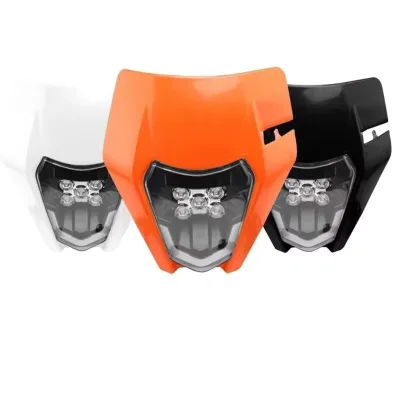
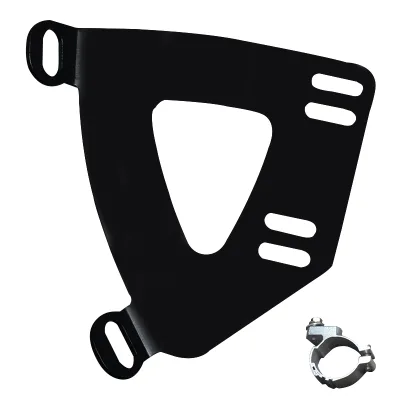
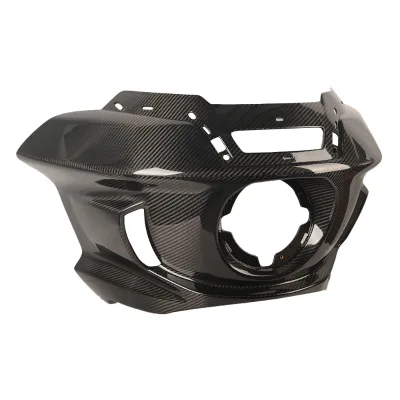
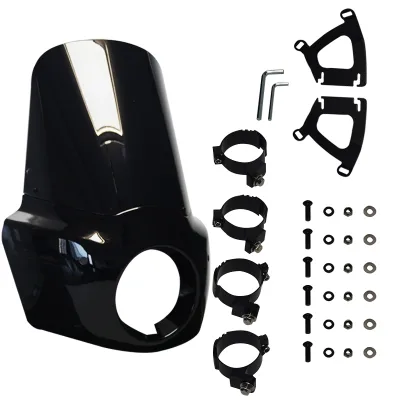
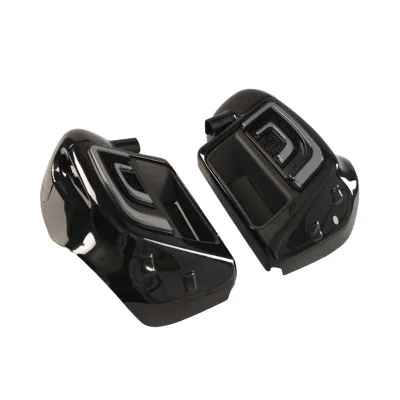
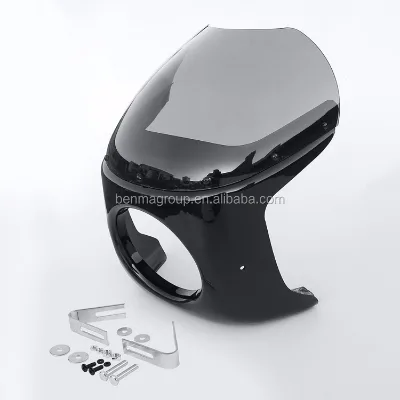
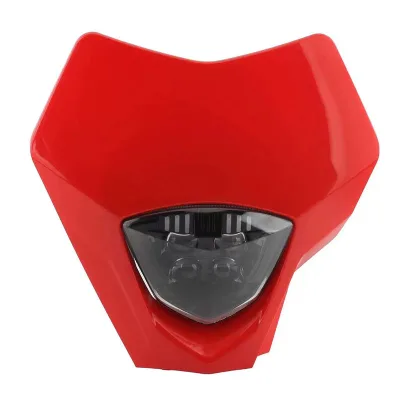
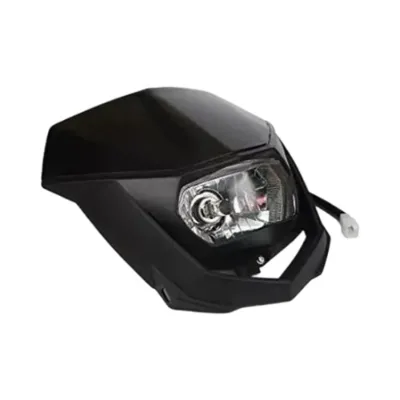
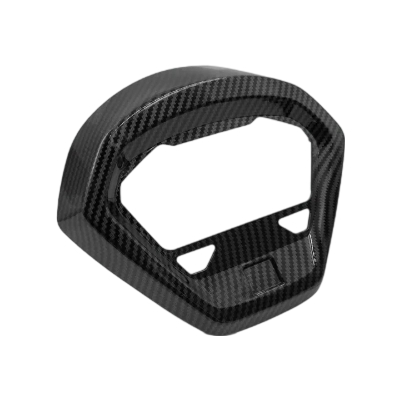
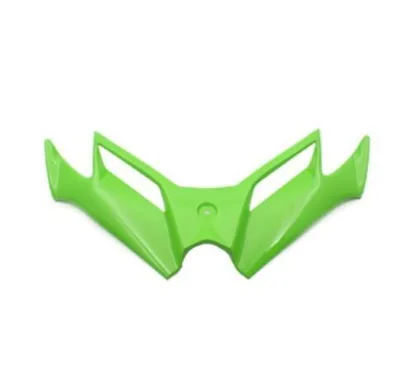


$3.50 - $5.00
MOQ: 100 Pieces
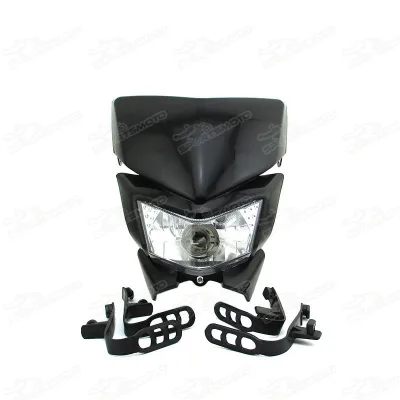


Wholesale Motorcycle Plastic Body Parts Motorcycle Fairing for YAMAHA Nmax
$93.00 - $100.00
MOQ: 10 Sets


En125 Motorcycle Spare Parts Motorcycle Headlight Cover, Headlamp Case, Black
$0.50 - $1.50
MOQ: 200 Pieces
Comprehensive Sourcing Guide
Enduro Headlight Fairing Sourcing Guide
Sourcing enduro headlight fairings requires balancing aesthetic integration with rugged durability, as these components serve as the primary housing for lighting systems in off-road and dual-sport motorcycles. Buyers must recognize that the market offers a diverse range of options, from universal fitment units designed for retrofitting older models to precise, model-specific fairings for modern machines like the Super73 or KTM. The observed product landscape includes variations in material composition, primarily ABS plastic, which provides a lightweight yet impact-resistant solution suitable for the vibrations and debris encountered in enduro riding conditions.
Procurement decisions should be guided by the specific application, whether for replacement, repair, or aesthetic upgrade. Listings indicate a strong presence of Chinese manufacturing hubs in Zhejiang, Jiangsu, and Chongqing, suggesting a mature supply chain for these motorcycle parts. Buyers should evaluate the fitment claims carefully, noting that some products are marketed as universal while others are tailored for specific brands like Harley or KTM. Understanding the intended use case is critical, as it dictates the necessary mounting hardware, electrical connectivity, and structural integrity required for safe operation in demanding environments.
Product Scope and Observed Listing Signals
The current market signals reveal a wide spectrum of product attributes, with prices ranging from $0.10 to $850 USD, reflecting significant variation in quality, brand, and complexity. Minimum order quantities (MOQs) typically start at 2 sets or 10 pieces, indicating that suppliers cater to both small-scale retailers and larger wholesale distributors. The observed listings highlight key differentiators such as brand names like DUPANQ, LBL, and CQHZJ, alongside custom service options that allow for OEM branding. Buyers should interpret these signals as indicators of a fragmented market where due diligence is essential to distinguish between high-quality, A-class products and lower-tier alternatives.
Color and design options are diverse, with offerings including yellow/white, black, blue, red, and orange variants, often featuring LED display screens or multi-lens configurations. The single package sizes vary considerably, from 36x30x21 cm to 53x29x40 cm, impacting shipping costs and storage logistics. Weight observations range from 1.2 kg to 4.0 kg per unit, suggesting differences in material thickness and structural reinforcement. These physical specifications are crucial for calculating landed costs and ensuring that the fairing can withstand the mechanical stresses of enduro riding without compromising the motorcycle’s balance or handling characteristics.
Technical Specifications to Verify
Verifying technical specifications is paramount to ensuring compatibility and performance, particularly regarding voltage and electrical integration. Many observed products operate at 12V, a standard for most motorcycles, but buyers must confirm that the internal wiring and connectors match their specific vehicle’s electrical system. The material composition, predominantly ABS plastic, offers good durability, but the thickness and molding quality must be assessed to prevent cracking under impact. Additionally, the number of lenses and lamp types, such as LED displays, should be verified against the rider’s visibility requirements, especially for night riding in remote enduro trails.
Fitment accuracy is another critical technical aspect, with listings ranging from universal fit to specific models like the Harley Low Rider S or KTM. Buyers must cross-reference the model number and size specifications with their inventory to avoid returns and installation delays. The position of the headlight, typically front-mounted, requires precise alignment to ensure optimal beam pattern and road illumination. Furthermore, the warranty terms, which vary from 6 months to 1 year, provide insight into the manufacturer’s confidence in their product’s longevity and resistance to environmental factors like water ingress and UV degradation.
Compliance and Safety Documentation
While specific certification standards are not explicitly detailed in the observed listings, buyers must ensure that the headlight fairings and their integrated lighting systems comply with local road safety regulations. In many jurisdictions, enduro motorcycles used on public roads must meet specific luminous intensity and beam pattern requirements, which are often dictated by the headlight unit itself rather than the fairing. However, the fairing must not obstruct the light output or create hazardous reflections. Buyers should request documentation from suppliers regarding the electrical components’ compliance with relevant safety standards, such as E-mark or DOT certification, to mitigate legal risks.
Safety also extends to the structural integrity of the fairing during a crash or fall. The material’s ability to absorb impact without shattering into sharp fragments is crucial for rider safety. Buyers should inquire about the manufacturing processes used to ensure consistent quality, such as injection molding parameters and post-production finishing. Additionally, the warranty terms, ranging from 6 months to 12 months, serve as a proxy for the product’s expected lifespan and reliability. Understanding the scope of the warranty, including what constitutes damage versus defect, is essential for managing after-sales support and customer satisfaction.
Cost Drivers and Commercial Terms
Cost drivers for enduro headlight fairings include material quality, branding, and the complexity of the design. Premium brands like DUPANQ or custom OEM services may command higher prices due to enhanced quality control and branding value. The observed price range of $0.10 to $850 USD highlights the disparity between basic replacement parts and high-end, feature-rich units with LED displays and multi-lens systems. Buyers should consider the total cost of ownership, including shipping, which is influenced by package size and weight, with options for sea, air, or express transport.
Commercial terms such as payment methods, typically T/T, and MOQs significantly impact procurement strategy. Lower MOQs of 2 sets or 10 pieces allow for smaller, more flexible orders, reducing inventory risk for new buyers. However, larger orders may offer better unit pricing. Buyers should negotiate clear terms regarding packaging, which can vary from standard boxes to custom packaging according to demand. Understanding these commercial dynamics helps in optimizing cash flow and aligning inventory levels with market demand, ensuring that the procurement process remains efficient and cost-effective.
Supplier Qualification and Quality Control
Supplier qualification is critical in a market with diverse origins, including Zhejiang, Jiangsu, and Chongqing in China. Buyers should verify the supplier’s production capabilities, focusing on their ability to maintain consistent quality across batches. The presence of brands like LBL and CQHZJ suggests a competitive landscape where quality control measures, such as A-class grading, are used to differentiate products. Buyers should request samples to assess the fitment, material finish, and electrical functionality before committing to larger orders. This hands-on verification is essential to ensure that the products meet the expected standards for durability and performance.
Quality control processes should also include checks for packaging integrity, as improper packaging can lead to damage during transit. The observed single gross weights and package sizes provide benchmarks for logistics planning, but buyers should ensure that suppliers use robust packaging methods to protect the ABS plastic components. Additionally, verifying the supplier’s ability to handle custom orders, as indicated by the welcome for OEM services, can be a valuable asset for buyers seeking branded products. Establishing a clear communication channel for addressing defects or discrepancies is crucial for maintaining a reliable supply chain and minimizing operational disruptions.
Long-Term Procurement Checks
Long-term procurement success depends on establishing a robust relationship with suppliers who can consistently deliver high-quality enduro headlight fairings. Buyers should monitor supplier performance over time, tracking metrics such as on-time delivery, product consistency, and responsiveness to issues. The warranty terms, ranging from 6 months to 1 year, provide a framework for evaluating the supplier’s commitment to product quality. Regularly reviewing these terms and ensuring that claims are handled efficiently is essential for maintaining customer trust and satisfaction.
Additionally, buyers should stay informed about market trends and technological advancements in headlight technology, such as the increasing adoption of LED systems. This knowledge can help in making informed decisions about product upgrades and inventory management. By maintaining a flexible procurement strategy that can adapt to changes in demand and technology, buyers can ensure that their offerings remain competitive and relevant. Continuous engagement with suppliers and feedback from end-users will provide valuable insights for refining product selections and improving overall procurement efficiency.
FAQs
What voltage and material are used in these headlight fairings?
The headlight fairings operate at 12V and are constructed from durable ABS plastic. This material ensures resistance to impact and weathering during off-road use. The components are brand-new and meet high-quality standards for reliable performance in demanding enduro conditions.
Can I get custom OEM services for these motorcycle parts?
Yes, custom OEM services are welcome for these motorcycle parts. Buyers can request specific modifications to fit unique requirements. The supplier supports customization to ensure the fairing integrates seamlessly with the target motorcycle model, providing a tailored solution for specific enduro builds.
What is the minimum order quantity for these headlight units?
The minimum order quantity varies by supplier, ranging from 2 sets to 10 pieces. Some listings specify an MOQ of 2 sets, while others require 10 pieces. Buyers should check individual product pages to confirm the exact MOQ applicable to their specific order volume.
Which motorcycle models are compatible with these fairings?
These fairings offer universal fitment for various motorcycles, including specific models like the Harley Low Rider S and KTM. They are designed for retrofit or upgrade purposes. Buyers should verify the specific fitment details for their motorcycle to ensure proper installation and alignment.
What warranty is provided for these enduro headlight fairings?
Warranty periods typically range from 6 months to 1 year depending on the supplier. Some products offer a 12-month warranty, while others provide 6 months. This coverage ensures protection against manufacturing defects, giving buyers confidence in the quality and durability of the purchased parts.
How are these products packaged and shipped?
Products are packaged in boxes with single package sizes varying by model. Shipping options include sea transport, air transport, and air express. The packaging is designed to protect the fairing during transit, ensuring it arrives in pristine condition ready for installation on the enduro motorcycle.