Source Energy Drink for Retail, Events, and Gym Supplies
Find 30 verified listings for Energy Drink products from Chinese manufacturers. Buyers can compare specifications like taurine content, packaging types, and MOQs to select suitable options for retail, events, or gym supplies.
Key considerations
Products List
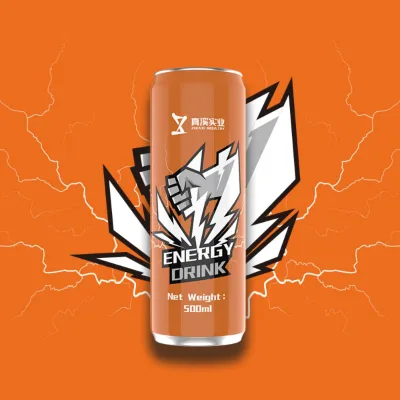
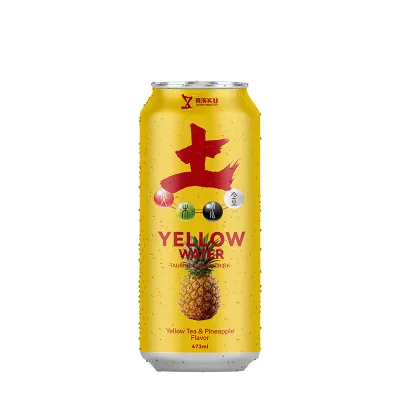
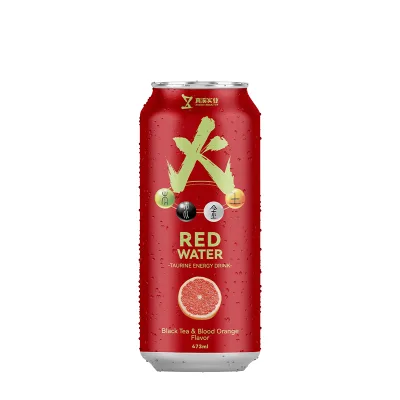
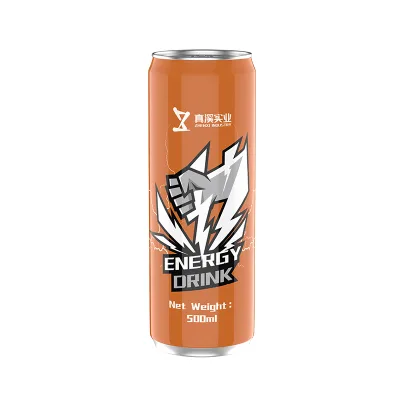
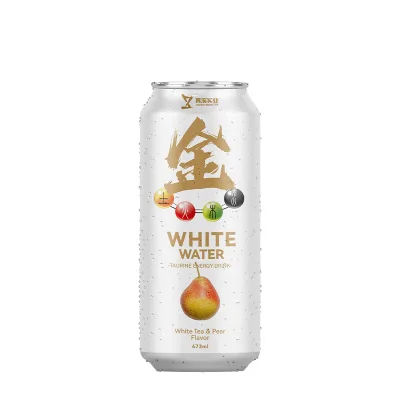
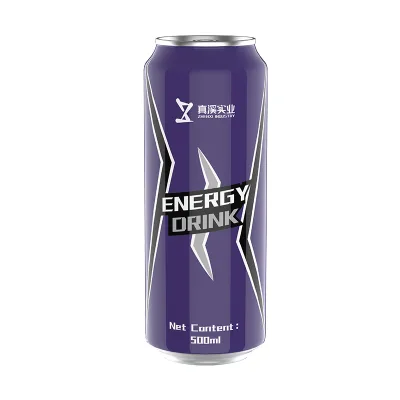


High-Energy Functional Beverage – OEM/ODM Factory Supply, Fast Delivery
$5.00 - $8.20
MOQ: 1500 boxes

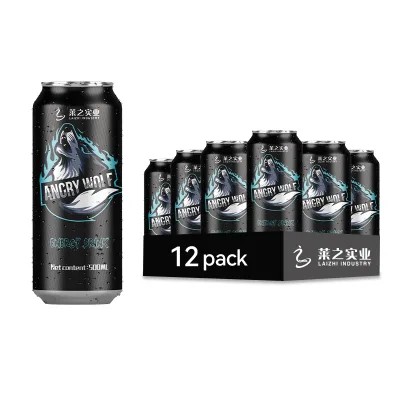
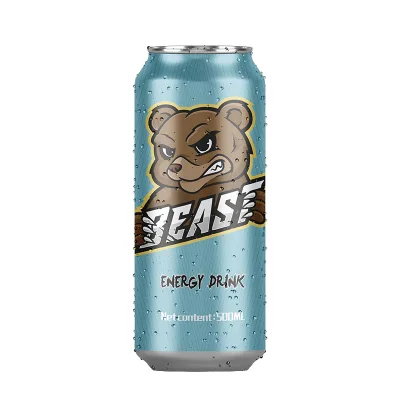
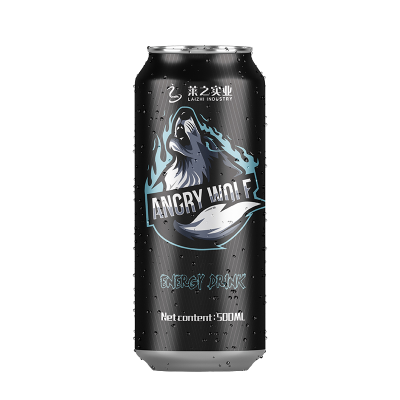
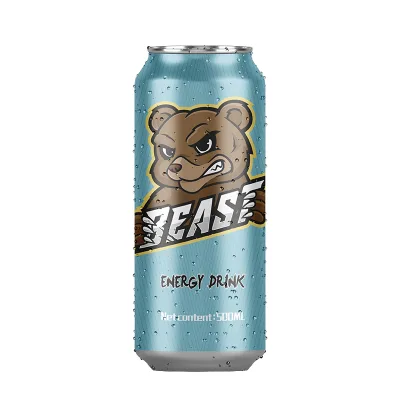
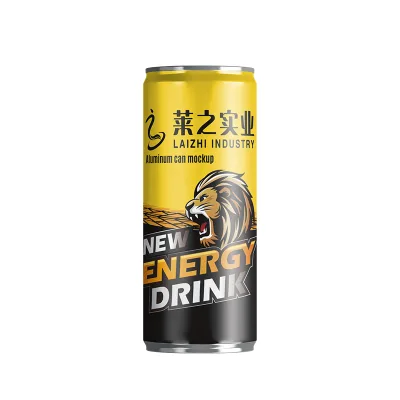


Comprehensive Sourcing Guide
Strategic Sourcing Guide for Energy Drink Procurement
Navigating the global market for energy drinks requires a disciplined approach that balances technical specifications, regulatory compliance, and supply chain reliability. For procurement professionals, the distinction between a generic carbonated beverage and a specialized energy product lies in the precise formulation of active ingredients, the rigor of quality control protocols, and the flexibility of manufacturing capabilities. This guide synthesizes verified market data and technical attributes to provide a framework for sourcing energy drinks effectively, ensuring that buyers can make informed decisions based on observable facts rather than speculative claims.
Technical Specifications and Formulation Analysis
The core of any Energy Drink procurement strategy begins with a deep understanding of the product's technical specifications. In the current market, energy drinks are categorized under carbonated beverages, yet they possess distinct formulations designed to deliver specific physiological effects. The primary ingredients observed in high-volume listings include taurine, vitamins, and minerals, which serve as the functional backbone of the product. These components are often supplemented with glucose and other carbohydrates to provide immediate energy, while the base liquid typically consists of soda water or carbonated water.
When evaluating product listings, buyers must scrutinize the "Model Number" and "Size" specifications. Standardized packaging sizes, such as 500ML bottles or cans, are prevalent, but custom dimensions like 500 ML are also common. The physical attributes of the product extend beyond the liquid itself to the packaging integrity. Single package dimensions vary, with observed measurements ranging from 41x27x12 cm to 42x27x15 cm for bulk cartons. The gross weight of individual packages is a critical factor for logistics planning; data indicates variations from 0.350 kg for single units to 10.000 kg for larger bulk configurations.
The flavor profile is another technical variable that requires careful selection. While "Soda" is a standard baseline, the "Taste" is often listed as optional, indicating a high degree of customization available from manufacturers. This flexibility allows buyers to tailor the sensory experience to regional preferences. Furthermore, the Brix percentage, a measure of sugar content, is a key quality indicator. In specific verified instances, a Brix value of 0 has been noted, suggesting the availability of sugar-free or low-calorie variants, though buyers must verify this for every specific SKU as formulations can vary significantly between batches and suppliers.
Compliance, Certification, and Regulatory Standards
Regulatory compliance is the most critical barrier to entry in the Energy Drink sector. Products intended for international trade must adhere to strict standards regarding food safety and ingredient labeling. In the context of Chinese manufacturing, which is a primary source for these goods, the standard GB 7101 is a mandatory reference point. This standard governs the safety and hygiene requirements for carbonated drinks, ensuring that the final product meets national safety thresholds before it can be distributed.
Beyond national standards, international certifications play a pivotal role in supplier validation. High-confidence data points to the presence of EAC (Eurasian Conformity) certification, which is essential for accessing markets in the Eurasian Economic Union. Additionally, ISO 22000 and HACCP (Hazard Analysis and Critical Control Points) certifications are frequently cited as indicators of a robust food safety management system. These certifications are not merely badges of honor; they represent a systematic approach to identifying and controlling food safety hazards.
Buyers must verify that the supplier's certification documents are current and cover the specific production lines intended for their order. The "Place of Origin" is consistently listed as China or Chinese Mainland, which necessitates a thorough review of export compliance. While the "Brand Name" may vary, with options ranging from established names like ZHENXI to OEM/ODM arrangements, the underlying production facility must maintain these certifications regardless of the branding strategy. The absence of these certifications should be treated as a red flag, as it implies a lack of adherence to recognized food safety protocols.
Cost Drivers and Pricing Dynamics
Understanding the cost structure of Energy Drink procurement requires an analysis of several variable factors. The observed price range in the market spans from 0.21 to 8.21 USD, a wide spectrum that reflects differences in ingredient quality, packaging complexity, and order volume. The lower end of this range typically corresponds to bulk orders of standard formulations with minimal customization, while the higher end often includes premium ingredients, specialized packaging, or smaller batch sizes.
The Minimum Order Quantity (MOQ) is a significant driver of unit cost. Data indicates a vast range in MOQ requirements, from as low as 1 unit to as high as 300,000 pieces. This disparity highlights the importance of volume negotiation. For buyers seeking to minimize upfront capital expenditure, suppliers with lower MOQs are preferable, though they may command a higher per-unit price. Conversely, suppliers requiring an MOQ of 300,000 pieces or a full 40ft container offer significantly lower unit costs, making them suitable for large-scale distribution networks.
Payment terms also influence the financial dynamics of the transaction. The standard payment method observed is T/T (Telegraphic Transfer), which requires buyers to understand the timing of payments relative to production milestones. Additional cost drivers include the "Packaging" type, which can range from simple barrels and bottles to complex gift packing or custom cartons. The "Single gross weight" of the package directly impacts shipping costs, with heavier configurations incurring higher freight charges. Buyers should calculate the total landed cost, including freight, insurance, and duties, rather than focusing solely on the ex-factory price.
Typical Applications and Market Segmentation
Energy drinks are versatile products with applications spanning multiple market segments. The primary application is as a functional beverage for consumers seeking a boost in energy, focus, or physical performance. The presence of ingredients like taurine and vitamins aligns with the needs of athletes, shift workers, and students. The "Feature" attribute often lists "Glucose" and "Low-Fat," catering to health-conscious consumers who require energy without excessive caloric intake.
The market segmentation is further defined by the customization capabilities of the supplier. Many manufacturers offer "Customized Drinks," allowing brands to create unique blends that differentiate them in a crowded marketplace. This is particularly relevant for private label brands that wish to establish a distinct identity without developing their own production facilities. The "Brand" attribute often includes OEM/ODM options, indicating that suppliers are equipped to produce goods under the buyer's brand name or to develop a product from scratch based on the buyer's specifications.
Storage and shelf life are also critical considerations for application. With a standard shelf life of 24 months or greater than 12 months, energy drinks are suitable for long-term inventory management and global distribution. The "Storage Type" recommendation to keep products in a "cool and dry place" is a standard requirement that buyers must communicate to their logistics partners to ensure product integrity upon arrival. The "Instruction for use" suggesting the product is "Better when use cool" further informs marketing strategies, encouraging consumption under specific conditions to maximize the consumer experience.
Supplier Evaluation and Quality Assurance
Evaluating a supplier for Energy Drink production requires a multi-faceted approach that goes beyond checking basic contact information. The "Quality" attribute, often described as "100% Nice Quality" in marketing materials, must be substantiated through rigorous due diligence. Buyers should request detailed quality assurance reports, including third-party test results for microbial contamination, heavy metals, and ingredient potency. The "Standard" of GB 7101 provides a baseline, but buyers should verify if the supplier adheres to additional international standards relevant to their target markets.
The production capacity and flexibility of the supplier are equally important. The ability to handle varying "Packaging" types, from barrels to custom gift packs, demonstrates a supplier's operational versatility. Buyers should assess the supplier's ability to manage the "Customization" process, ensuring that they can accurately replicate specific formulations and branding requirements. The "Address" and "Place of Origin" being listed as China requires buyers to conduct on-site audits or engage third-party inspection agencies to verify the physical conditions of the factory.
Communication and responsiveness are also key indicators of supplier reliability. The "Payment method" of T/T suggests a formal business relationship, and buyers should ensure that all terms are clearly defined in the contract. The "Selling Units" being listed as "Single item" for some listings and bulk for others indicates that the supplier can accommodate different order sizes, but the buyer must confirm the lead times associated with each option. A reliable supplier will provide transparent information regarding production schedules and potential bottlenecks.
Long-Term Procurement and Supply Chain Resilience
Sourcing energy drinks is not a one-time transaction but a long-term partnership that requires strategic planning. The "Shelf Life" of 24 months offers a window for inventory management, but buyers must account for the "Lead Time" required to produce and ship the goods. While specific lead times are not universally standardized in the provided data, the MOQ of 1*40ft container suggests that large orders require significant production planning. Buyers should negotiate clear delivery schedules to avoid stockouts, especially for products with high demand volatility.
Supply chain resilience is enhanced by diversifying suppliers and maintaining a buffer stock. The wide range of "MOQ" values allows buyers to test the market with smaller orders before committing to large-scale production. This strategy mitigates the risk of overstocking or understocking. Additionally, the "Feature" of "Normal" and "Glucose" suggests that the product line is stable, but buyers should remain vigilant for changes in ingredient availability or regulatory shifts that could impact production.
Finally, the "Brand" flexibility, including OEM/ODM options, allows buyers to build a long-term brand identity. By working closely with suppliers who offer "Custom Demand" packaging and formulations, buyers can create a unique market position that is difficult for competitors to replicate. This strategic approach ensures that the procurement process contributes not just to immediate sales, but to the long-term growth and stability of the buyer's business in the competitive Energy Drink sector.
FAQs
What certifications do Energy Drink manufacturers hold?
Manufacturers hold EAC, ISO 22000, and HACCP certifications. These standards ensure food safety and compliance with international regulations for carbonated drinks produced in China.
Which specifications are available for 500ML energy drinks?
Standard specifications include 500ML sizes with single package dimensions around 41x27x12 cm. Products often feature taurine, vitamins, and minerals as primary ingredients for energy boosting.
Can buyers customize Energy Drink flavors and packaging?
Yes, customization is available for flavors, packaging types, and formulations. Buyers can select from options like barrels, bottles, or gift packing with optional taste profiles.
What is the minimum order quantity for bulk orders?
Minimum order quantities range from 1 unit up to 300,000 pieces. Some suppliers require a full 40ft container for large-scale production runs.
How long is the shelf life of these energy drinks?
The shelf life is typically 24 months or greater than 12 months. Products must be stored in a cool and dry place to maintain quality.
Which payment methods are accepted for Energy Drink orders?
The standard payment method is T/T (Telegraphic Transfer). Buyers should confirm specific payment terms and timelines with the supplier before finalizing the order.