Source Energy Ball Making Machine for Biscuit Donut Production
Find 29 energy ball making machines from verified Chinese suppliers. Compare specifications like production speed, voltage, and automation levels to select the right equipment for biscuit and donut manufacturing needs; compare the available evidence and request quotations based on your requirements.
Key considerations
Products List


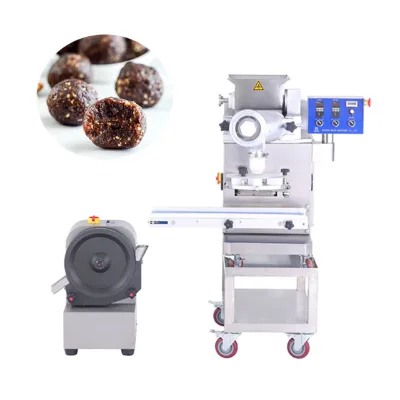
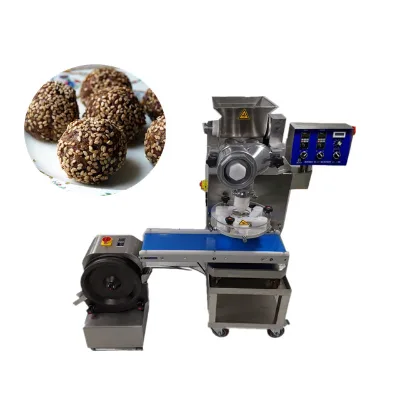
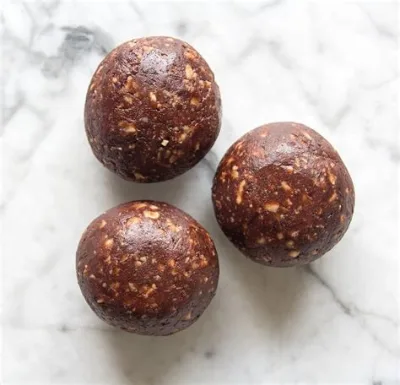
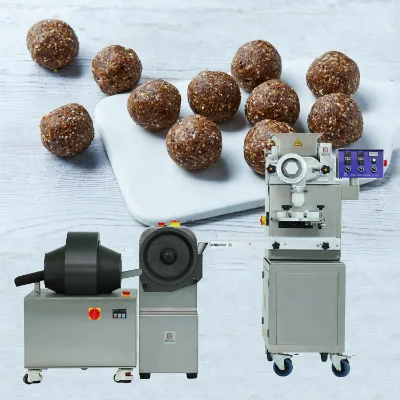
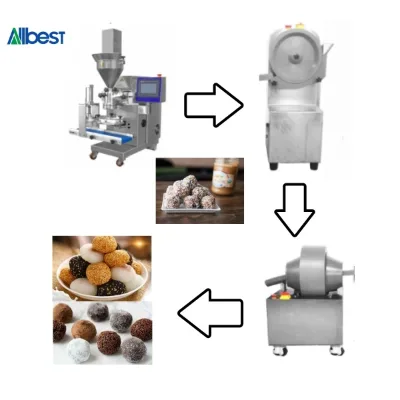


Polyester Ball Machine Ball Fiber Machinery Fiber Ball Making Machine
$5200.00 - $5300.00
MOQ: 1 Pieces


High Quality Bouncy Ball Making Machine with CE Certificate Can Be Customized
$31888.00 - $42888.00
MOQ: 1 Pieces

$29800.00 - $35000.00
MOQ: 1 Sets

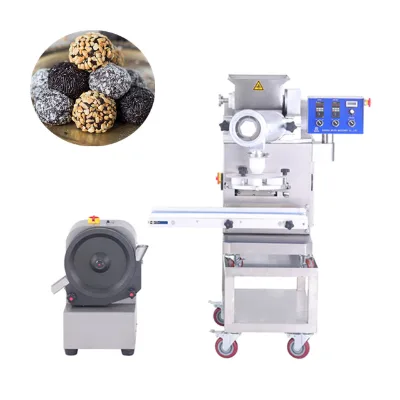
Energy Ball Protein Ball Bliss Ball Making Machine Brownie Balls Small Extruder
$16000.00 - $18000.00
MOQ: 1 Pieces


Comprehensive Sourcing Guide
Energy Ball Making Machine Sourcing Guide
The Energy Ball Making Machine market presents a diverse range of automated solutions, primarily observed in the form of specialized production lines for confectionery items like biscuits and donuts. Buyers should note that while the core keyword suggests a specific niche, the available listings often encompass broader automated food processing equipment capable of handling various dough-based products. The observed product attributes indicate a strong focus on electric power sources and automatic grading, ensuring consistent output for high-volume manufacturing environments.
Procurement decisions must account for the significant variance in machine dimensions and weights, which directly impact facility layout and logistics planning. Listings reveal models ranging from compact units weighing 220kg to larger industrial systems exceeding 380kg, with dimensions scaling from roughly 800mm to 2400mm in length. This variation necessitates a careful assessment of floor space availability and utility requirements before finalizing a purchase order to ensure the equipment fits the intended production line configuration.
Product Scope and Observed Listing Signals
Buyers analyzing the current market will encounter distinct product categories, including specific models like the P110 and P160, which offer production speeds between 40 and 100 pieces per minute. These machines are explicitly designed for applications involving biscuits and donuts, utilizing electric power sources with standard voltages of 220V/50Hz. The presence of customization options suggests that manufacturers can tailor specific parameters to meet unique production needs, though the exact scope of these customizations requires direct verification with the supplier.
The observed price range is exceptionally broad, spanning from 1,800 to 2,800,000 USD, reflecting the difference between entry-level units and fully integrated, computerized systems. This disparity often correlates with the level of automation, such as the transition from standard automatic grades to fully computerized control systems found in more advanced molding machines. Buyers must carefully distinguish between simple dough forming equipment and complex injection or extrusion blow molding systems, as the latter serve entirely different industries like packaging rather than food production.
Technical Specifications to Verify
When evaluating technical capabilities, the production speed is a critical metric that varies significantly between models, with observed rates ranging from 40 to 100 pieces per minute for food applications. Buyers should verify the specific voltage requirements, as some units operate on 220V/50Hz while others may support 220/380V configurations to match local power infrastructure. Confirming the power consumption, which can range from 1.5kw to higher loads depending on the machine's complexity, is essential for calculating operational costs and ensuring the facility's electrical grid can support the load.
Dimensional constraints and weight are equally vital for installation planning, with observed lengths varying from 800mm to over 3.4 meters and weights reaching up to 380kg. The physical footprint, often described in dimensions like 8008601300mm or 24008601300mm, dictates the necessary floor space and aisle width for safe operation and maintenance access. Additionally, the raw material compatibility, such as suitability for PET, HDPE, or PP in related molding contexts, must be confirmed to ensure the machine can process the intended inputs without modification.
Compliance and Safety Documentation
Certification status is a primary indicator of compliance, with observed listings frequently citing ISOCE, CE, and ISO9001 standards. Buyers must request valid, up-to-date certification documents to verify that the equipment meets international safety and quality benchmarks, particularly for machinery operating at high speeds or involving complex electrical systems. The presence of "Computerized" attributes in some listings suggests advanced control systems that may require specific safety protocols and software compliance checks to ensure operator safety and data integrity.
Safety documentation should also include detailed manuals for operation and maintenance, especially for machines with automatic grading and high-efficiency features. The packaging standards, such as wooden cases or polywood packing, often include fumigation-free requirements to facilitate international shipping without regulatory delays. Buyers should ensure that the supplier provides clear instructions on how to handle the equipment during transit and installation, as improper handling of heavy machinery can lead to damage or safety hazards upon startup.
Cost Drivers and Commercial Terms
The commercial landscape for these machines is influenced by factors such as customization availability, production speed, and the level of automation. While the observed price range is vast, the final cost is often driven by the specific configuration required, including the number of cavities, the type of molding method, and the integration of computerized control systems. Buyers should expect that higher production speeds and more complex automation features will command a premium price, necessitating a clear definition of requirements to avoid unnecessary expenditure.
Lead times and delivery terms are critical components of the procurement process, with observed delivery windows extending up to 60 days after payment. The origin of the equipment, primarily from regions like Shanghai and Jiangsu in China, impacts shipping logistics and potential import duties. Buyers must clarify the Incoterms and packaging requirements, such as the use of wooden cases or polywood packing, to ensure that the equipment arrives safely and on schedule, minimizing downtime in the production facility.
Supplier Qualification and Quality Control
Supplier qualification should focus on verifying the origin and manufacturing capabilities, with many listings indicating production in China, specifically in regions like Shanghai and Zhangjiagang. Buyers must assess the supplier's track record regarding the condition of the equipment, ensuring that units are sold as new and meet the specified standards for automatic operation. The availability of customization services is a key differentiator, allowing buyers to tailor machines to specific production needs, but this requires a robust communication channel to define and agree upon the exact specifications.
Quality control measures should include a thorough inspection of the machine's condition and performance capabilities before shipment. Buyers should request detailed specifications regarding the production speed, voltage, and weight to ensure the equipment matches the advertised capabilities. The presence of certifications like CE and ISO9001 provides a baseline for quality assurance, but on-site inspections or third-party verification may be necessary to confirm that the machine meets the specific operational requirements of the buyer's facility.
Long-Term Procurement Checks
Long-term procurement success depends on establishing a reliable supply chain for spare parts and ongoing technical support. Buyers should verify the availability of replacement components, such as molds with varying cavity counts, and ensure that the supplier can provide timely assistance for maintenance and troubleshooting. The complexity of computerized systems and automatic grading features necessitates a partnership with a supplier who can offer comprehensive training and support to maximize the machine's lifespan and efficiency.
Monitoring the machine's performance over time is essential to ensure it continues to meet production targets and safety standards. Buyers should regularly review the production speed and output quality against the initial specifications, such as the 40-100 pieces per minute range, to identify any deviations that may indicate wear or operational issues. Establishing a clear maintenance schedule and keeping detailed records of all service activities will help in managing the equipment effectively and preventing costly downtime in the future.
FAQs
What is the production speed of the Energy Ball Making Machine?
The production speed ranges from 40 to 60 pieces per minute for the P110 model. Higher capacity models like the P160 can reach 60 to 100 pieces per minute. These speeds depend on the specific configuration and customization options available for your production needs.
Which certifications do these machines typically hold?
Many units come with ISOCE and CE certifications to ensure safety and quality standards. Some advanced models also include ISO9001 compliance for computerized systems. Always verify the specific certification list for the exact model you intend to purchase from the supplier.
Can the machine be customized for specific production requirements?
Yes, customization is available to meet unique production needs and specifications. Buyers can request tailored dimensions, power sources, or automation levels. The supplier offers flexible options to adapt the machine for different applications like biscuit or donut production.
What is the voltage requirement for operating this equipment?
The standard voltage requirement is 220V at 50Hz for most models. Some industrial variants support 220/380V to accommodate different power grids. Ensure your facility matches these electrical specifications before installation to prevent operational issues or equipment damage.
How long is the delivery time after payment is made?
The typical delivery time is 60 days after the payment is received. This lead time applies to standard orders and may vary based on customization complexity. Buyers should plan their production schedules accordingly to account for this manufacturing and shipping duration.
What packaging is used for shipping the machine?
Machines are shipped in wooden cases or fumigation-free wooden box packaging for protection. Some specialized units use polywood packing to ensure safety during transit. This robust packaging helps prevent damage while the equipment travels from the factory in Shanghai or Jiangsu to the destination.