Source Engraved Glass Charger Plate for Restaurant, Wedding, and Hotel
Compare 30 options for Engraved Glass Charger Plate designs suitable for daily use and special occasions. These crystallized glass items feature eco-friendly materials and customizable packaging for events, banquets, and home dining; compare the available evidence and request quotations based on your requirements.
Key considerations
Products List


Wholesale Gold Glass Charger Plate Charger Plate Glass Plate for Wedding
$2.23 - $4.30
MOQ: 100 Pieces

European Wedding Glass Charger Plates /Round White and Gold Charger Plates
$2.23 - $4.30
MOQ: 100 Pieces


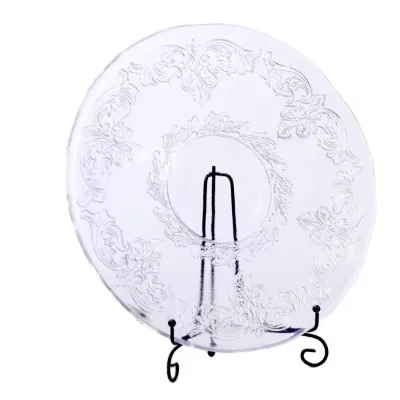
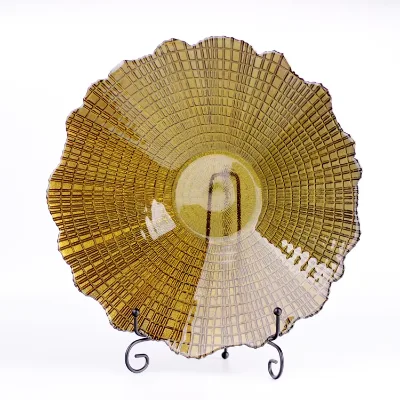
Table Maple Leaf Glass Charger Plate Hand Engraved Wedding Occasion Glass Bowl
$2.35 - $2.45
MOQ: 500 pieces



Comprehensive Sourcing Guide
Engraved Glass Charger Plate Sourcing Guide
Sourcing engraved glass charger plates requires a strategic balance between aesthetic precision and functional durability, particularly for high-volume hospitality and event sectors. These decorative underplates serve as the foundational layer for table settings, enhancing visual appeal while protecting the primary dinnerware from scratches and spills. Buyers must recognize that "engraved" implies a permanent surface modification, which demands rigorous quality control to ensure the design remains intact through repeated washing cycles. The material composition is predominantly glass, often specified as crystallized glass, which offers superior clarity and refractive properties compared to standard soda-lime glass. This material choice directly influences the plate's weight, thermal shock resistance, and overall premium feel, making it a critical decision point for procurement teams aiming to elevate their brand's dining experience.
The procurement landscape for these items is characterized by significant customization capabilities, allowing buyers to tailor dimensions, colors, and packaging to specific brand identities. Observed listings indicate a wide range of standard sizes, including 13-inch and 12-inch diameters, with some suppliers offering custom sizing up to 33cm. Color options typically include clear and black variants, with transparent finishes being common for maintaining a classic aesthetic. Furthermore, the availability of eco-friendly materials and recycled glass content appeals to sustainability-focused organizations. Buyers should verify whether the engraving process affects the structural integrity of the glass, ensuring that the decorative elements do not create stress points that could lead to premature breakage during transport or daily use in busy restaurant environments.
Product Scope and Observed Listing Signals
The current market for engraved glass charger plates exhibits a diverse range of product models, such as HLY-CP016, HLY-CP022, and RY-34, indicating a fragmented supplier base with varied design portfolios. Listings frequently highlight features like "Eco-Friendly" and "Non-Disposable" status, signaling a shift toward sustainable, long-lasting tableware solutions rather than single-use alternatives. The observed price range of $1.55 to $17.50 USD reflects significant variation based on glass thickness, engraving complexity, and order volume. Buyers should note that lower price points often correlate with standard, unengraved designs or thinner glass, while premium pricing may include intricate laser engraving or thicker, more durable crystallized glass constructions. Understanding this price spectrum is essential for budgeting and aligning product selection with target market expectations.
Minimum Order Quantities (MOQs) vary widely, ranging from 20 pieces for sample orders to 3,000 pieces for full production runs, with a common baseline MOQ of 100 pieces. This flexibility allows small businesses to test designs before committing to large-scale purchases, while larger enterprises can leverage volume discounts. Packaging methods are also a key differentiator, with options including neutral packing, paper cartons with foam, and standard export cartons designed for safe transit. The presence of "Stocked" items suggests that some suppliers maintain inventory for faster delivery, which is crucial for event planners with tight deadlines. Buyers must carefully evaluate these logistical signals to ensure that the supplier's operational capabilities align with their supply chain requirements and delivery timelines.
Technical Specifications to Verify
Verifying the exact dimensions and physical properties of engraved glass charger plates is paramount to ensuring compatibility with existing tableware and service standards. Standard sizes observed in the market include 8-inch, 10-inch, and 13-inch diameters, with some specialized models reaching 12 inches or 33 centimeters. Buyers must confirm that the engraved design does not interfere with the plate's stability on the table or its ability to stack efficiently for storage. The glass type, often described as crystallized glass, should be verified for its refractive index and clarity, as these factors significantly impact the visual presentation of the food and the overall ambiance of the dining setting. Additionally, the presence or absence of handles is irrelevant for charger plates, but the edge finish must be smooth and polished to prevent injury and ensure a premium tactile experience.
The engraving technique itself requires careful scrutiny, as it determines the longevity and maintenance requirements of the product. Buyers should inquire whether the engraving is laser-etched, sandblasted, or mechanically carved, as each method offers different levels of depth and durability. It is essential to verify that the engraved areas are smooth to the touch and do not harbor bacteria or food particles, which could pose hygiene risks. Furthermore, the color consistency across batches must be assured, especially for black or tinted glass, to maintain brand uniformity. Suppliers should provide samples that demonstrate the clarity of the engraving and its resistance to fading or wear, ensuring that the aesthetic appeal remains intact throughout the product's lifecycle.
Compliance and Safety Documentation
Ensuring that engraved glass charger plates meet international safety and food contact standards is a non-negotiable aspect of responsible procurement. Certifications such as FDA compliance are critical for products intended for use in restaurants and hotels, as they guarantee that the glass materials and any engraving processes do not leach harmful substances into food. Buyers must request valid certification documents from suppliers to verify that the products have undergone rigorous testing for lead content, heavy metals, and thermal shock resistance. The presence of ISO certifications further indicates that the supplier adheres to established quality management systems, reducing the risk of defects and ensuring consistent product quality across large orders. These documents serve as proof of due diligence and protect the buyer from potential liability issues related to food safety.
In addition to material safety, buyers should verify that the packaging materials used for shipping are also compliant with environmental regulations, especially if the supplier markets the product as eco-friendly. The use of recycled glass content should be substantiated with appropriate documentation to avoid greenwashing claims. Furthermore, the structural integrity of the plates under stress conditions, such as those encountered during dishwasher cycles, must be confirmed through test reports or supplier guarantees. Buyers should also check for any specific regional compliance requirements, such as EU regulations or California Prop 65, depending on the destination market. Ensuring comprehensive compliance documentation not only mitigates legal risks but also enhances the brand's reputation for safety and sustainability.
Cost Drivers and Commercial Terms
The total cost of engraved glass charger plates is influenced by several key factors, including material quality, engraving complexity, and order volume. Higher-grade crystallized glass and intricate laser engraving designs naturally command higher prices, while bulk orders can significantly reduce the per-unit cost through economies of scale. Buyers should negotiate clearly defined commercial terms that address price breaks at different MOQ thresholds, such as logo customization at 300 pieces and package customization at 500-1000 pieces. It is also important to clarify whether the quoted price includes packaging, shipping, and any applicable taxes or duties, as these hidden costs can impact the final landed cost. Understanding these cost drivers allows buyers to make informed decisions that balance quality, aesthetics, and budget constraints.
Lead times and delivery schedules are critical commercial terms that affect inventory management and event planning. Typical lead times observed are around 18 days for a 20-foot container, with suppliers promising on-time delivery. Buyers must confirm whether these lead times are realistic and account for potential delays in production or shipping. Payment terms, such as deposits and balance payments upon shipment, should be negotiated to align with cash flow requirements. Additionally, buyers should inquire about the supplier's policy on defective goods and returns, ensuring that there is a clear mechanism for addressing quality issues. Clear and transparent commercial terms help build trust and ensure a smooth procurement process, minimizing disruptions to the buyer's operations.
Supplier Qualification and Quality Control
Selecting a reliable supplier for engraved glass charger plates requires thorough due diligence to assess their manufacturing capabilities and quality control processes. Buyers should verify the supplier's production capacity, ensuring they can meet order volumes without compromising quality or delivery schedules. Factories located in Guangdong, China, are known for their expertise in glassware manufacturing, but buyers must still conduct site audits or request third-party inspection reports to confirm adherence to quality standards. The supplier's ability to provide consistent product quality across batches is crucial, especially for large orders where color and design variations can be costly. Buyers should also evaluate the supplier's responsiveness and communication skills, as these factors are vital for resolving issues quickly and maintaining a productive partnership.
Quality control measures should be implemented at every stage of production, from raw material inspection to final packaging. Buyers should request detailed quality control plans that outline inspection points, acceptance criteria, and corrective actions for defects. Random sampling and pre-shipment inspections are recommended to verify that the engraved designs are accurate, the glass is free of chips or cracks, and the packaging is secure. Suppliers should also provide samples for approval before mass production begins, allowing buyers to verify the quality and aesthetics of the final product. By establishing robust quality control protocols, buyers can minimize the risk of receiving substandard goods and ensure that their customers receive high-quality, durable tableware.
Long-Term Procurement Checks
Establishing a long-term procurement strategy for engraved glass charger plates involves continuous monitoring of supplier performance and market trends. Buyers should regularly review supplier metrics, such as on-time delivery rates, defect rates, and responsiveness to issues, to ensure that the partnership remains beneficial. It is also important to stay informed about emerging trends in tableware design and sustainability, as these factors can influence future purchasing decisions. Buyers should periodically request new samples to assess the supplier's innovation capabilities and ensure that their product offerings remain competitive. By maintaining a proactive approach to supplier management, buyers can mitigate risks and capitalize on opportunities for cost savings and product improvement.
Additionally, buyers should consider the lifecycle of the product and its end-of-life disposal options, especially if sustainability is a core value. Engaging with suppliers who offer recycling programs or use eco-friendly materials can enhance the brand's reputation and align with consumer expectations. Buyers should also explore opportunities for co-development with suppliers, such as creating exclusive designs or custom packaging solutions, to differentiate their offerings in the market. By fostering a collaborative relationship with suppliers, buyers can drive innovation and ensure a steady supply of high-quality engraved glass charger plates that meet their evolving business needs. This long-term perspective helps build resilience and competitiveness in the dynamic hospitality industry.
FAQs
What is the standard size for engraved glass charger plates?
The standard size for these plates is 13 inches, which is a common dimension for charger plates used in formal dining settings. This size provides sufficient surface area for place settings while maintaining a balanced visual proportion on the table. Buyers should verify this specification matches their tableware requirements.
Can I customize the logo and packaging for these plates?
Yes, customization is available for both logo and packaging. The minimum order quantity for logo customization is 300 pieces, while package customization requires between 500 and 1000 pieces. This allows businesses to brand their tableware for specific events or corporate needs without compromising the product's structural integrity.
What is the lead time for shipping these plates?
The lead time is 18 days for a 20-foot container shipment. This timeline ensures delivery on time for most standard orders. Buyers should account for this production and shipping period when planning their inventory schedules to avoid delays in event preparations or restaurant restocking.
What material is used for these glass charger plates?
These plates are made from crystallized glass, which offers a durable and elegant appearance suitable for high-end dining. The material is non-disposable and designed for repeated use, making it a sustainable choice for restaurants and hotels. The glass type ensures clarity and strength for daily or event use.
What certifications do these glass plates hold?
The products hold FDA certification, ensuring they meet safety standards for food contact materials. This certification is crucial for buyers in the hospitality industry who require compliance with health regulations. It provides assurance that the glass material is safe for use in restaurants, hotels, and event venues.
What is the minimum order quantity for these plates?
The standard minimum order quantity is 100 pieces. However, if you require custom logo or packaging, the MOQ increases to 300 pieces for logos and 500 to 1000 pieces for packaging. This structure allows smaller buyers to test the product while accommodating larger custom orders for established businesses.
Where are these engraved glass charger plates manufactured?
These plates are manufactured in Guangdong, China. This location is a major hub for glassware production, offering robust supply chains and competitive pricing. Buyers can expect consistent quality and reliable logistics from suppliers based in this region, which is well-known for export-oriented manufacturing.