Source Environment Friendly Poly Mailer for Shipping Retail and Logistics
Find 30 listings for Environment Friendly Poly Mailer designed for express service packaging, business shopping, and supermarket use. Compare specifications including thickness, printing options, and customization availability from verified manufacturers in China.
Key considerations
Products List
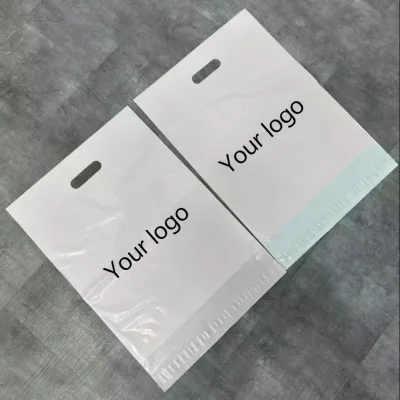
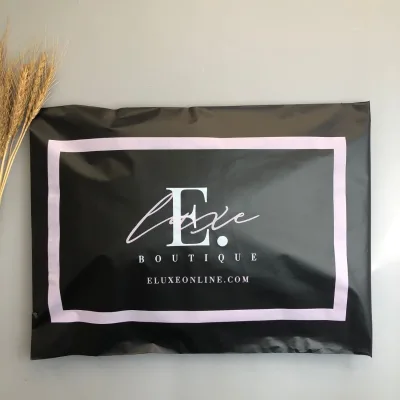



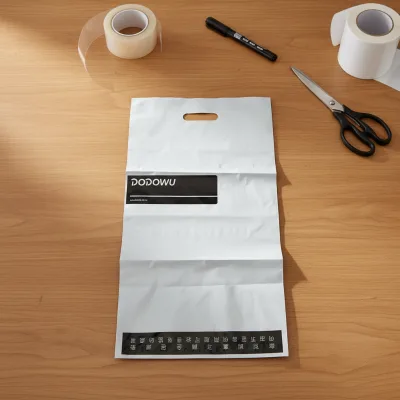
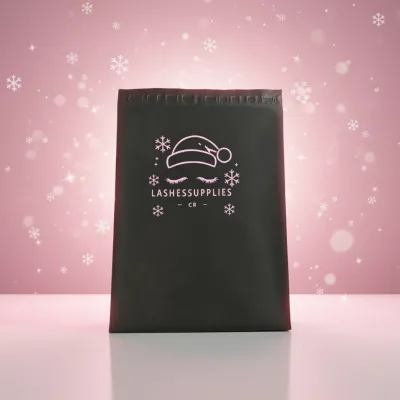
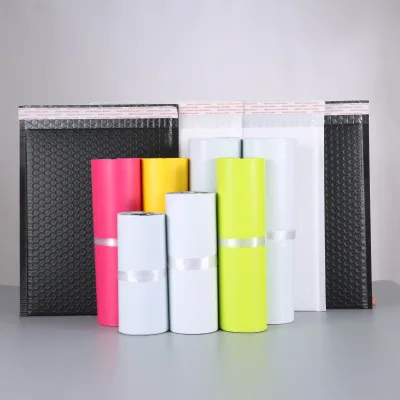
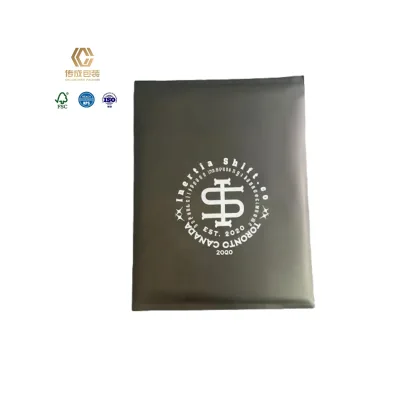
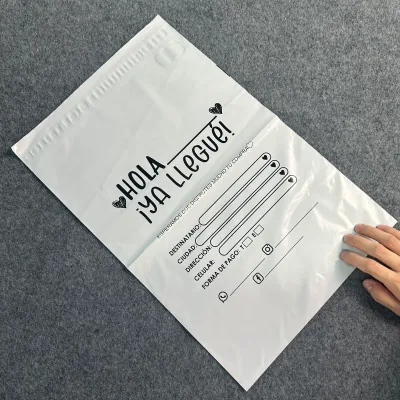
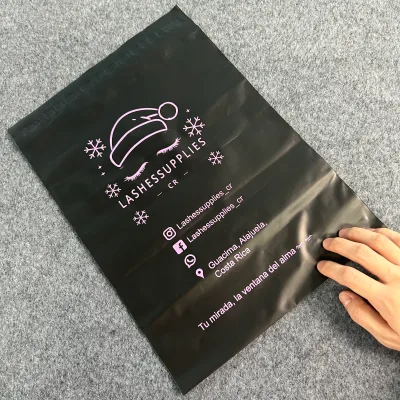
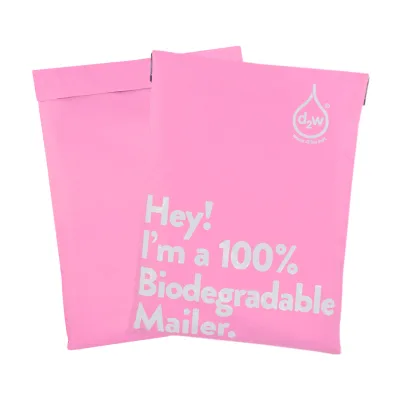


Eco-Friendly Waterproof Poly Bubble Mailers for Sustainable Shipping Solutions
$0.01 - $0.50
MOQ: 10000 Pieces


Comprehensive Sourcing Guide
Sourcing Guide for Environment Friendly Poly Mailers
Understanding the Product Category and Core Attributes
The global shift toward sustainable logistics has elevated the demand for environment-friendly poly mailers, a specific category of shipping packaging designed to replace traditional non-biodegradable plastic bags. These products are primarily constructed from polymeric materials, often utilizing Low-Density Polyethylene (LDPE) as a base layer to ensure durability while incorporating biodegradable or compostable additives. The fundamental purpose of these mailers is to provide a robust, waterproof solution for express service packaging, suitable for the apparel, food, agriculture, and pharmaceutical sectors.
When evaluating these products, buyers must distinguish between standard poly mailers and those explicitly marketed as biodegradable or compostable. The core material composition is a critical observation point. While the base material is often poly, the distinguishing feature lies in the product's ability to break down under specific conditions. The market offers variations in thickness, with observed specifications ranging from 120 micrometers (um) to 0.15 centimeters in package dimensions, indicating a need for careful verification of the exact gauge required for the intended cargo weight. The transparency of these bags is typically high, allowing for visual inspection of contents, while the hardness is generally soft to facilitate easy sealing and handling.
The sealing mechanism is another vital technical attribute. Most environment-friendly poly mailers utilize a self-seal method, often described as a heat-seal or adhesive strip that requires no additional equipment. This feature is essential for high-volume operations in business and shopping environments where speed is paramount. The single package size for these items varies significantly, with observed dimensions such as 35x47x0.01 cm or 40x55x0.15 cm, reflecting the customizability inherent in this product line. Buyers should note that the "environment-friendly" claim is often tied to specific design features, such as the ability to accept custom logos and patterns, which allows brands to maintain identity while adhering to sustainability goals.
Technical Specifications and Customization Parameters
Technical specifications for poly mailers are not one-size-fits-all; they are highly customizable to meet the diverse needs of different industries. The primary customization parameters include size, thickness, color, and printing. Suppliers typically offer "custom size" options, allowing buyers to select dimensions that minimize void space and reduce material waste, a key factor in the overall environmental footprint. The thickness of the material is a critical determinant of strength and durability. Observed data indicates a thickness of 120um for certain models, while others may vary. It is imperative for buyers to verify the specific thickness required for their shipping volume, as thinner bags may tear under heavy loads, while excessively thick bags increase material usage unnecessarily.
Printing capabilities are a significant differentiator in this category. The industry supports various printing handling methods, including heat transfer printing, embossing, and debossing. The acceptance of custom logos and patterns is a standard feature, enabling companies to brand their packaging effectively. The "custom pattern" and "custom color" attributes suggest a wide range of aesthetic possibilities, though the base material remains transparent or semi-transparent in many cases. The layered structure of these bags often involves heat-seal layers, ensuring that the bag remains secure during transit.
The industrial application of these mailers is broad, extending from general business and shopping to specialized sectors like food, agriculture, and pharmaceuticals. This versatility requires that the material meets specific safety and integrity standards for each use case. For instance, food-grade applications may require additional barriers or specific material certifications that are not always present in general-purpose mailers. The "OEM" (Original Equipment Manufacturer) capability is a standard offering, allowing businesses to have products manufactured to their exact specifications, including unique branding and structural requirements. The "soft" hardness and "transparent" nature of the bags facilitate easy identification of contents, which is particularly useful for inventory management and customer satisfaction.
Compliance, Certification, and Environmental Claims
Navigating the compliance landscape for environment-friendly poly mailers requires a rigorous approach to verifying environmental claims. The term "biodegradable" and "compostable" are frequently used in product descriptions, but these terms have specific technical meanings that must be validated. While background knowledge references standards such as EN 13432 and ASTM D6400, buyers must not assume that every product labeled as biodegradable automatically meets these international standards without verification. The supply chain data indicates that some products claim to "meet ISO Standard," but the specific ISO standard number is not explicitly defined in the provided context. Therefore, buyers must request specific certification documents from suppliers to confirm compliance.
The verification process should focus on third-party testing reports that demonstrate the product's degradation characteristics. A product claiming to be "eco-friendly" must provide evidence of its breakdown under industrial composting conditions or specific environmental settings. The "feature" attributes often listed include "Biodegradable," "Durable," and "Recyclable," but these claims must be backed by data. Buyers should inquire about the specific testing protocols used to validate these claims. Without concrete test results or recognized certification marks, the environmental benefits of the product remain unverified assertions.
Furthermore, the "Industrial Use" categories such as food and pharmaceuticals often carry regulatory requirements beyond general environmental claims. Products intended for these sectors must comply with food safety regulations and pharmaceutical packaging standards. The "Export Standard Packing" and "Wooden" packing options mentioned in the data suggest that the packaging of the mailers themselves (the outer cartons) must also meet export requirements, which often include moisture resistance and structural integrity. Buyers should ensure that the supplier can provide documentation confirming that the mailers do not contain harmful substances that could leach into food or pharmaceutical products.
Cost Drivers and Pricing Dynamics
The cost of environment-friendly poly mailers is influenced by several dynamic factors, including material composition, customization levels, and order volume. The observed price range in the market spans from $0.01 to $2000, a wide variance that reflects the difference between single-unit samples and bulk industrial orders. The Minimum Order Quantity (MOQ) is a significant cost driver, with observed ranges from 2 to 30,000 pieces. Lower MOQs, such as 200 or 1000 pieces, are often available for custom orders, allowing smaller businesses to test the market without a massive financial commitment. However, higher volumes typically result in a lower unit cost due to economies of scale.
Material costs are a primary component of the final price. The use of biodegradable additives or compostable polymers often commands a premium over standard LDPE. The thickness of the bag, measured in micrometers, directly impacts the amount of raw material used, thereby influencing the cost. Thicker bags, while more durable, will be more expensive per unit. Additionally, the complexity of the printing process affects pricing. Custom logos, multi-color patterns, and specialized printing techniques like embossing or debossing require additional setup and production time, which can increase the unit price.
The "Factory" experience and "20 Years Experience" of the supplier can also influence pricing. Established manufacturers may offer more competitive rates due to optimized production processes and established supply chains for raw materials. However, buyers should be cautious of prices that seem too low, as they may indicate compromised quality or unverified environmental claims. The "Discount" attribute often listed as "Contact Us" suggests that pricing is negotiable based on order volume and long-term partnership potential. Buyers should request detailed quotes that break down the cost of materials, printing, and packaging to understand the true cost drivers.
Typical Applications and Industry Use Cases
Environment-friendly poly mailers are designed to serve a wide array of industries, each with unique requirements for packaging integrity and sustainability. The primary application is in express service packaging, where speed and reliability are crucial. These mailers are ideal for e-commerce businesses that ship apparel, accessories, and small electronics. The "soft" and "transparent" nature of the bags allows for easy handling and quick visual inspection of contents, which is essential for high-volume shipping operations.
In the food and agriculture sectors, these mailers must meet strict hygiene and safety standards. The ability to provide a barrier against moisture and contaminants is critical. The "Industrial Use" attributes explicitly mention food, agriculture, and pharmaceuticals, indicating that these products are suitable for these sensitive applications. However, buyers must verify that the specific product they select meets the necessary food-grade or pharmaceutical-grade certifications. The "biodegradable" feature is particularly valuable in these sectors, as it aligns with corporate sustainability goals and reduces the environmental impact of packaging waste.
The apparel industry is another major user of these mailers. The customizability of the bags allows fashion brands to create a unique unboxing experience for their customers. The ability to print custom logos and patterns on the bags enhances brand visibility and customer engagement. The "self-seal" feature ensures that the packaging is secure and tamper-evident, which is important for high-value items. The "Business & Shopping" application covers a broad range of retail scenarios, from brick-and-mortar stores to online marketplaces.
Supplier Evaluation and Quality Control
Evaluating suppliers for environment-friendly poly mailers requires a comprehensive approach that goes beyond price and lead time. Buyers should prioritize suppliers with a proven track record in manufacturing biodegradable and compostable products. The "20 Years Experience" attribute suggests that some suppliers have significant expertise in this field, which can be a positive indicator of quality and reliability. However, buyers should verify this experience by requesting references or case studies from other clients in similar industries.
Quality control is paramount when sourcing these products. Buyers should implement a rigorous inspection process that includes checking for material consistency, print quality, and sealing integrity. The "Heat Seal" and "Flat Bag Packaging" attributes indicate specific manufacturing processes that must be monitored to ensure the bags are free from defects. Buyers should request samples before placing large orders to test the bags for durability, tear resistance, and biodegradability. The "Single gross weight" of 0.020 kg for a single package provides a baseline for weight verification, which can be used to ensure that the bags are not under-filled or defective.
The "Place of Origin" is another factor to consider. The data indicates origins in Guangdong and Zhejiang, China, which are major manufacturing hubs for packaging products. Buyers should verify that the supplier has the necessary infrastructure to maintain consistent quality across large production runs. The "Export Standard Packing" and "Wooden" packing options suggest that the supplier is experienced in international shipping, which is crucial for buyers sourcing from overseas. However, buyers should also consider the environmental impact of the packaging used to ship the mailers themselves, ensuring that it aligns with their sustainability goals.
Long-Term Procurement Considerations and Strategic Sourcing
Sourcing environment-friendly poly mailers is not just a one-time transaction but a strategic decision that impacts a company's long-term sustainability goals. Buyers should consider the scalability of the supplier's production capabilities. As the business grows, the demand for packaging will increase, and the supplier must be able to meet these demands without compromising quality or lead times. The "OEM" capability and "Customization" options allow for flexibility in adapting to changing market needs and product requirements.
Long-term procurement also involves building a relationship with the supplier that fosters continuous improvement. Buyers should engage in regular communication to discuss potential innovations in material technology and design. The "20 Years Experience" of the supplier suggests a deep understanding of the market, which can be leveraged to stay ahead of industry trends. Buyers should also consider the total cost of ownership, including the cost of waste disposal and the potential for tax incentives related to sustainable packaging.
Finally, buyers should remain vigilant about the evolving regulatory landscape regarding biodegradable and compostable materials. Standards and certifications may change, and suppliers must be able to adapt to these changes quickly. By maintaining a close relationship with the supplier and staying informed about industry developments, buyers can ensure that their packaging strategy remains effective, compliant, and aligned with their sustainability objectives. The "Discount" and "Contact Us" attributes indicate that negotiation is a key part of the procurement process, allowing buyers to secure favorable terms that support their long-term business goals.
FAQs
What is the minimum order quantity for these bags?
The minimum order quantity varies by supplier, with observed values starting at 2 pieces and extending up to 30,000 pieces. Specific listings show MOQs of 200 pieces or 1000 pieces depending on the customization level and manufacturer.
Can I customize the size and logo on the mailer?
Yes, customization for size and logo is accepted as a standard feature for these products. Suppliers offer custom patterns, custom colors, and accept logo printing through methods like heat transfer, embossing, or debossing.
What material is used to make these environment friendly bags?
The primary material is poly, often utilizing LDPE layers with biodegradable additives. The product features include being biodegradable, compostable, and recyclable, while maintaining a soft hardness and transparent appearance.
Where are these poly mailer manufacturers located?
Manufacturers are located in Guangdong and Zhejiang provinces in China. Some suppliers highlight a 20-year experience in the factory, while others specify origins in Hangzhou for their production facilities.
What are the thickness and sealing specifications?
Observed thickness specifications include 120 micrometers for certain models. The bags typically feature a self-seal mechanism and are layered with heat-seal properties to ensure durability during express service packaging.
Which industries can use these biodegradable shipping bags?
These bags are suitable for business, shopping, food, agriculture, apparel, and pharmaceutical applications. They are designed for express service packaging and can meet specific industrial use requirements for various sectors.