Source Entrance Table Options for Living Room, Office, and Reception
Explore 30 modern Entrance Table designs crafted from wood, stone, and metal. Compare rectangular cabinets and reception counters with custom colors and high-quality finishes for various commercial and residential applications; compare the available evidence and request quotations based on your requirements.
Key considerations
Products List


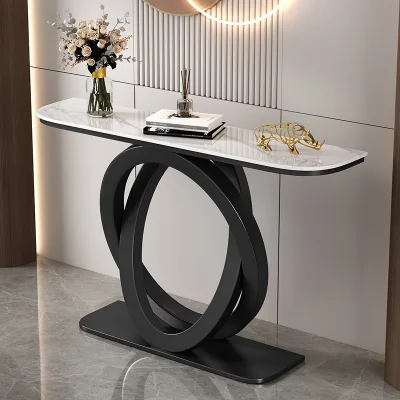
Marble Top Entrance Hallway Table - Decorate The Entrance of Your Home
$500.00 - $2000.00
MOQ: 1 Pieces

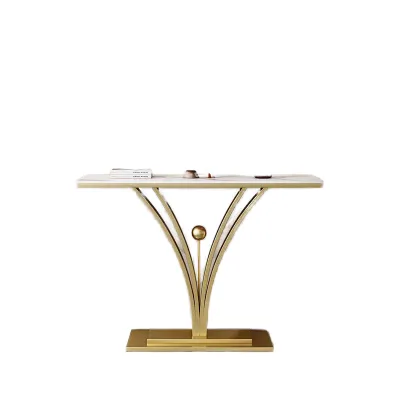
Modern Openwork Carved Design Hallway Entry Table - Marble Top Roman Style Golden Entrance Table
$500.00 - $2000.00
MOQ: 1 Pieces

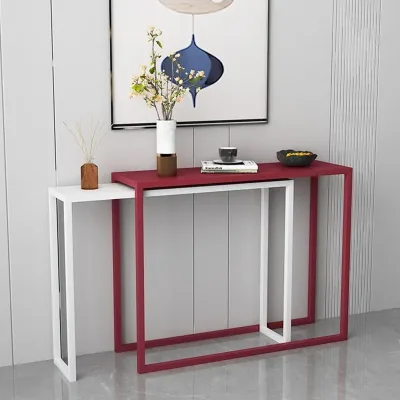
Modern Entrance Console Table: Welcome Your Guests in Style - Living Room Table
$500.00 - $1500.00
MOQ: 1 Pieces

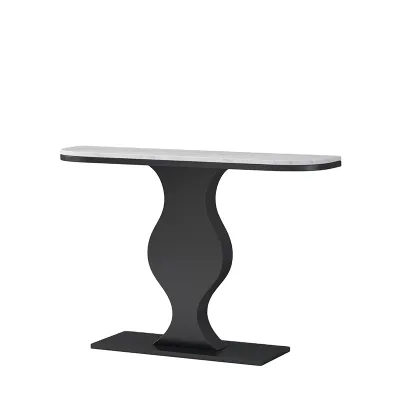
Stylish Entryway Table-Modern Furniture-Sideboard-Entry Cabinet-Home Furniture
$500.00 - $1500.00
MOQ: 1 Pieces



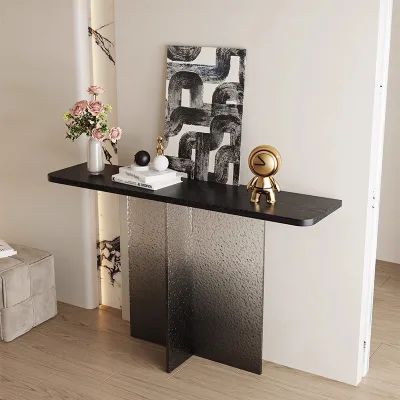
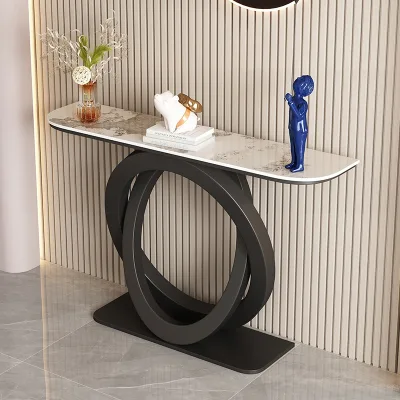
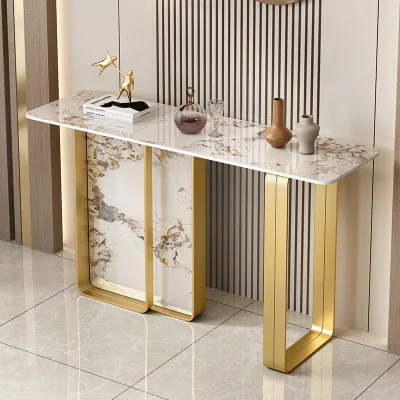
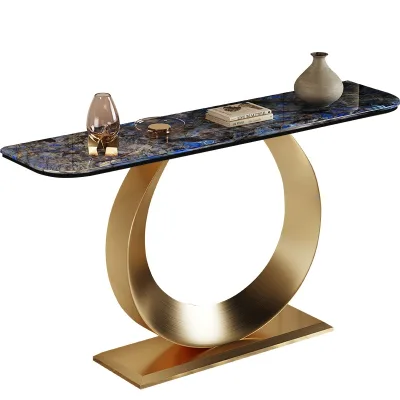
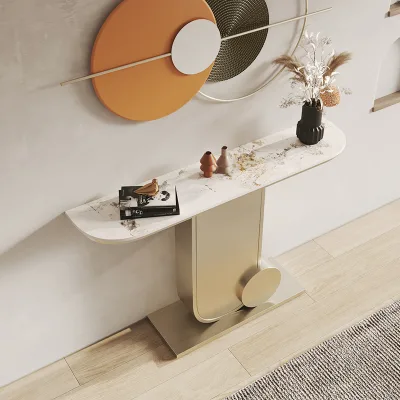


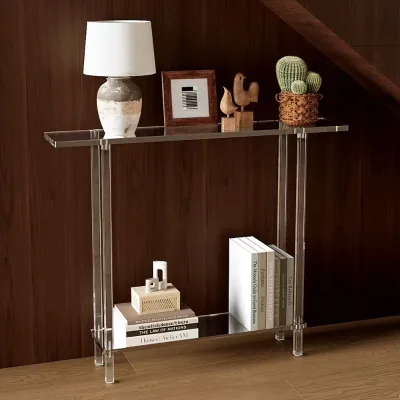


Multi Person Office Reception Desk Counter Modern White Reception Table
$800.00 - $1200.00
MOQ: 1 Meters


Comprehensive Sourcing Guide
Entrance Table Sourcing Guide
Sourcing an Entrance Table requires balancing aesthetic integration with functional durability, particularly for high-traffic commercial and residential lobbies. Buyers must first define the primary use case, whether it serves as a reception counter, a decorative console, or a practical storage solution. The observed market data indicates a strong preference for modern design styles, with rectangular shapes dominating the available inventory. This geometric preference aligns with contemporary architectural trends that favor clean lines and uncluttered spaces. Procurement teams should prioritize suppliers who offer customization options, as standard dimensions rarely fit unique architectural footprints perfectly.
The material composition is a critical decision factor that influences both the visual appeal and the long-term maintenance requirements of the furniture. Current listings highlight wood and stone as primary materials, each offering distinct advantages in terms of weight, texture, and cost. Wood provides a warm, inviting atmosphere suitable for hospitality environments, while stone offers a premium, durable surface that resists wear. Buyers should verify the specific type of wood or stone used, as these materials vary significantly in hardness and finish. Understanding the material properties helps in predicting how the table will age and interact with daily use in an entrance area.
Product Scope and Observed Listing Signals
The current market for entrance tables exhibits a wide range of price points, observed between one and two thousand US dollars, reflecting variations in material quality and complexity. This broad spectrum allows buyers to align procurement budgets with specific project requirements, from budget-friendly office solutions to high-end residential pieces. The minimum order quantity (MOQ) flexibility is notable, with many suppliers accepting orders as low as one piece, which facilitates sampling and small-scale procurement. This low MOQ threshold reduces the financial risk for buyers testing new suppliers or fulfilling immediate, small-volume needs without committing to large inventory holdings.
Delivery timelines are a significant consideration, with observed lead times ranging from thirty to forty-five days. This window accounts for manufacturing, quality control, and initial logistics preparation, requiring buyers to plan their procurement cycles accordingly. The packaging methods observed, such as carton with wood frames or standard exporting packages, indicate a focus on protecting the product during transit. Buyers should verify the specific packaging details for each order to ensure that the furniture arrives without damage, especially for fragile materials like stone or delicate wood finishes. Consistent packaging standards are essential for maintaining product integrity across multiple shipments.
Technical Specifications to Verify
Dimensional accuracy is paramount when specifying entrance tables, as incorrect sizes can disrupt spatial flow and functional usability. Observed standard dimensions include models measuring 2020x540x870mm, 1380x370x850mm, and 1300x400x660mm, among others. Buyers must cross-reference these specifications with their architectural plans to ensure a precise fit. The rectangular shape is prevalent, but the depth and height variations cater to different ergonomic needs, such as standing reception desks versus seated console tables. Verifying the single package size, which can be as large as 170x40x20 cm, is also crucial for planning warehouse storage and final delivery logistics.
The structural integrity and weight of the table are key technical attributes that impact installation and safety. Some models have a single gross weight of 70.0 kg, indicating a substantial build that may require specialized handling equipment. Buyers should confirm the weight distribution and base stability, especially for taller reception counters that must withstand frequent use. The absence of mirrors in many modern designs simplifies the aesthetic but requires careful consideration of lighting and spatial perception. Ensuring that the table’s design style, such as modern design, aligns with the overall interior scheme is essential for a cohesive look.
Compliance and Safety Documentation
Safety certifications are a non-negotiable aspect of furniture procurement, ensuring that products meet international safety standards. The presence of TUV certification in some listings provides a baseline for quality and safety compliance, offering buyers confidence in the manufacturing processes. Buyers should request valid certification documents for each product model to verify that the materials and construction methods adhere to relevant regulations. This documentation is particularly important for commercial applications, where liability and safety standards are strictly enforced. Ensuring that the supplier can provide up-to-date certificates is a critical step in the qualification process.
Material safety and environmental compliance are also vital considerations, especially for indoor environments where air quality is a concern. Buyers should inquire about the finishes and adhesives used in the construction of wood and stone tables to ensure they are low-VOC and non-toxic. While specific chemical standards are not detailed in the observed data, buyers must verify that the materials do not emit harmful substances. This verification process protects the health of occupants and ensures compliance with indoor air quality regulations. Requesting material safety data sheets (MSDS) from the supplier is a prudent step to mitigate health risks.
Cost Drivers and Commercial Terms
Payment terms and financial flexibility play a significant role in the procurement process, with options like T/T and PayPal being commonly available. These terms offer varying levels of security and convenience for both buyers and suppliers, influencing the overall cost structure. Buyers should negotiate payment schedules that align with production milestones to manage cash flow effectively. The availability of customized colors and materials can impact the final price, as bespoke orders often incur additional setup and material costs. Understanding these cost drivers helps in creating a more accurate budget and avoiding unexpected expenses.
The warranty and after-sales service provisions are critical components of the total cost of ownership. A three-year warranty is observed in several listings, indicating a commitment to product durability and supplier confidence. Buyers should clarify the scope of the warranty, including what constitutes valid claims and the process for repairs or replacements. The availability of after-sales service ensures that any issues arising post-delivery can be addressed promptly, reducing downtime and maintenance costs. Evaluating the supplier’s reputation for honoring warranties is as important as the warranty terms themselves.
Supplier Qualification and Quality Control
Supplier qualification involves a thorough assessment of their manufacturing capabilities and quality control processes. Buyers should verify the supplier’s production capacity and lead time consistency to ensure reliable delivery schedules. The observation of high-quality standards in listings suggests that many suppliers prioritize craftsmanship, but buyers must conduct their own due diligence. Requesting factory audits or third-party inspection reports can provide objective evidence of the supplier’s quality management systems. This verification step helps in identifying suppliers who consistently meet quality expectations and can scale production as needed.
Quality control measures should be integrated into the procurement process, from raw material inspection to final product testing. Buyers should specify clear quality acceptance criteria in their purchase orders, including tolerances for dimensions and finish defects. The use of standard exporting packages indicates a professional approach to logistics, but buyers should still inspect incoming goods for damage. Establishing a clear communication channel with the supplier for addressing quality issues is essential for maintaining a productive relationship. Regular feedback and performance reviews can help in continuously improving the quality of supplied products.
Long-Term Procurement Checks
Long-term procurement success depends on establishing a sustainable supply chain that can adapt to changing market demands. Buyers should monitor supplier performance over time, tracking metrics such as on-time delivery, product quality, and responsiveness to issues. The observed customization availability suggests that suppliers are flexible, but buyers must ensure that this flexibility does not compromise quality or lead times. Building a diversified supplier base can mitigate risks associated with single-source dependencies and provide options for future negotiations. Regularly reviewing supplier contracts and performance data helps in maintaining a competitive and reliable supply chain.
Sustainability and ethical sourcing practices are increasingly important in modern procurement strategies. Buyers should inquire about the supplier’s environmental policies and their commitment to sustainable materials and manufacturing processes. The use of wood and stone materials raises questions about sourcing ethics and environmental impact, which buyers should address through supplier disclosures. Ensuring that the supply chain aligns with corporate sustainability goals is essential for maintaining brand reputation and meeting regulatory requirements. Engaging in long-term partnerships with suppliers who share these values can lead to mutual growth and resilience.
FAQs
What customization options are available for entrance tables?
Customization is available for entrance tables to meet specific buyer needs. You can request customized colors and dimensions to fit your space. The products are made from wood or stone and feature a modern design style suitable for living rooms or offices.
How long is the delivery time for these entrance tables?
The standard delivery time for these entrance tables is 30 to 45 days. This lead time applies to orders placed with the current suppliers. Buyers should plan their procurement schedule accordingly to ensure timely arrival of the furniture at their destination.
What is the minimum order quantity for entrance tables?
The minimum order quantity is one piece for most Entrance Table models. This low MOQ allows buyers to test the product quality before placing larger orders. Some specific models may have different requirements, but one piece is generally accepted.
Which certifications do the Entrance Table manufacturers hold?
Some Entrance Table models carry TUV certification to ensure product safety and quality. This certification indicates that the manufacturing process meets specific international standards. Buyers can verify this certification when reviewing product specifications for their specific sourcing needs.
Can I get entrance tables with a warranty?
Yes, these entrance tables come with a three-year warranty for peace of mind. The warranty covers defects and ensures high quality standards are maintained. After-sales service is also available to assist buyers with any issues that may arise during the warranty period.
What materials are used to make these entrance tables?
Entrance tables are primarily constructed from wood or stone materials. These durable materials ensure the furniture is long-lasting and suitable for high-traffic areas. The choice of material depends on the specific model and design style selected by the buyer.
How are the entrance tables packaged for shipping?
The products are packaged in cartons with wood frames or standard exporting packages. This packaging protects the furniture during transit and ensures it arrives in good condition. Some items may also include specific single package sizes to optimize shipping logistics.